"Selling is a financially excellent decision." Those words appear in the approved minutes of the June 2, 2026 Town Council meeting. They summarize Mayor Lynn Screen's answer to a resident who asked whether there was a price at which the Town should sell 7137 Main Street. The same sentence adds that the Town "needs to ensure it accomplishes its goals, which are not always financially motivated."
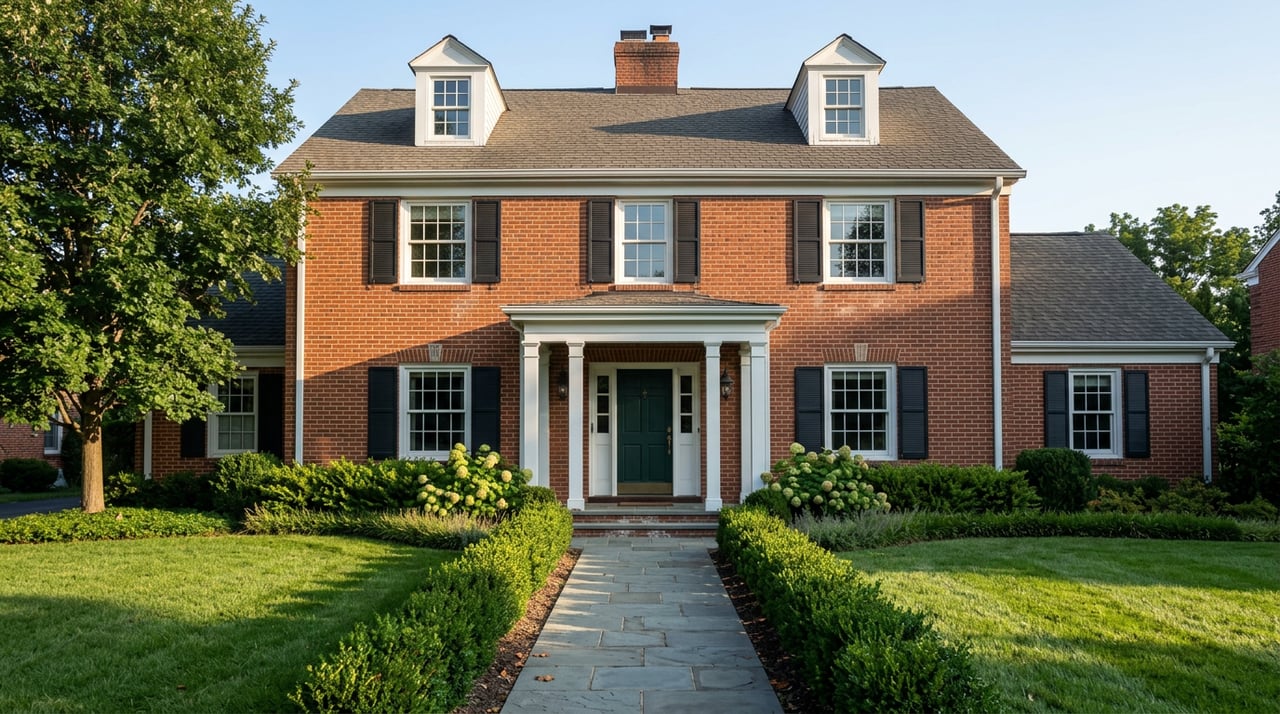
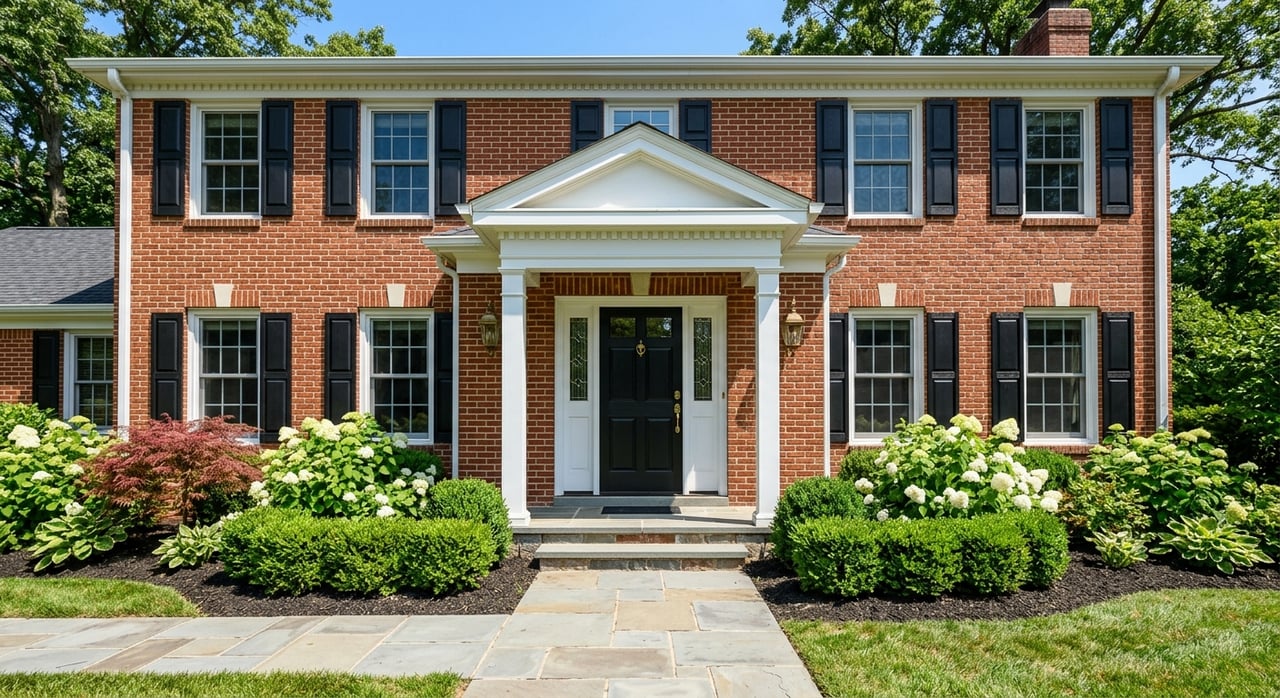
By late October, those goals come with a price. The yellow building north of the railroad tracks that everyone still calls the Pink House is the subject of a draft $500,000 donation with a grant deadline of November 1. The donation is fixed. The renovation estimate is not, and it has risen since spring. Accepting would also commit the Town's only building, and the gravel lot beside it, to public, noncommercial use for at least a decade.
A Town Hall That Never Opened
According to the Town's own history of the property, Clifton bought 7137 Main Street on September 3, 2009 for $395,000. The plan was to replace the deteriorating Town Hall at 12634 Chapel Road. Councilmember Effros later described what happened next at the June meeting. The old Town Hall was sold because it was falling apart, the Town had no money to convert the Pink House, so it leased the building out, and the building deteriorated.
The last tenant was Belle Jar Design. In early 2024 the business reported floors sagging badly enough that furniture had to be shimmed so it would not tip. By November 2024 the building was deemed unsafe for continued public use, and the lease ended March 31, 2025.
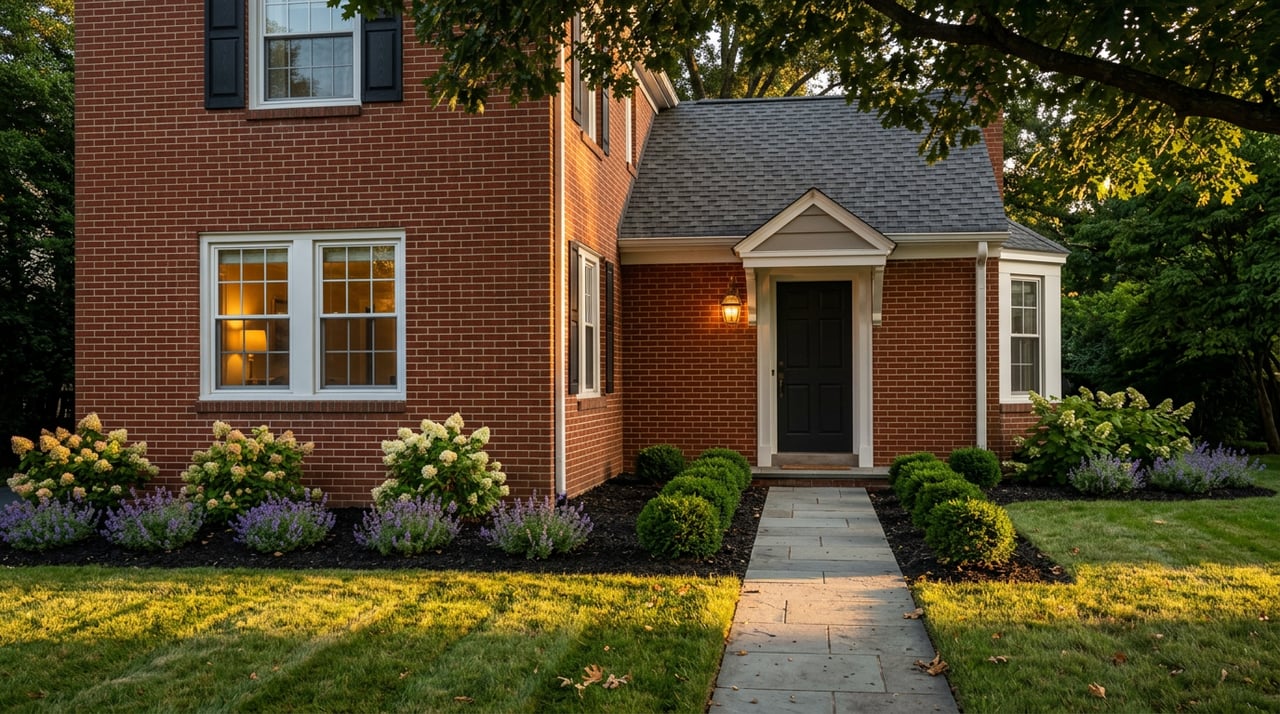
The name is older than any of this. A historical marker transcription credits the Ambler family with building the house. It says a business painted it pink in the 1960s and that it was painted yellow in the 1990s.
Why Selling Lost the Argument
Selling was the first plan. At the June meeting, Kevin Hutto said that selling had been the original idea and the Finance Committee's recommendation, and that a commercial realtor had valued the property at about $600,000. Councilmember Effros said that figure came before the full condition assessment, which found the foundation would need to be redone. He called the $600,000 number unlikely to hold.
The minutes record that every financial model the Town ran favored selling. They also record that the Town got explicit community feedback asking it to keep the property, and that the Clifton Betterment Association wanted the building to stay with the Town. Tearing the building down for parking came up as well. Vice Mayor Davis responded that the Architectural Review Board would not approve a parking lot there, and that the community strongly wanted the building rehabilitated.
With selling and demolition off the table, renovation was the remaining path. The offer from El Paso–American Housing Foundation, Inc. is what makes renovation affordable. The Town's May 2026 briefing describes the offer as a partnership between the Town, the foundation and two Clifton residents.
The Math of a Fixed Gift
The draft donation agreement in the October 2026 council packet does not hand the Town a check. The foundation would pay a share of each contractor invoice. That share equals $500,000 divided by the contract price on the day the contract is signed, and later price changes would not alter it. If the work costs more than the contribution, the Town pays the difference.
That makes the estimate the number to watch, and it has moved. In April 2026, the Town received an estimate of $632,025. On October 2, 2026, One Dwelling, Inc. of Chapel Road put its preliminary estimate at $716,861. At that price the foundation's $500,000 covers about 70 cents of each dollar, and the Town's share comes to $216,861. That figure leaves out rebuilding the building's one-story section, which an earlier estimate priced at $51,600. Adding it would bring the Town's share to $268,461.
Most of the estimate goes to structure the public will never see:
| Line item, One Dwelling estimate, October 2, 2026 | Amount |
|---|---|
| Carpentry: framing, sheathing, windows, doors, fiber cement siding | $131,435 |
| Interior finishes, including a rebuilt stairway | $98,930 |
| Site preparation, security, inspections | $89,700 |
| Concrete footings and walls to reinforce the foundation | $87,815 |
| Waterproofing, drainage, crawl space encapsulation | $57,157 |
| Standing seam metal roof, gutters | $47,250 |
| Electrical service and panel | $43,275 |
| Two-zone electric heat pump | $42,350 |
| Design, drawings, Town and County submissions | $34,272 |
| Final grading, new walks, gravel parking | $32,600 |
| Plumbing, new first-floor half bath | $30,827 |
| Insulation | $21,250 |
The foundation and water lines alone total $144,972. That is more than the roof, heating and cooling, and electrical combined. The scope of work lists pouring new concrete walls inside the existing foundation, an exterior drainpipe to a sump pump on the south side, and a 20 mil vapor barrier across the crawl space.
The Town has planned for a share. The FY2027 budget in the same packet carries a $250,000 line for Pink House renovations, and lists $848,531 in funds drawn from savings across the year's capital projects. When a resident asked in June what the project would cost individual citizens, Councilmember Effros said the Town now relies on its meals tax and that nobody was seriously discussing a real estate tax. Mr. Hutto put meals tax revenue at about $250,000 a year at the 2% rate. By that measure, the Town's share at the October estimate equals most of a year of meals tax receipts.
What the Town Would Be Agreeing To
A draft use agreement is attached to the donation, and it would be recorded in the Fairfax County land records. Over the life of the building it matters more than the construction contract. As drafted in October, it would run 15 years from the final use permit date. During that time the Town would have to:
- Allow only the Town and its committees, 501(c) nonprofits, and noncommercial community groups to use the property, apart from the public parking described in item 5.
- Limit those users to storage, meetings, displays or offices, with or without a fee.
- Not sell the building or lot, not place a lien on them, and not lease them to anyone other than government bodies or 501(c)(3) nonprofits.
- Maintain the siding, roof, windows, foundation and building systems, insure the building at replacement value, and budget at least $5,000 a year for upkeep.
- Mark every space on the lot as public parking, light it from dusk until no earlier than 11 p.m. daily, and rent no spaces to specific users or businesses.
After 10 years the Town could end the agreement by repaying a prorated share of the gift. The draft's own example puts the repayment at $166,500 at the 10-year mark.
The terms have changed before. The May briefing described "strict 20-year binding conditions." At the June meeting, the Mayor said the Town would not decide on the grant that night and that a new draft was coming. The October version is undated and unsigned. Signature lines for foundation president Brant Baber and Mayor Screen are still blank.
What Main Street Gets Out of It
For anyone who parks near the tracks to visit the shops and restaurants on Main Street, the parking terms are the most practical part. The gravel lot at 7137 Main Street would become marked public parking, lit every evening and closed to private reservations. The building itself would house Town offices and serve as meeting space for Town committees and local nonprofits, according to the May briefing. Today the Town's meetings take place at Wayne H. Nickum Community Meeting Hall at 12641 Chapel Road. The Town's Committee on the Environment has also floated the Pink House site as a possible location for a public electric vehicle charger. That is an idea for future site planning, not part of the scope.
Zoning is moving in step. The October packet includes a resolution asking the Planning Commission to consider rezoning the parcel from Industrial District to Low Impact Commercial District and to hold a public hearing. "Pink House Rezoning" was already on the Planning Commission's September 29 agenda.
The Calendar From Here
The schedule is driven by the gift. At the August 12 meeting, the Mayor said the Town needed to approve the documents, or some version of them, to meet the grant's November 1 deadline. That same night, the Council unanimously adopted design-build procedures and a determination statement allowing one team to design and build the project. Councilmember Effros pointed out that neither vote committed the Town to accept the money or do the work.
The procurement page still describes the project as contingent on funds that have not been appropriated. The schedule called for qualifications by September 14, technical and cost proposals by October 7, and an award around October 15. Whatever price comes out of that process sets the foundation's share for the rest of the job.
The next regular Town Council meeting is Wednesday, November 4, at 7:30 p.m., three days after the grant deadline. The Council also plans to vote that night on filling its vacant seat.
Decisions about a single Main Street building affect parking, foot traffic and the look of the historic district around it. If you would like to talk through how projects like the Pink House factor into a Clifton purchase or sale, Amanda Jones and her team follow these council meetings closely and are glad to help. Contact Us to Start Your Move.