Trying to make sense of Fairfax County housing headlines? If you live in or near Clifton, the numbers you see at the county level often tell only part of the story. In this guide, you will learn how inventory, days on market, and list-to-sale ratios work in Fairfax County and how Clifton’s large-lot homes behave differently. By the end, you will know how to read the data and plan your timing with confidence. Let’s dive in.
Key market metrics you should know
Inventory and months of supply
Inventory is the number of active listings at a point in time. Months of supply compares that inventory to the recent sales pace. Less than three months often points to a seller’s market, around three to six is more balanced, and above six suggests more buyer leverage. Use this to gauge competition and pricing power, but remember that local nuances matter.
Days on market (DOM)
DOM is the time from listing to an accepted contract. Shorter DOM usually means stronger demand and quicker decisions, while longer DOM can signal slower demand or pricing that needs adjustment. Some reports track DOM for current listings and others use median days to contract for sold homes, so always note the definition.
List-to-sale ratio
This ratio is the sale price as a percent of the final list price. Above 100 percent suggests frequent multiple offers and bidding over ask. Below 100 percent implies buyers are negotiating discounts or sellers are adjusting from initial prices. Concessions like credits or repairs may not show in the ratio, so consider the full terms.
Sales volume and prices
Sales volume shows how many homes are actually changing hands. Median price is often more useful than average in areas with a wide range of property types and prices. In Fairfax County, county-wide medians can hide differences between condos near job centers and large-lot homes in the southwest part of the county.
Fairfax County trends in context
During 2020 and 2021, Fairfax County saw rapid price growth and very low inventory. As mortgage rates rose in 2022 and 2023, inventory improved from the pandemic lows and DOM lengthened compared with those peak years. Through 2023 and 2024, many Northern Virginia reports show a moderation, with list-to-sale ratios closer to 100 percent in several price bands. County medians remain helpful for a quick read, but micro-market differences are important for decisions.
Seasonality in Fairfax County
Spring is the busiest season, with most new listings arriving from late March through June. Activity often remains steady into summer, then slows in late fall and December. As listings increase in spring, DOM often shrinks and list-to-sale ratios tend to be higher. Early winter and late summer can be quieter, which may change negotiation dynamics.
What drives demand and supply
- Employment and commuting: proximity to federal jobs, the Tech Corridor, and major routes like I-66 influence demand.
- Mortgage rates and affordability: rate changes directly affect buyer activity and DOM.
- New construction and land: infill opportunities vary by subarea, which affects how much new single-family supply can reach the market.
- Seller motivations: life changes and rate sensitivity shape when owners list.
Clifton’s micro-market: what makes it different
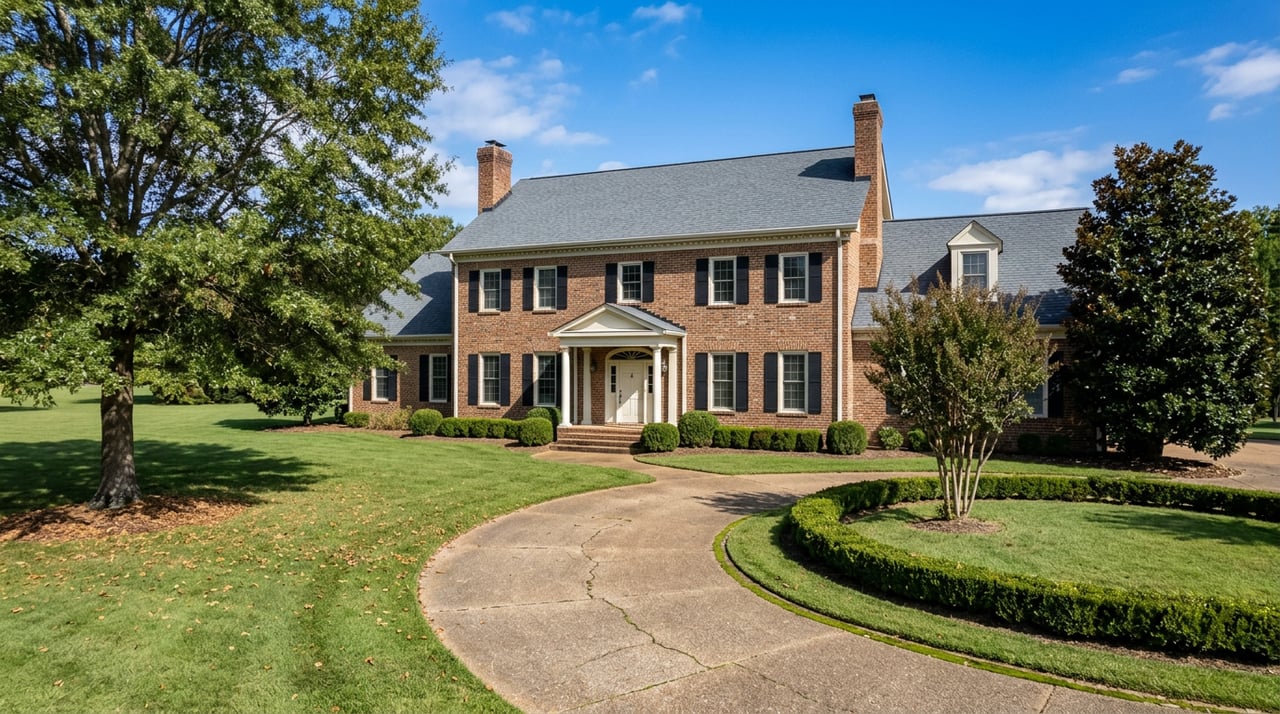
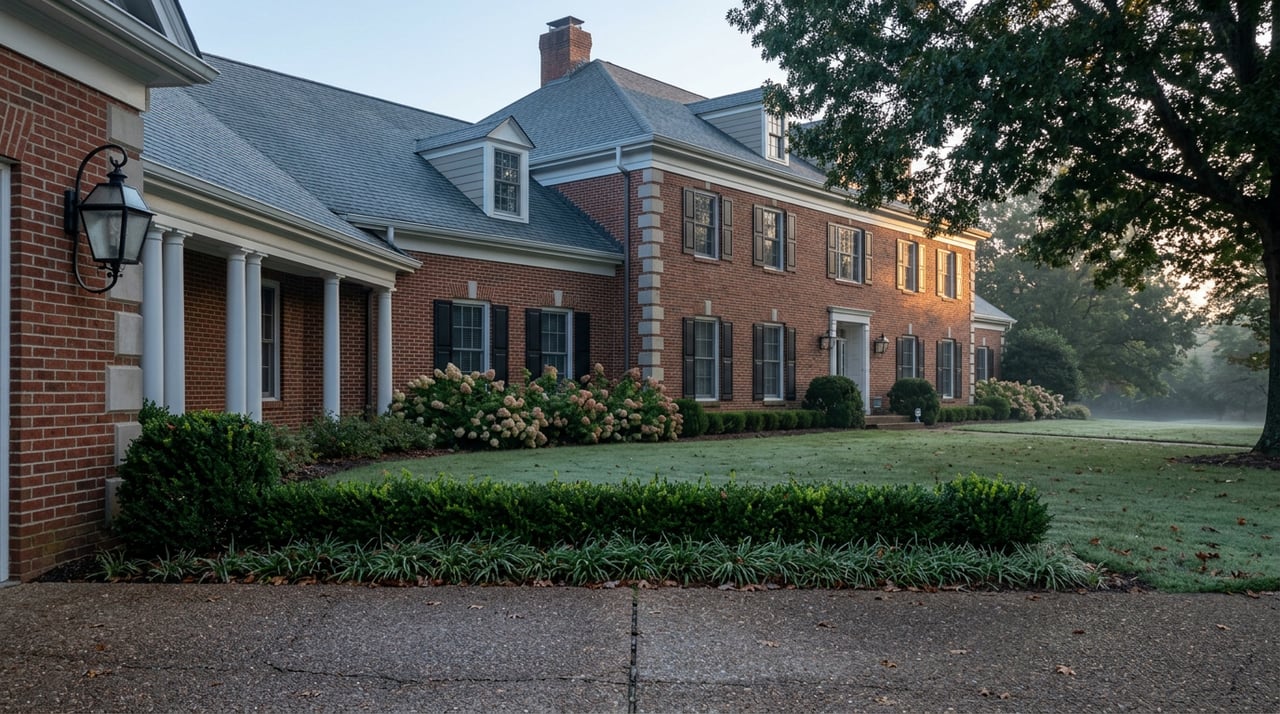
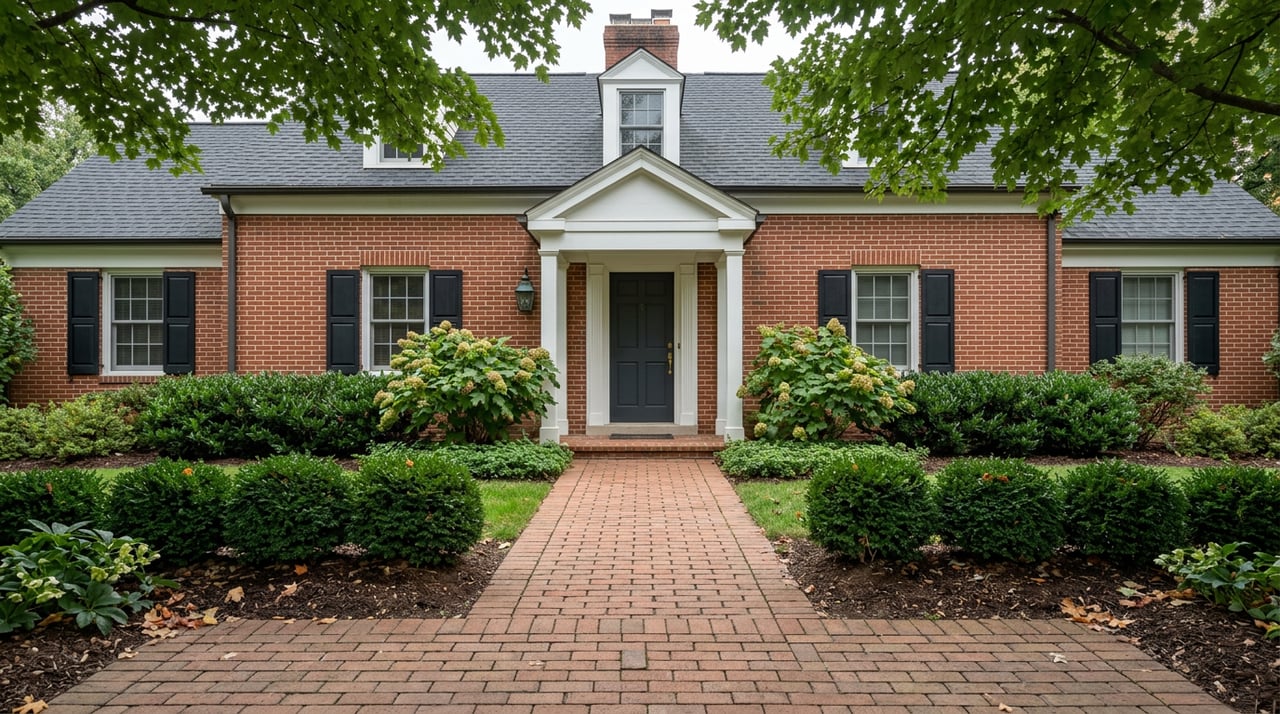
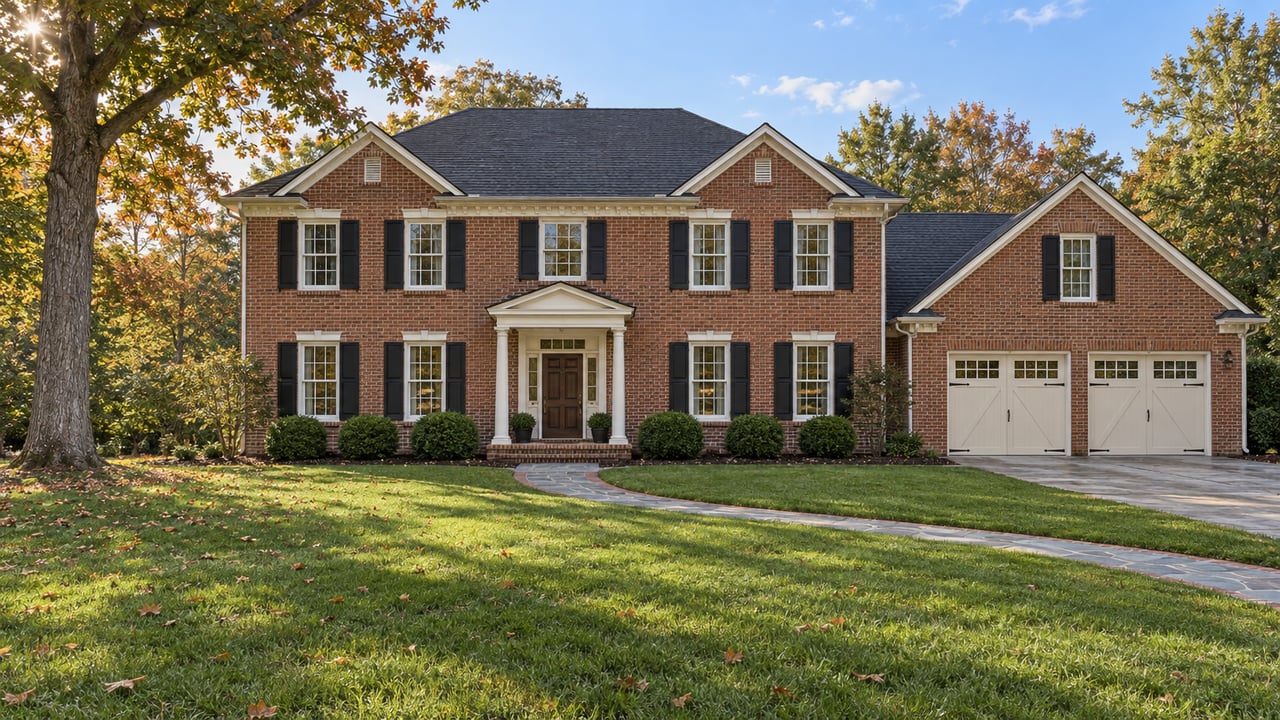
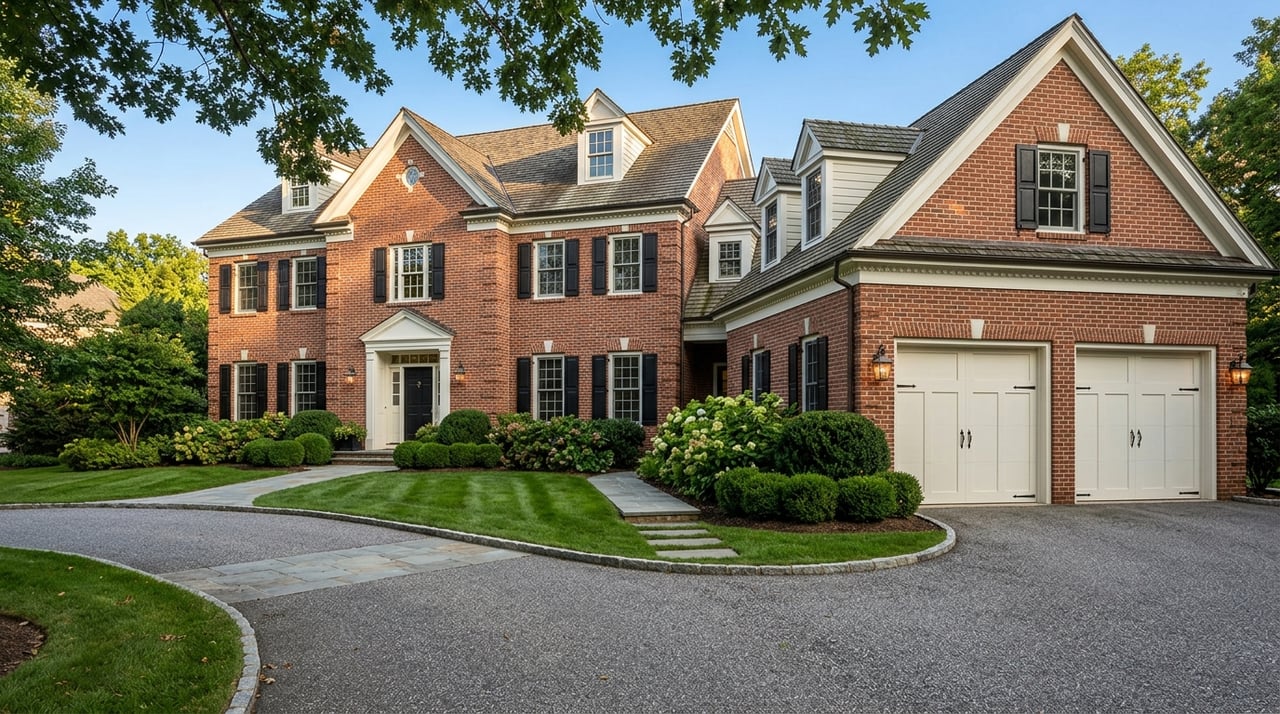
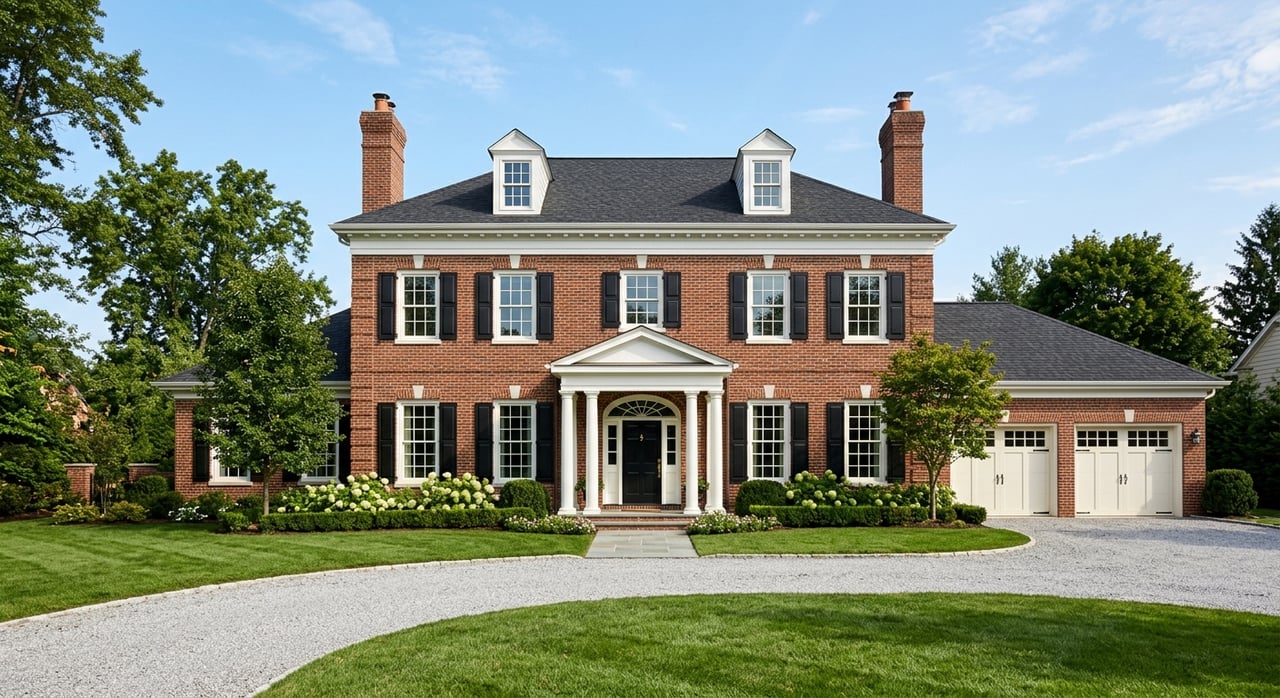
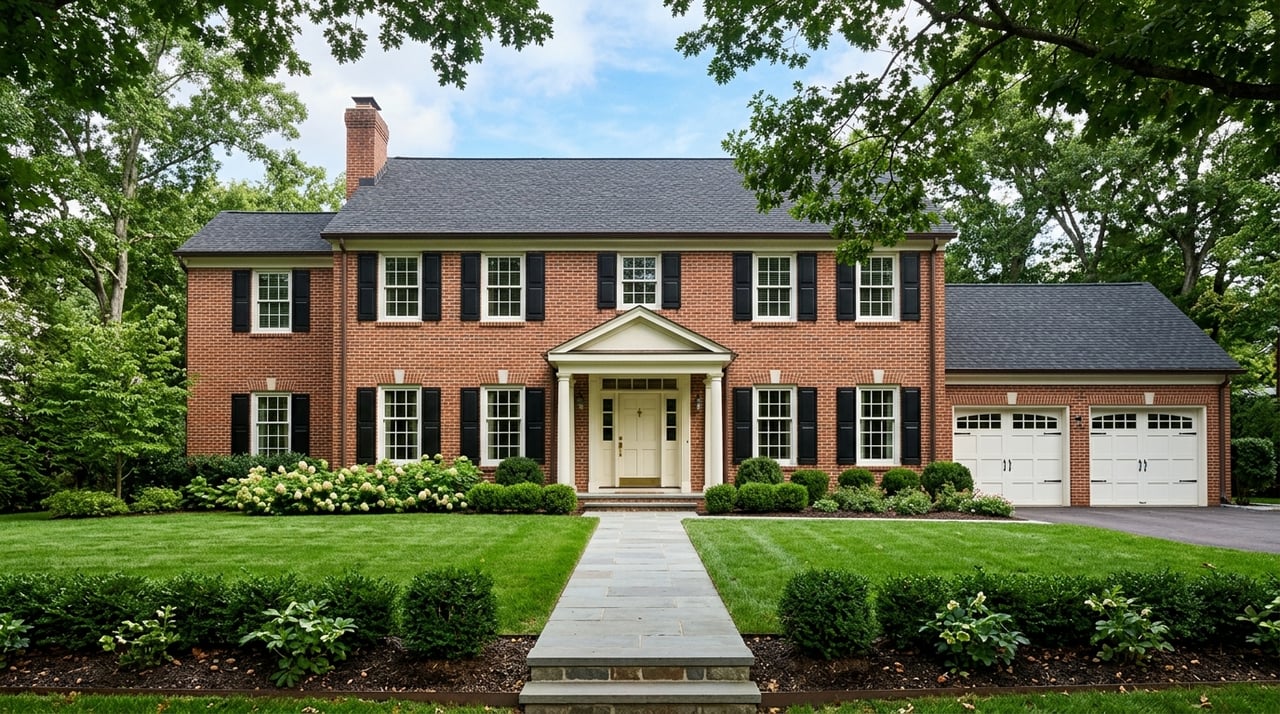
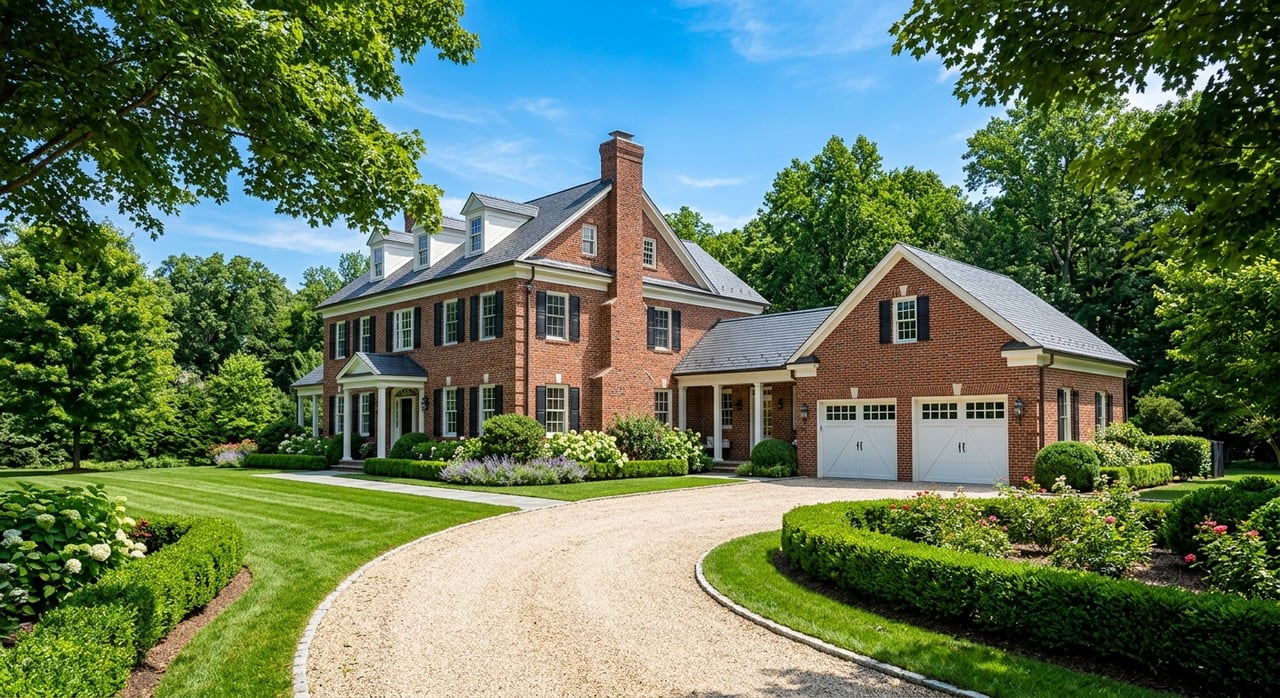
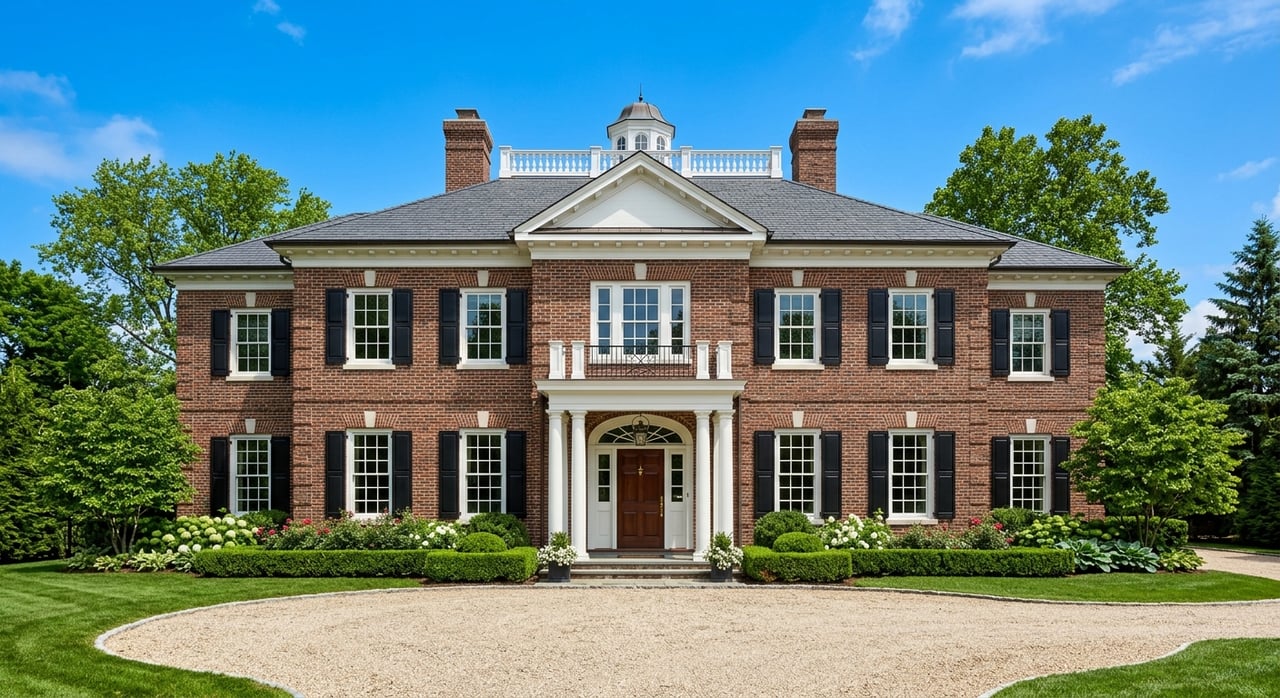
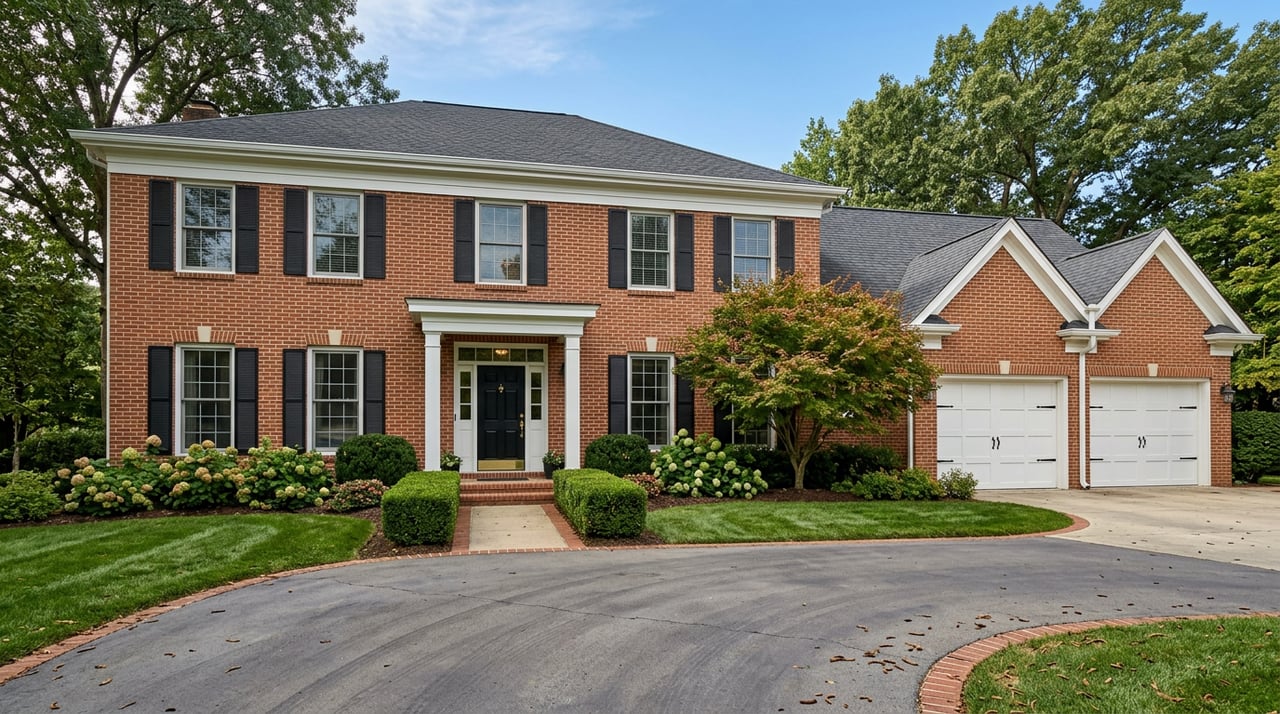
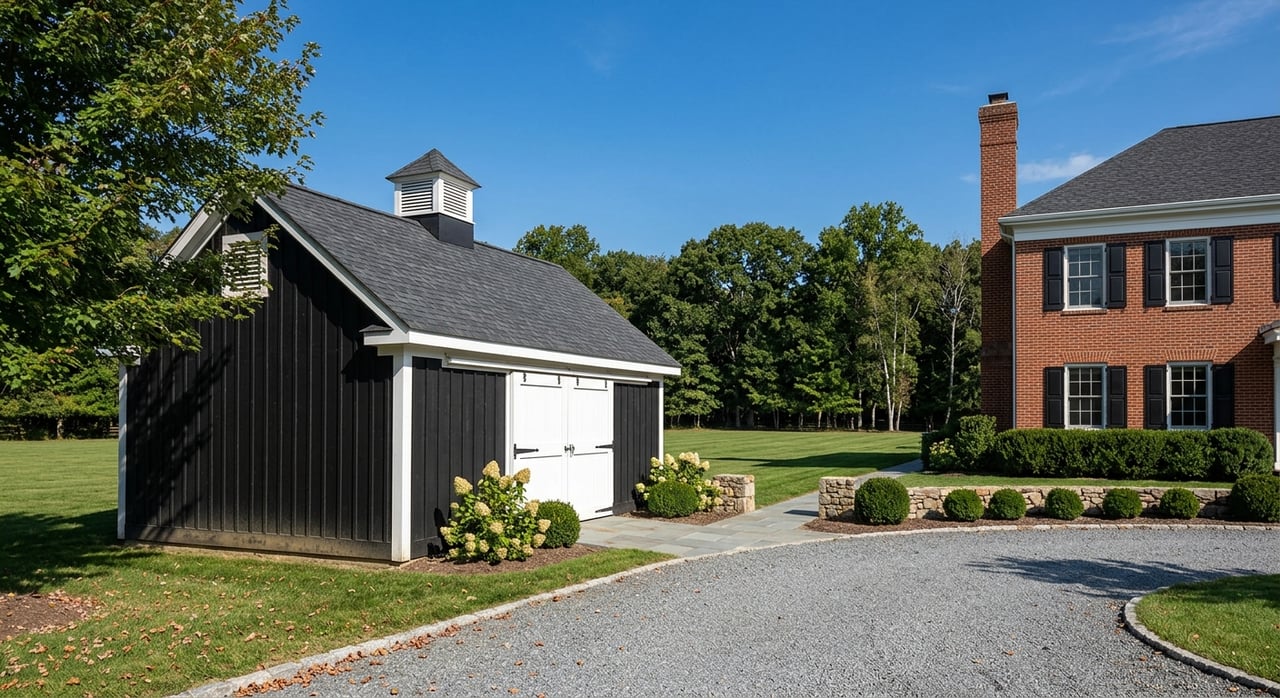
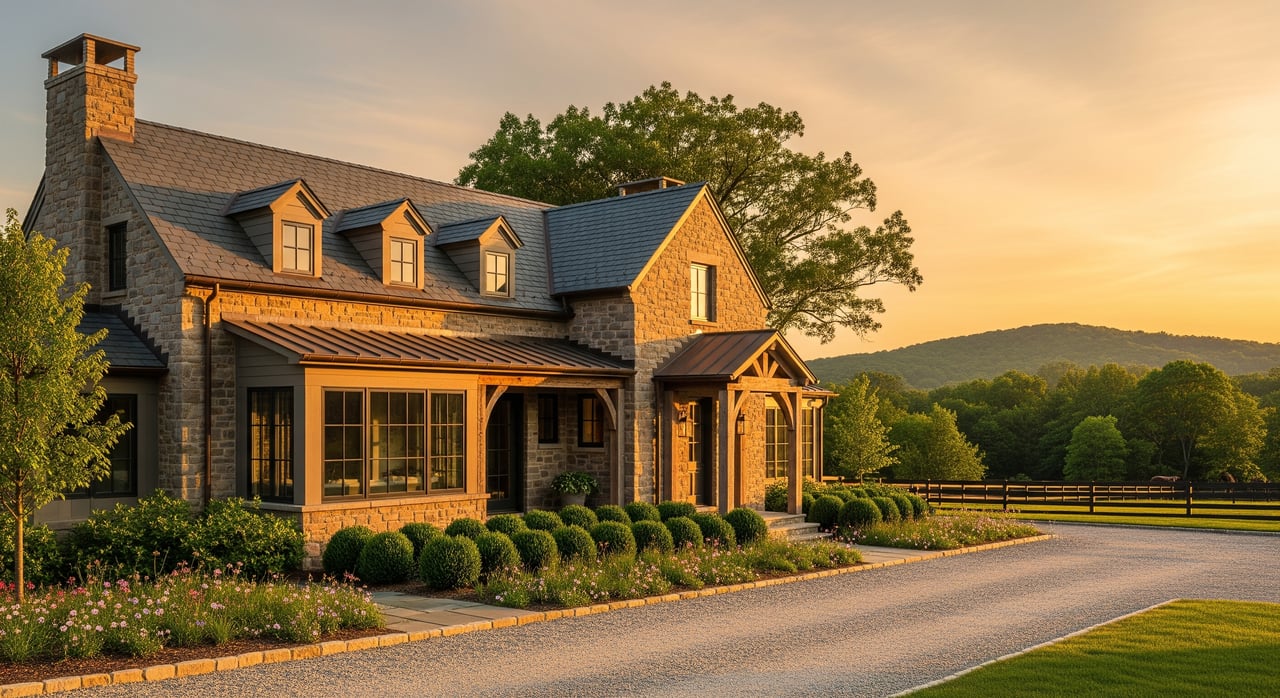
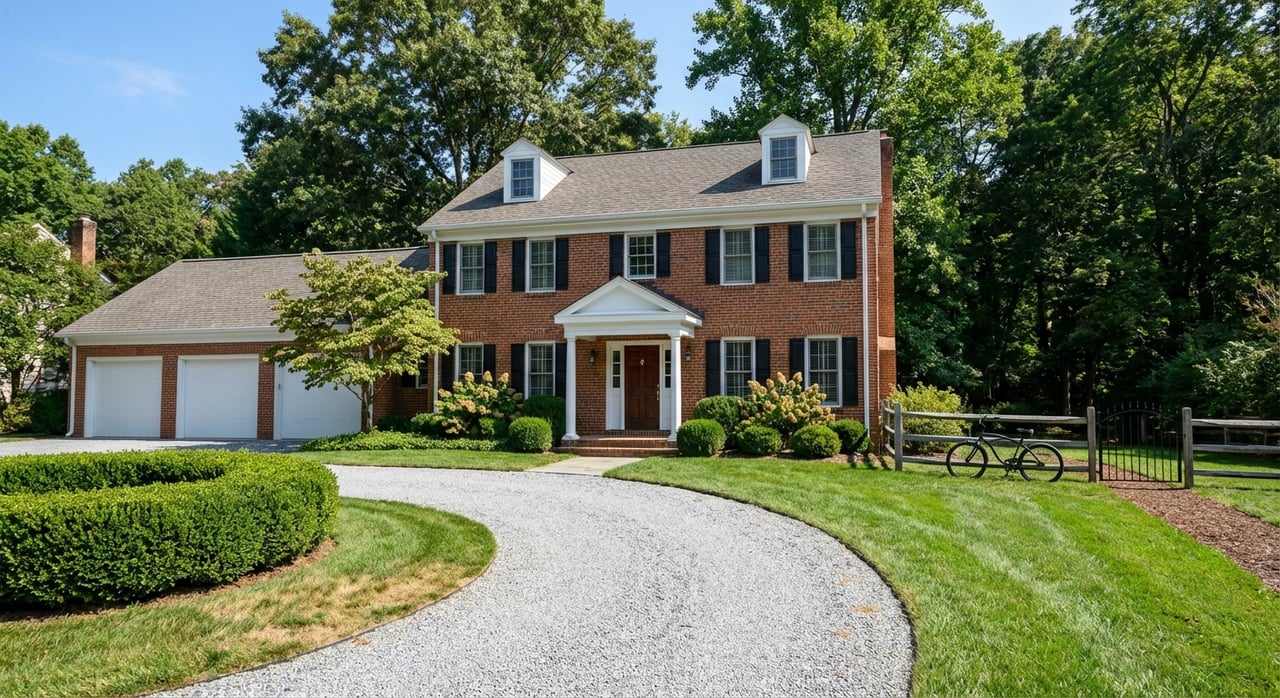
Clifton has many homes on one acre or more, with a rural or wooded feel and, in many cases, septic systems rather than municipal sewer. The housing stock skews toward custom homes and older properties on larger parcels, and owners tend to hold longer. That leads to fewer listings each year and a smaller, more specialized buyer pool that values privacy, land, and hobby or equestrian options. Commute tradeoffs are also part of the equation, with buyers weighing distance to major routes and activity centers.
How metrics behave in Clifton
- Inventory: the absolute number of active listings is small, so months of supply can swing widely from one month to the next.
- DOM: marketing times are often longer than the county median because buyers for acreage take more time for search and due diligence.
- List-to-sale ratio: outcomes vary. Renovated and well-positioned properties can still sell at or above list, while unique or aspirationally priced homes may require reductions.
- Seasonality: spring is still the most active, but buyer timing in Clifton can be less tied to the school calendar in some years.
What this means for buyers
- Use neighborhood-level data. County medians can be misleading for large-lot homes. Segment by ZIP code, price band, and property type to set expectations.
- Plan for longer searches and contingencies. Acreage often requires septic or well testing, surveys, and environmental checks. Build time into your contract strategy.
- Watch list-to-sale ratios and DOM by price tier. If ratios sit above 100 percent in your target segment, prepare for competitive offers. When DOM lengthens and options rise, negotiation room can improve.
- Prepare financing and appraisal early. Unique properties may have fewer close comparables. Work with a lender experienced in appraisals for custom and large-lot homes.
- Think seasonally but stay flexible. Spring expands your options, but targeted searches in quieter months can surface opportunities with less competition.
What this means for sellers
- Price to the actual buyer pool. Thin comparables in Clifton make overpricing risky. Use recent large-lot sales with similar improvements, and adjust for acreage, septic, and zoning differences.
- Expect longer DOM than the county median. Plan your timeline and move strategy with a realistic marketing window measured in weeks to months.
- Market the land and the lifestyle. Highlight surveys, utility and septic information, and any improvements. Professional photography and drone coverage help buyers understand the setting.
- Negotiate with due diligence in mind. Buyers may request more time for inspections and reports. Credits tied to well or septic findings can keep deals on track when supported by documentation.
Reading headlines wisely
- County medians mask micro-markets. Always separate Fairfax County trends from Clifton’s unique patterns before making decisions.
- Small samples swing metrics. In low-turnover areas, a few sales can move medians. Favor rolling 12-month views over single-month snapshots.
- Definitions vary. DOM and “days to contract” are not always the same across reports. Note what each source tracks when you compare figures.
How to check current stats
- Bright MLS MarketStats for local inventory, DOM, and list-to-sale by ZIP code.
- Northern Virginia Association of Realtors monthly market activity reports for county trends.
- Virginia REALTORS for statewide context and directional changes.
- Fairfax County Department of Tax Administration and GIS for lot size, zoning, and tax assessments.
- Fairfax County Health Department for septic and well permits and guidelines.
- Ask for a custom micro-market snapshot that segments Clifton by lot size, price band, and recent sales.
If you are planning a move in Clifton or anywhere in Fairfax County, interpreting the right metrics at the right level will save you time and money. Our team can pull current, neighborhood-level data and build a plan that fits your timing, financing, and goals. Reach out to the Amanda Jones Team to review today’s numbers and list or buy with confidence.
FAQs
What does months of supply mean in Fairfax County?
- It compares the number of active listings to the recent sales pace, helping you judge whether conditions favor buyers, sellers, or a balanced market.
How do days on market differ in Clifton vs. the county?
- Clifton’s large-lot homes often take longer to sell because buyers need more time for due diligence and there are fewer direct comparables.
Why is the list-to-sale ratio important for Clifton buyers?
- It shows negotiation pressure; above 100 percent signals competition, while below 100 percent suggests more room to negotiate terms and price.
When is the best season to list in Fairfax County?
- Spring usually brings more listings and buyers, shorter DOM, and stronger list-to-sale ratios, though quality pricing and marketing still drive results.
Will unique or large-lot homes face appraisal challenges?
- Possibly, since comparables are thin; strong documentation of upgrades and an appraiser familiar with the area can help support value.