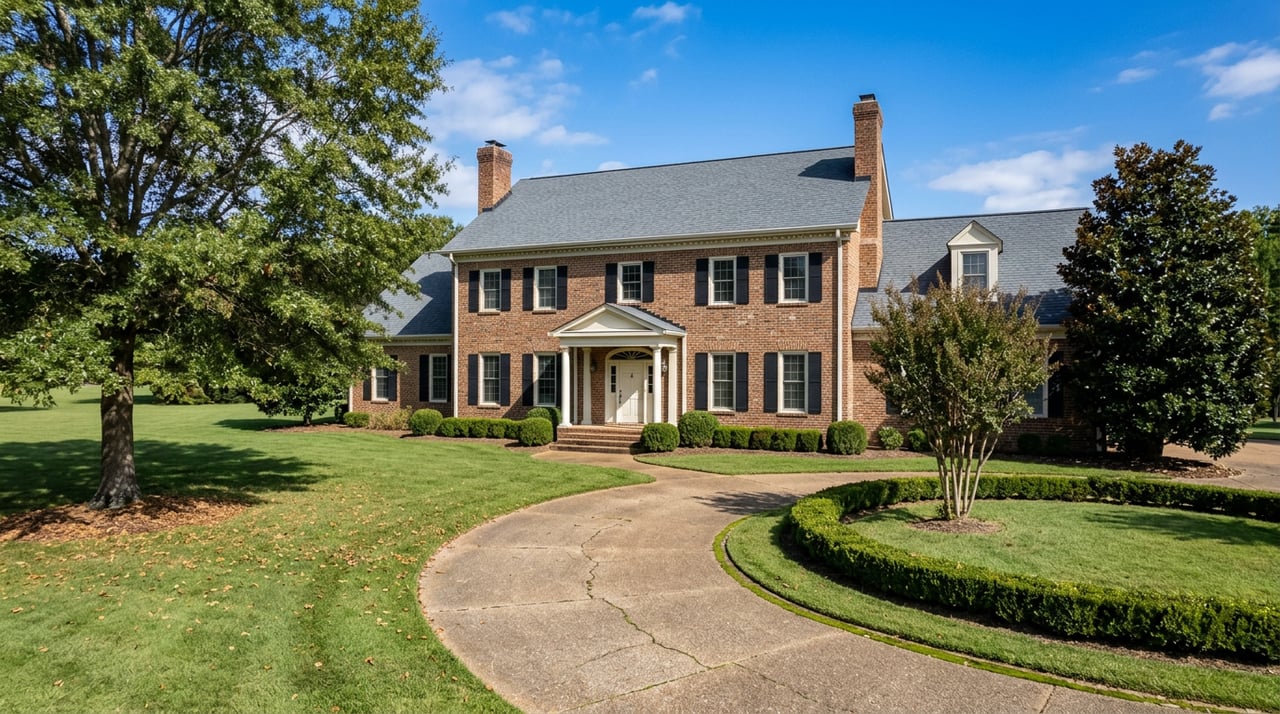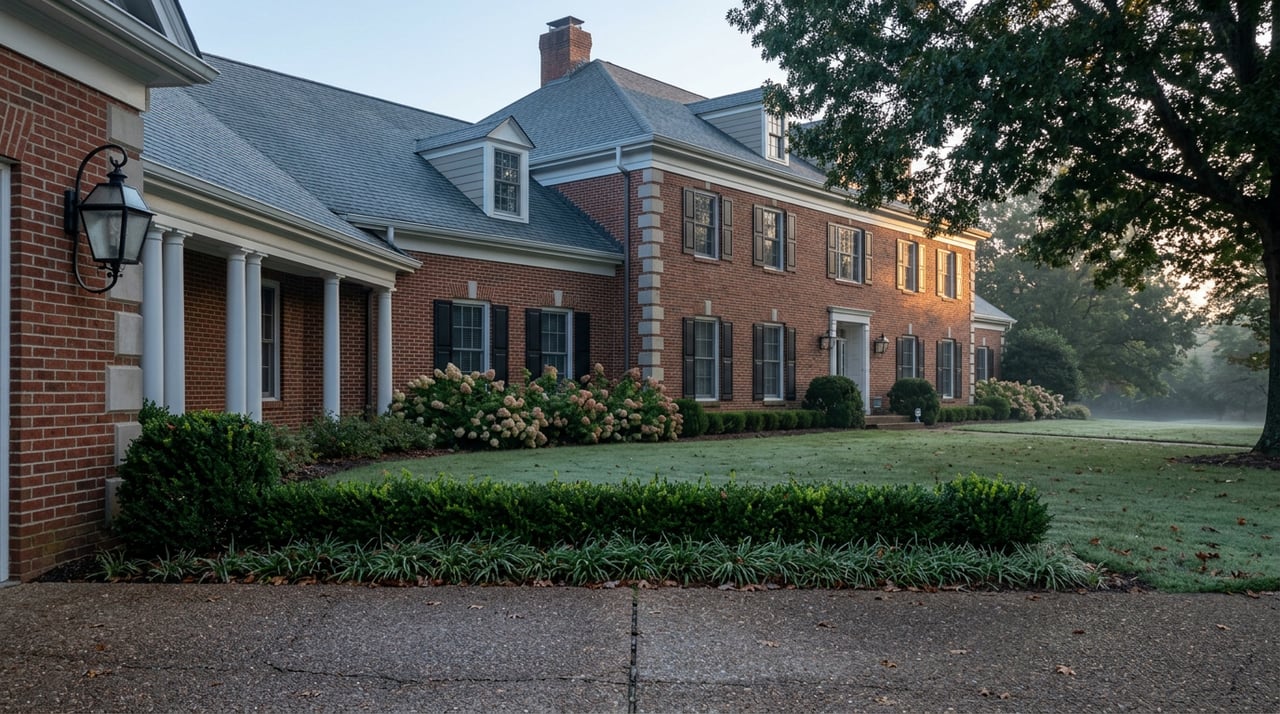
Two five-acre properties in Clifton can sell for very different prices. One might have flat pasture, a well-built barn, and direct access to riding trails. The other could be wooded with steep slopes and limited utility for horses. If you are pricing or shopping for a large-lot home, that spread can feel confusing.
You want a clear way to value acreage, outbuildings, and equestrian potential without guessing. In this guide, you will learn how appraisers approach unique properties, which site features move the needle, and how to build a pricing case that stands up with buyers and lenders. Let’s dive in.
Why Clifton pricing is different
Clifton sits in Fairfax County’s semi-rural pocket, close to the Washington job market yet surrounded by larger parcels. That mix attracts buyers who value privacy, acreage, and a practical commute. Demand for these homes behaves differently than for typical suburban lots, which is why cookie-cutter price-per-square-foot metrics fall short.
Zoning, permits, and allowed uses also matter more here. Fairfax County’s Zoning Ordinance and Land Development Services govern setbacks, accessory structures, equestrian use, and commercial activity on site. Outbuildings like barns or arenas can require specific permits or reviews, so buyers and sellers should verify what is permitted on a parcel before assigning value.
County assessments are a helpful reference, but they separate land and improvements and may not capture premiums for equestrian utility when there are few relevant sales. Some parcels may also qualify for Virginia’s Use Value Assessment program, which can reduce taxes for agricultural, horticultural, or forest land. Enrollment can affect marketability and may create buyer obligations at sale, so you should confirm the status and implications early.
What drives value on large lots
Lot utility and usable acreage
Acreage only tells part of the story. Buyers pay more for usable acreage than for raw totals. Flat, well-drained pasture and fenced paddocks carry more value than steep woods or wetlands. Topography and soils can influence feasibility and costs for septic and site work, so soils data and percolation results matter. If any portion of the site lies in a FEMA floodplain or includes jurisdictional wetlands, usable area may shrink and insurance or mitigation needs can rise.
Access and utility type impact marketability too. A public paved road and strong access can widen your buyer pool compared with a private or unimproved drive. Public water and sewer typically simplify lending. Well and septic are common, and their capacity, condition, and permits can affect value and the appraisal.
Equestrian features that count
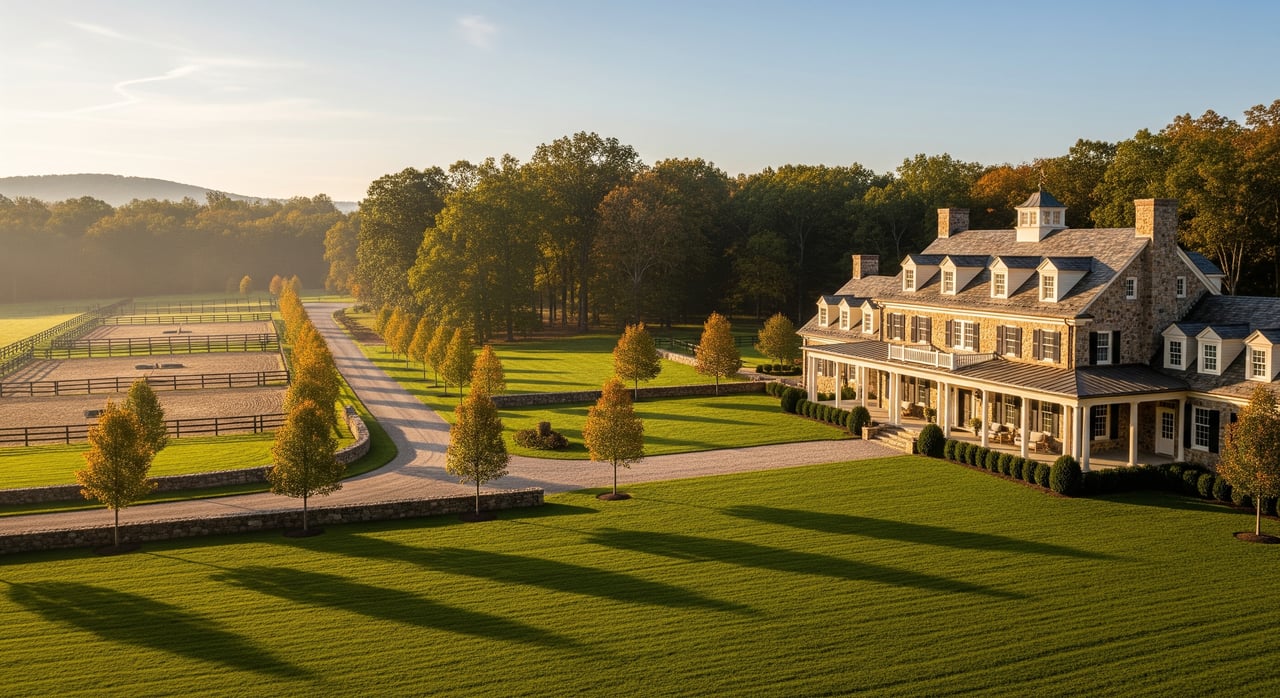
Not all barns and arenas are equal. Appraisers note the number and size of stalls, construction quality, utilities, wash stalls, tack rooms, and hay or equipment storage. Indoor arenas are high-cost, special-purpose improvements and often command a notable premium. Outdoor arenas and footing quality matter, just typically at a lower level than indoors.
Paddocks, fencing, and turnout areas drive day-to-day usability. Horse-safe fencing and thoughtful layout reduce risk and maintenance. Trail connectivity is a major value driver for many Clifton buyers. Proximity or direct access to riding trails, greenways, or equestrian easements can add a measurable premium when you quantify distance and continuity.
Legal and environmental constraints
Conservation easements or agricultural covenants can limit subdivision and certain uses. These restrictions often narrow the buyer pool and can lower price, though some owners value the protections and tax benefits. Deed restrictions or HOA rules may affect animal limits, accessory structures, and siting. Unpermitted structures can reduce marketability and trigger lender conditions at closing, so it is smart to verify permits and fix issues up front.
How appraisers approach these homes
Sales comparison in a thin market
The sales comparison approach is primary for single-family homes, but true apples-to-apples equestrian sales can be scarce around Clifton. Appraisers often expand the search radius and time window to find similar properties, then adjust for market changes over time. They may use paired-sale adjustments to isolate the premium for a barn, arena, or trail access.
A helpful tactic is breaking the property into components: the house value based on standard residential comps, land value per usable acre, and the incremental value of special improvements. This structure helps keep adjustments transparent when no single comparable mirrors your property.
Cost approach for special improvements
When you have unique or newer improvements like custom barns or indoor arenas, the cost approach can be critical. An appraiser estimates replacement or reproduction cost, subtracts depreciation, and adds land value. This is particularly useful for special-purpose structures that are difficult to match in the market but still contribute clear utility and limited functional obsolescence.
Income approach when there is revenue
If the property has income from boarding, training, lessons, or stall rentals, an income approach can help set a value floor. Sales and rent data for equestrian facilities are limited, so the income method often supports rather than drives value for owner-occupied homes. Assumptions should be documented and realistic for the local market.
Picking the right unit of comparison
Price per acre is rarely enough. Appraisers often focus on price per buildable or usable acre, especially when parts of the site are steep, wooded, or in wetlands. For equestrian buyers, the presence of paddocks, fencing, and arenas adds functional value beyond raw size, which should be recognized in adjustments or supported with cost analysis.
Finding and using the right comps
Expand your search thoughtfully
When local sales are thin, widen your radius to comparable Northern Virginia communities with similar lot sizes and equestrian features. Extending the time window can also help. Be clear about differences in micro-location and market conditions, then adjust for time and context.
Adjust component by component
Value the residence with standard residential comps. For the land, compare on usable acres. For barns, arenas, fencing, and trail access, apply paired-sale evidence when available. Where the market is quiet, reference the cost approach to support the size and quality of adjustments, then cross-check against any sales that share at least some features.
Use the right data sources
Leverage multiple sources to verify details and reduce surprises. Bright MLS can provide photos and feature notes from past sales. Fairfax County’s assessment and GIS tools help you confirm parcel lines, floodplain overlays, and improvement data. Deed records clarify easements and restrictions. Conversations with local equestrian professionals can add qualitative insight on which amenities clinch decisions for active riders.
Financing, underwriting, and marketability
Loan program expectations
Lenders may impose lot size or use limits for non-typical residential properties, especially if agricultural activity dominates the site. Conventional, FHA, VA, and USDA loans each have distinct rules about utilities, lot characteristics, and intended use. Appraisals typically need to document site utility, permitted uses, and the condition of well and septic systems where applicable.
Costs buyers should plan for
Large-lot and equestrian properties bring unique operating costs. Expect maintenance for fencing, arenas, and drainage. Septic and well systems may need upgrades or repairs, which can become negotiating points. If any portion lies in a FEMA floodplain, confirm requirements for flood insurance and budget accordingly. Unpermitted structures often require remediation or price concessions.
Marketing tips for sellers
Position your property for the right audience. Highlight usable acreage, equestrian infrastructure, and trail connectivity with clear maps and photos. Share documentation on permits, well and septic capacity, and any conservation easements. Transparency helps buyers and appraisers align early, which improves the odds of smooth underwriting.
Step-by-step pricing checklist
- Confirm parcel basics: deeded acreage, boundaries, access type, and floodplain or wetland overlays.
- Estimate usable acreage by mapping out flat pasture, paddocks, and buildable areas, excluding steep or wet sections.
- Verify zoning and allowable uses, including animal limits and accessory structure rules.
- Document utilities: public water and sewer availability, or well and septic capacity, age, permits, and recent inspections.
- Inventory improvements: residence size and condition, barn stall count and features, arena type and footing, fencing type and condition, paddocks and storage.
- Check permits and compliance for all structures and note any conservation easements or covenants.
- Gather any income documentation if the property supports boarding, training, or rentals.
- Identify comps: aim for at least three to five for the house, plus separate reference points for land and special amenities.
- Prepare adjustments for usable acreage, barn quality, arena type, fencing, trail access, and utilities, using paired sales or cost support where needed.
- Consult appropriate professionals early: an appraiser with rural and equestrian experience, county staff on zoning and permits, and septic or well contractors as needed.
When to bring in specialists
Bring in an experienced appraiser early if your property includes substantial equestrian infrastructure or unusual site conditions. A pre-listing consultation can help you set expectations, assemble documents, and decide on improvements that return value. County planners or zoning staff can clarify what is permitted on your parcel. When horses are central to the use, input from trainers, veterinarians, or facility managers can confirm whether your layout and features match buyer priorities.
Getting these insights ahead of listing or before writing an offer helps you defend price, avoid delays with the lender, and negotiate with confidence.
If you are weighing a sale or purchase in Clifton or nearby Fairfax County, the Amanda Jones Team can help you price, position, and negotiate with clarity. Reach out to the Amanda Jones Team for a focused plan tailored to your acreage and goals.
FAQs
How is usable acreage different from total acreage when pricing a Clifton property?
- Usable acreage reflects the land you can realistically build on or use for pasture and paddocks, excluding steep slopes, floodplain, and wetlands, which better mirrors how buyers assign value.
Do barns and arenas add dollar-for-dollar value in Fairfax County?
- Not always; appraisers often use paired-sales or the cost approach to estimate a premium based on quality, stall count, arena type, and condition, then reconcile that with market evidence.
What should I check about zoning and permits for equestrian use in Clifton?
- Verify allowable uses, animal limits, and any approvals for barns, arenas, and accessory structures through Fairfax County’s Zoning Ordinance and Land Development Services before assuming value.
Will lenders finance large-lot homes with wells and septic in Fairfax County?
- Yes, but different loan programs have specific requirements, and appraisals must document utility type, system condition, lot utility, and permitted use to meet underwriting standards.
How does the Use Value Assessment program affect taxes and resale?
- If enrolled, eligible parcels may enjoy reduced taxes, and buyers should confirm enrollment status and any obligations at sale to avoid surprises and budget accurately.
What comps should I use if there are no recent equestrian sales near Clifton?
- Expand the radius and time window, compare on usable acres, and separate house, land, and special improvements, using cost-supported adjustments where direct matches do not exist.