Wondering how Clifton fits your wish list for space, character, and convenience? You have options here, from storybook village streets to wooded estates and amenity-rich subdivisions. Each pocket offers a different lifestyle, price point, and set of upkeep considerations. In this guide, you’ll learn how Clifton’s neighborhoods break down, what home styles you’ll see, the tradeoffs that matter, and what to verify before you write an offer. Let’s dive in.
Clifton at a glance
Clifton is a small, historic incorporated town in southwestern Fairfax County with a quaint Main Street and a compact village core. You’ll also find larger rural and suburban neighborhoods in the surrounding Clifton postal area. For town information and events, start with the official Town of Clifton website.
The Clifton Historic District preserves roughly 60 buildings, reflecting development from the late 1860s to about 1910. That history explains the wood-frame houses, front porches, and intimate streetscape you see in town today. Learn more in the Virginia Landmarks Register entry for the Clifton Historic District.
The incorporated town itself is very small, about 0.25 square mile, which keeps its walkable feel intact while most of the housing choice sits just beyond town limits in the greater Clifton area. See the town overview on Clifton, Virginia.
Planning and zoning also shape Clifton’s look. Fairfax County records show very low-density plan bases in many nearby sectors, often around 0.1 to 0.2 dwelling units per acre, with semi-rural R-C zoning in places. That helps preserve tree cover and limits dense infill in much of the area. You can view example plan and zoning details on a county Parcel Info report.
Where to buy in Clifton
Historic town lots
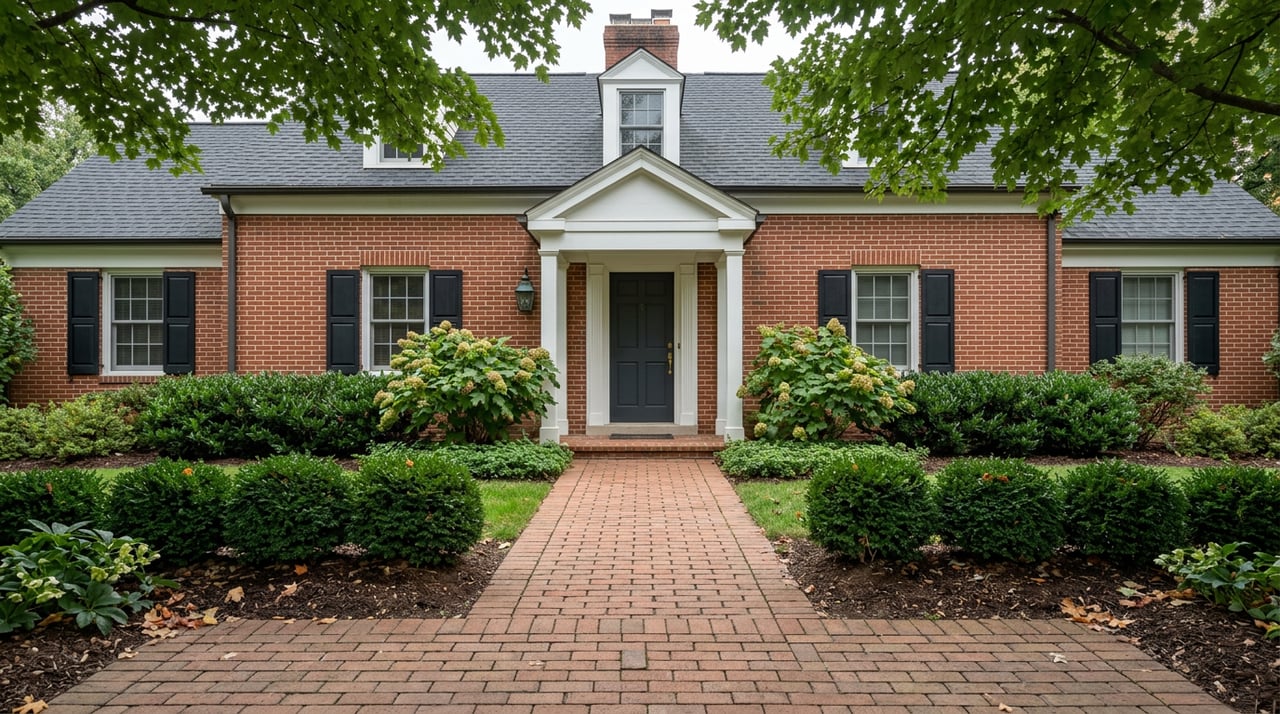
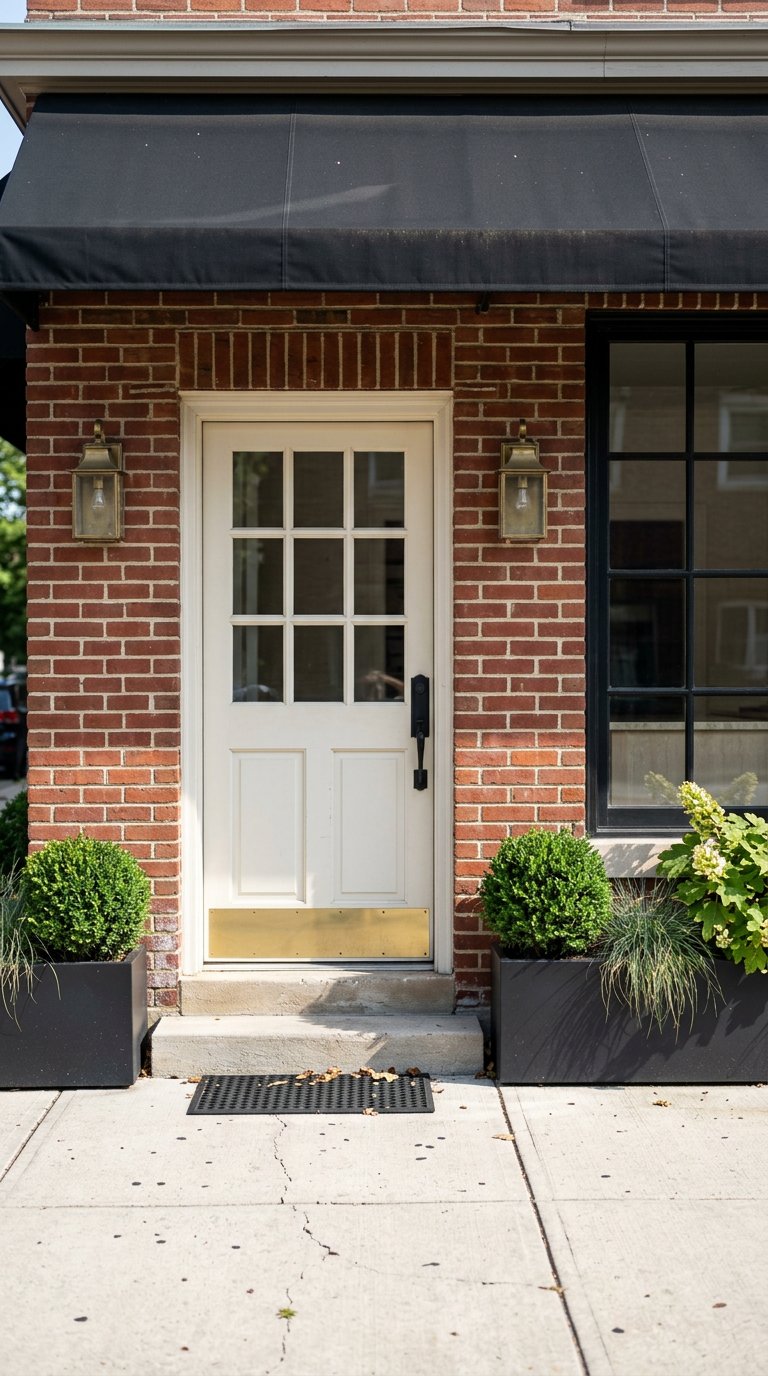
If you want a true village feel, look at homes within the Town of Clifton and the historic district. Lots are compact, houses sit closer to the street, and you can walk to shops, restaurants, and community events. Expect limited yard size, shorter driveways, and occasional parking constraints. Renovation-minded buyers often target this pocket to blend charm with modern systems over time.
Semi-rural and estate parcels
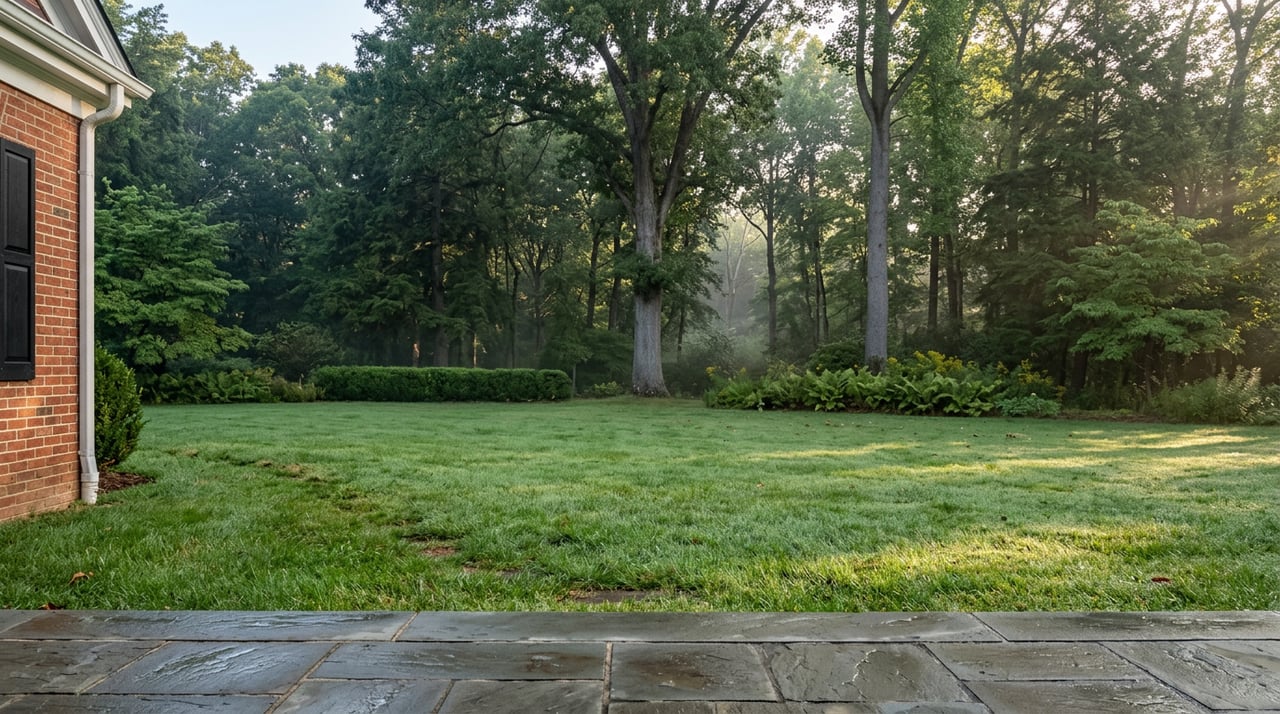
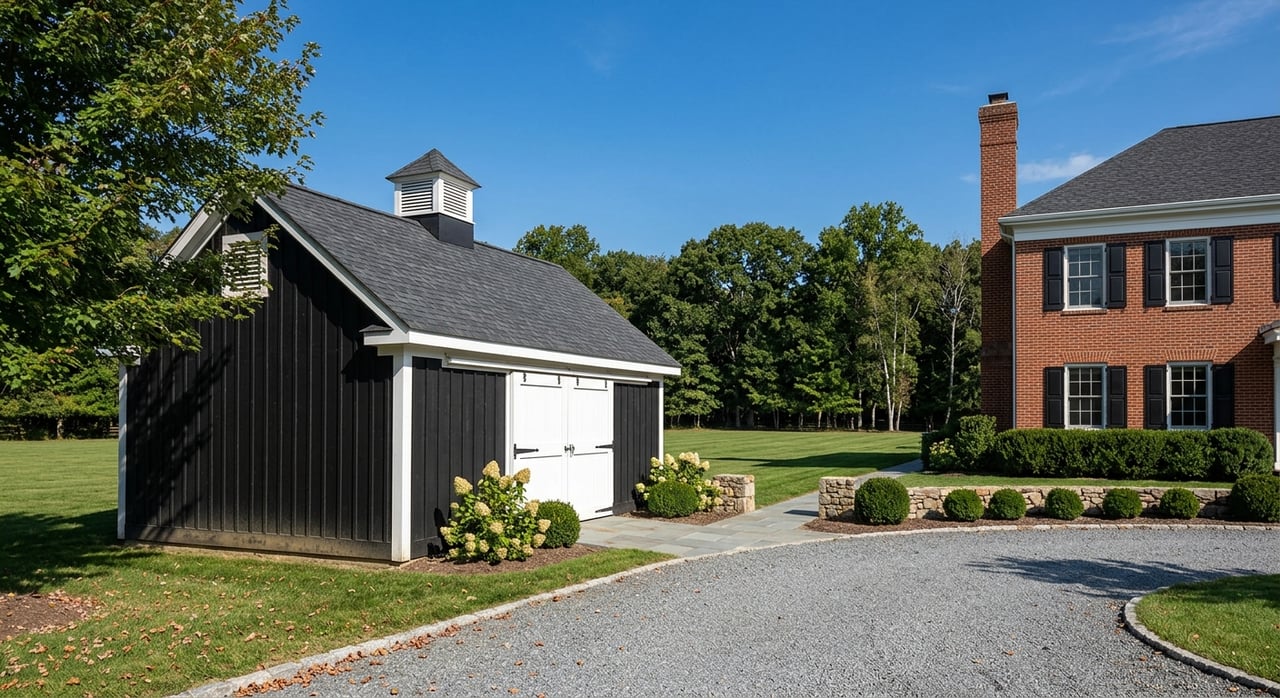
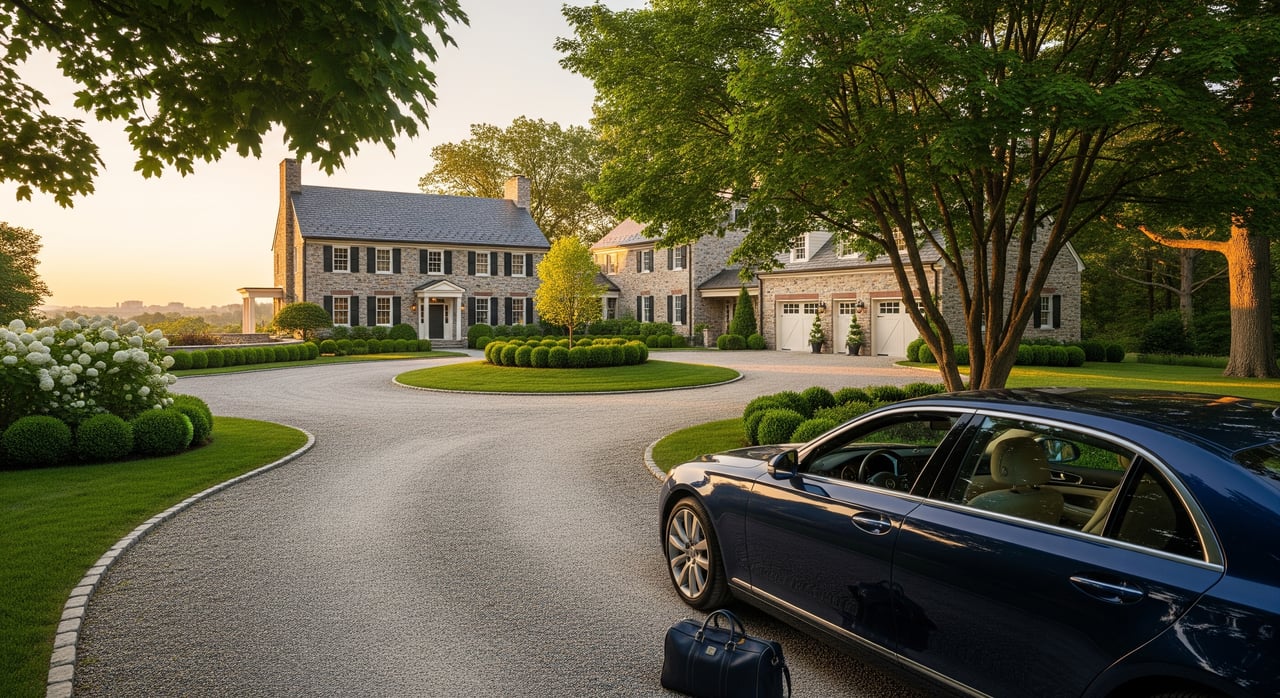
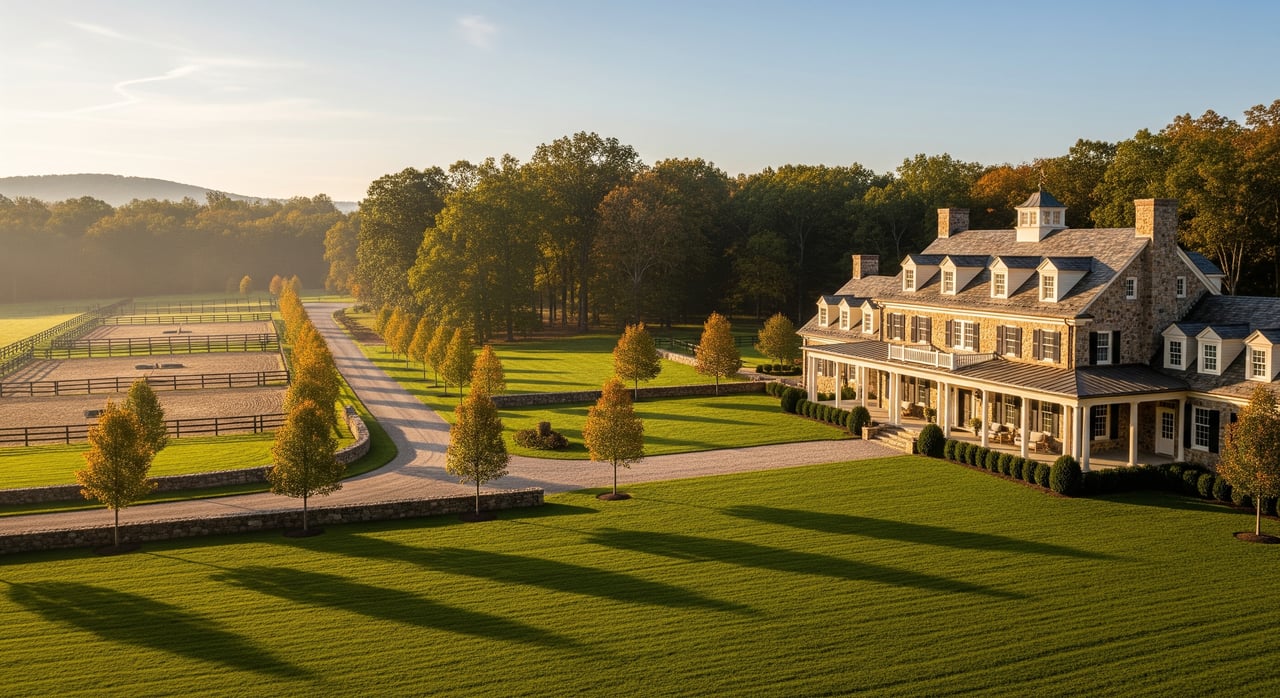
Step outside town and you’ll find larger wooded parcels along roads like Clifton, Chapel, Henderson, Yates Ford, and Union Mill. Many properties span several acres and may include stream corridors or equestrian use. Privacy is excellent, and there’s room for outdoor amenities like pools, barns, or detached garages. In exchange, plan for more landscape maintenance and, on many parcels, private well and septic systems.
Subdivisions and planned communities
Prefer neighborhood amenities and more modern systems? Subdivisions identified with a Clifton mailing address, such as the established Little Rocky Run area and nearby planned communities, offer typical suburban lots, community pools and courts, and convenient sidewalks and trails. Fairfax County planning materials identify Little Rocky Run as a major local community with multiple recreation facilities and connections to nearby schools and parks. For context on area park access, see the Braddock Park planning document.
Home styles you will see
Village homes in town
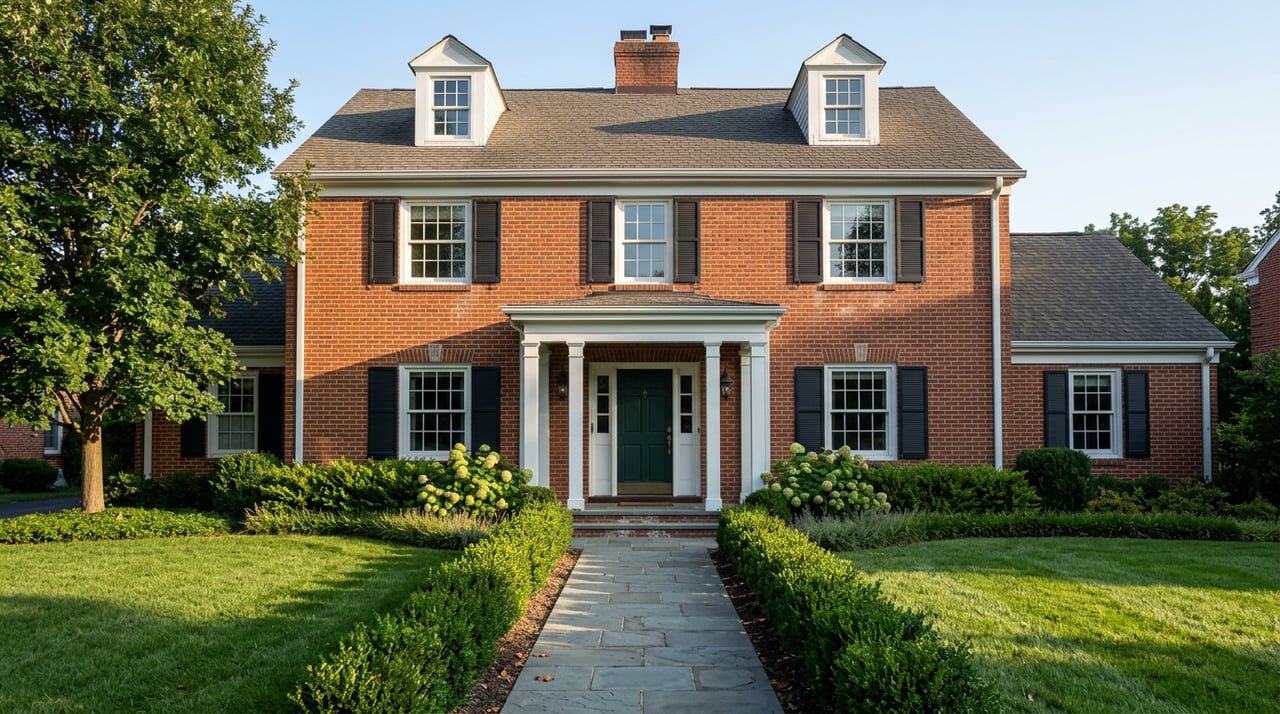
In the historic district, you’ll see late-19th and early-20th-century vernacular wood-frame houses, cottages, and Victorian-influenced forms. Expect front porches, picket fences, and period details. Interior layouts may be cozier unless a prior renovation opened walls or expanded the kitchen. Exterior changes may be subject to preservation-minded guidelines given the district’s status. For background, review the state listing for the Clifton Historic District.
Estate and semi-rural homes
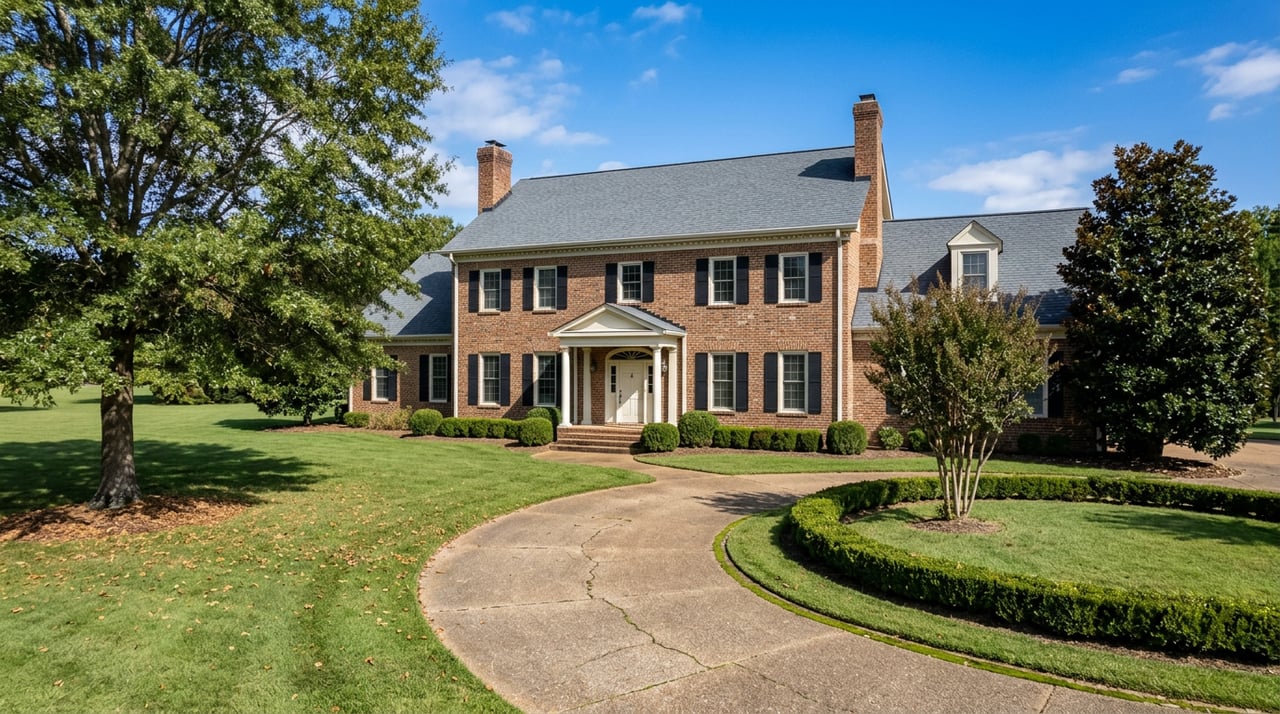
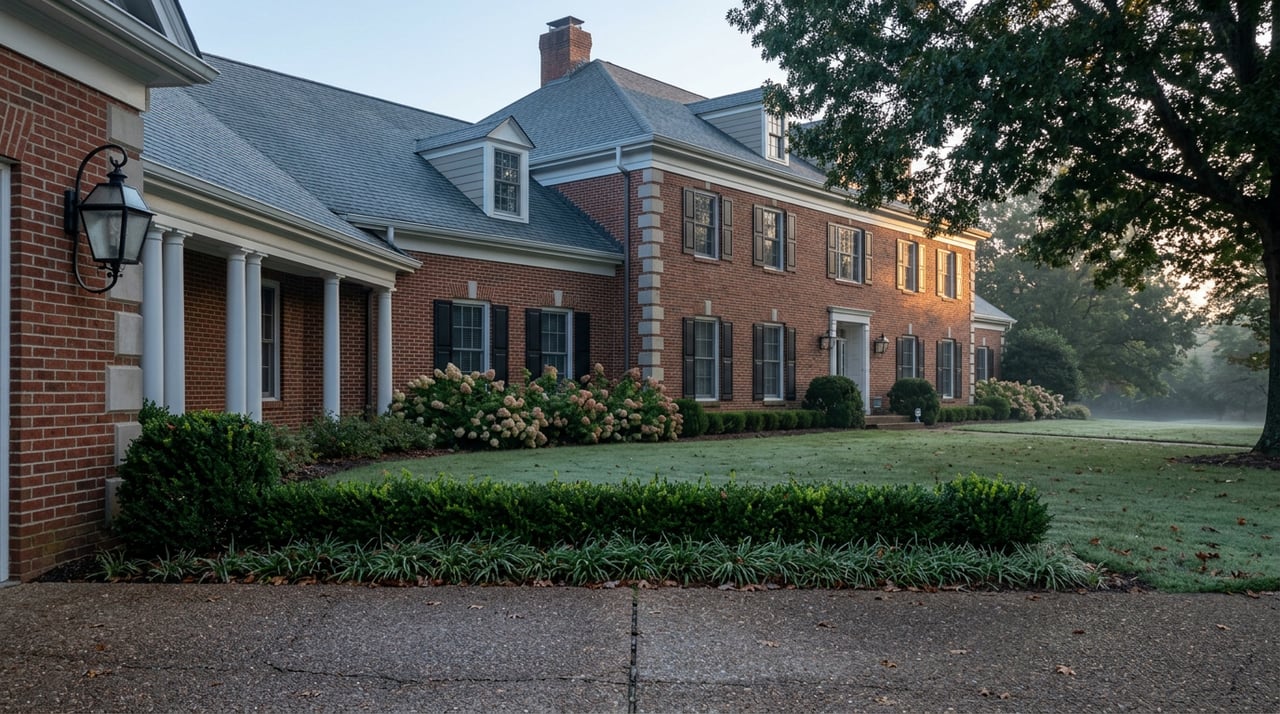
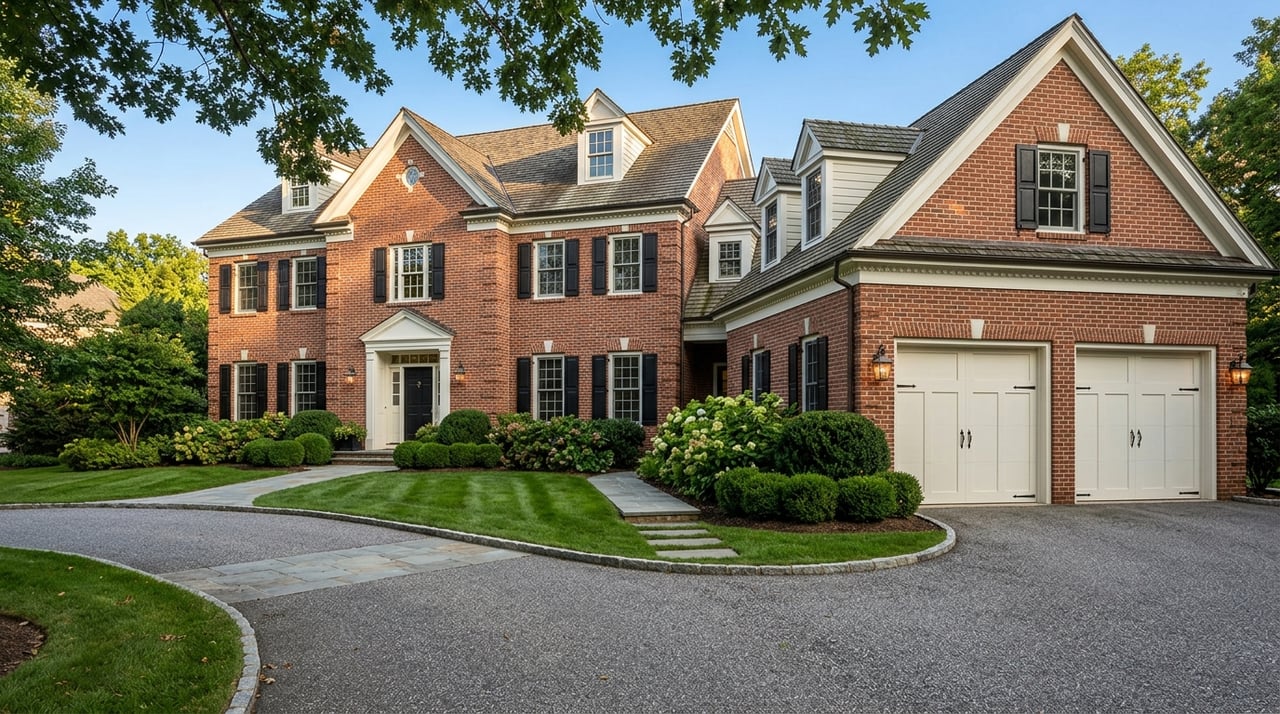
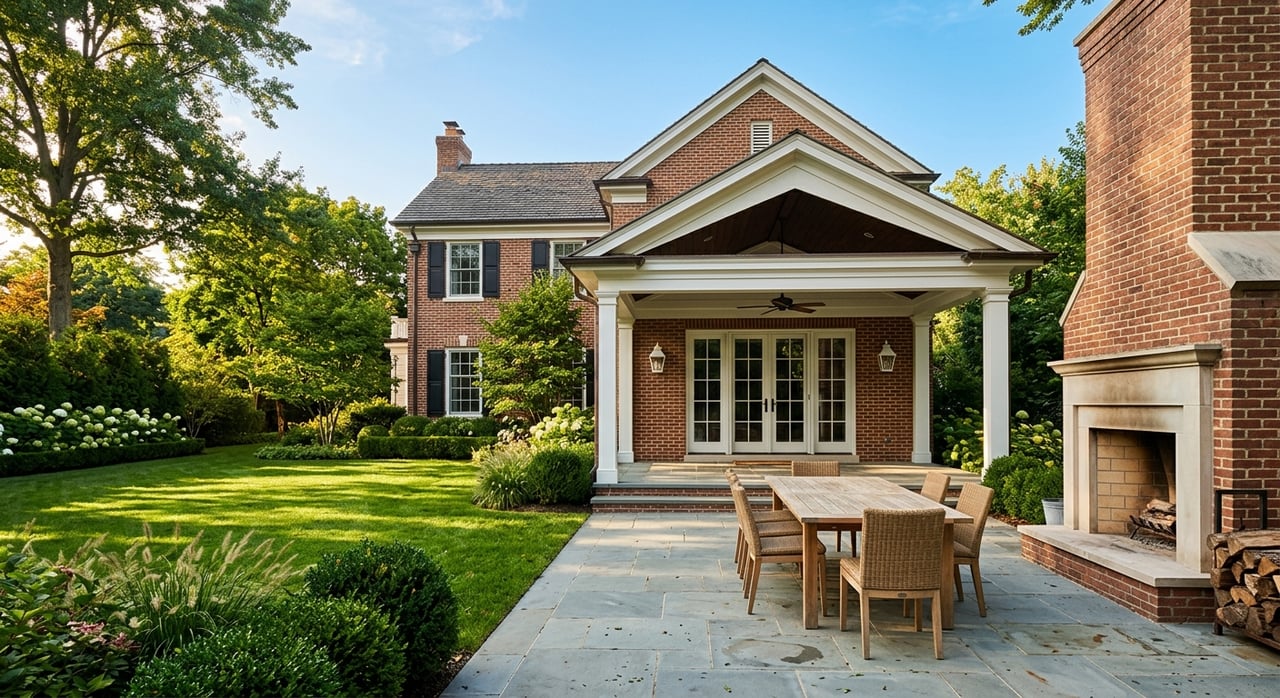
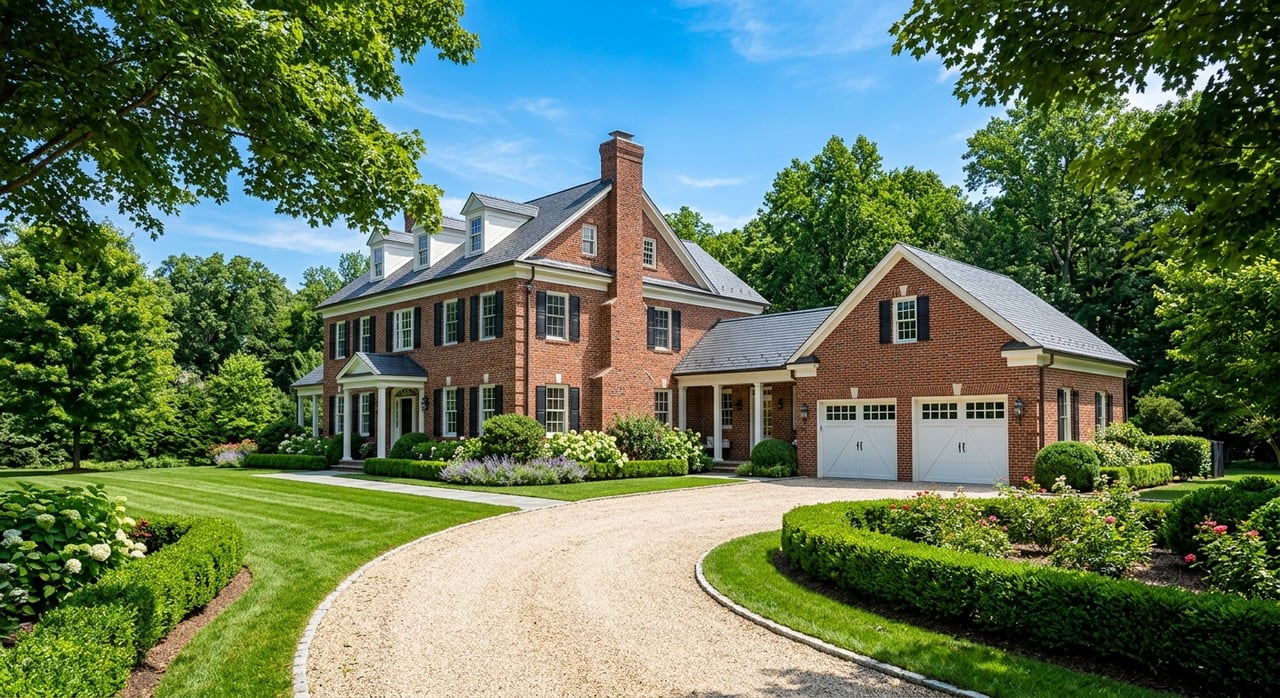
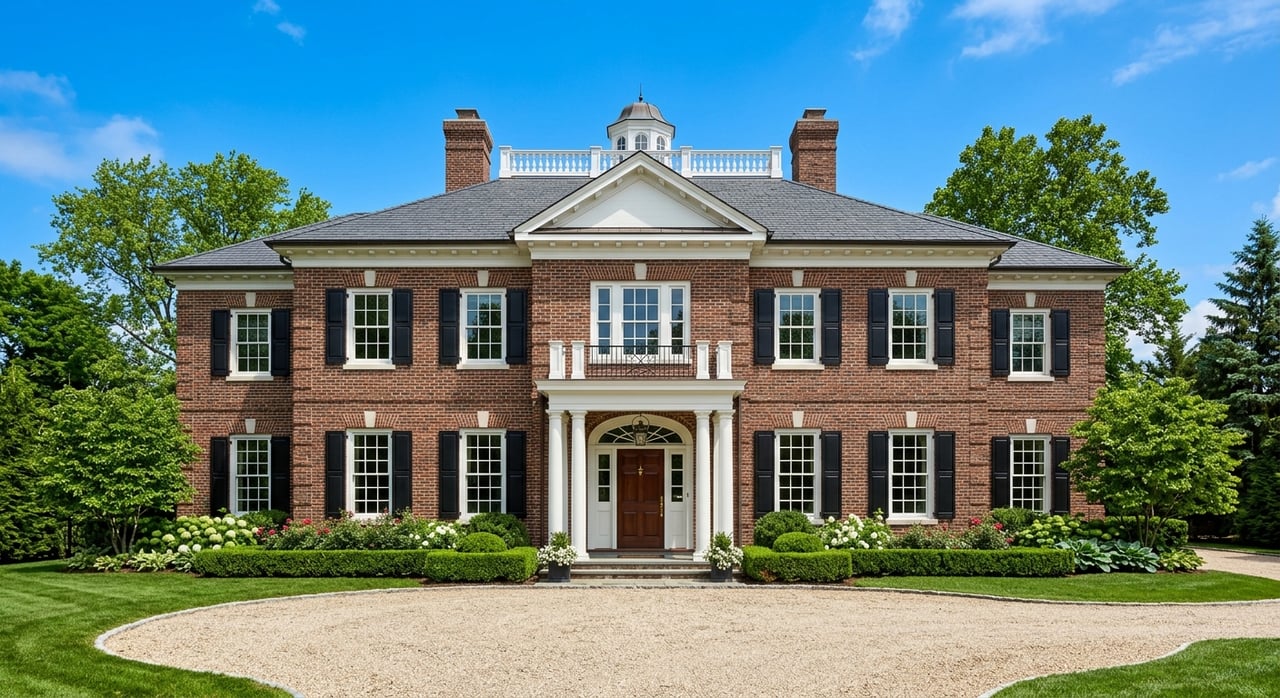
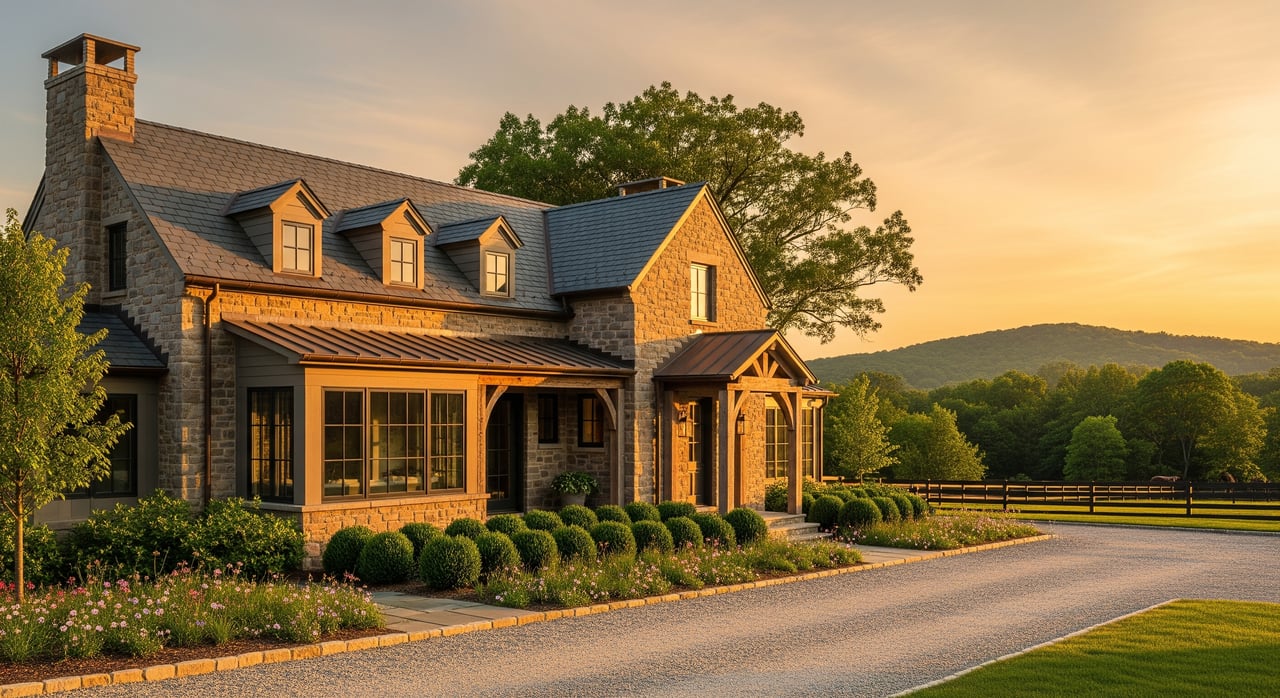
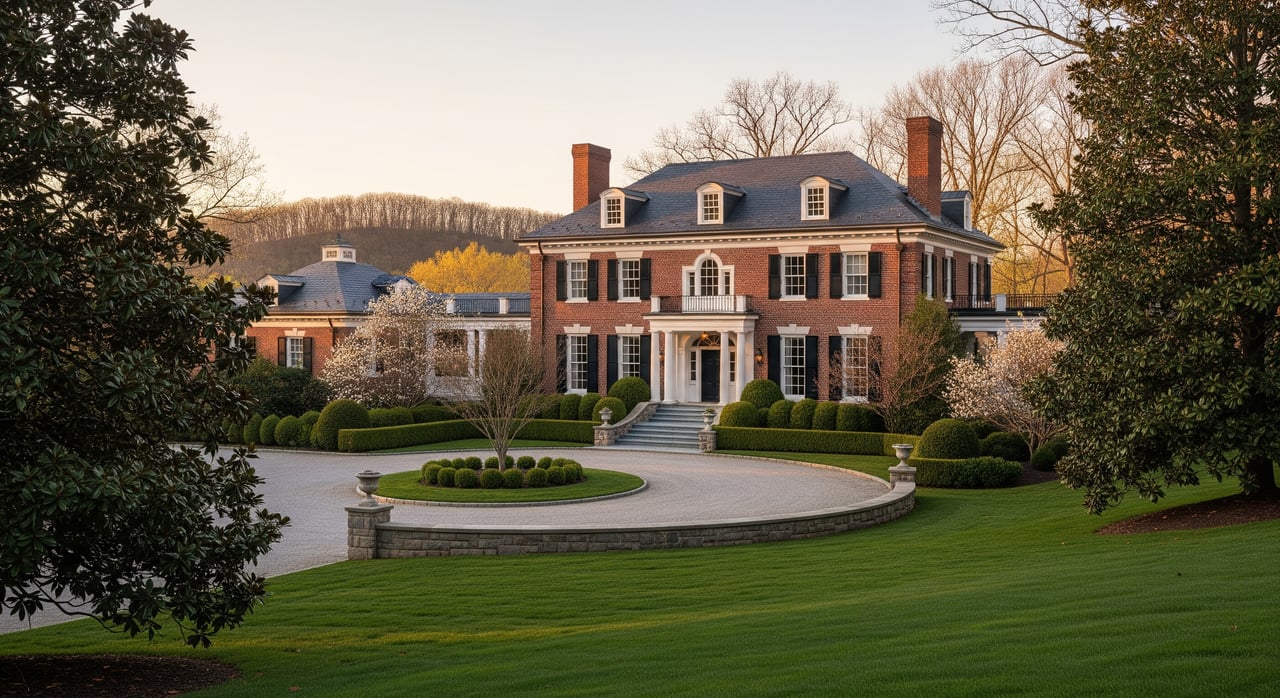
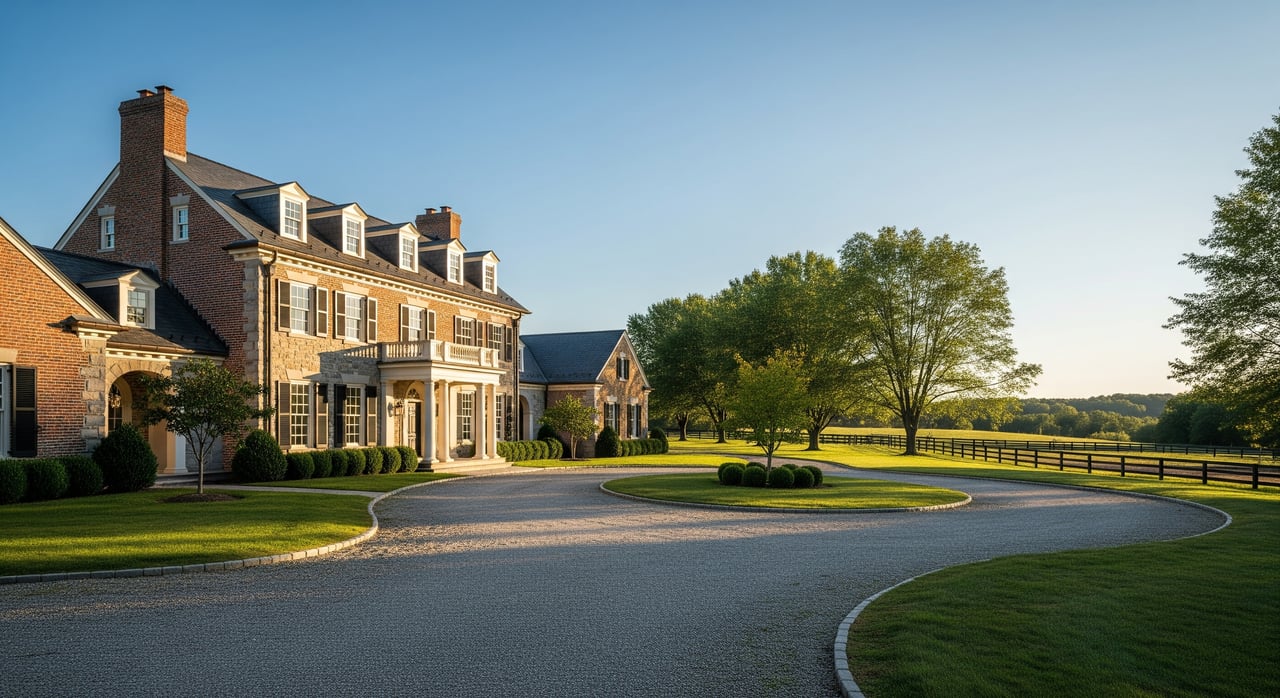
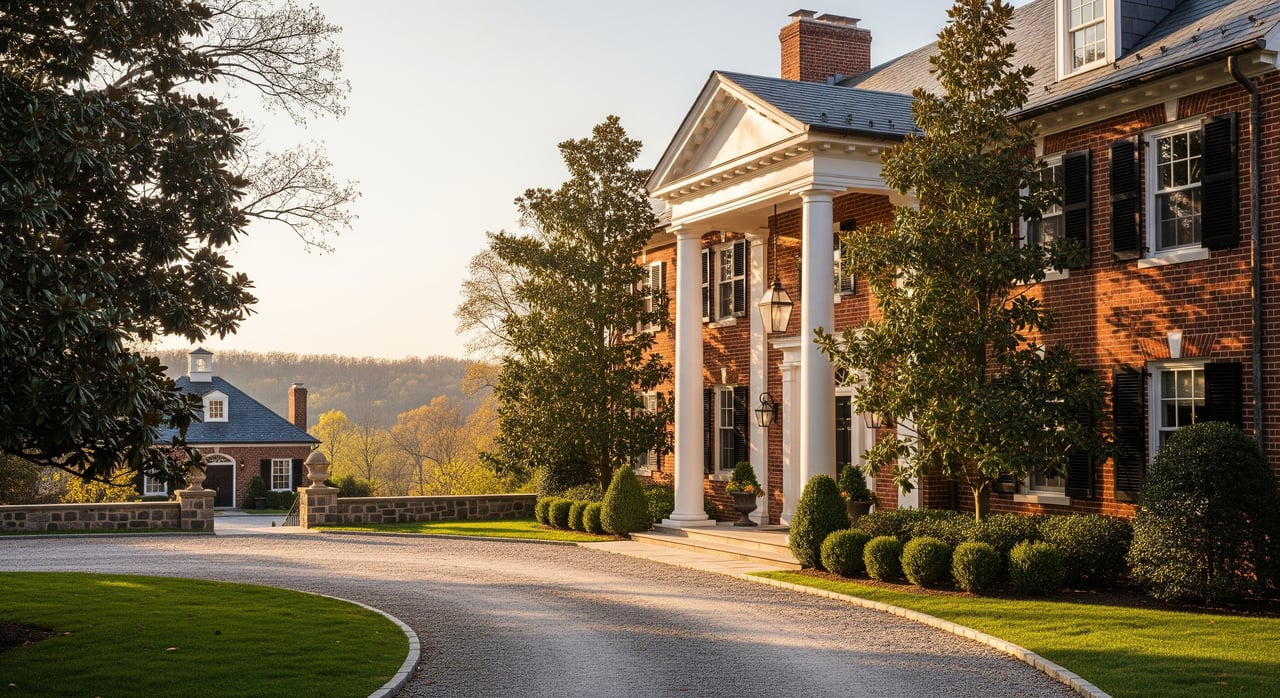
Beyond town, housing ranges from renovated farmhouses and ranches with walkout basements to large custom Colonials and modern estate builds. Many sit on multi-acre wooded lots and may include barns, paddocks, guest spaces, or water features. The setting emphasizes privacy and nature, with architecture and finishes varying by the era of construction and the level of customization.
Suburban planned-community homes
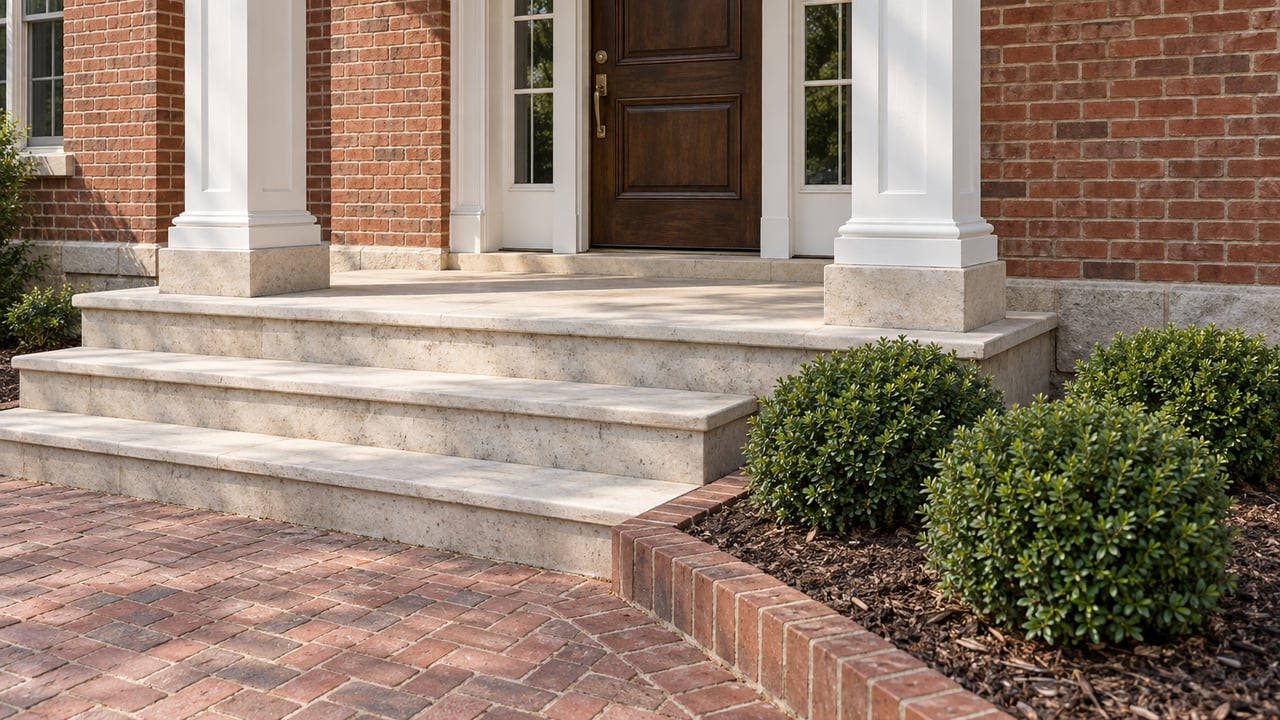
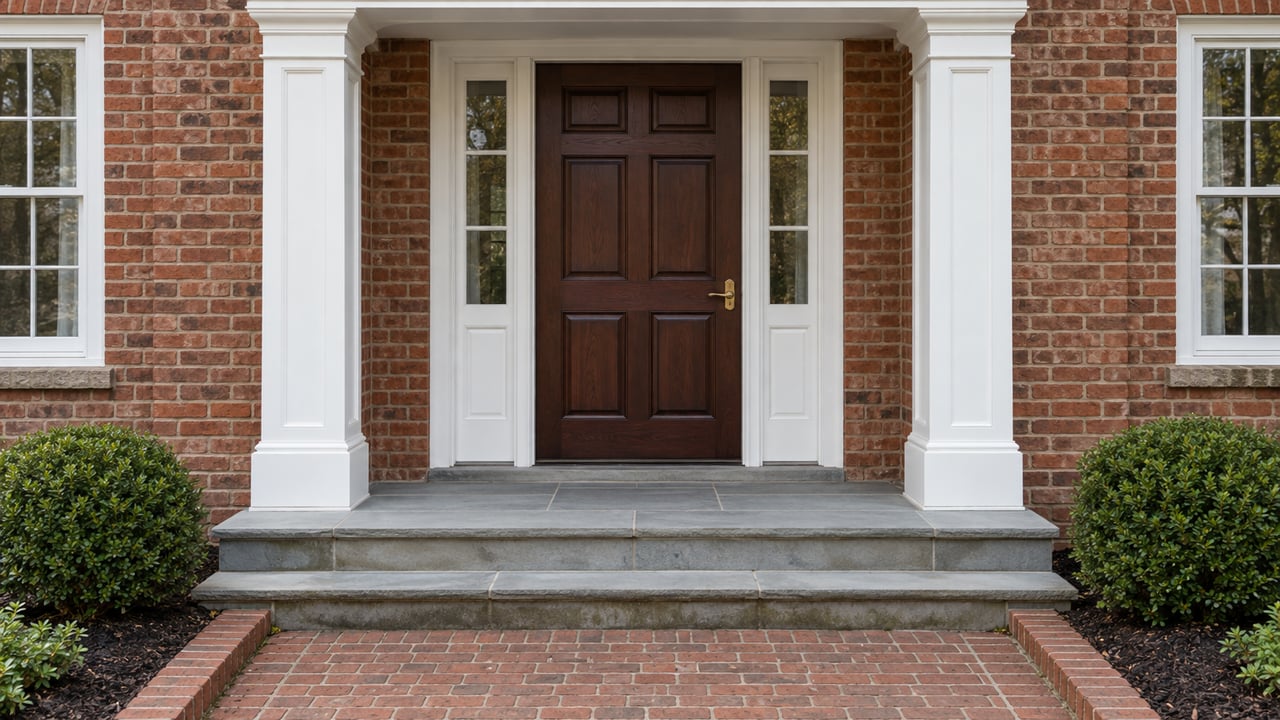
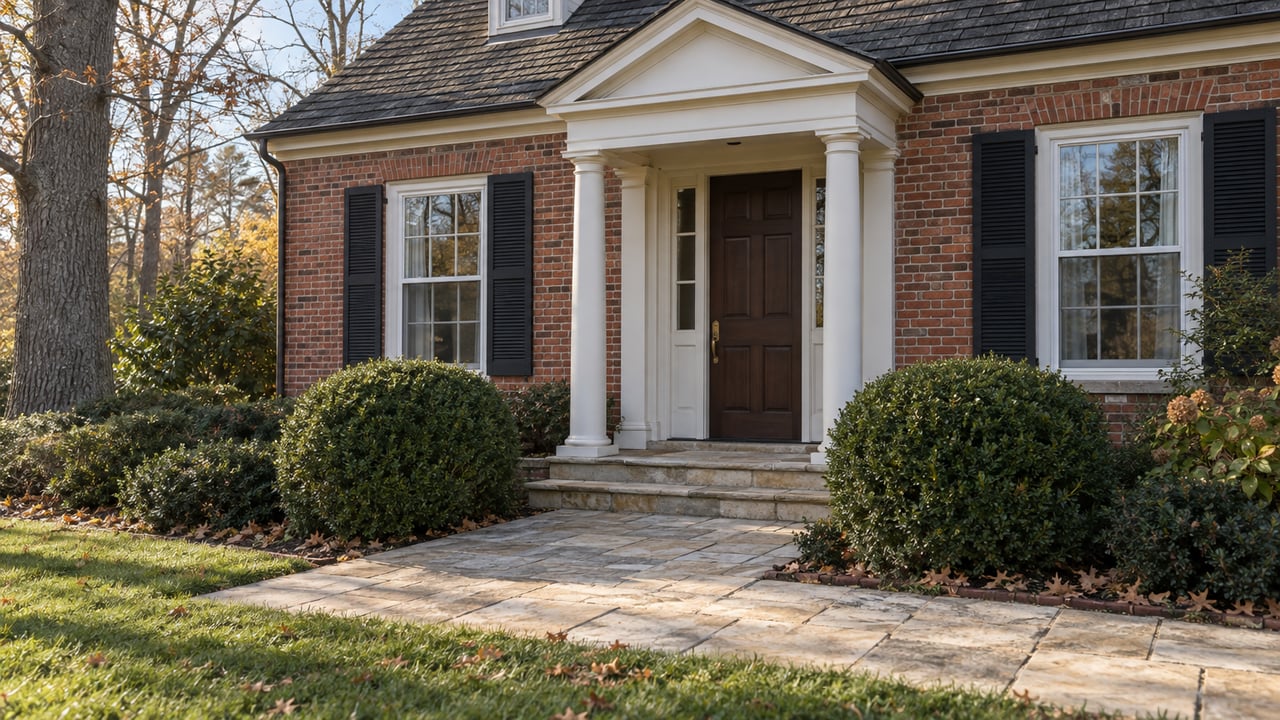
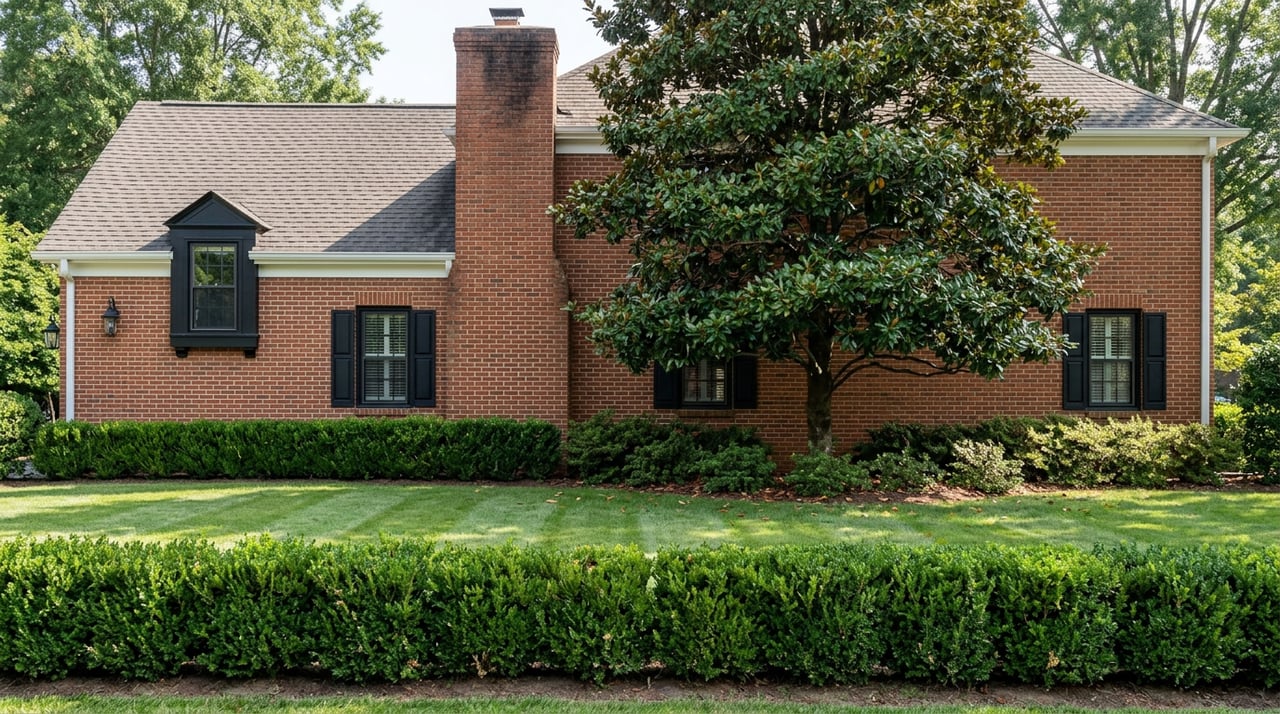
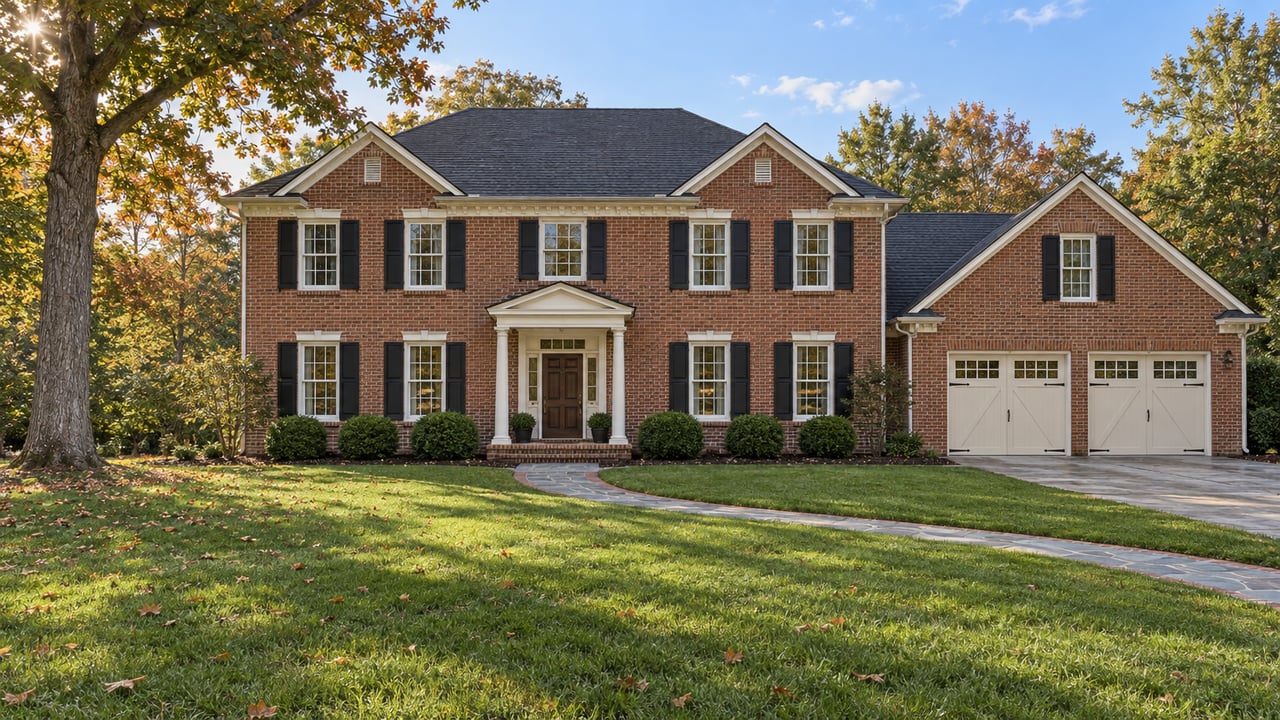
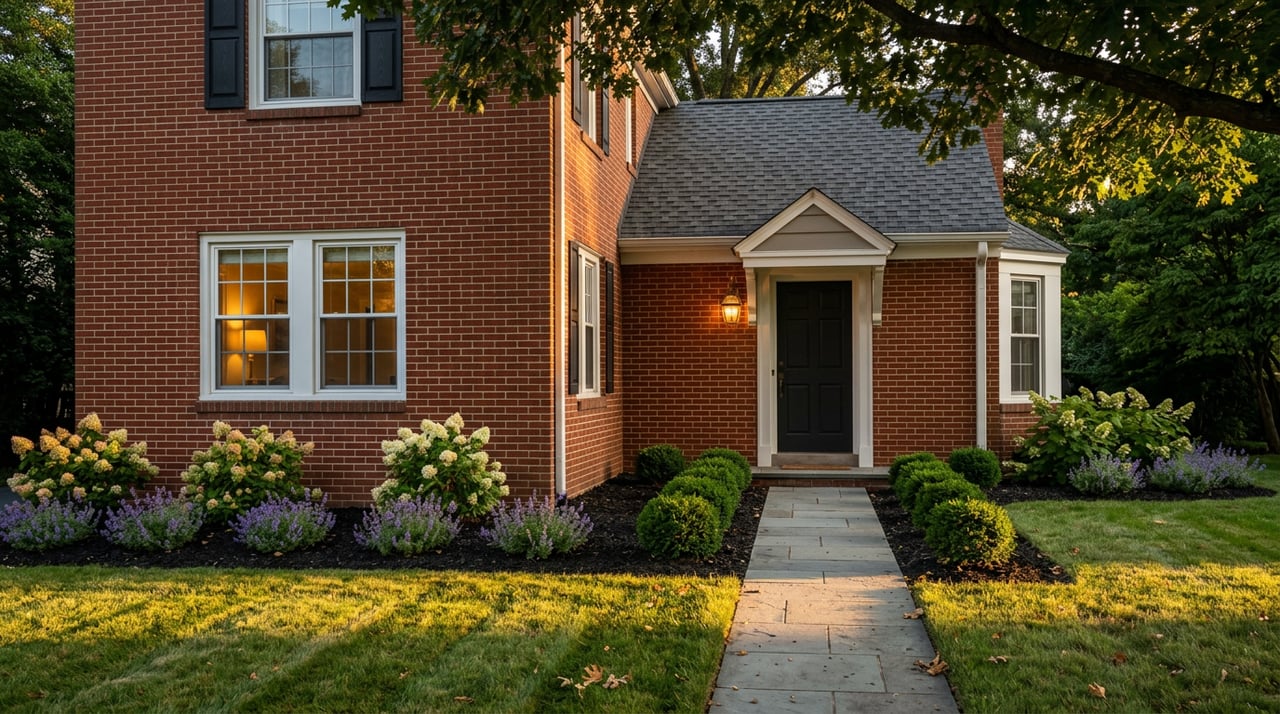
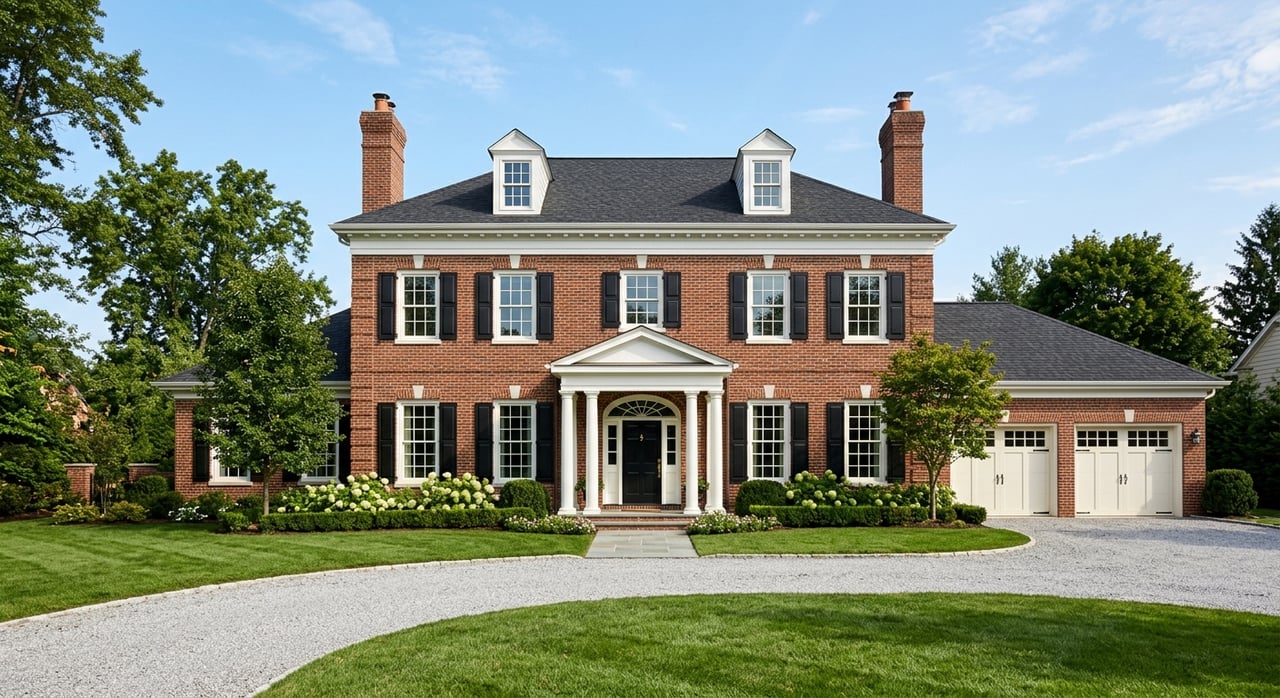
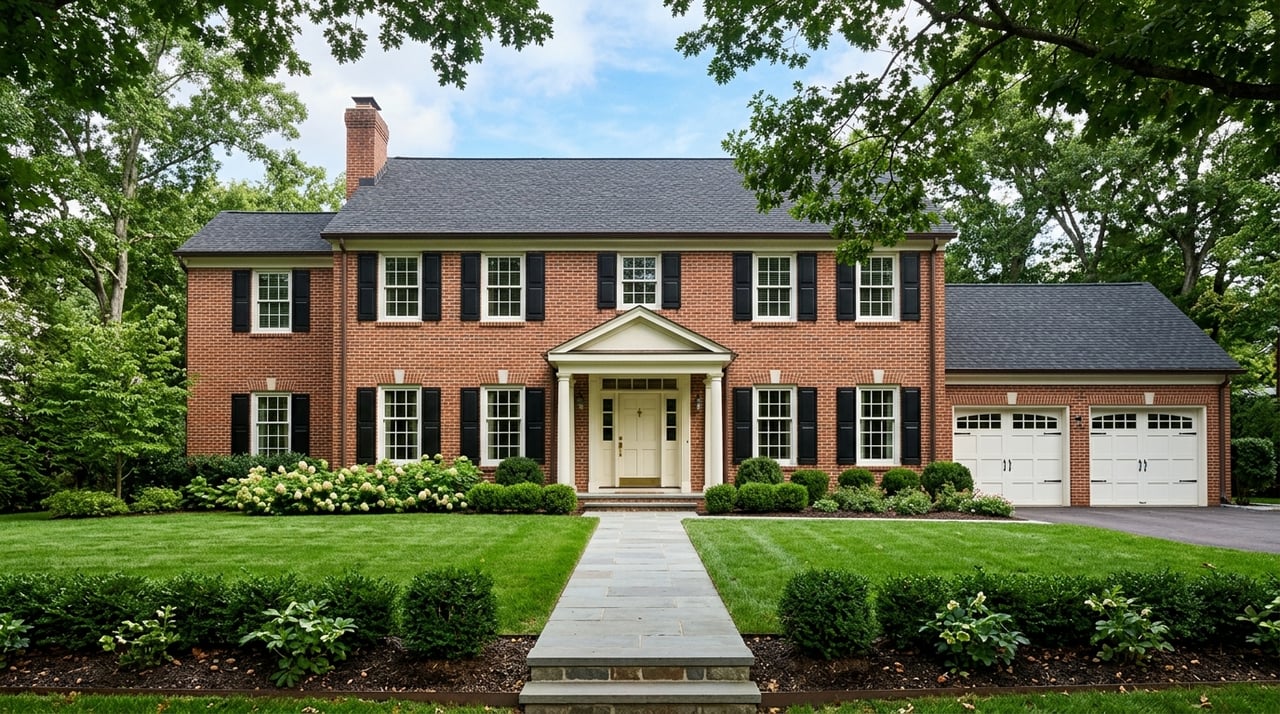
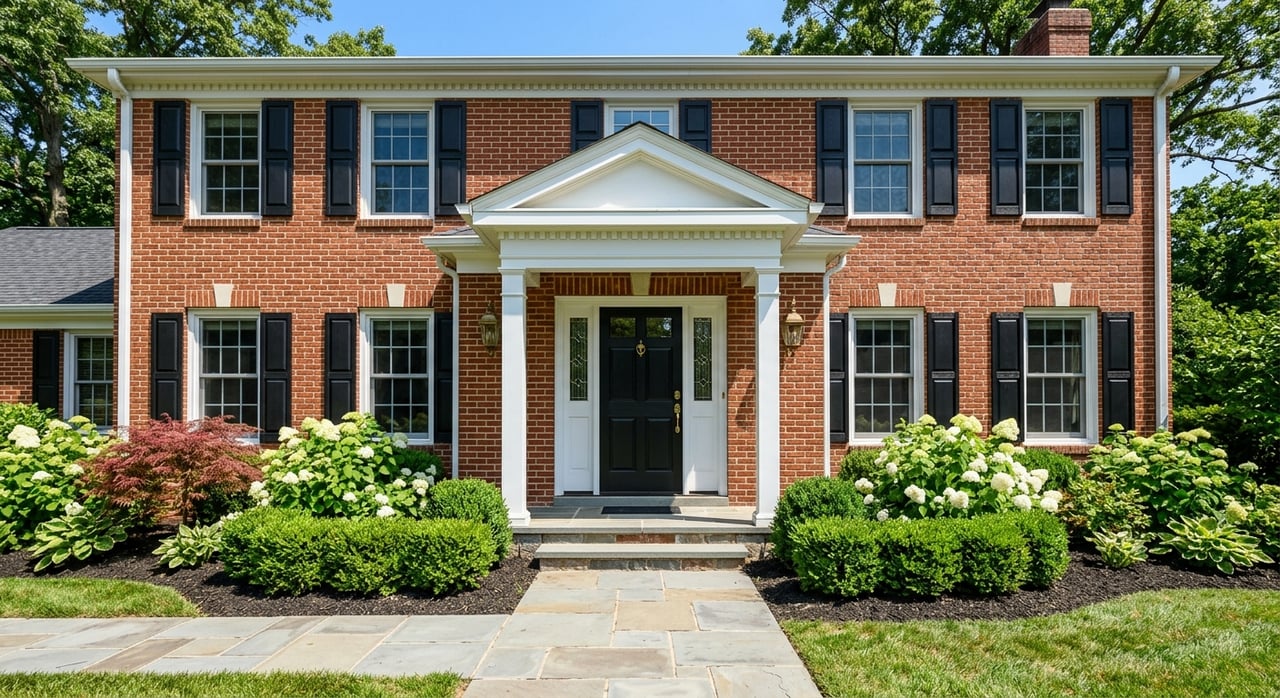
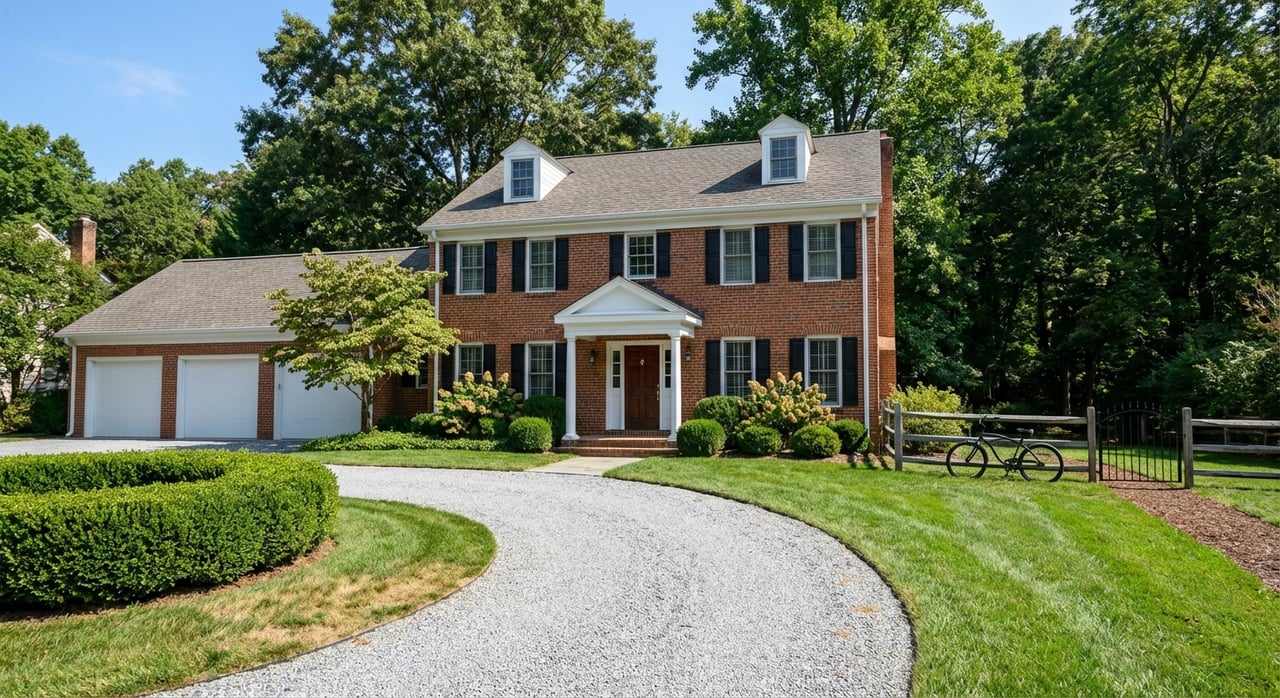
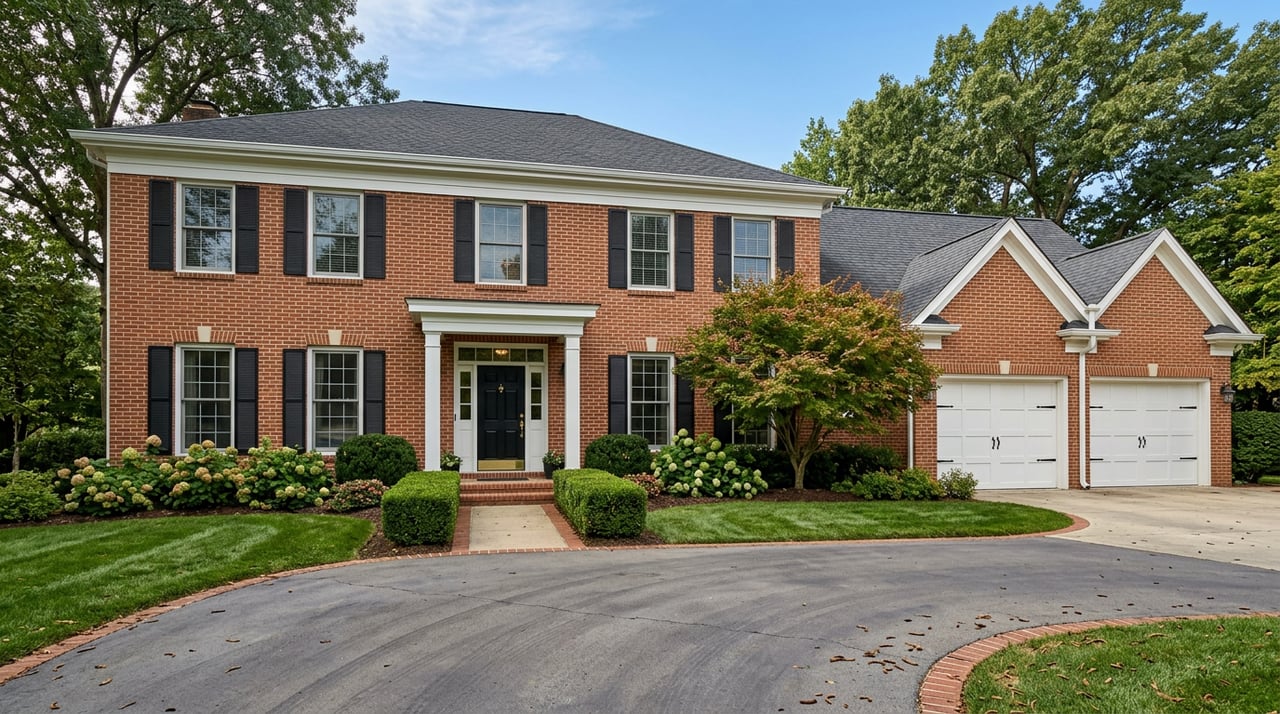
In established subdivisions, you’ll mostly find late-20th-century Colonial and neo-Colonial homes with center-hall plans, 3 to 4 bedrooms, two-car garages, and finished basements. Open-plan kitchens and family rooms are common. These neighborhoods suit buyers who want community amenities, comparatively lower yard maintenance than an estate parcel, and proximity to schools and parks.
Price and lifestyle tradeoffs
Prices in the Clifton postal area vary by lot size, age, and finish. Recent examples show village homes and smaller lots in the mid six-figure range, many subdivision homes in the high six to low seven figures, and custom estates on multi-acre parcels regularly over one million. A February 2026 ZIP-level snapshot for 20124 estimated a median near 946,000 dollars, but ZIP medians swing month to month. Always use recent MLS comps for your exact micro-neighborhood.
- Privacy vs. proximity: Acreage buys quiet and space, but adds drive time for shopping, schools, and commuting. In-town living trades yard size for walkability and character.
- Maintenance: Multi-acre parcels add tree, driveway, and drainage upkeep. Older historic homes may need upgrades to HVAC, electrical, plumbing, insulation, and windows. Budget a renovation cushion if you value period charm.
- Taxes: Land value influences assessments. To estimate carrying costs, check Fairfax County’s current real estate tax rates by fiscal year.
Utilities, permits, and upkeep
Many semi-rural properties rely on private wells and onsite sewage (septic) systems. Before you buy, verify permits, pump-out history, and any repairs with the Fairfax County Environmental Health office. Start with the county’s page on sewage and drinking water systems. In subdivisions, you’re more likely to find public water and sewer, but always confirm at the address level.
Site conditions matter in Clifton. Stream corridors and floodplains appear across the area. Review county GIS and FEMA flood maps and plan insurance accordingly. If you are evaluating a specific parcel, pull a Fairfax County Parcel Info report to check recorded acreage, zoning, and plan sector.
Schools, parks, and commuting
School assignments in Fairfax County are address-specific and can change. Do not assume a particular pyramid based on a neighborhood name. Confirm current assignments using the FCPS Schools and Centers lookup.
Parks and trails are a major draw, especially near Little Rocky Run and Braddock Park. Planning documents show multiple recreation facilities and connections that support daily fitness and youth sports. For commuting, note that the Clifton station hosts limited/seasonal rail activity, while regular VRE and Amtrak service runs from nearby stations such as Burke Centre and Manassas. For context on the local stop, see the Clifton VRE station page. Expect a car-dependent lifestyle for most daily trips.
How to choose your fit
- Choose the village core if you value walkability, historic charm, and community events, and you are comfortable with smaller lots and potential renovation projects.
- Choose a semi-rural parcel if privacy, acreage, and outdoor amenities are top priorities, and you are prepared for well and septic stewardship plus landscape maintenance.
- Choose a planned community if you want amenities, modern systems, and easier upkeep, with straightforward access to parks and schools.
What to verify before you write an offer
- Parcel records: Confirm acreage, zoning, plan sector, and any easements in Fairfax County Parcel Info.
- Water and wastewater: For well and septic properties, review permits, draw locations, and maintenance with the county’s sewage and water resources.
- Schools: Use the FCPS boundary tools for address-specific assignments.
- Taxes: Estimate carrying costs with current real estate tax rates.
- Flood and drainage: Check FEMA flood zones and county floodplain layers; evaluate gutters, grading, and culverts during inspections.
- HOA and amenities: In subdivisions, confirm HOA fees, amenity access, and rules that could affect your plans.
- Renovation and historic review: For in-town projects, consult the Town of Clifton and state historic guidance to understand exterior change procedures. The town site and the state register listing provide helpful context.
Work with a local team
Clifton offers a rare mix of village charm, wooded privacy, and suburban convenience. The key is matching your lifestyle, budget, and maintenance comfort to the right pocket. If you want address-level guidance on pricing, utilities, inspections, and contract strategy, reach out to the Amanda Jones Team. We combine hyperlocal expertise with full-service buyer representation to help you land the right home with confidence.
FAQs
What is the difference between the Town of Clifton and the Clifton mailing area?
- The Town of Clifton is a small incorporated core with a historic district and walkable Main Street, while the broader Clifton mailing area includes surrounding semi-rural parcels and subdivisions in Fairfax County.
Are there special rules for renovating homes in Clifton’s historic district?
- Exterior changes in the historic district may be subject to preservation-minded guidelines; start with the Town of Clifton site and the state listing for the Clifton Historic District to understand expectations before planning work.
Will my Clifton property have public water and sewer?
- Many semi-rural properties use private well and septic systems, while subdivisions more often have public utilities; verify at the address level and consult Fairfax County Environmental Health records.
How much do Clifton homes cost and what drives price?
- Prices vary by lot size, age, and finish; village homes can be mid six figures, many subdivisions run high six to low seven figures, and multi-acre estates often exceed one million, so rely on recent MLS comps for your street.
What are commuting options from Clifton?
- The Clifton station has limited or seasonal activity; regular VRE and Amtrak service runs from nearby stations like Burke Centre and Manassas, so most residents plan for car-based daily commuting.