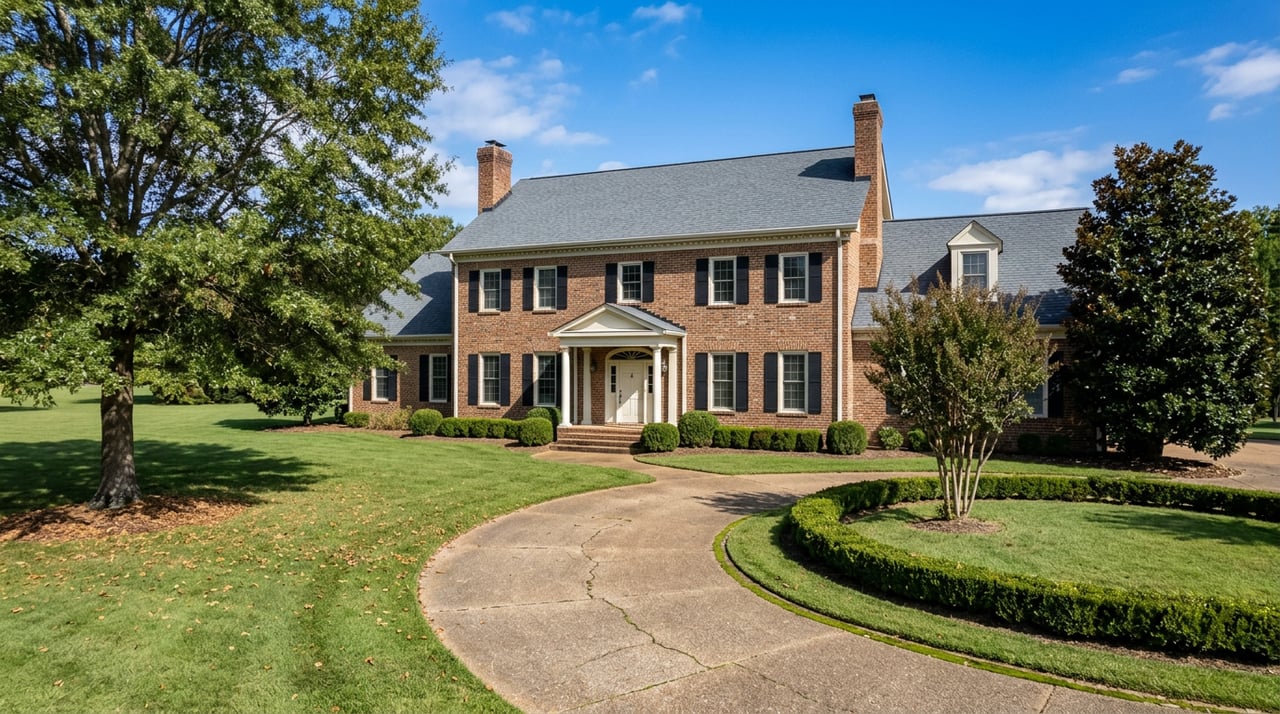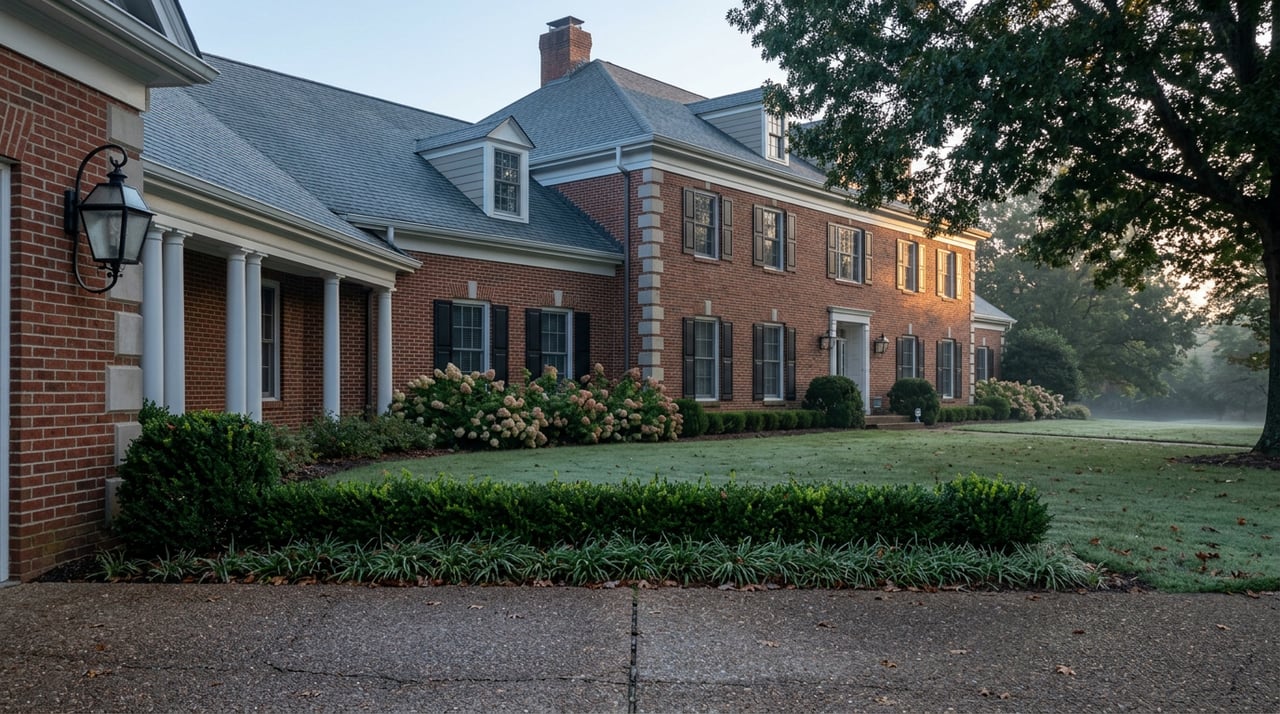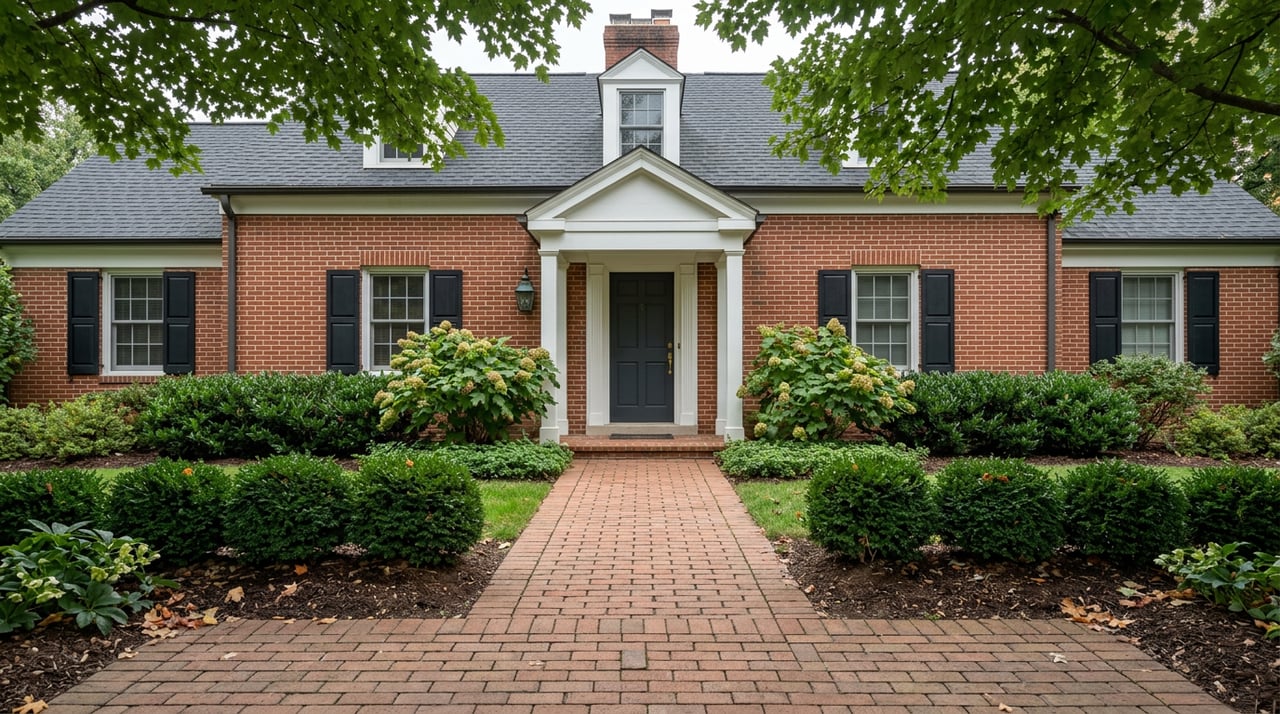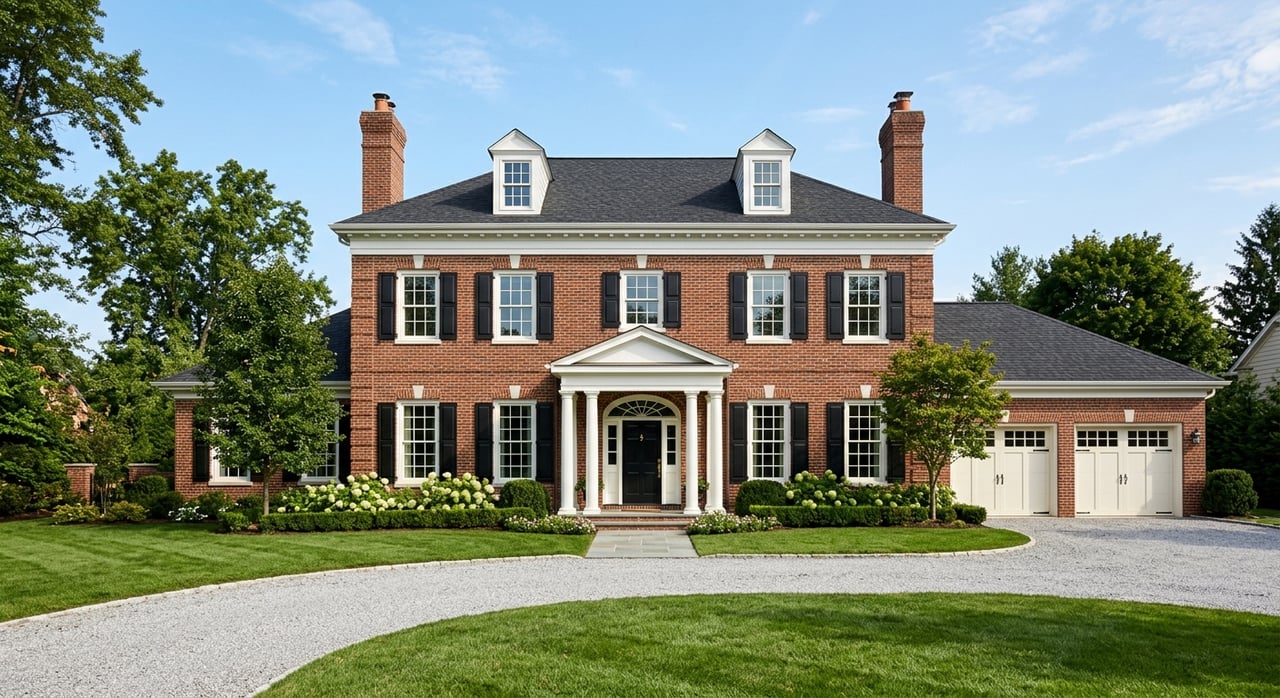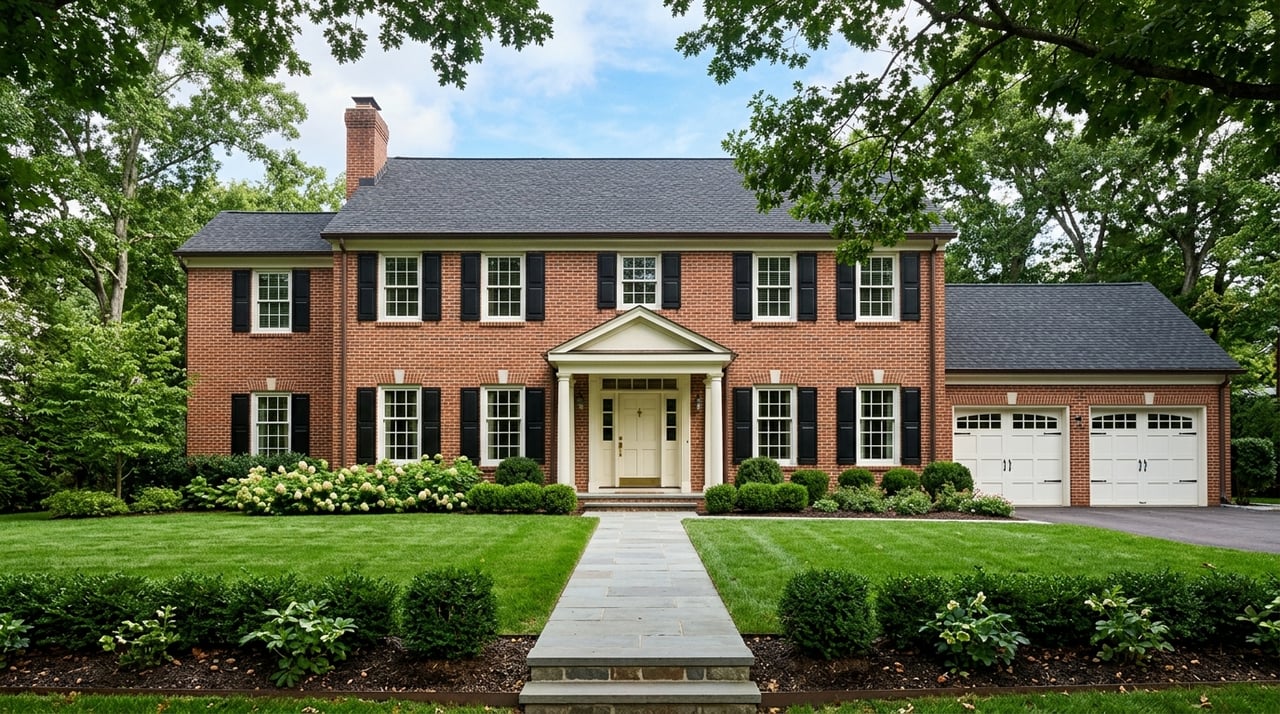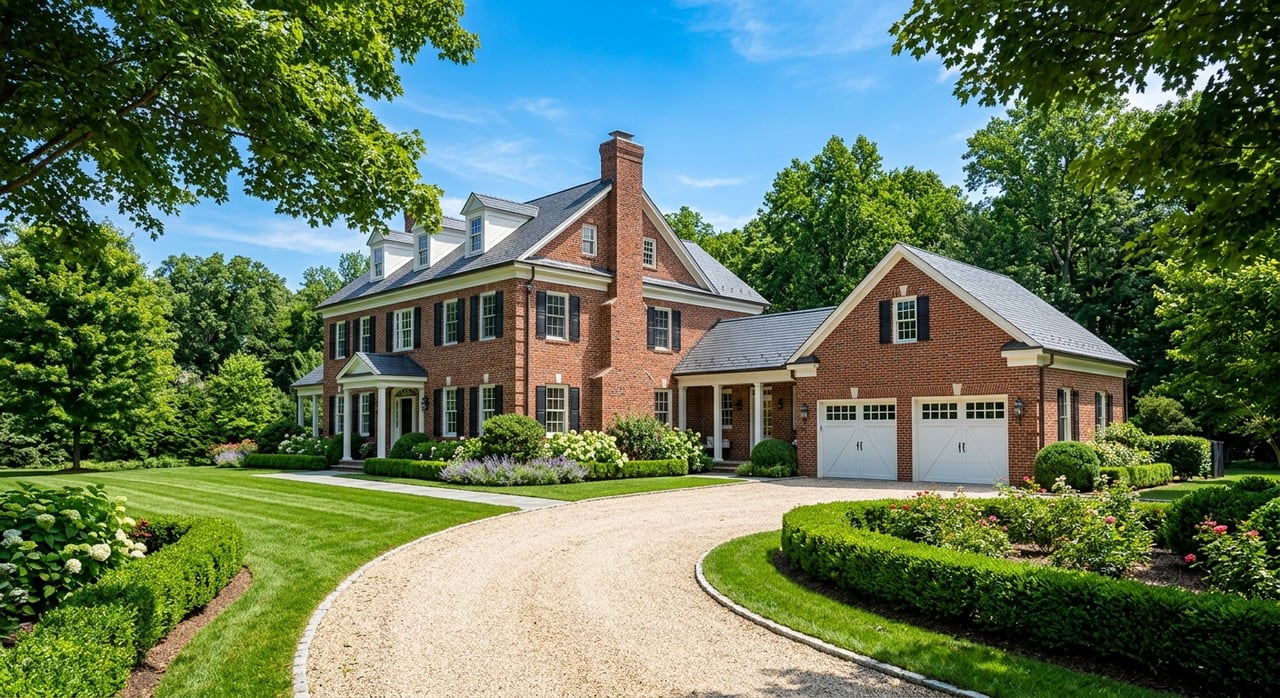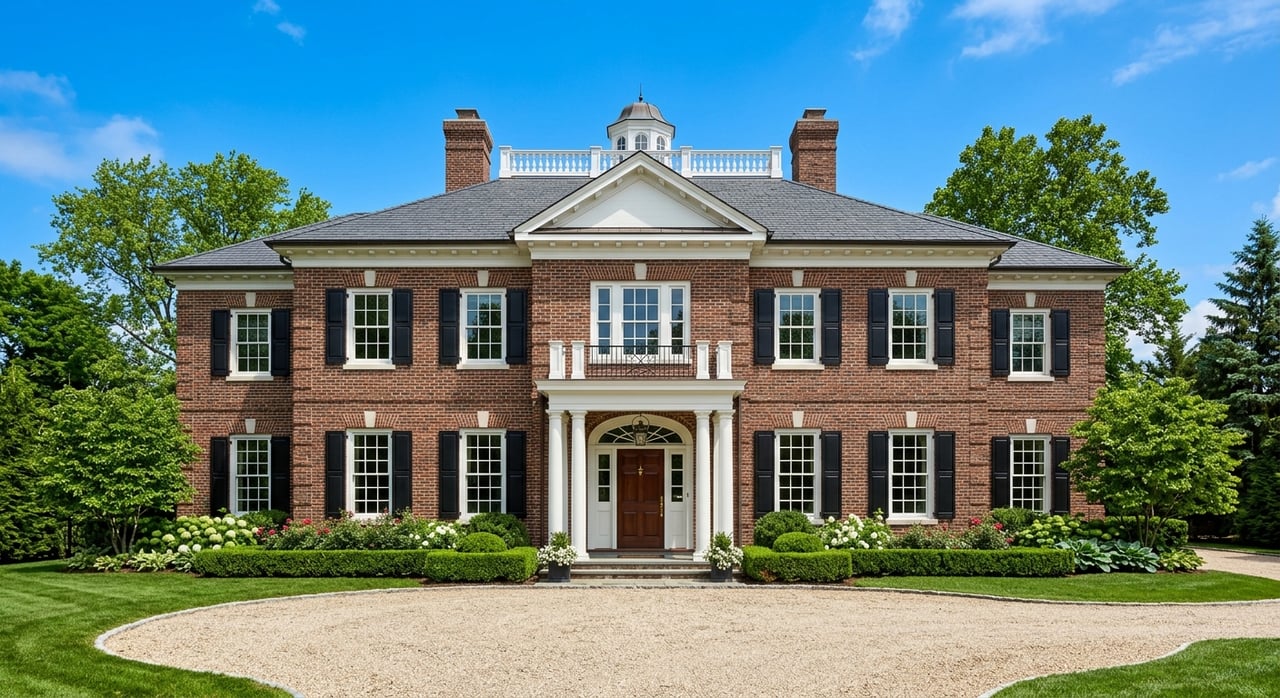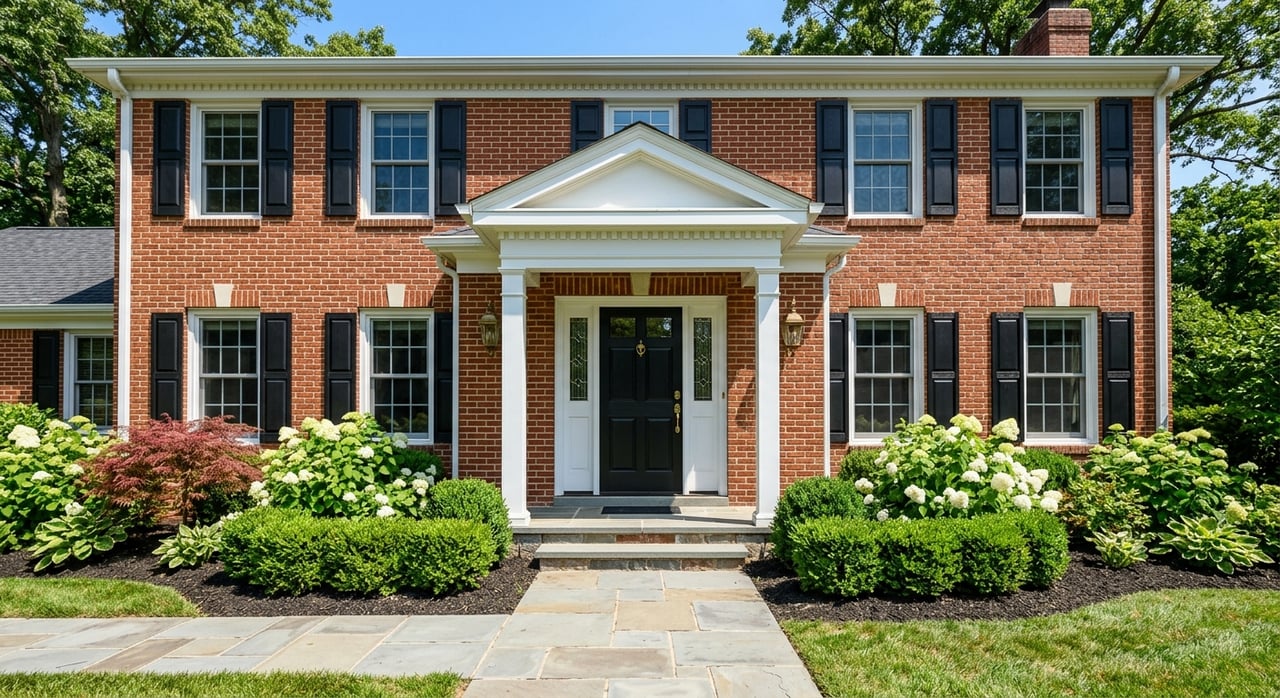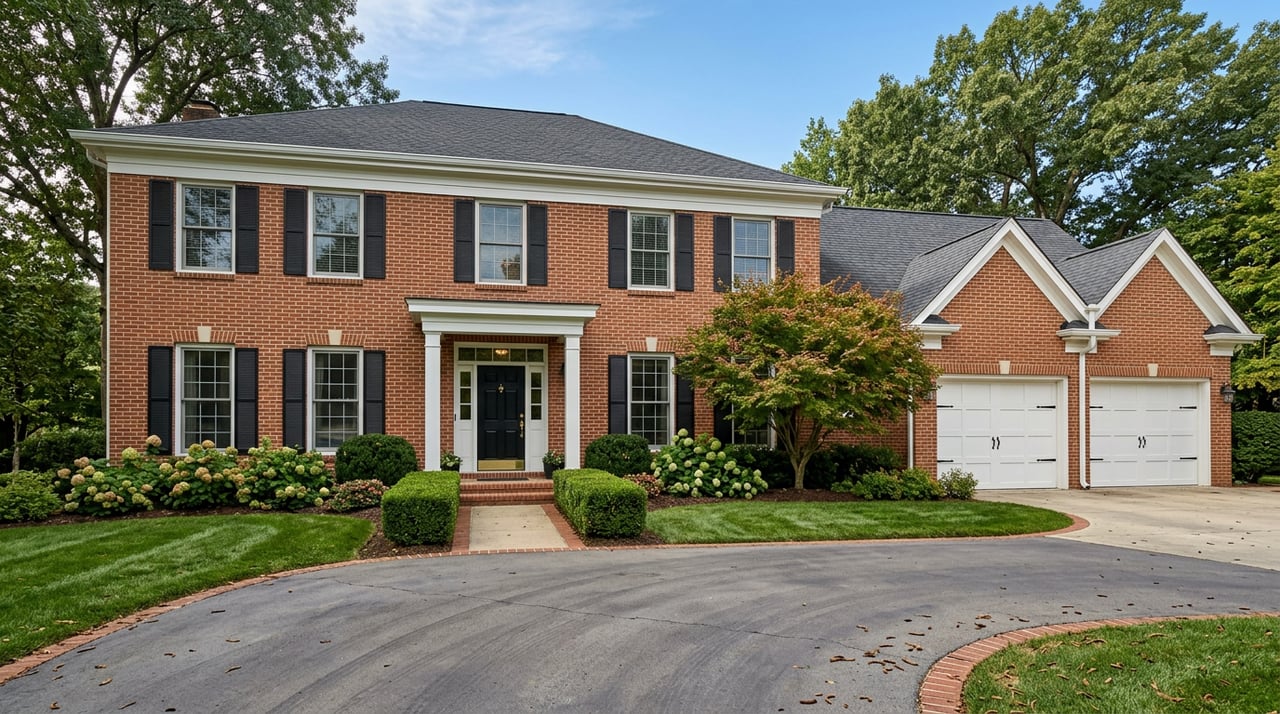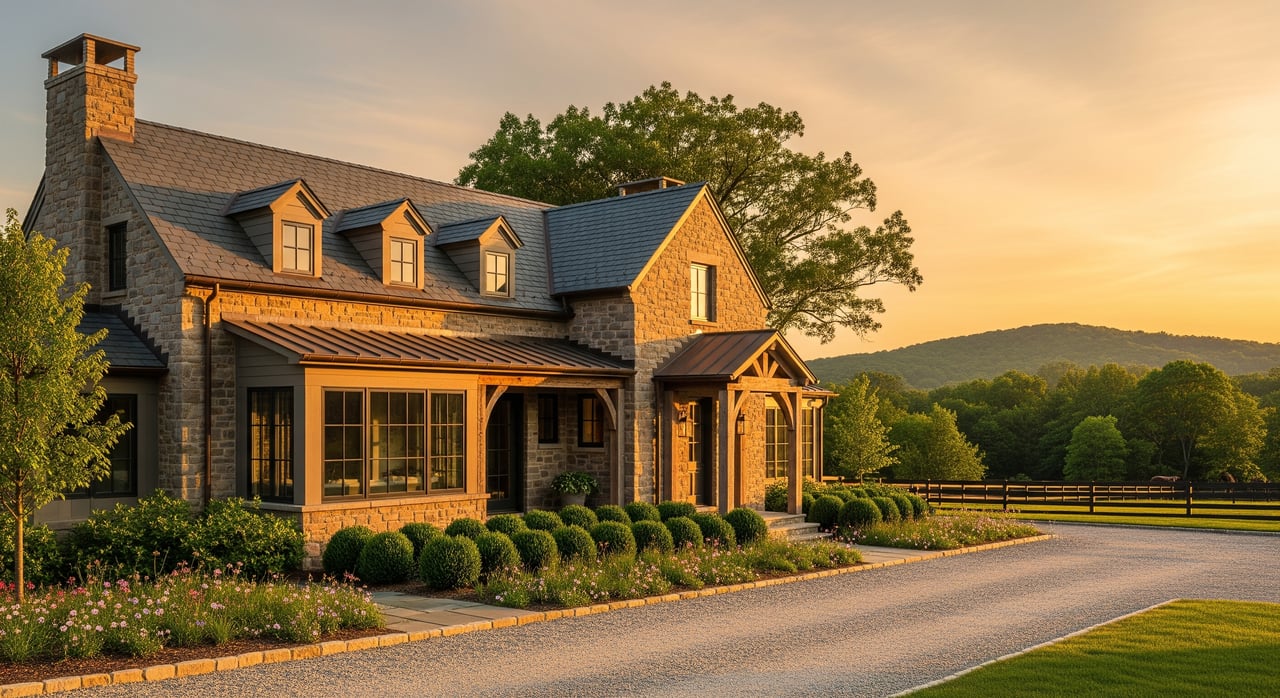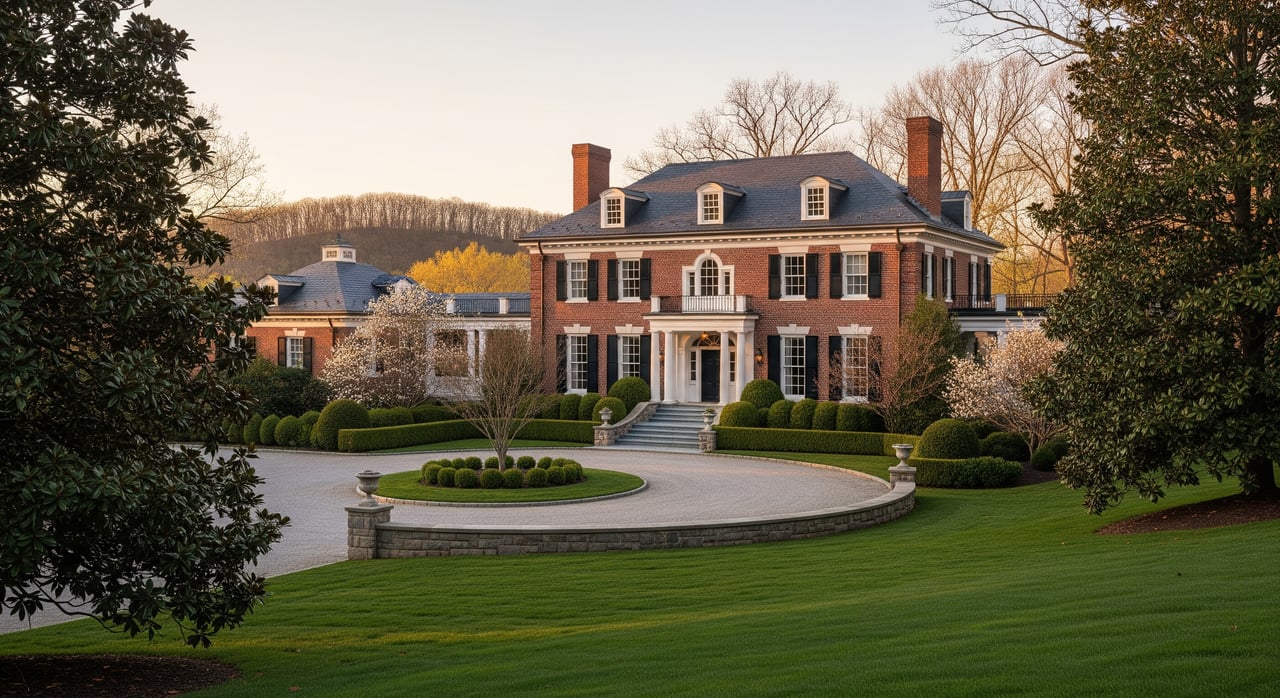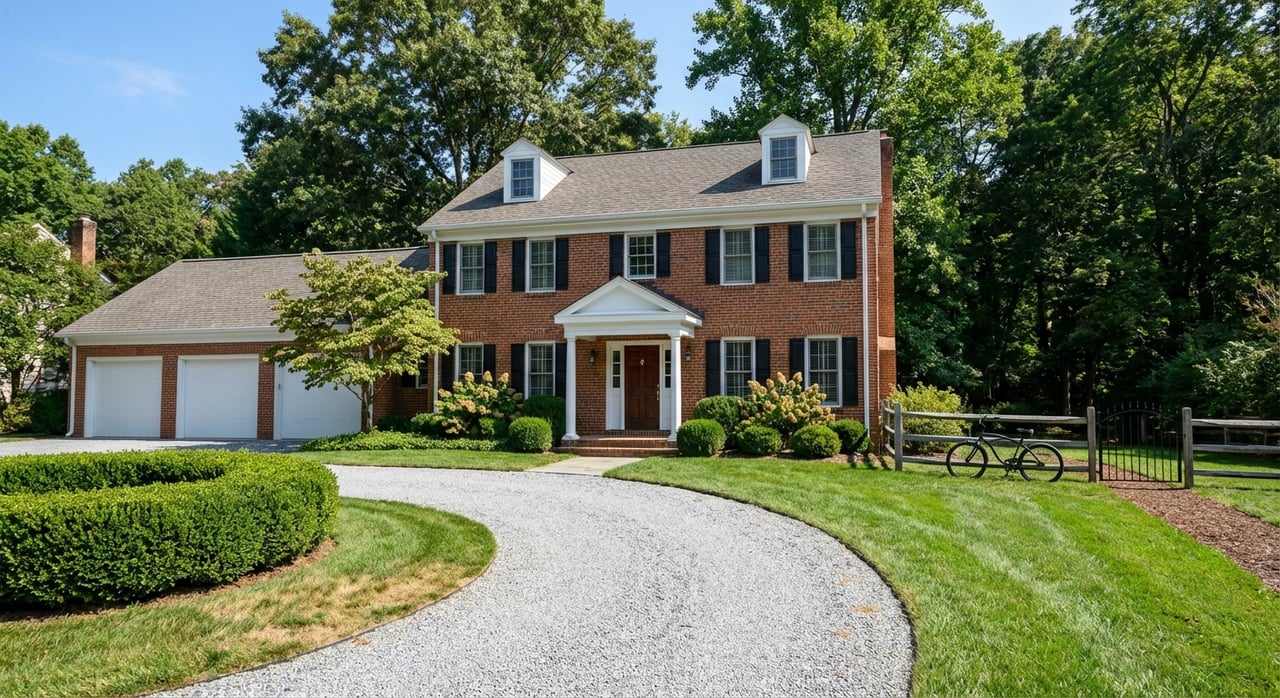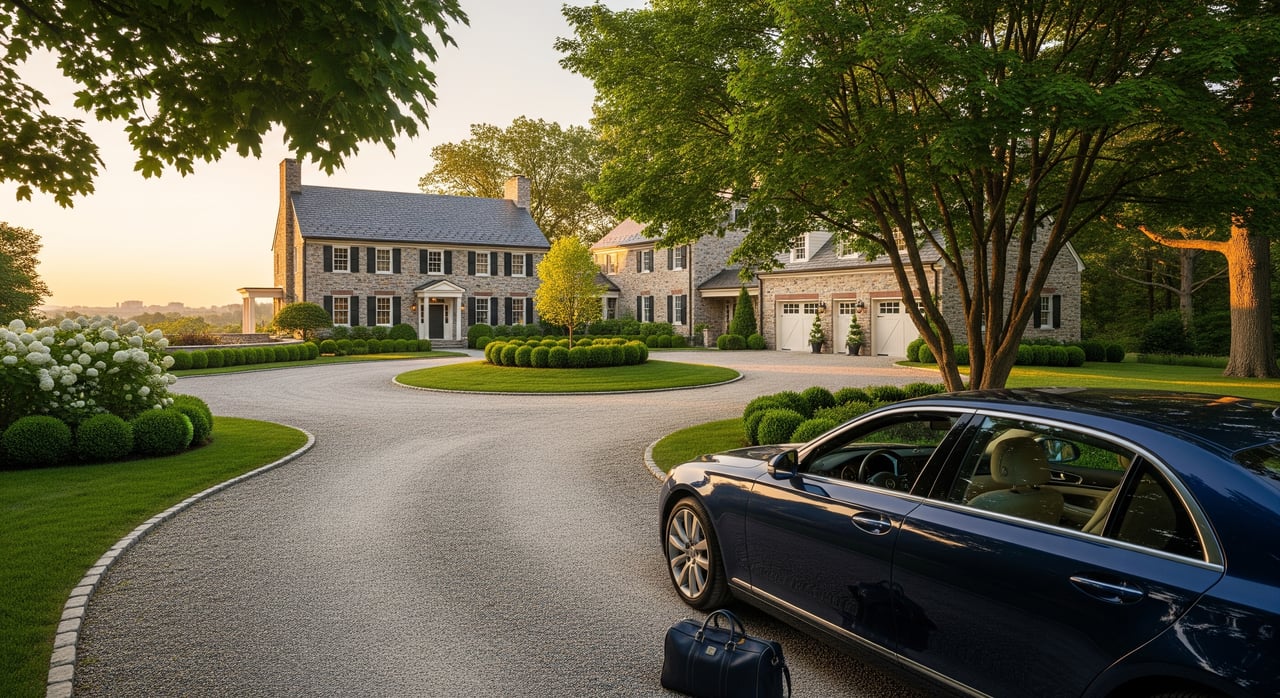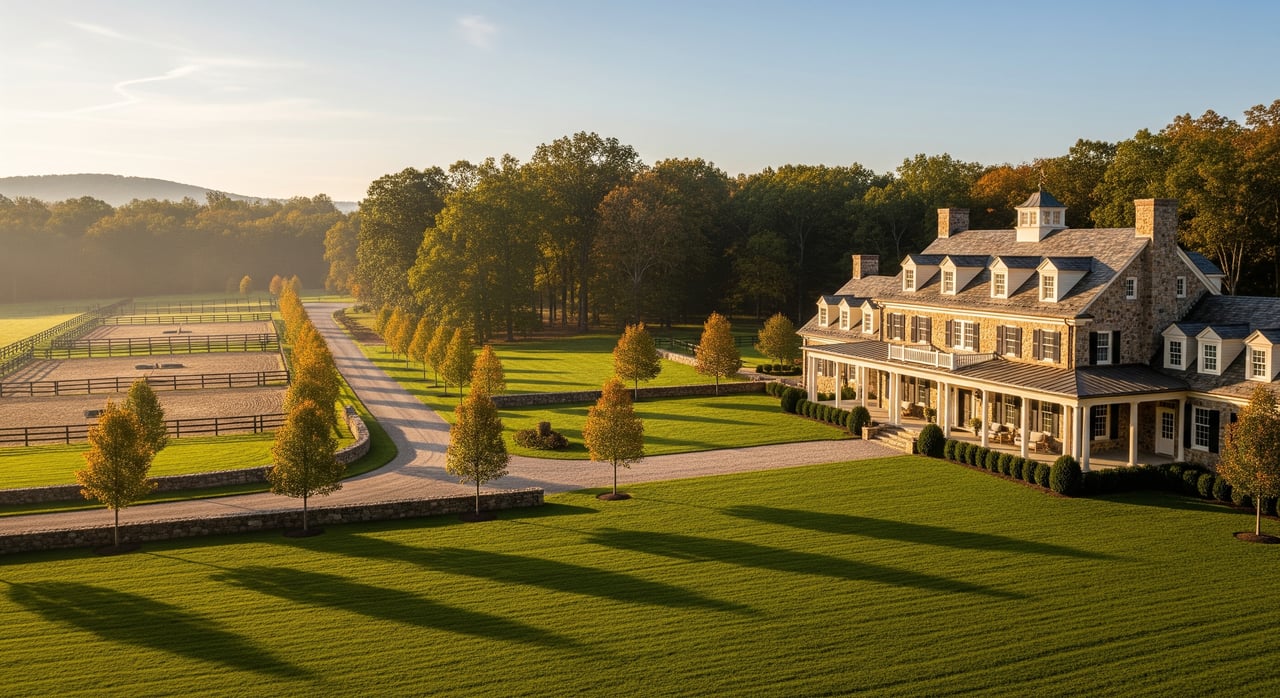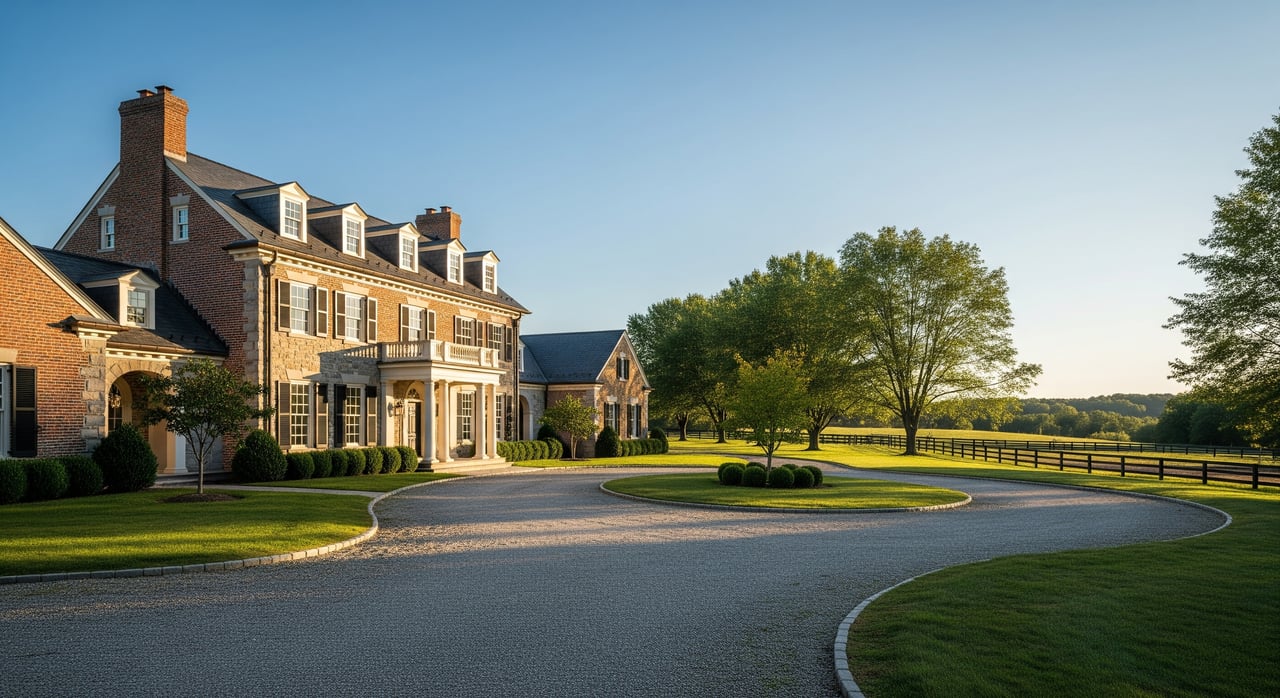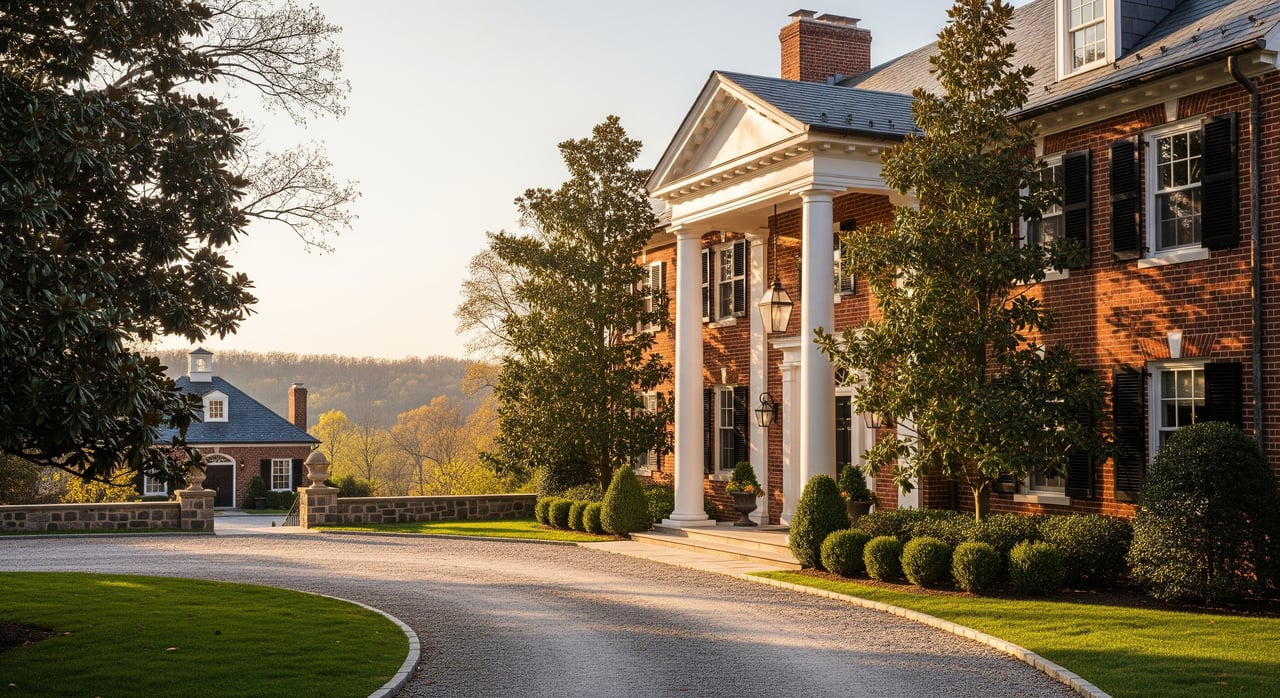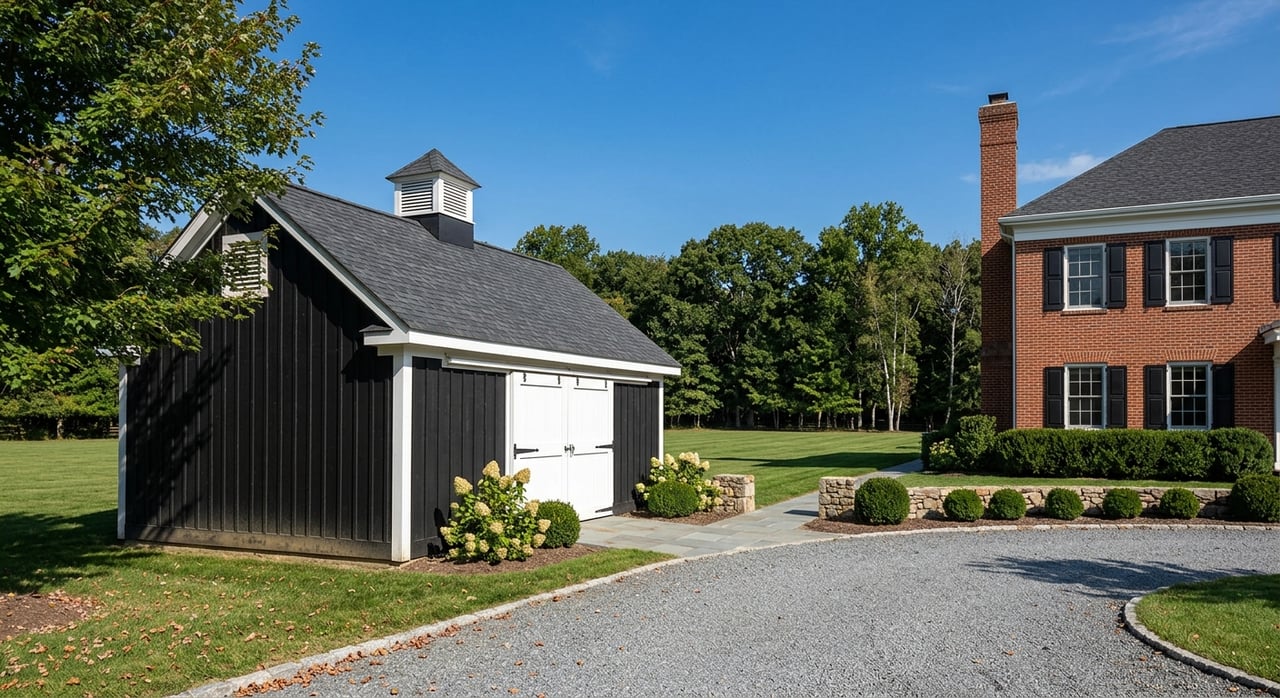
If you picture Clifton as the place to find room for horses, a barn, and a little more breathing space, you are not alone. The catch is that the Town of Clifton itself is very small, so many acreage searches end up focusing on the surrounding Fairfax County area rather than the compact historic town center. If you want to buy horse-friendly property here, you need to look beyond curb appeal and verify zoning, access, layout, and long-term maintenance before you commit. Let’s dive in.
Why Clifton appeals to acreage buyers
Clifton stands out because of its semirural feel and historic character. The town describes itself as a small historic community, and Fairfax County planning documents emphasize its stable character and limited additional development. That combination is a big part of what draws buyers who want land, privacy, and a more rural atmosphere while staying in Northern Virginia.
At the same time, it helps to understand the local geography. The Town of Clifton covers a compact area of about 162 acres and has a small population, so buyers looking for larger parcels often end up searching in the surrounding unincorporated county. You can review the town’s overview on the Town of Clifton website and the county’s planning context in the Fairfax County comprehensive plan area guidance.
Start with property location
Before you fall in love with a parcel, confirm whether it is inside the Town of Clifton or in unincorporated Fairfax County. That one detail can shape what approvals you need for future improvements.
If the parcel is inside the town, the town says construction requires a use permit, a certificate of appropriateness from the Architectural Review Board, and a Fairfax County building permit before work begins. You can verify those requirements through the Town of Clifton FAQs.
If the parcel is outside the town but still in the Clifton area, Fairfax County rules will usually control the zoning and land-use questions that matter most for horse-friendly property. That is often where acreage buyers find more options for barns, fencing, and pasture planning.
Know the horse zoning basics
In Fairfax County, horses and other livestock are allowed only under specific lot-size rules. According to the county’s Keeping of Animals flyer, livestock including horses may be kept on lots of at least two acres, and the county uses an animal-unit formula of one animal unit per acre. The same flyer says three horses equal one animal unit.
That means a property may look horse-friendly at first glance but still need a closer zoning review. Acreage, usable land area, and the exact planned use all matter. If you are buying with horses in mind, you want to verify not just the total lot size, but also whether the property supports your intended day-to-day use.
Accessory use versus commercial use
A common mistake is assuming any horse activity is treated the same. Fairfax County’s accessory-use rules are meant for noncommercial horse keeping. Commercial breeding, boarding, or similar operations are not covered by that basic allowance.
If your plans include boarding horses or offering riding lessons, Fairfax County has separate rules for limited riding and boarding stables. The county notes that lots from two to less than five acres may board up to five horses, while lots of five acres or more may board up to eight horses. Riding lessons require permit approval and a conservation plan.
Check where barns and fences can go
On small or irregular parcels, setbacks can make a big difference. Fairfax County states that horse barns and pony barns must be at least 40 feet from front or side lot lines and at least 20 feet from the rear lot line. The same county flyer also notes that detached accessory structures over 256 square feet require a building permit.
Fencing rules matter too, especially if you plan to create paddocks, protect pasture edges, or define heavy-use areas. Fairfax County zoning FAQs say fences are generally allowed up to 4 feet in the front yard and 7 feet in side or rear yards, with some exceptions. You can review the county’s fence guidance in the zoning FAQs.
Evaluate access and road responsibility
A beautiful property can become less practical if the road access does not fit your needs. Fairfax County’s planning guidance for Clifton notes that the area includes narrow, hilly, and winding roads, which is important if you expect horse trailers, delivery trucks, or emergency equipment to reach the property safely.
It is also smart to ask who maintains the road. Fairfax County explains that most primary and secondary roads are maintained by VDOT, while private roads may be maintained by residents, HOAs, or businesses. You can confirm that framework in the county’s transportation FAQ.
When permits may be needed
If you plan to improve a driveway entrance or do work that affects the state right-of-way, you may need a permit from VDOT. According to VDOT’s land use permit FAQs, property owners are generally responsible for entrance permits, grading from the pavement to the right-of-way line, and maintenance of private entrances in most cases.
For acreage buyers, this is an important due-diligence step. Long driveways, shared lanes, and trailer-friendly turning areas can affect both upfront cost and long-term convenience.
Look closely at the land itself
Not all acreage functions the same way. For horse-friendly property, the layout of the land often matters as much as the total number of acres.
The Northern Virginia Soil and Water Conservation District recommends high ground, gentle slopes, good drainage, vegetated buffers, and separate heavy-use areas for horse properties. The district also advises keeping manure storage at least 100 feet from a stream or well, as outlined in its horse farm management guidance.
Pasture and grazing guidelines
If you want usable grazing space, pay attention to the difference between total acreage and productive pasture. The district recommends a minimum of 2.5 acres of first-class pasture per horse as a grazing guideline. It also notes that sacrifice areas can be especially helpful on small acreage because they reduce erosion and pasture damage during wet weather or drought, which you can read more about in its land stewardship guidance.
This matters because a five-acre parcel may not truly function like five acres of pasture. Slopes, woods, stream buffers, easements, and home placement can all reduce the usable area.
Drainage and easements
Water flow is another major item to review before you buy. Fairfax County guidance recommends paying close attention to slopes, runoff, and drainage easements before building or expanding on a property. You can review that in the county’s soil and drainage guidance.
If a parcel has wet areas or drainage constraints, your options for a barn, paddock, riding space, or future expansion may be more limited than the listing suggests. This is one of the reasons a careful site review matters so much in Clifton-area acreage searches.
Understand well and septic responsibilities
Many acreage properties rely on private systems rather than public utilities. If the home uses a private well, Fairfax County says the property owner is responsible for water safety and should test the water annually. If the home uses an onsite sewage system, the county requires the septic tank to be pumped at least once every five years, according to the Fairfax County sewage and water guidance.
For buyers, that means your due diligence should include more than the home inspection. You also want clear information about well testing, septic maintenance history, and the current condition of those systems.
Plan for ongoing land stewardship
Buying horse-friendly property is not just about what is allowed on day one. It is also about whether the land can be maintained responsibly over time.
Fairfax County treats horse keeping as a water-quality issue, and the soil and water district says backyard and small-lot horse operations should use agricultural best management practices. The district also says all agricultural operations, even a single horse in a backyard, should have an assessment and, if needed, a Soil and Water Quality Conservation Plan, as described in the district’s horse farm management resources.
For pasture health, the same guidance recommends rotational grazing, soil testing, weed control, and avoiding overgrazing. Small-acreage operations can lose grass cover quickly when stocking rates are too high, so it is worth thinking ahead about how the property will function in wet seasons, dry seasons, and everyday use.
Resource protection areas
Some parcels may include streams or other protected features. In Chesapeake Bay Resource Protection Areas, the district says a vegetated buffer is part of the required protection, with a normal 100-foot buffer from the water body. When certain encroachments are allowed, at least 25 feet of undisturbed vegetative buffer should remain between horse activity and the water feature.
If you are comparing properties with water features, this is another area where “more land” does not always mean “more usable land.” Protected buffers can affect where horse activity, structures, and improvements may realistically go.
Ask these questions before you write an offer
A Clifton-area horse property search goes more smoothly when you ask practical questions early. Here are some of the most important ones:
- Is the parcel inside the Town of Clifton or in unincorporated Fairfax County?
- Are horses allowed by right for the lot size and intended use?
- If you plan to board horses or offer lessons, what permits or approvals would be required?
- Where can barns, sheds, and fences legally be placed?
- Who maintains the road or private lane?
- Does the property use well and septic, and what is the maintenance history?
- Are there drainage easements, stream buffers, or other land constraints that affect usable acreage?
- Is any portion of the property part of an Agricultural and Forestal District?
For some larger parcels, Agricultural and Forestal District status may offer reduced land-use taxes. Fairfax County notes that local districts must have at least 20 contiguous acres, and leaving early can trigger rollback taxes and penalties, which you can review in the county’s Agricultural and Forestal District FAQs.
Why local guidance matters in Clifton
Clifton acreage searches are rarely simple checkbox searches. The area’s small historic town core, county zoning rules, road conditions, and land-management considerations can all affect whether a property truly fits your goals.
That is why it helps to work with an agent who understands how to look past the listing description and focus on the details that shape daily life and long-term ownership. If you are exploring acreage or horse-friendly property in Clifton, the Amanda Jones Team can help you evaluate location, property use, and practical fit so you can move forward with confidence.
FAQs
Are horses allowed on residential property in Clifton, Virginia?
- In Fairfax County, livestock including horses may be kept on lots of at least two acres, subject to county animal-unit rules and the property’s specific zoning and use.
What should buyers verify before purchasing horse property near Clifton?
- You should confirm whether the property is inside the Town of Clifton or unincorporated Fairfax County, whether horses are allowed for your intended use, where structures and fencing can go, who maintains the road, and whether the home uses well and septic.
Do Clifton horse properties need permits for barns or riding operations?
- Barns and other accessory structures may be subject to setback and building permit rules, and riding lessons or boarding uses may require additional Fairfax County approvals.
How much land do you need for horses in Fairfax County?
- Fairfax County requires at least two acres to keep livestock including horses, while local soil and water guidance recommends about 2.5 acres of first-class pasture per horse as a grazing guideline.
What road access issues matter for acreage homes in Clifton?
- Clifton-area roads can be narrow, hilly, and winding, so buyers should consider trailer access, service access, emergency access, driveway layout, and whether any entrance changes would require a VDOT permit.