Wondering why one Clifton home sells quickly while another lingers, even when both seem appealing at first glance? If you are getting ready to sell, you are not just putting a house on the market. You are positioning a property in one of Northern Virginia’s most distinctive small-town settings, where historic character, lot size, and visible condition can shape buyer response right away. This guide will help you think through pricing, prep, and local factors that matter most so you can make smart decisions before you list. Let’s dive in.
Why Clifton pricing is different
Clifton is not a market where broad county averages tell the whole story. The town’s historic setting, older housing stock, and local land-use rules can make one property meaningfully different from another, even when they are close together.
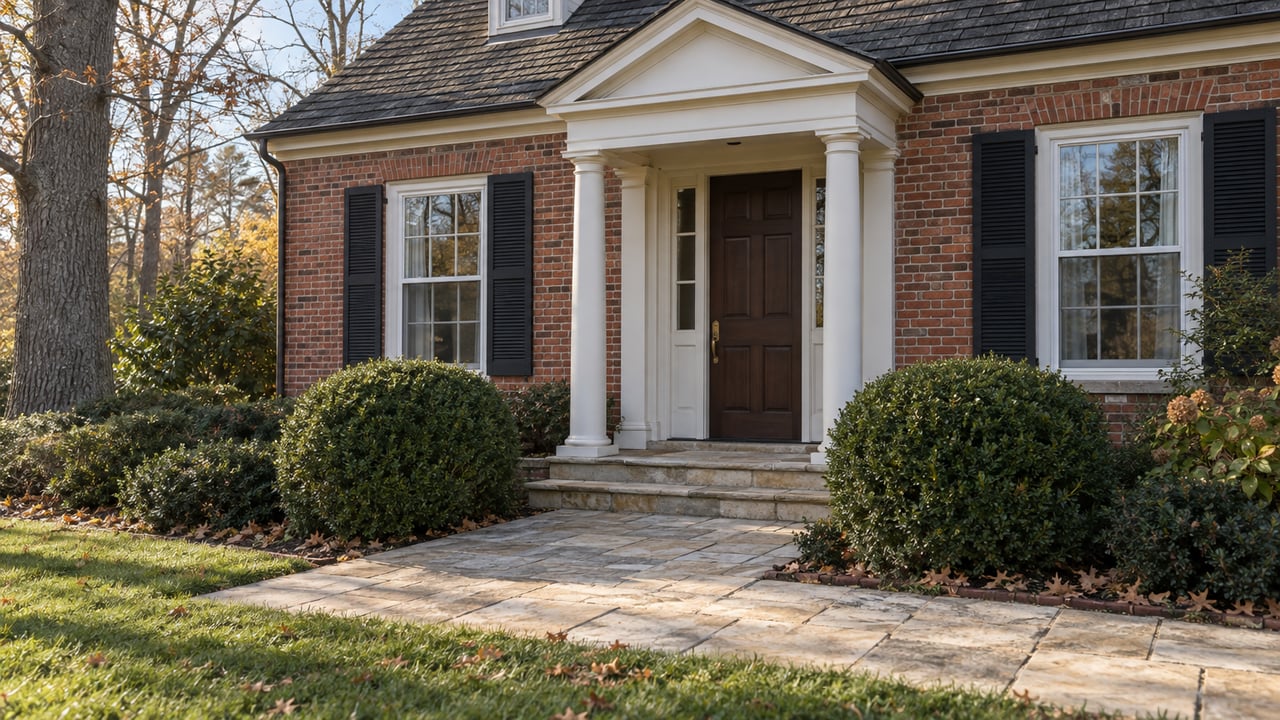
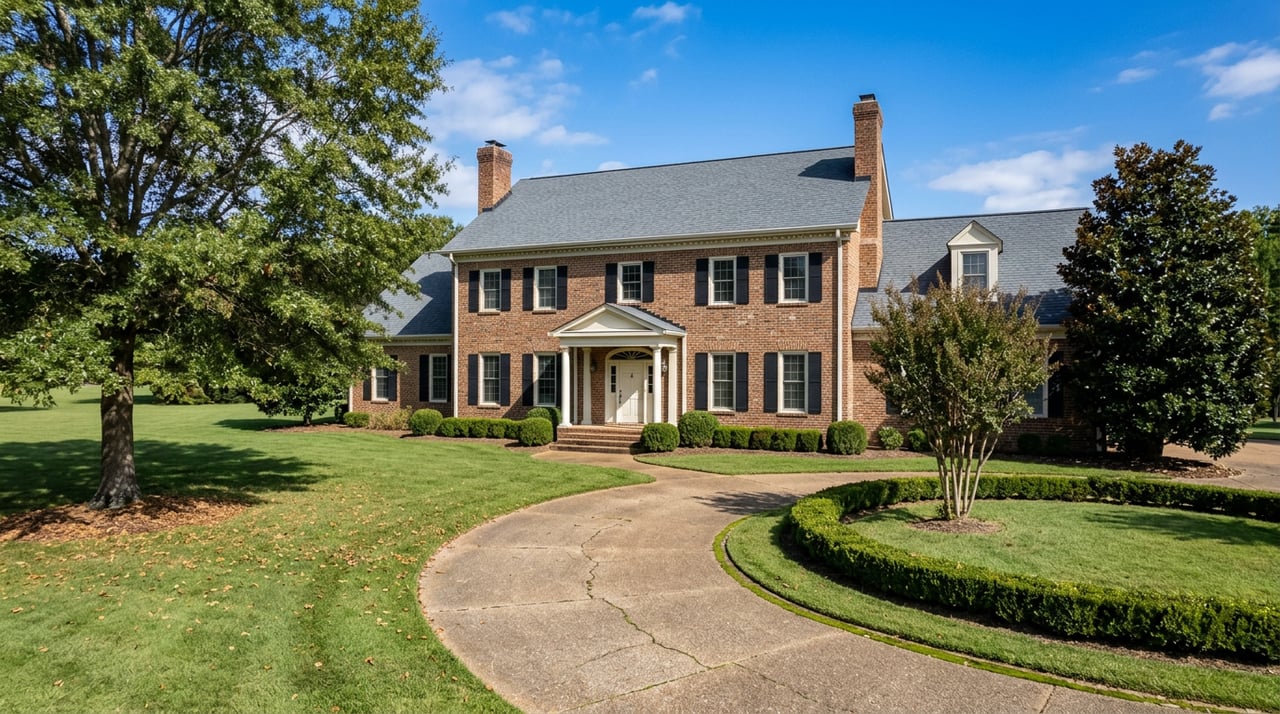
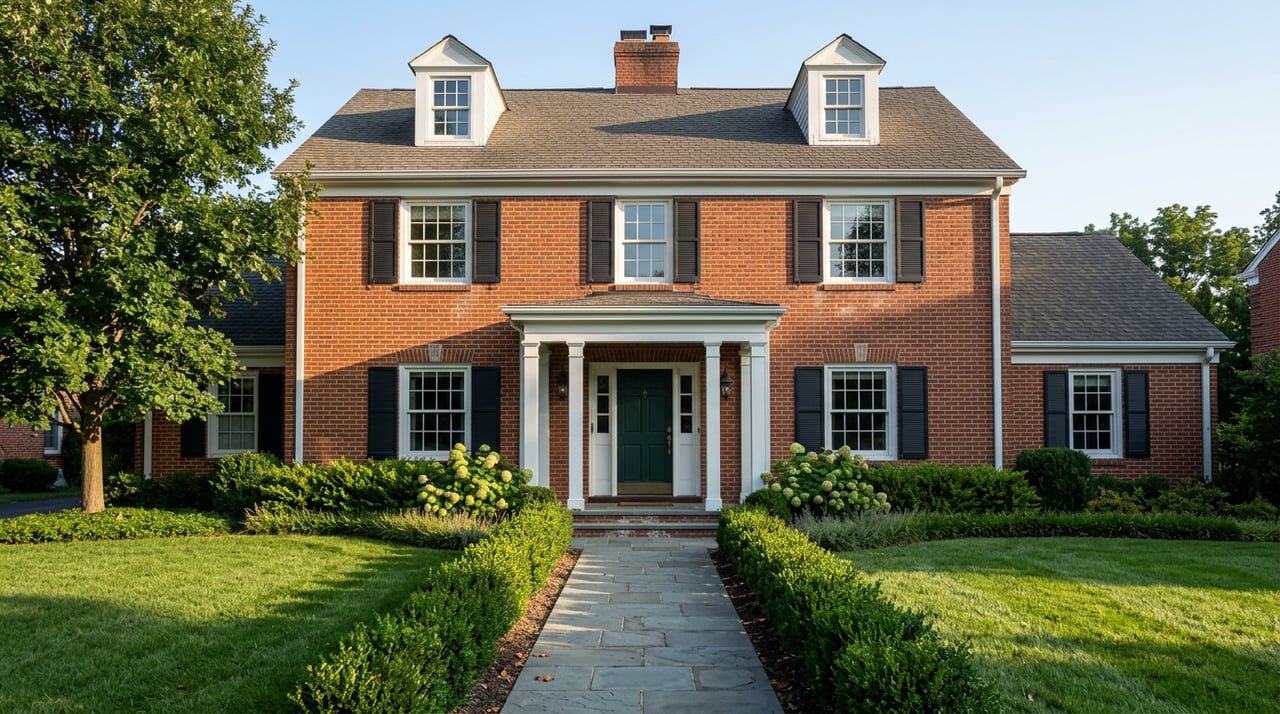
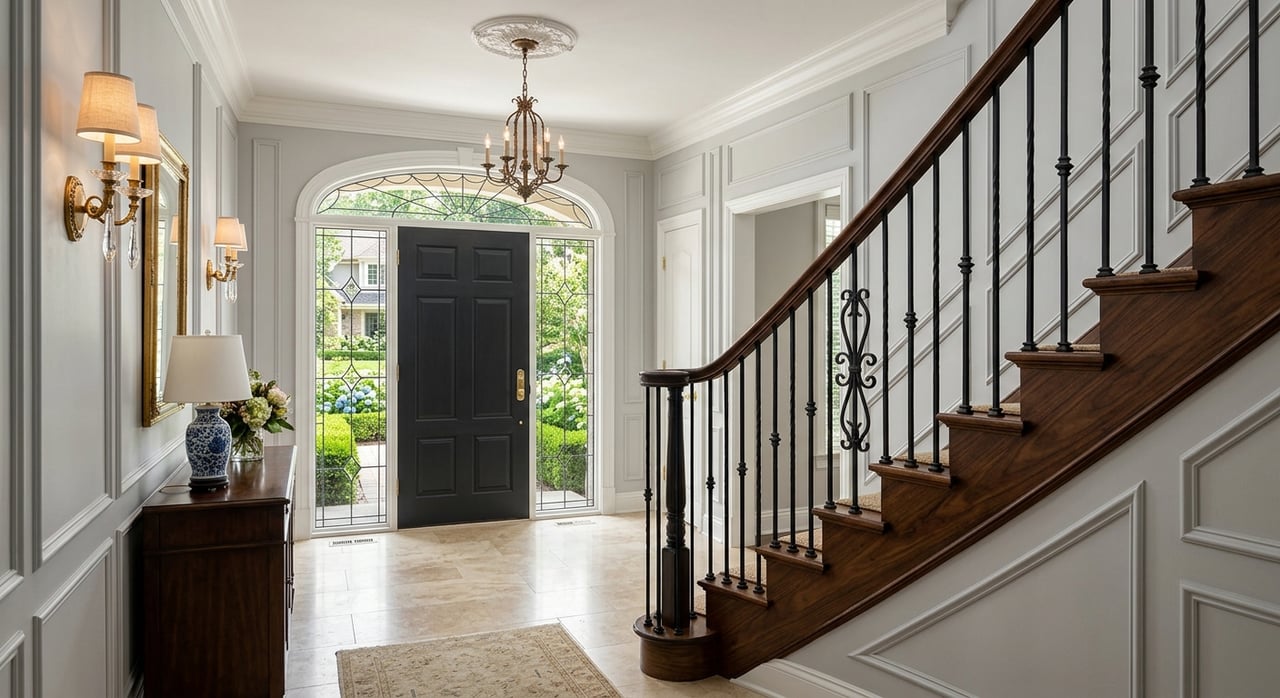
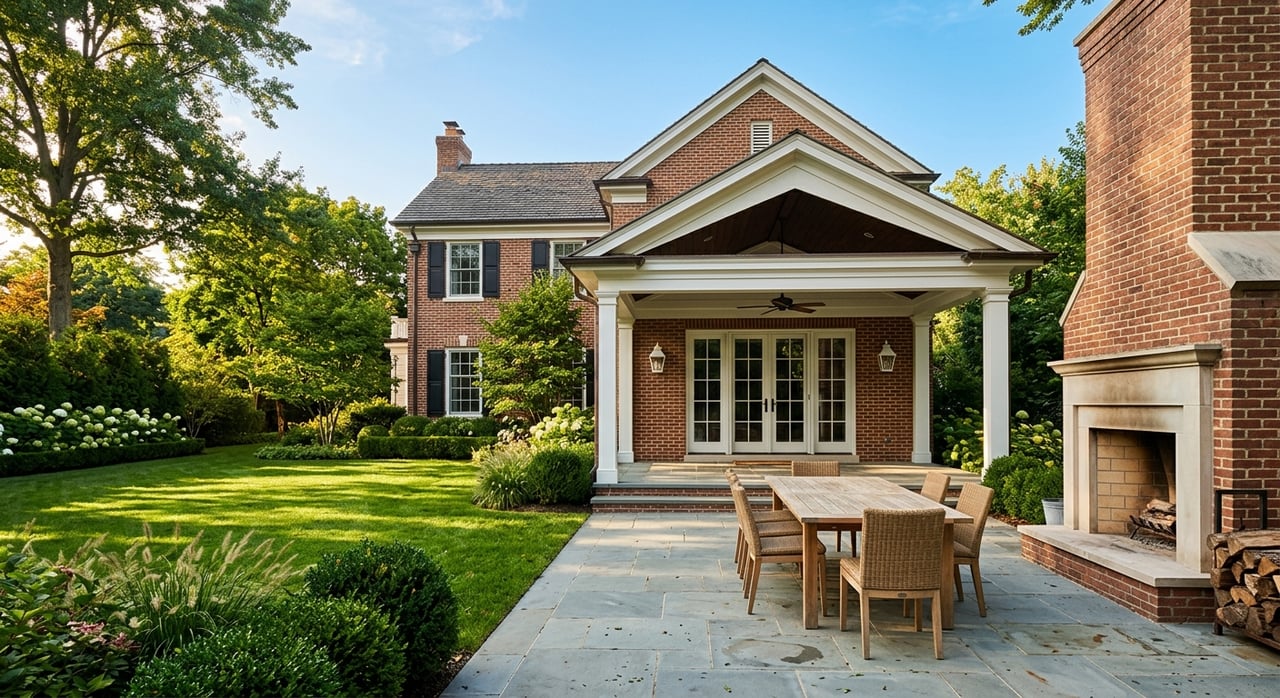
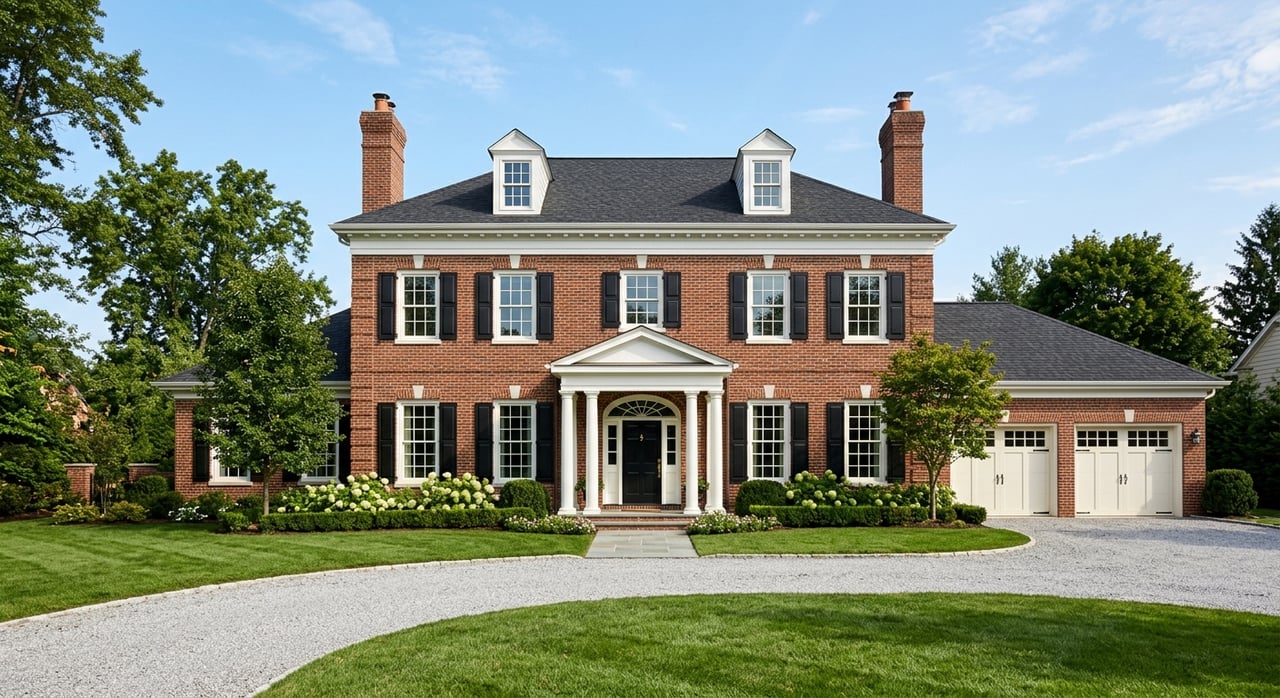
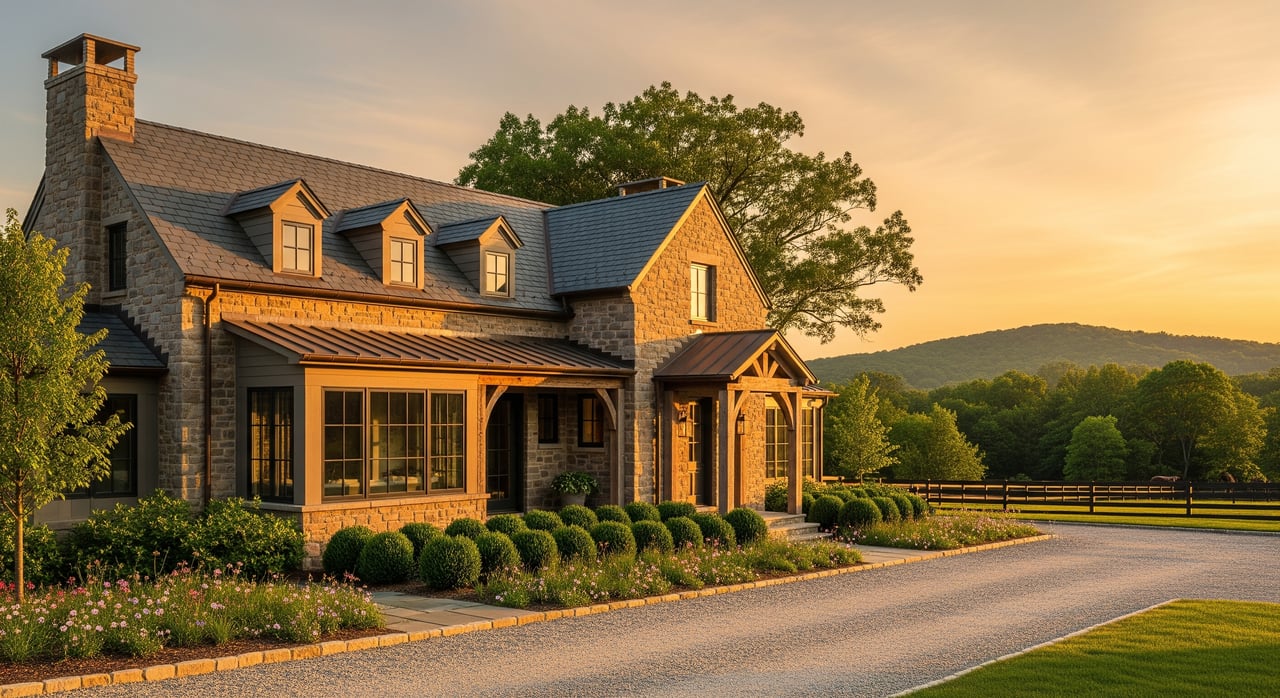
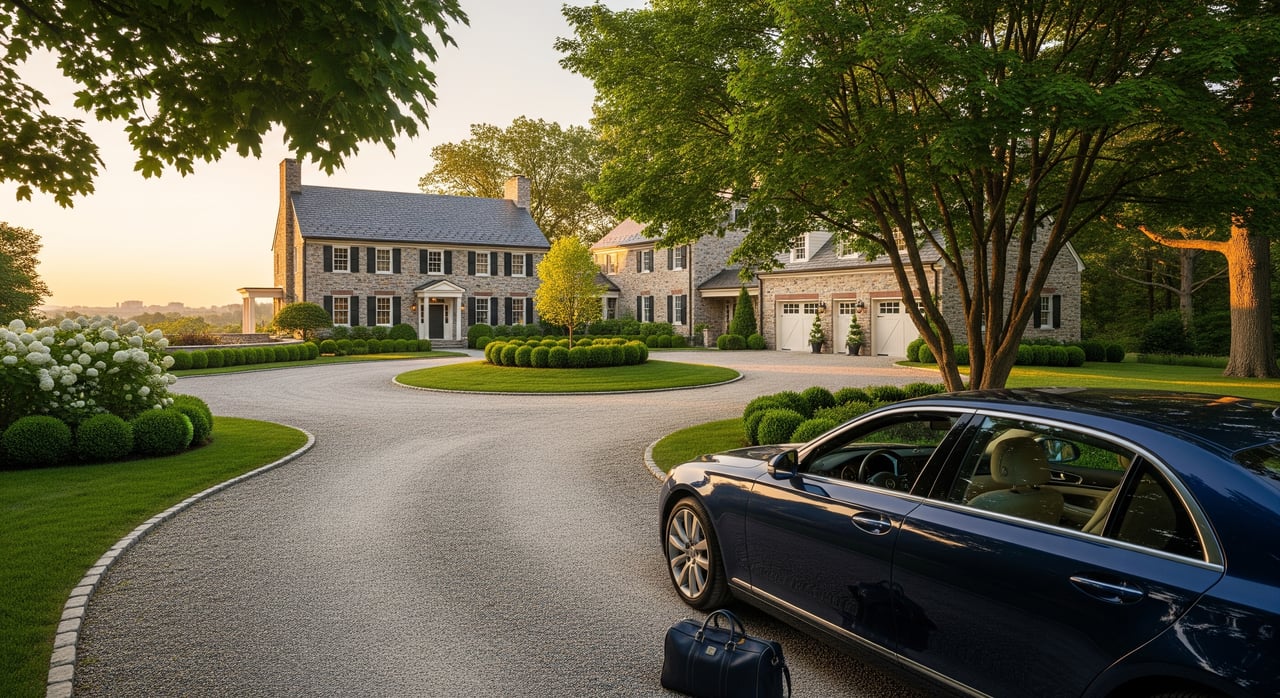
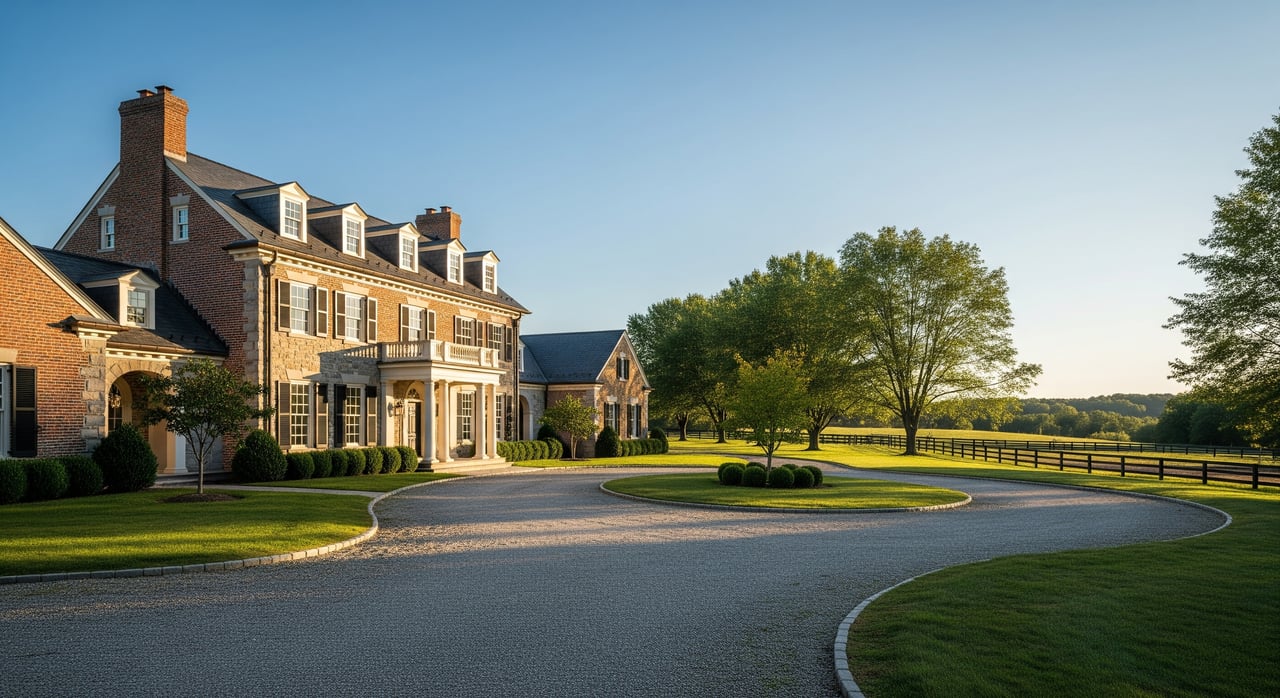
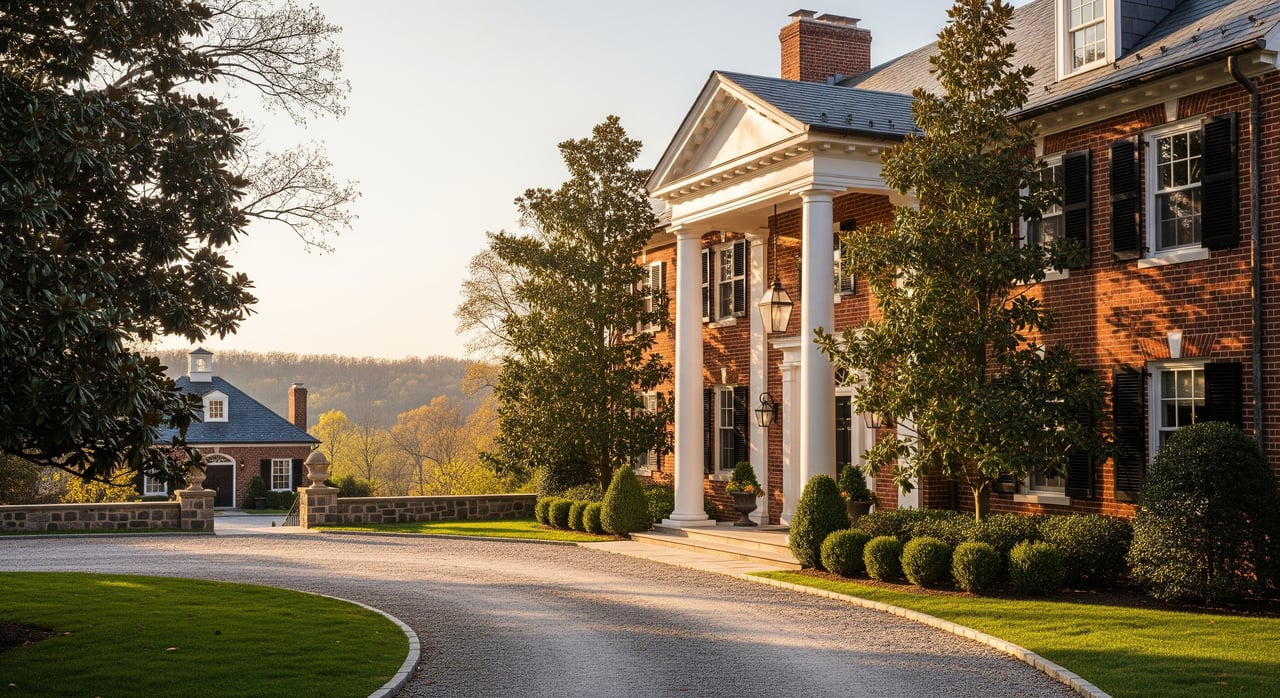
The Town of Clifton describes its streetscape as being made up of houses that are almost all more than 120 years old. The Virginia Department of Historic Resources also notes that the Clifton Historic District developed between 1868 and 1910 and preserves an early-1900s village character. That means buyers often pay close attention to architectural charm, lot setting, and how well an older home has been maintained.
Clifton also has more land-use restrictions than many surrounding areas. According to the town’s FAQ and code, all land in town sits within the Historic Overlay District, and exterior changes generally require Architectural Review Board approval through a certificate of appropriateness before work begins. In the Residential District, the code sets a five-acre minimum lot size and a 100-foot minimum lot width, which is one reason pricing here often depends on very specific local comparisons.
What the current market means for sellers
The broader market in Fairfax County is active, but it is not moving at the same breakneck pace seen in earlier periods. In February 2026, Fairfax County reported an average of 28 days on market, 1,066 active listings, and about 1.5 months of supply. The average sale price reached $859,078 for all homes and $1,194,616 for detached homes.
Regional data for Northern Virginia in March 2026 showed a median sold price of $760,000, average days on market of 25, and 1.39 months of supply. In plain terms, buyers are still buying, but they have options. That usually puts more pressure on sellers to price accurately and present the home well from day one.
For you, that means a strong sale is still very possible, but overpricing can cost momentum. Buyers who see several homes in the same price band tend to notice condition, layout, and upkeep quickly. A home that feels clean, well-cared for, and appropriately priced has a better chance of standing out.
How to price your Clifton home
Use micro-comparables, not just county averages
County and regional numbers are helpful for context, but they are only a starting point. In Clifton, pricing usually works best when you compare your home to nearby properties with similar acreage, architectural style, level of updates, and overall setting.
That approach matters because Clifton is small and highly distinctive. A detached home on a large lot with historic character may not compete directly with a newer home elsewhere in Fairfax County, even if the square footage is similar. The details of the property often carry more weight here than they would in a more uniform subdivision.
Look closely at condition and character
Older homes can attract buyers who appreciate charm, but they also invite closer scrutiny. Buyers may respond positively to original details and a unique setting, yet they may also factor in maintenance, wear, and how the home feels during a showing.
That is why pricing should reflect more than bedroom count and square footage. Condition, architectural appeal, lot usability, and visible care all influence what buyers may be willing to offer. In a market like Clifton, those details can shift value more than a simple price-per-square-foot formula.
Factor in approved improvements
Permitted and properly approved improvements can matter in Clifton. Because the town requires review for many exterior changes within the Historic Overlay District, buyers may pay attention to whether visible improvements appear established, intentional, and compliant with local rules.
If you have made exterior updates, it is worth understanding what was approved and how that work fits into the home’s story. That can help support pricing and reduce avoidable questions once buyers begin evaluating the property.
What to do before listing
Start with decluttering and cleaning
Before you think about larger projects, focus on the basics buyers notice first. The National Association of Realtors’ 2025 staging report found that the most common seller recommendations were decluttering, cleaning the entire home, and improving curb appeal.
This matters because a clean, simplified home is easier for buyers to evaluate. When rooms feel open and surfaces are clear, buyers are more likely to notice the home itself instead of distractions. For many sellers, this is the highest-impact first step.
Fix obvious wear and tear
Small flaws can create outsized doubts. Peeling paint, tired trim, broken fixtures, and neglected touch-ups may seem minor, but they can make buyers wonder what else has been overlooked.
In Clifton, where many homes are older, visible maintenance carries extra importance. A well-kept appearance helps reassure buyers that the property has been cared for over time. That can support both value perception and confidence.
Improve curb appeal
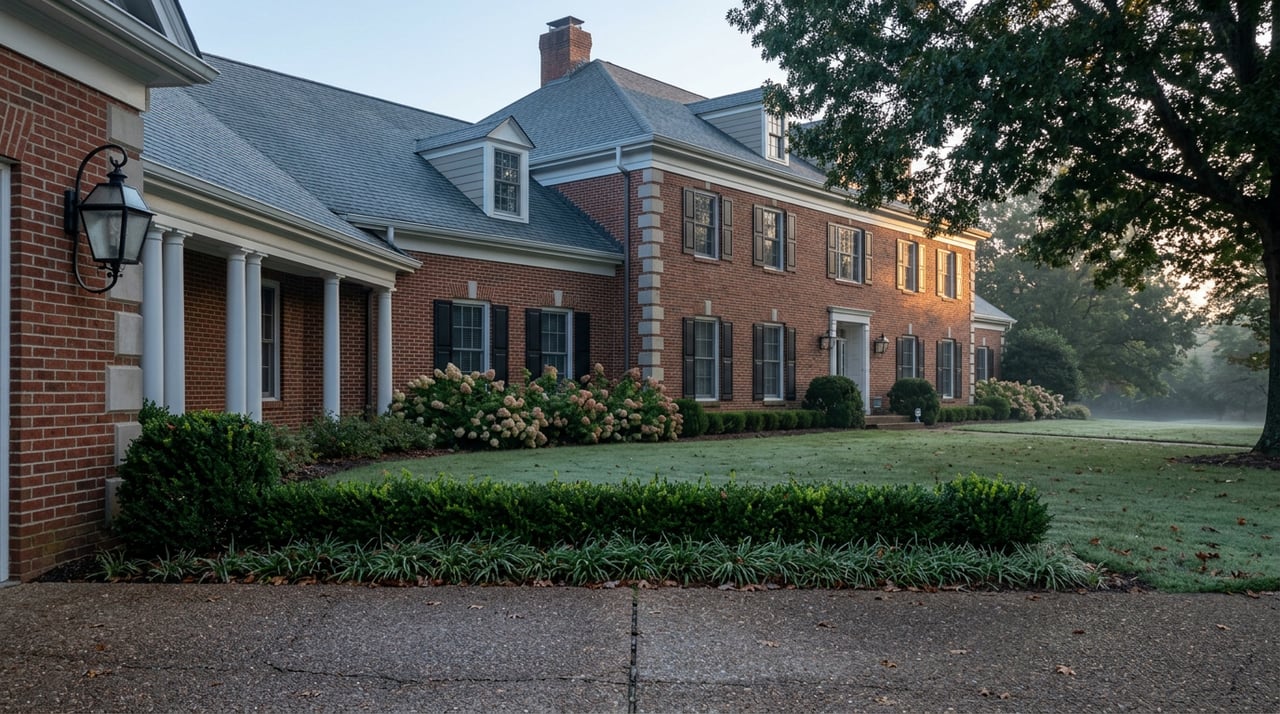
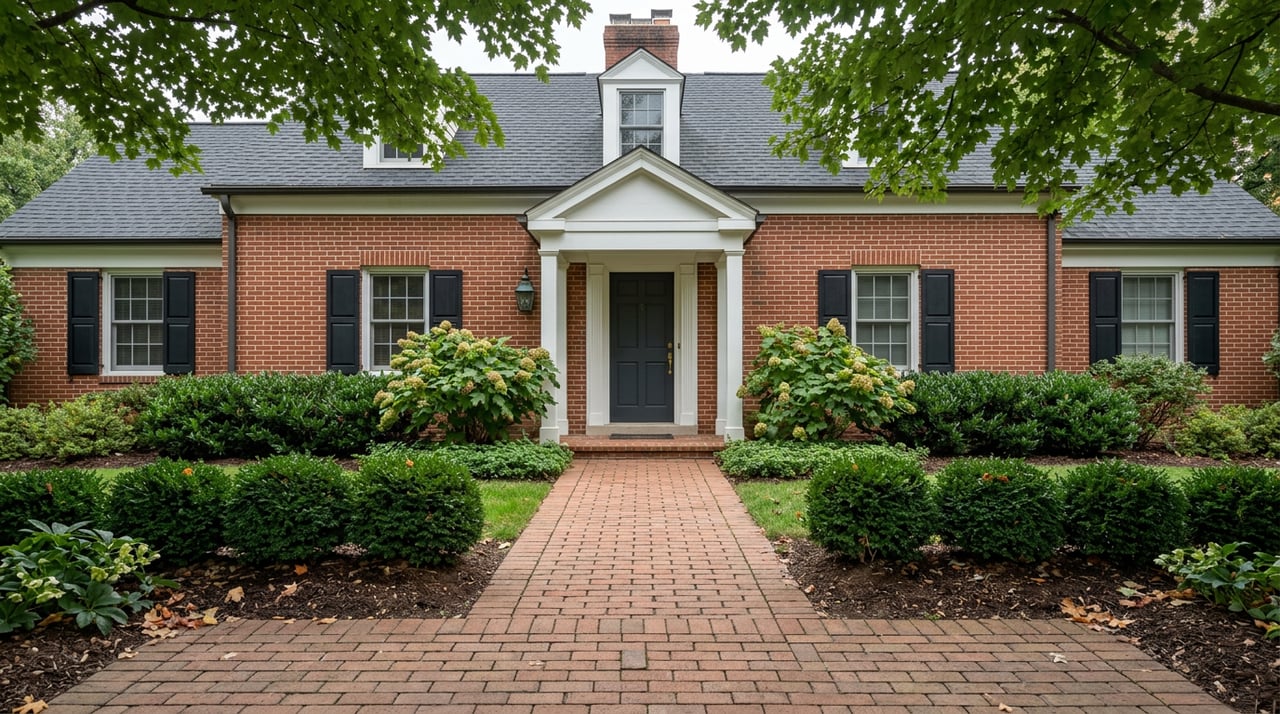
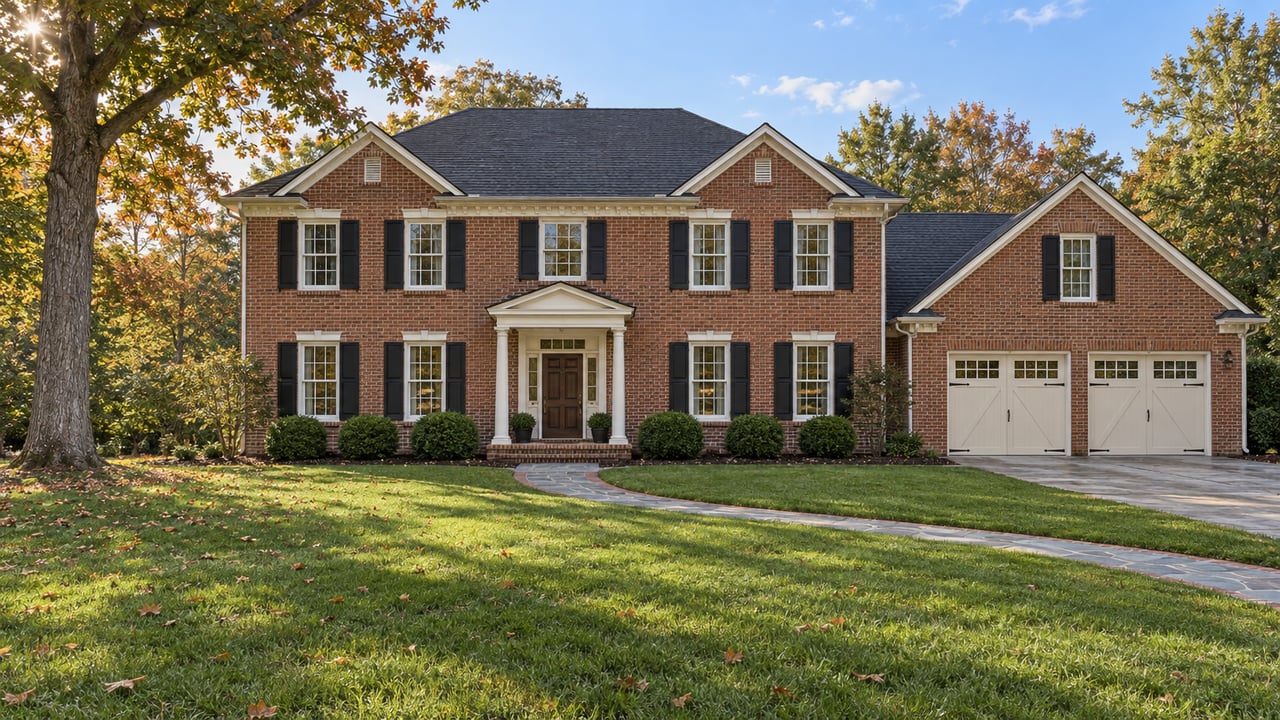
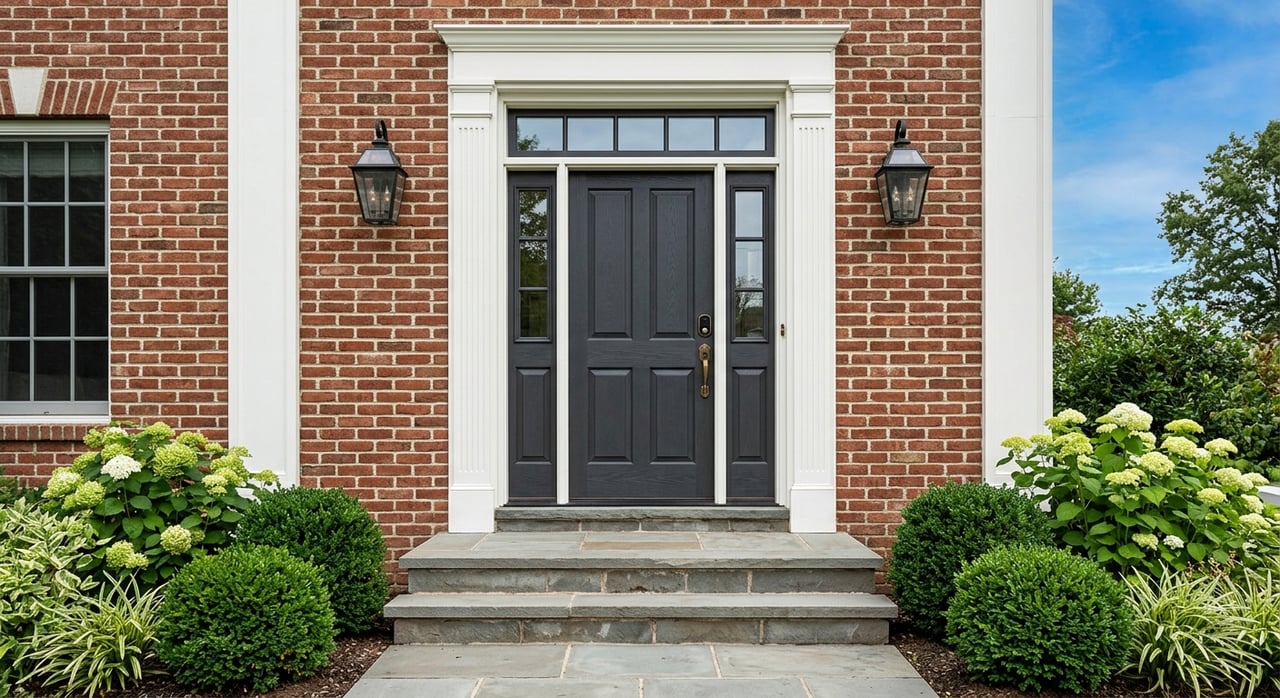
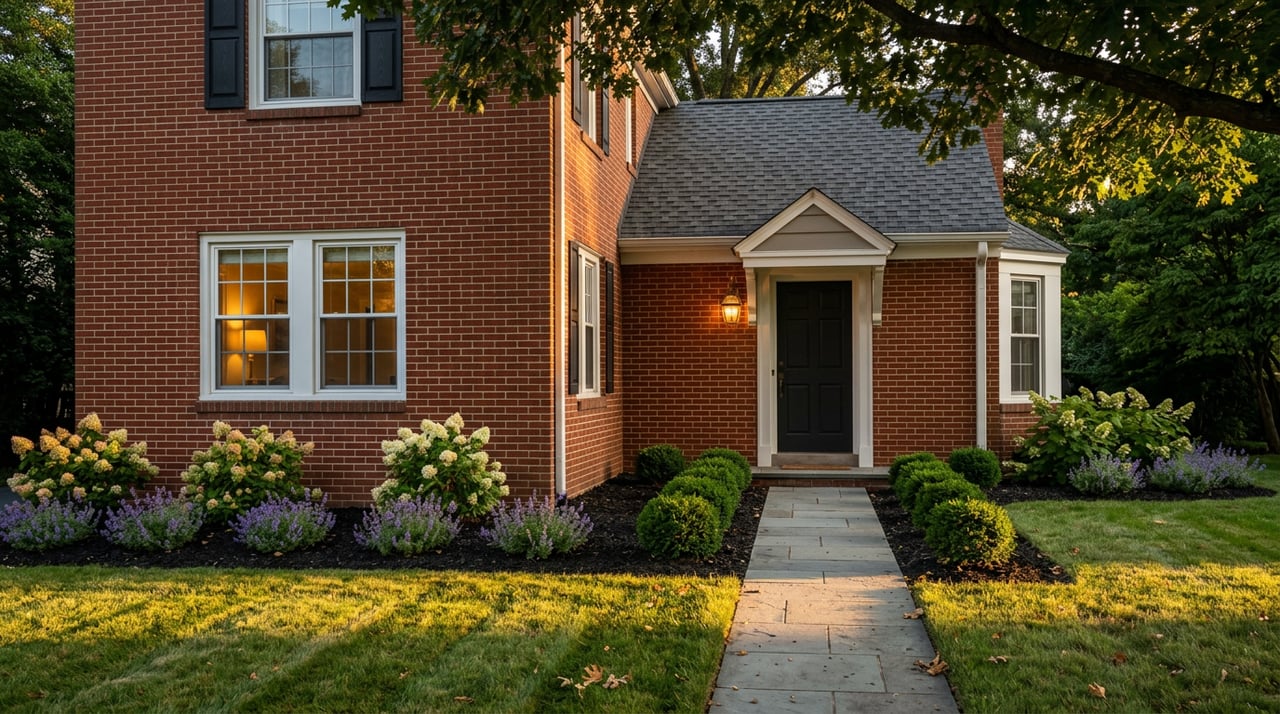
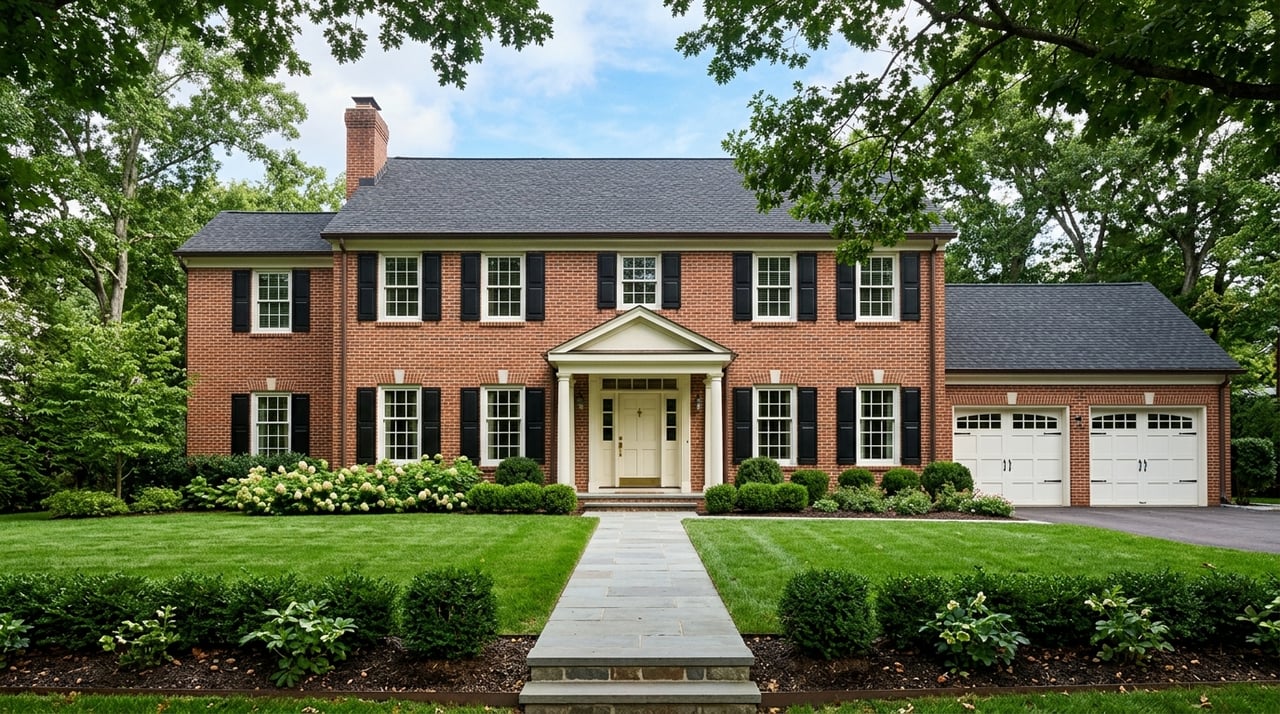
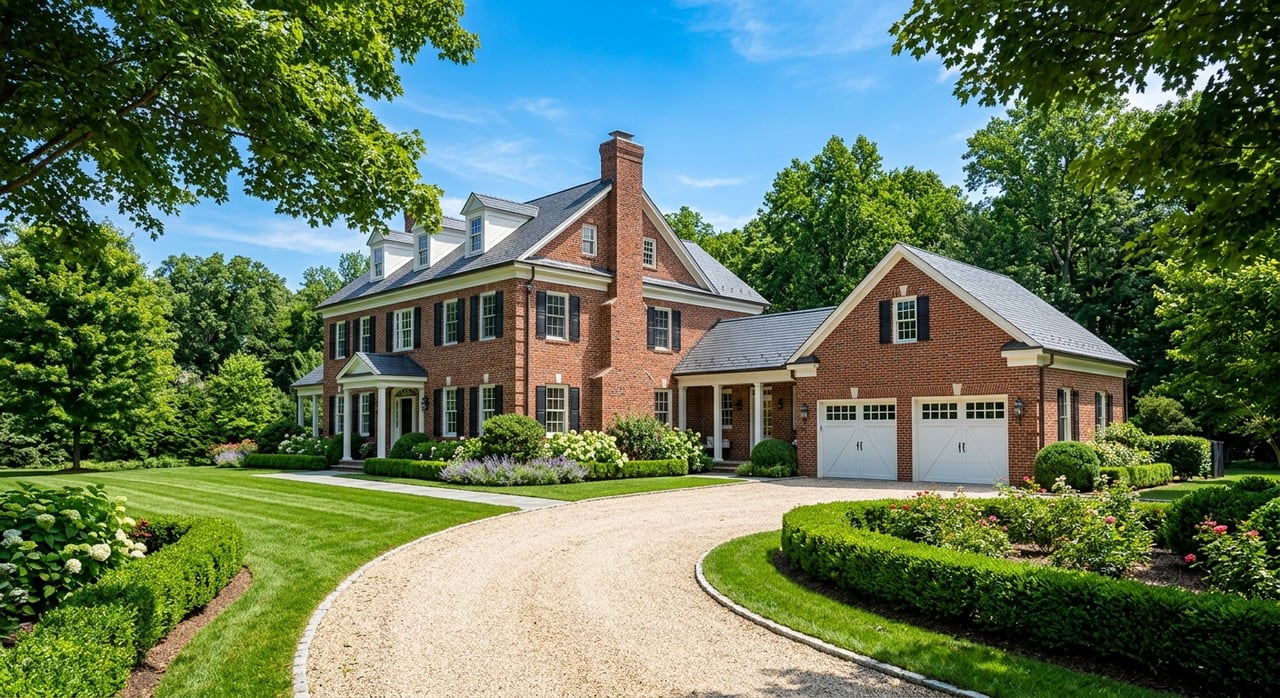
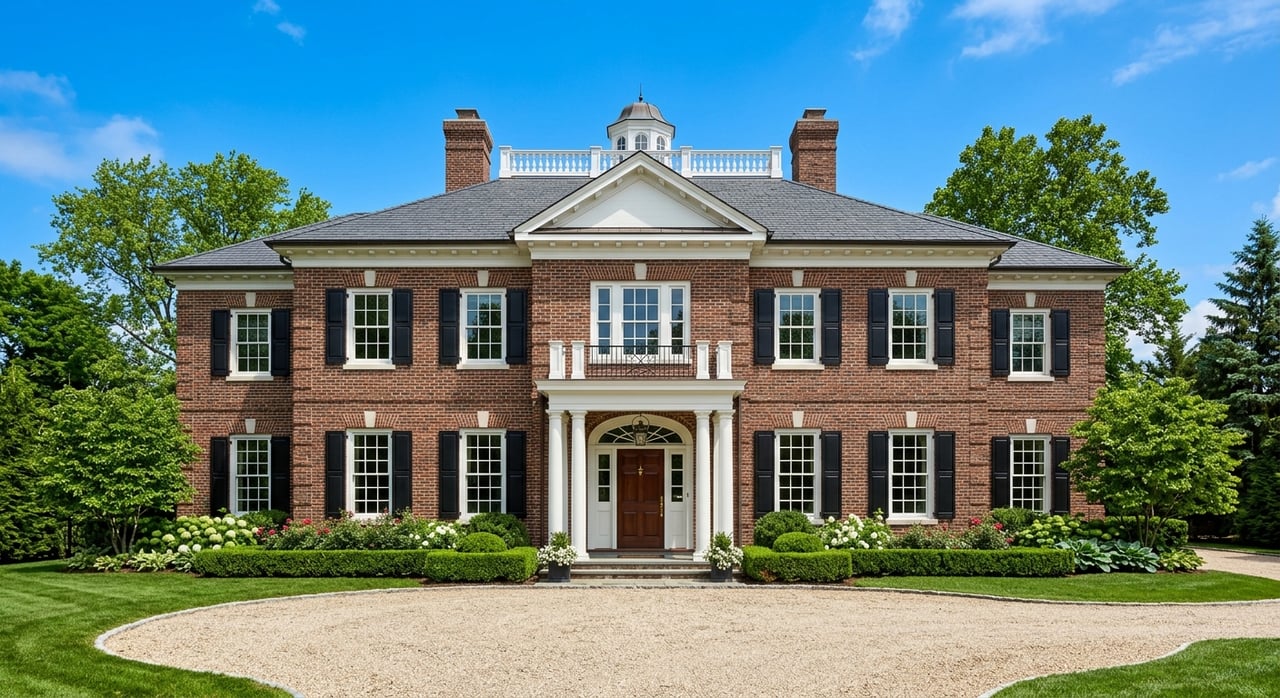
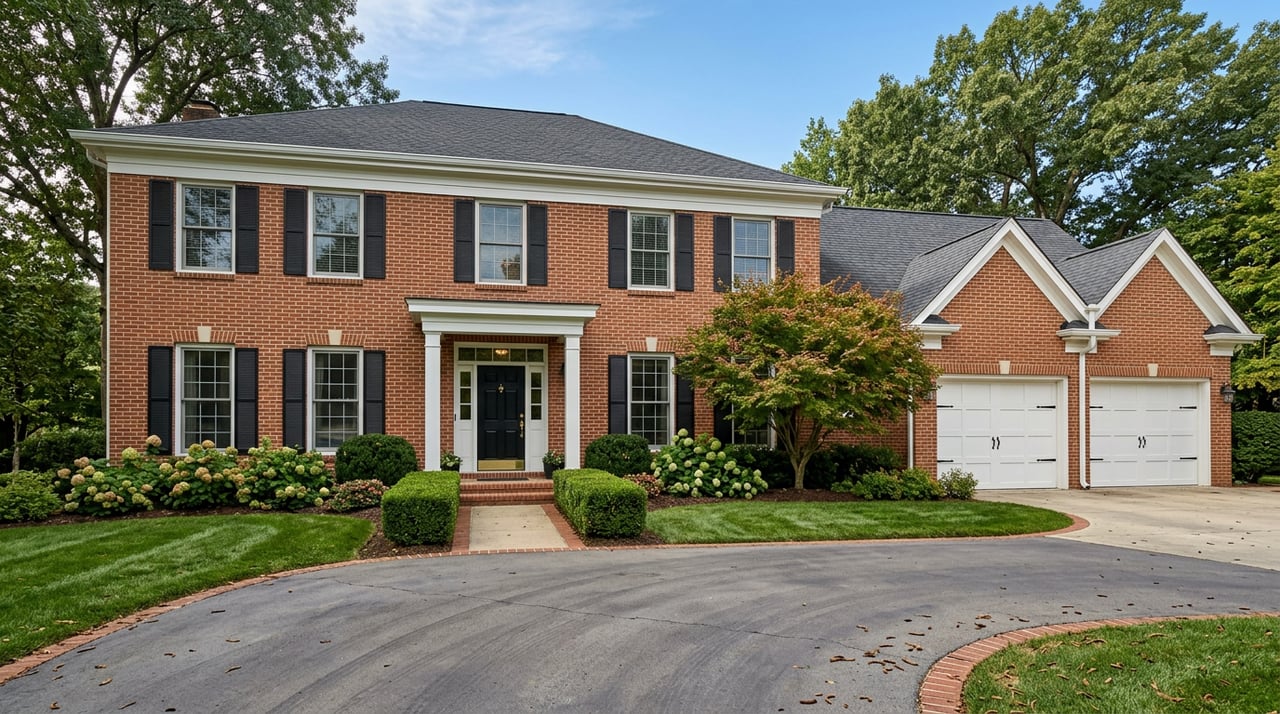
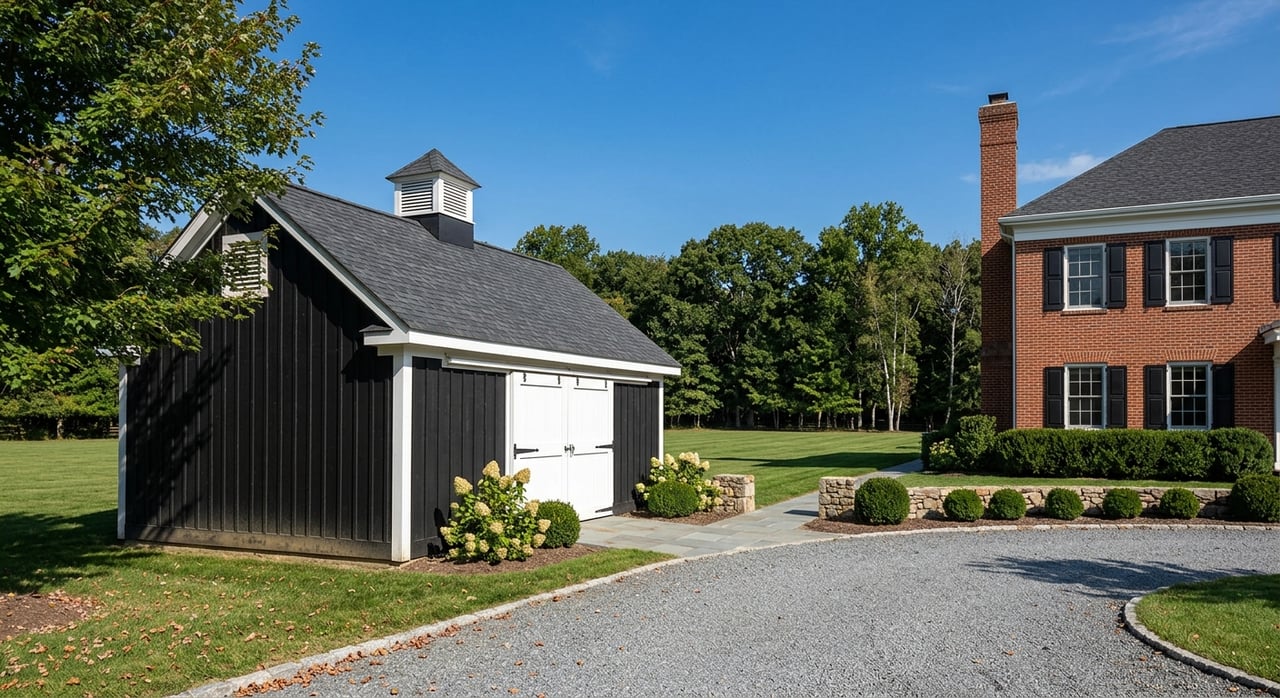
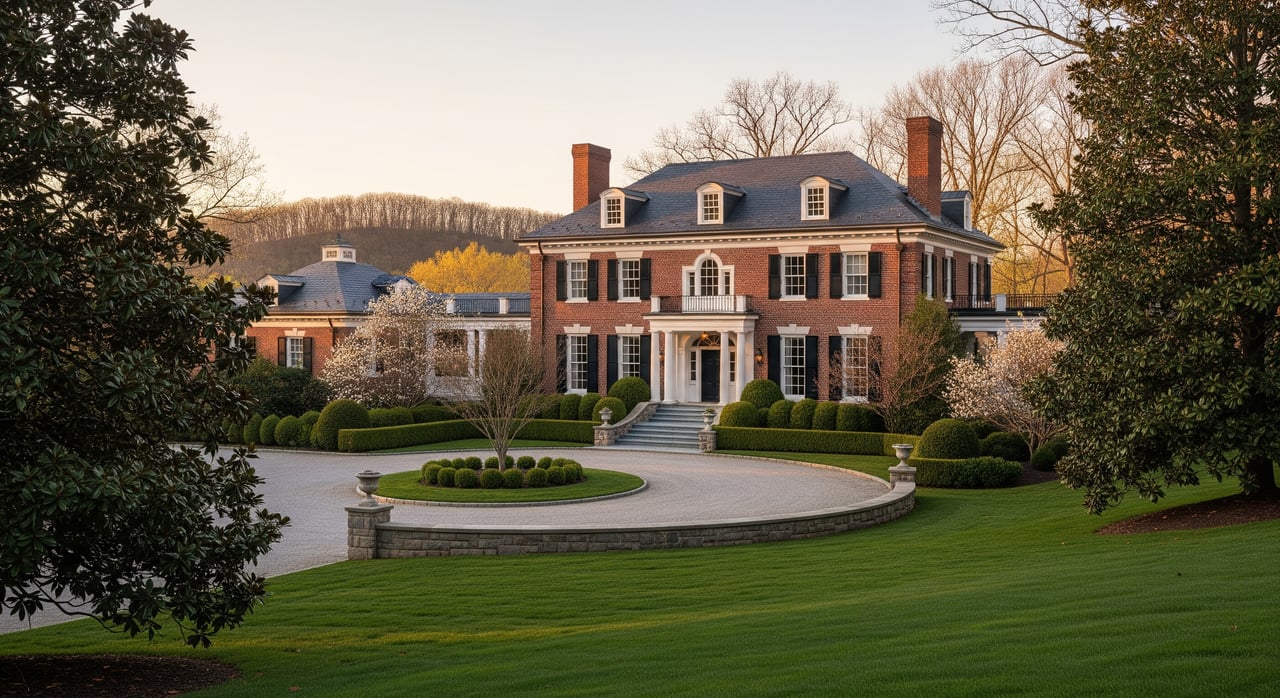
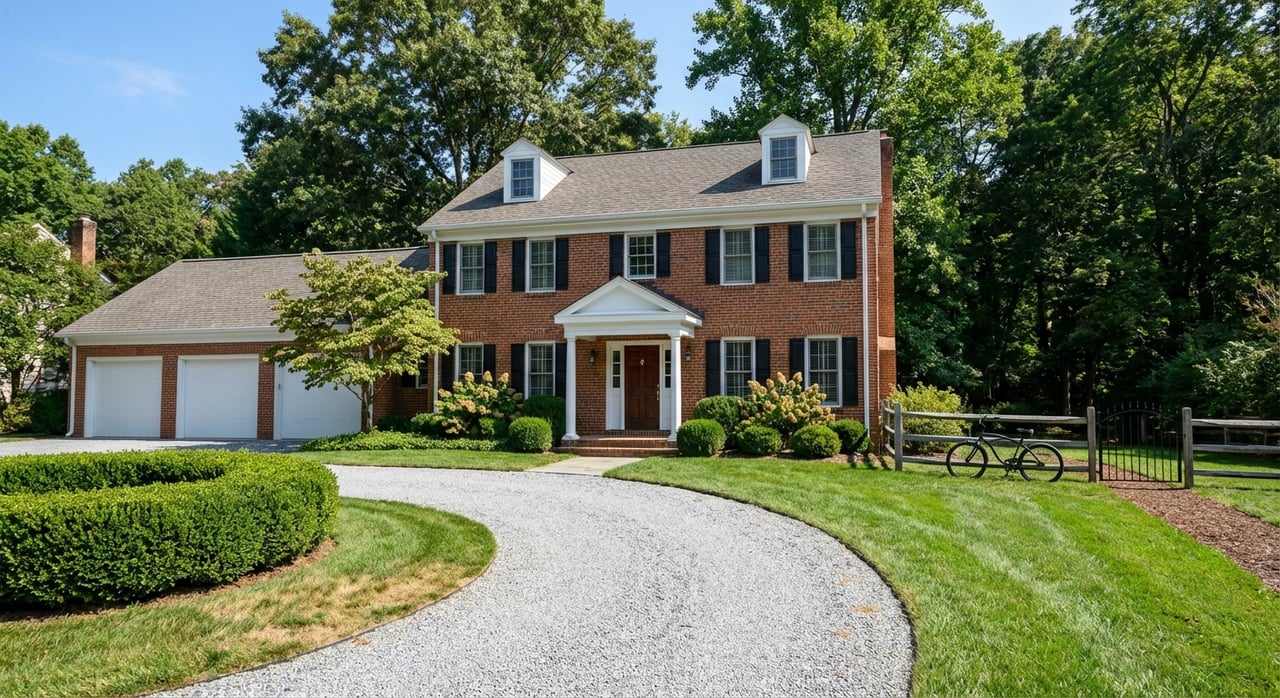
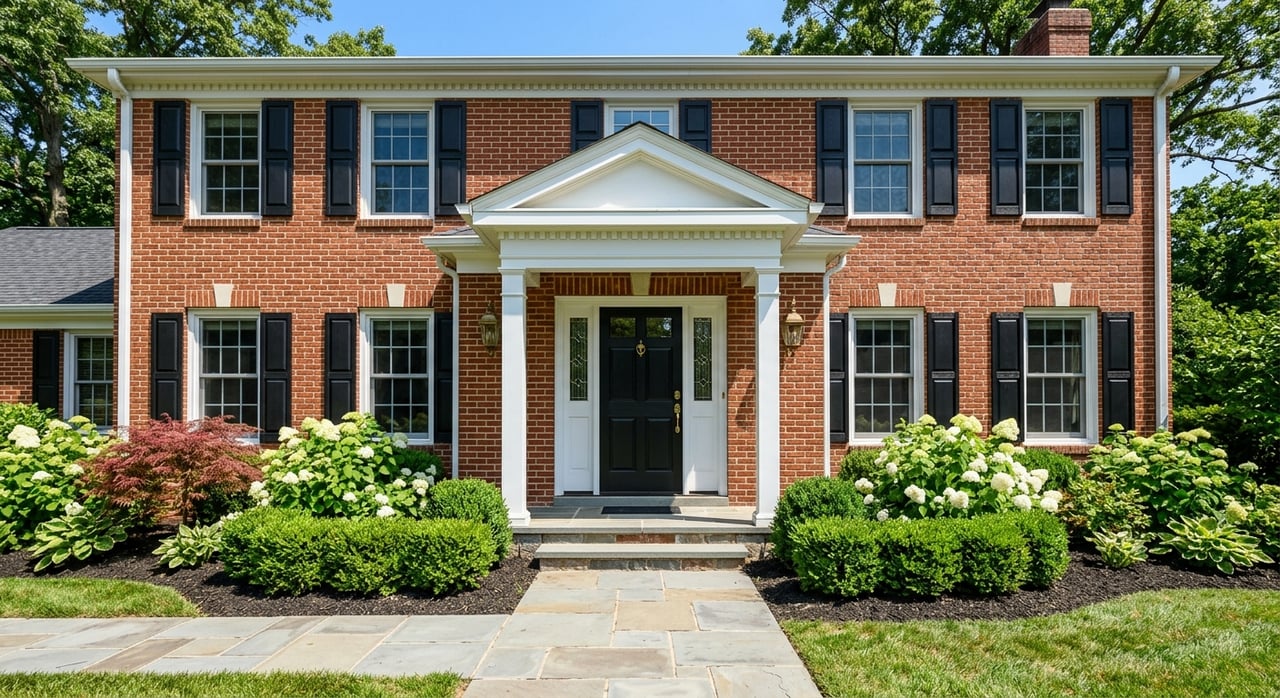
First impressions begin before a buyer reaches the front door. NAR’s staging findings point to curb appeal as a common and important pre-listing recommendation, and in Clifton that is especially relevant because setting and exterior character are part of the appeal.
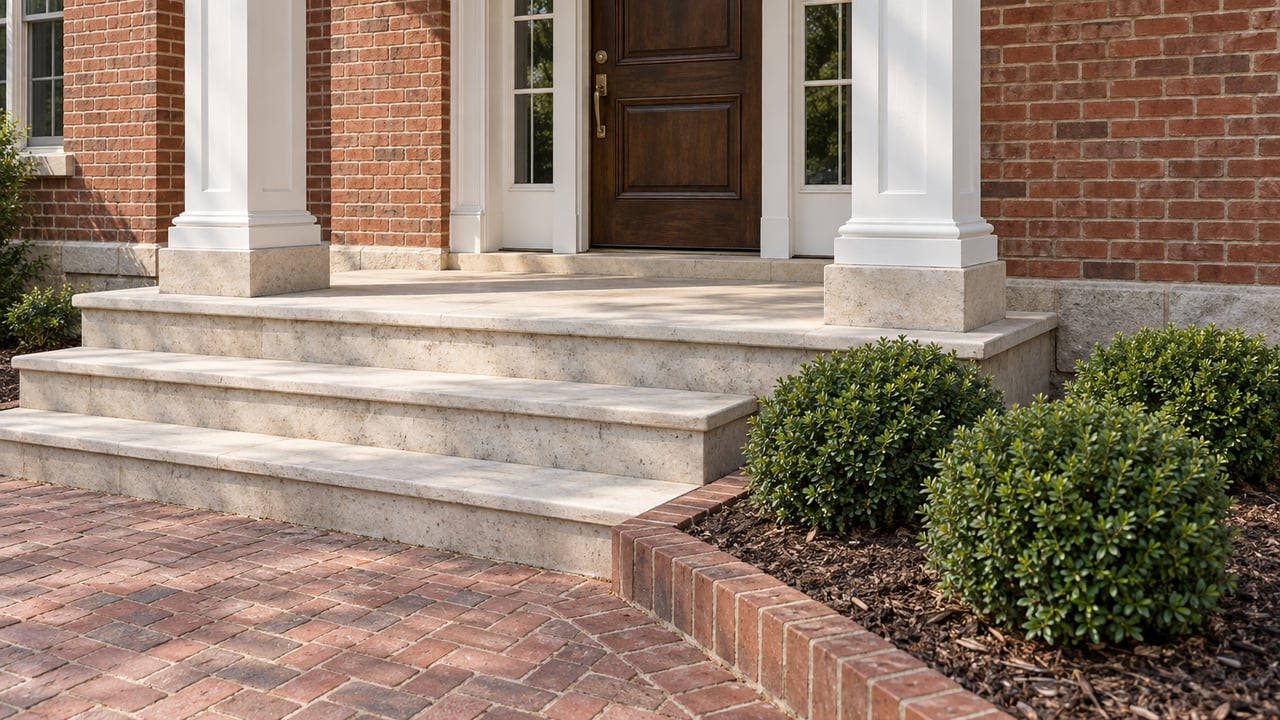
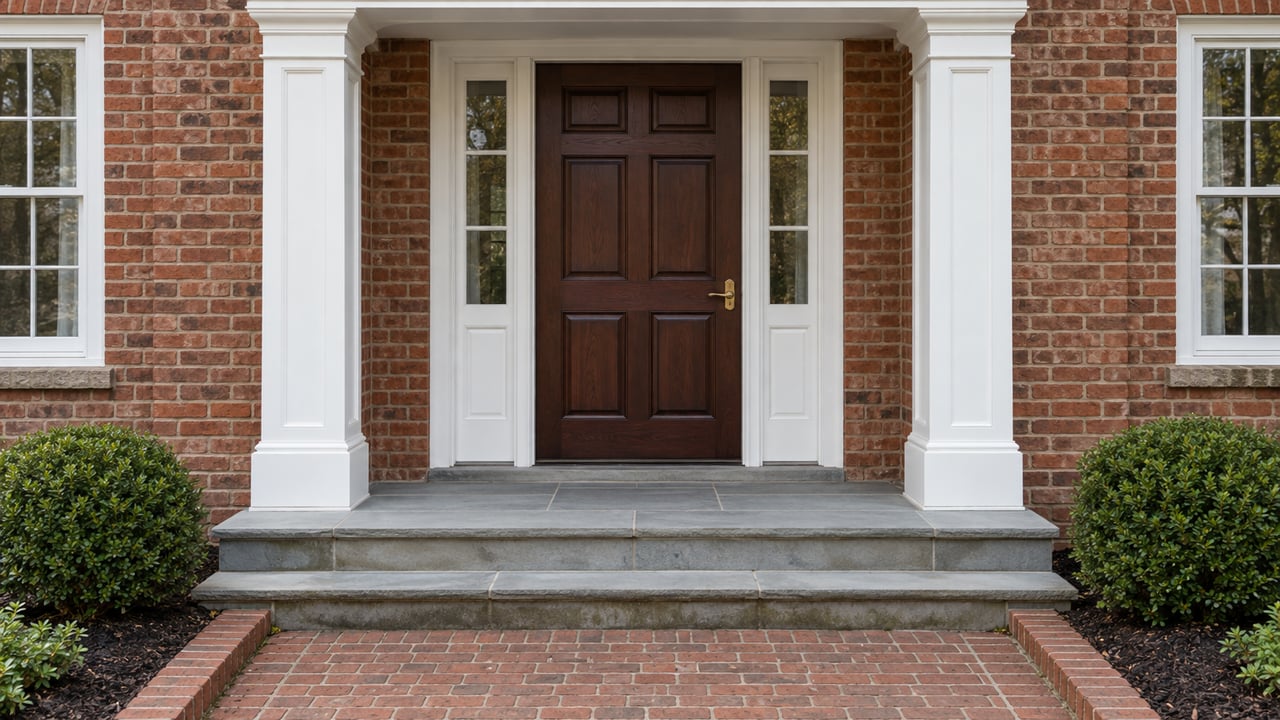
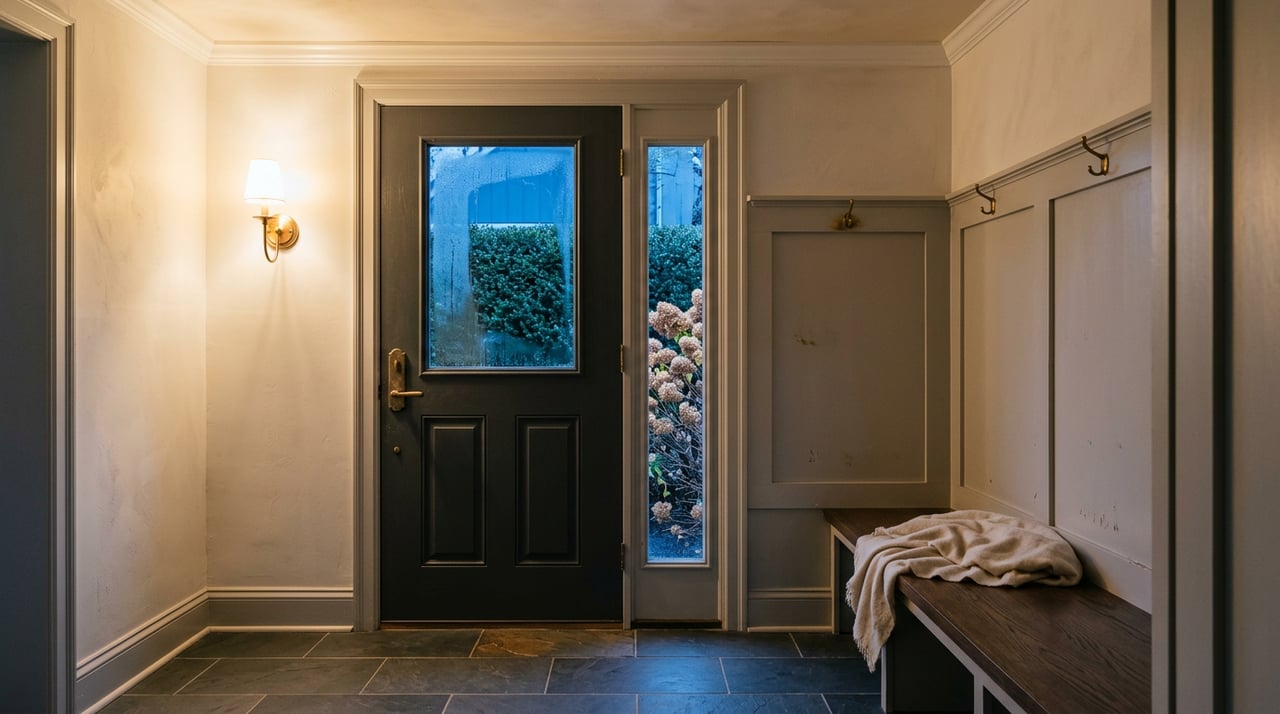
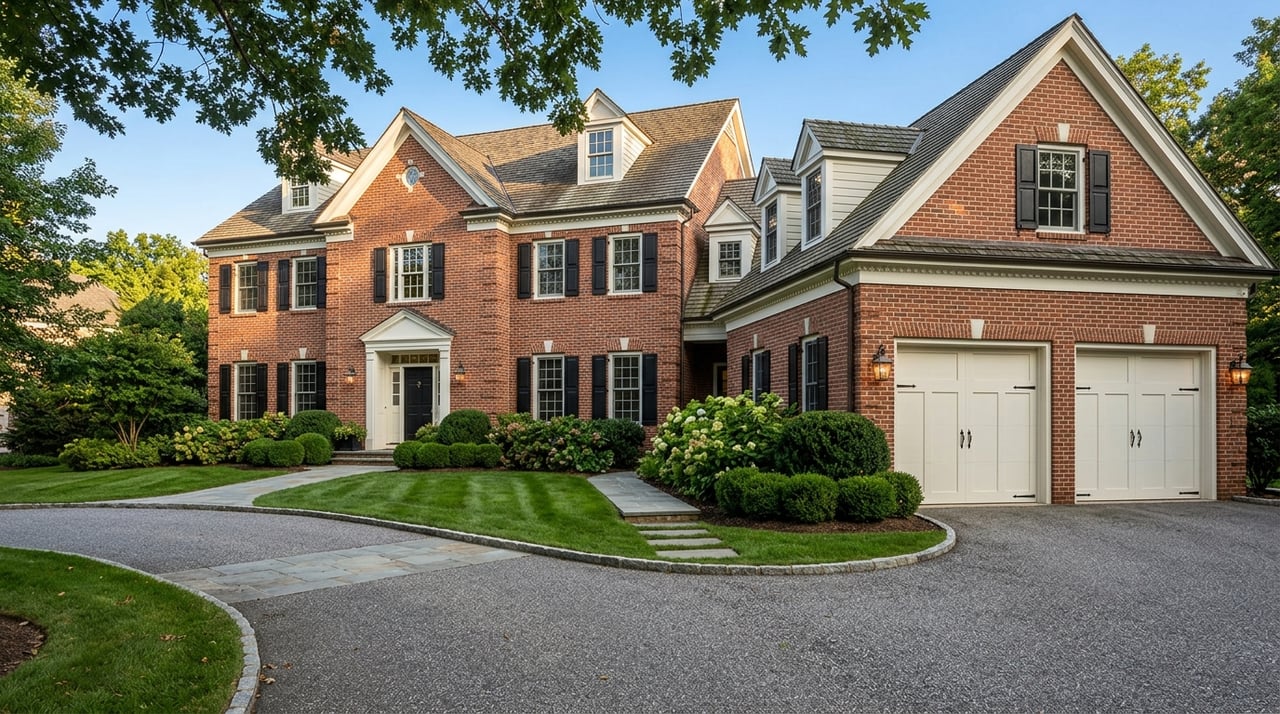
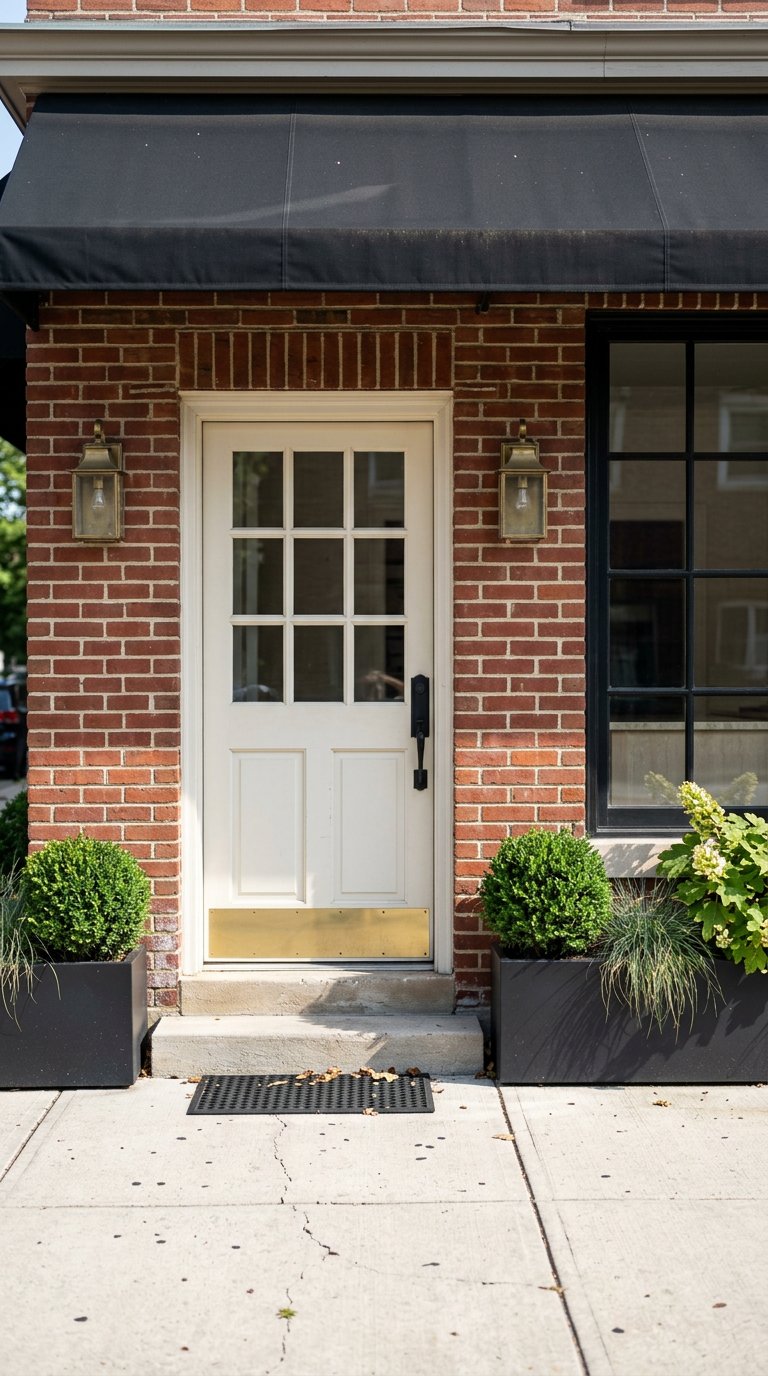
Focus on making the entry feel intentional and tidy. Clean walkways, trimmed landscaping, and a welcoming front approach can help buyers feel positive before they step inside. If your front door or entry hardware looks dated or worn, a modest refresh may go a long way.
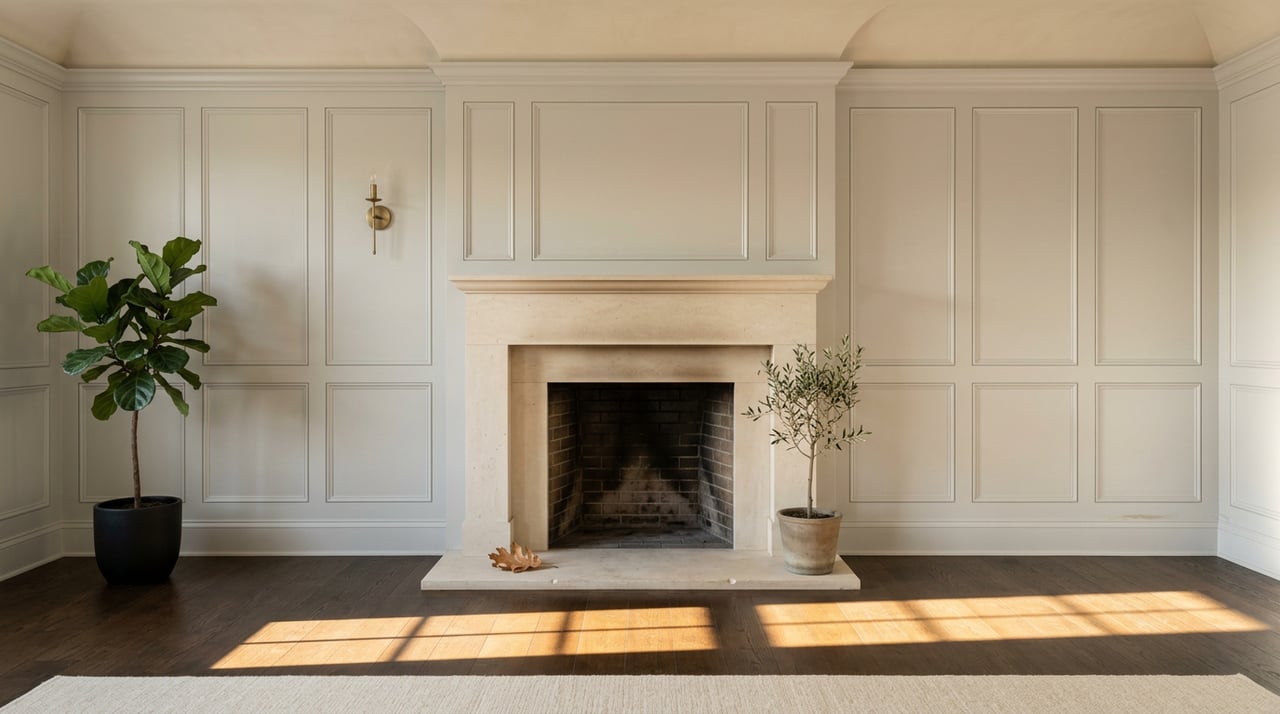
Brighten key interior spaces
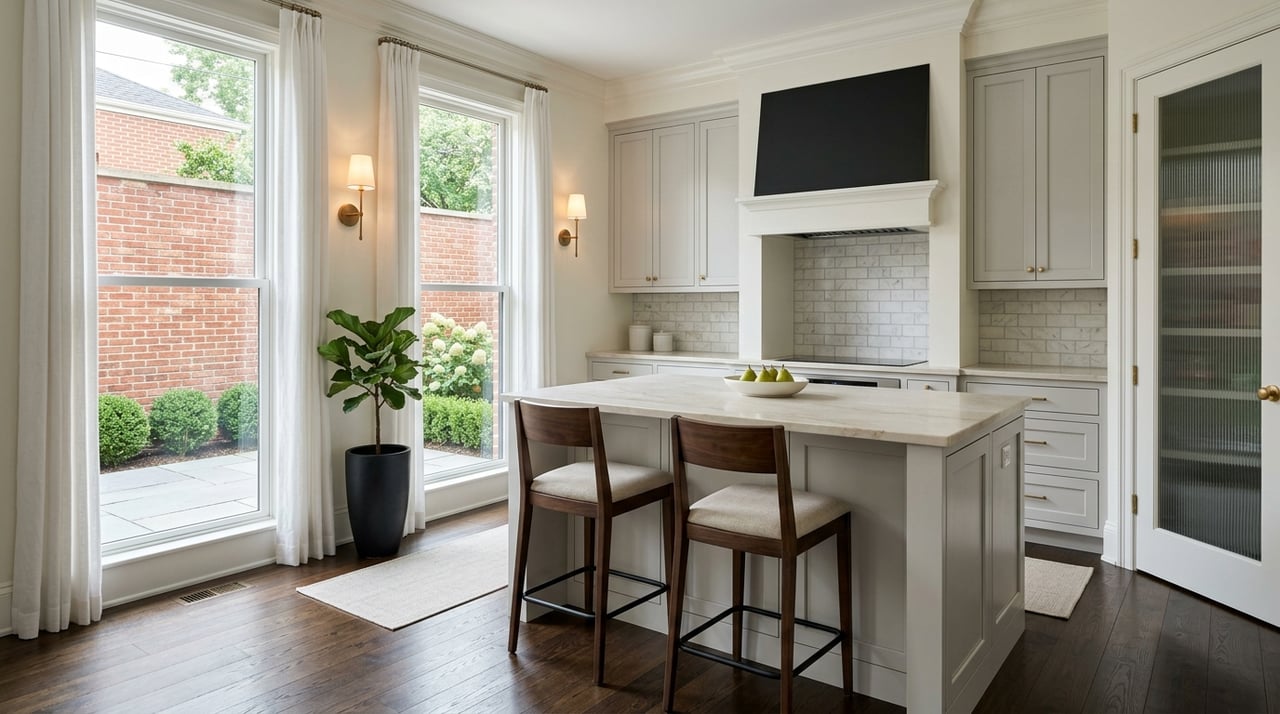
The 2025 staging report identified the living room, primary bedroom, and kitchen as the most important rooms to stage. Those spaces often shape how buyers remember the home after a showing.
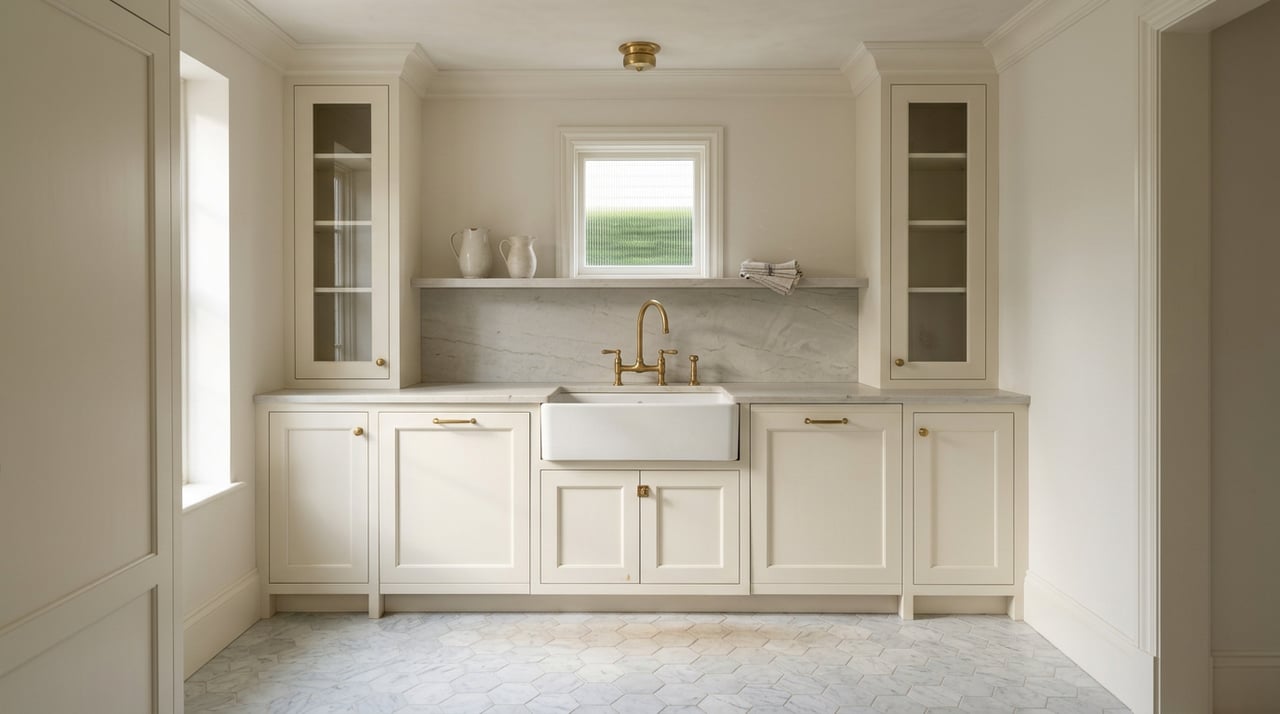
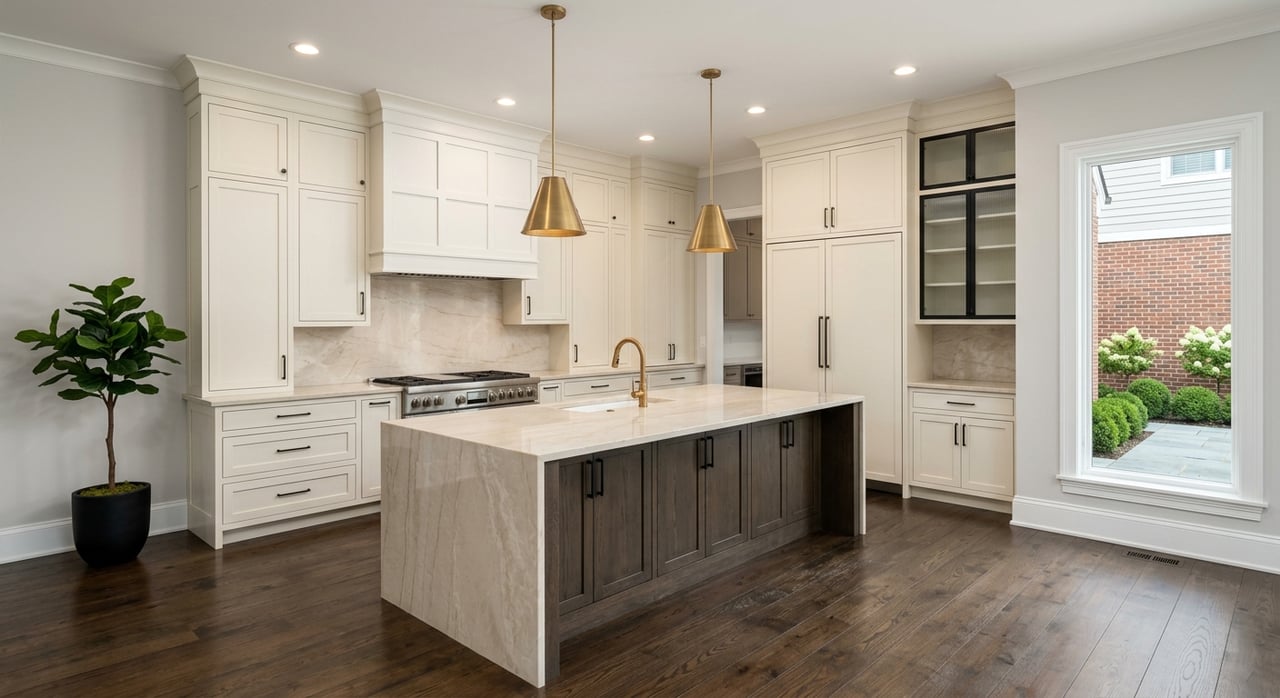
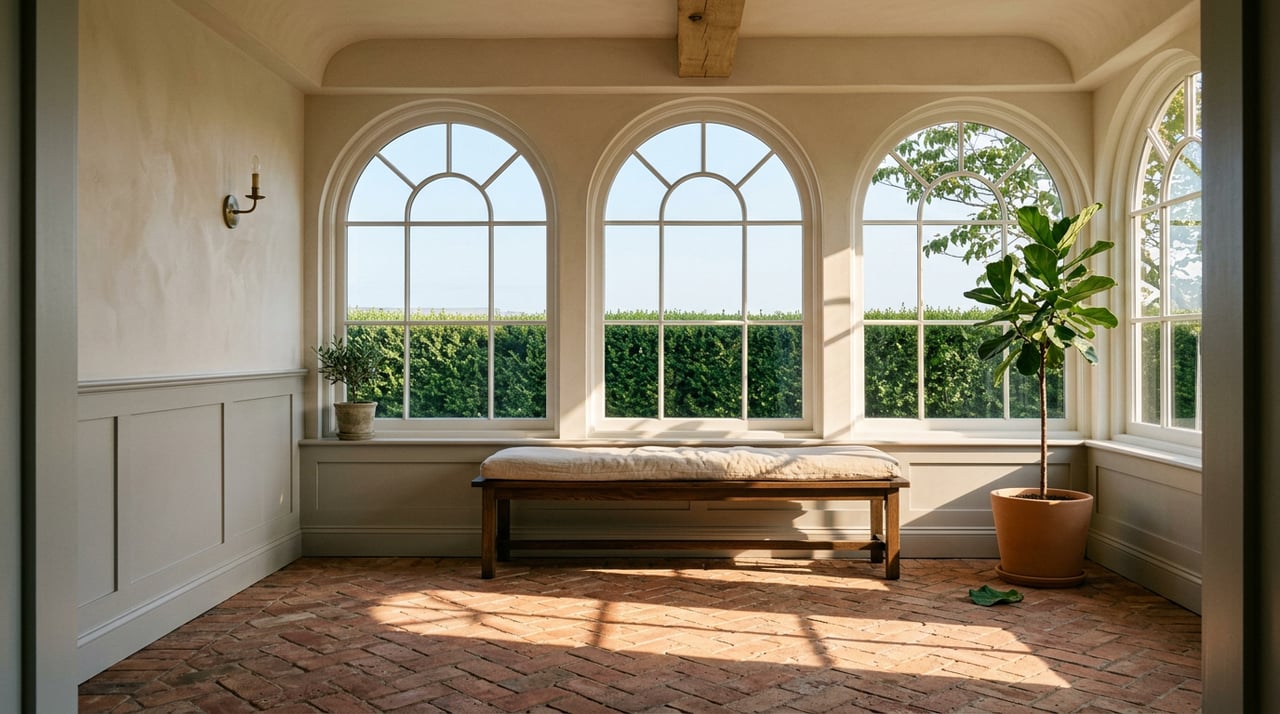
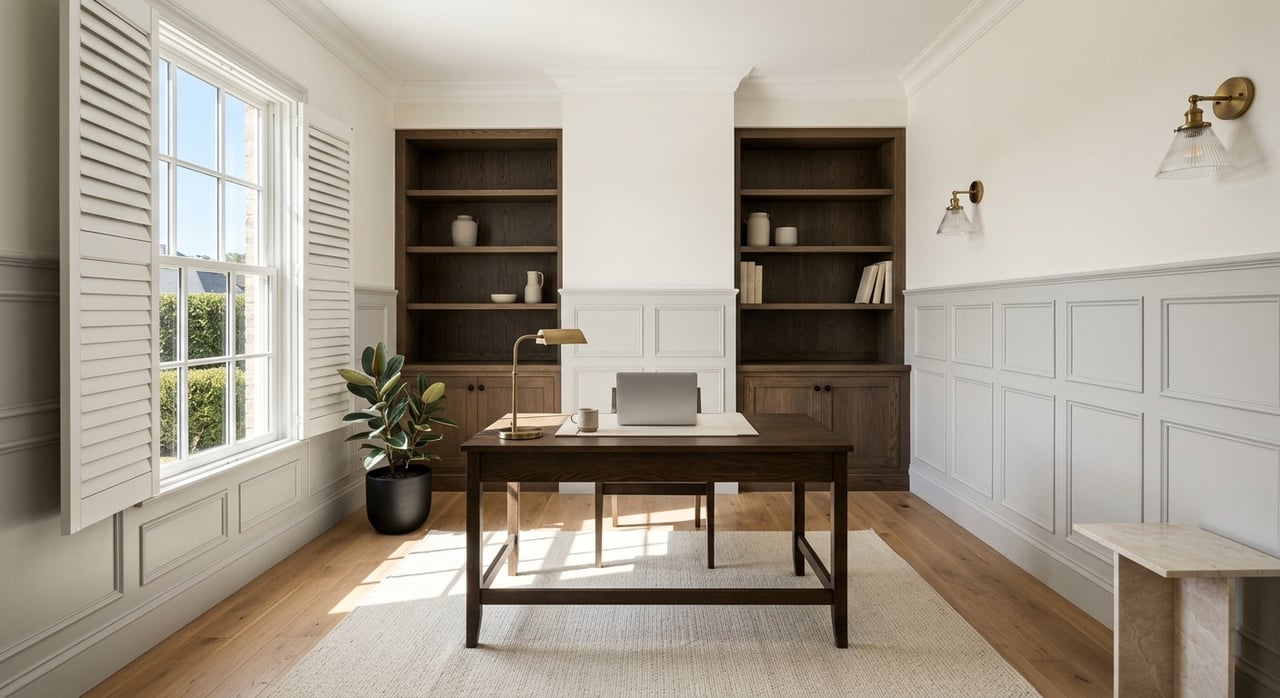
You do not always need a full redesign. Better lighting, fewer personal items, thoughtful furniture placement, and a deep clean can make these rooms feel more spacious and inviting. The goal is to help buyers focus on layout, comfort, and livability.
Should you renovate before selling?
In many cases, a full kitchen or bath remodel is not the best pre-listing move. Based on NAR’s 2025 staging and remodeling findings, smaller cosmetic updates and visible improvements often make more sense, especially if you plan to sell within 6 to 12 months.
The Remodeling Impact Report highlighted strong estimated cost recovery for projects like a new steel front door, a fiberglass front door, and a closet renovation. Larger upgrades such as kitchen updates and roofing can bring high homeowner satisfaction, but that does not always mean they are the best short-term selling investment.
For most Clifton sellers, the practical question is simple: is a feature merely older, or is it actively holding the home back? If the space is functional and presentable, a smart cleaning, repair, and staging plan may deliver better value than a major remodel. If there is a major defect or a clearly dated feature that hurts marketability, targeted updates may be worth discussing.
Clifton approval rules to check first
Exterior work may need review
This is one of the most important local details for Clifton sellers. The town’s FAQ says the Architectural Review Board administers the Historic Overlay District and reviews major repair or construction. The town code states that no exterior alteration may begin until a certificate of appropriateness is approved.
If you are considering exterior painting changes, a new fence, façade work, or other visible updates before listing, check local requirements first. Starting work without needed approval can create delays and complications at the exact time you want a smooth path to market.
Some features need added permissions
Clifton’s code also says fences may not be erected without ARB approval, and retaining walls over two feet require a use permit. In addition, the town notes that it must sign off before Fairfax County issues a building permit for work that needs one.
That does not mean every improvement is difficult. It does mean you should confirm the rules before making pre-sale changes, especially outdoors. A little planning upfront can help you avoid spending money on work that creates new issues.
A practical prep plan for sellers
If you want a simple way to prioritize, start with the items most likely to affect buyer perception quickly:
- Declutter each room
- Deep clean the entire home
- Remove overly personal decor
- Touch up paint and trim
- Repair broken fixtures and visible defects
- Improve lighting where rooms feel dim
- Tidy the yard and front entry
- Review any planned exterior work for local approval needs
- Build pricing around Clifton-specific comparable sales
This kind of plan supports what current market conditions reward: accurate pricing, clean presentation, and fewer obvious objections. It also helps you avoid over-improving in areas where buyers may value maintenance and presentation more than a full remodel.
Why local guidance matters in Clifton
Selling in Clifton is not only about putting a sign in the yard. It is about understanding how this small historic market works, how buyers evaluate older homes, and how local rules affect preparation and pricing.
NAR’s 2025 Profile of Home Buyers and Sellers found that 91 percent of sellers used an agent, and sellers’ top priorities included help marketing the home, pricing it competitively, and selling within a specific timeframe. In Clifton, those priorities are especially important because pricing often depends on nuanced factors like lot setting, permitted improvements, updating level, and historic character.
A local strategy can help you focus your budget, avoid unnecessary updates, and enter the market with a stronger plan. That is often the difference between a listing that gains traction quickly and one that needs price cuts later.
If you are thinking about selling your Clifton home, the right next step is a local pricing and prep conversation tailored to your property. The Amanda Jones Team can help you build a smart listing strategy based on Clifton’s unique market, your home’s condition, and the timeline that works for you.
FAQs
What makes pricing a home in Clifton different from pricing a home elsewhere in Fairfax County?
- Clifton pricing often depends on highly local factors like historic character, lot setting, acreage, condition, and local land-use rules, so countywide averages are only a starting point.
What should Clifton sellers fix before listing a home?
- Start with the issues buyers notice right away, such as clutter, dirt, paint wear, broken fixtures, and curb appeal concerns.
Should you renovate a kitchen or bathroom before selling a Clifton home?
- Often, no. Smaller cosmetic improvements, repairs, cleaning, and staging are usually a better short-term pre-listing investment unless the space is clearly hurting the home’s appeal.
Do Clifton homeowners need approval for exterior work before selling?
- Yes, many exterior changes may require review by the Architectural Review Board, and exterior alterations generally cannot begin until a certificate of appropriateness is approved.
How long are homes taking to sell in the Fairfax County area?
- Fairfax County reported an average of 28 days on market in February 2026, while Northern Virginia regional data showed an average of 25 days on market in March 2026.
Why is staging important when selling a Clifton home?
- NAR’s 2025 staging report found that staging can help reduce time on market, and many agents reported that it also improved the dollar value offered.