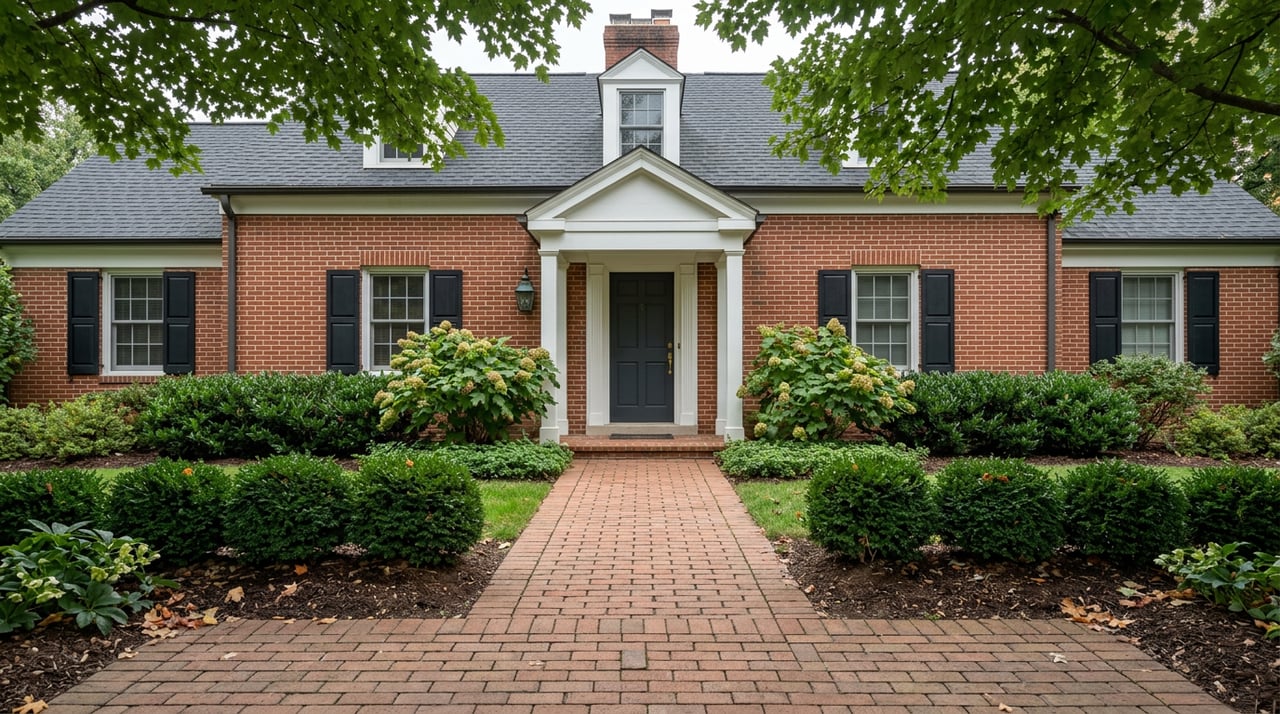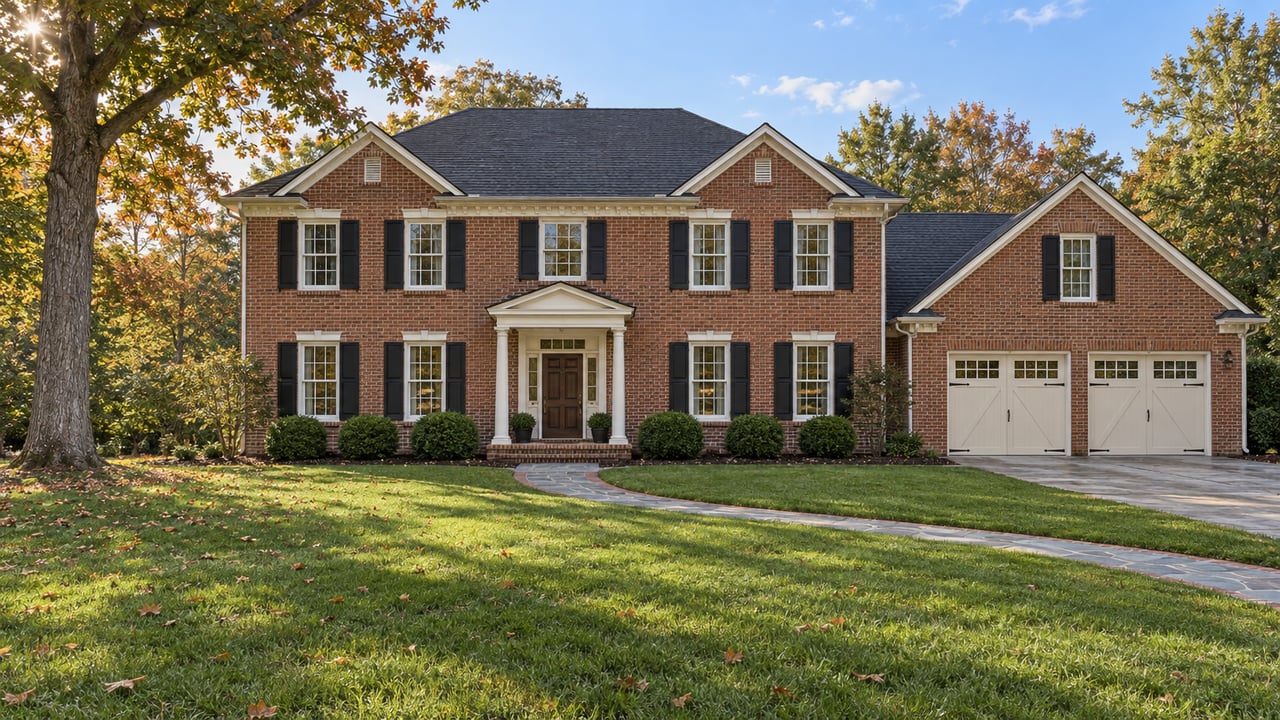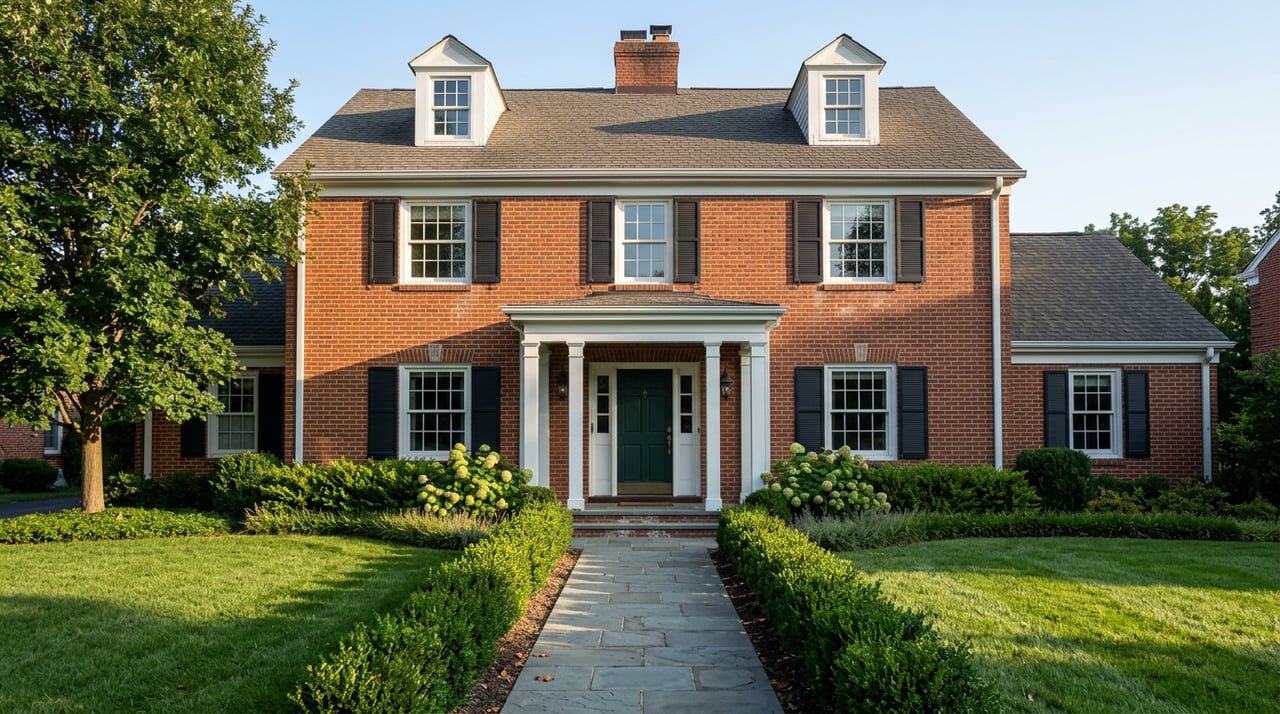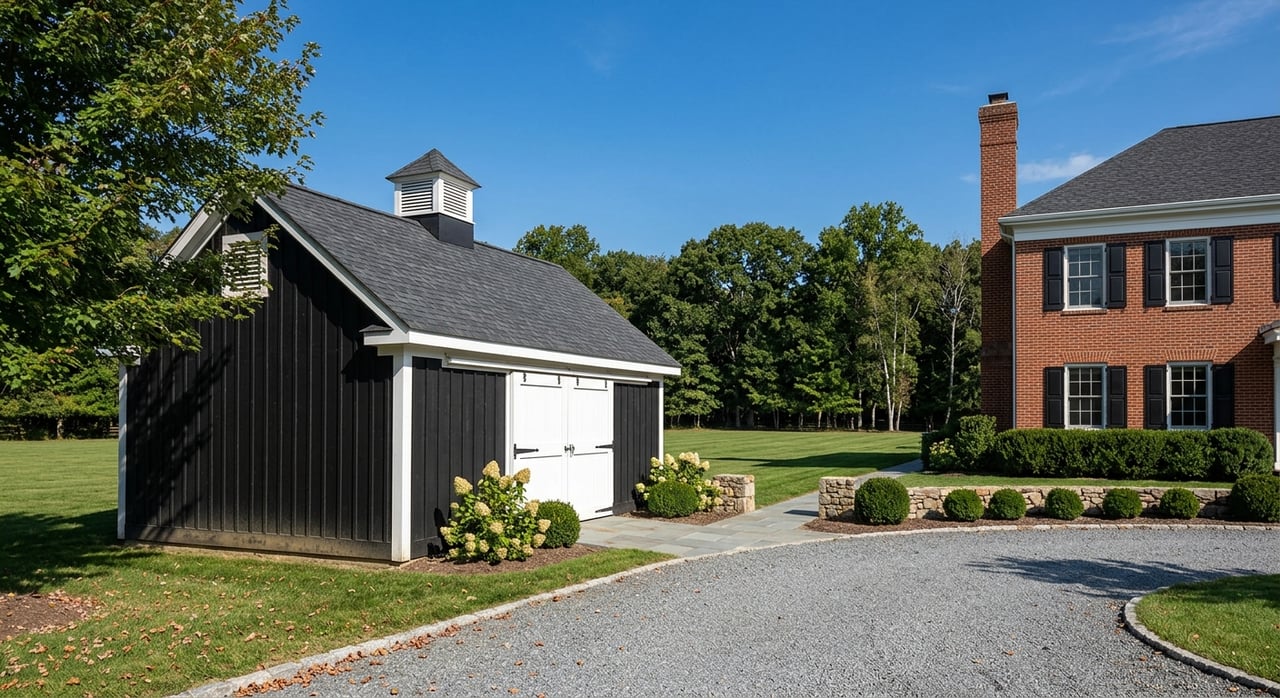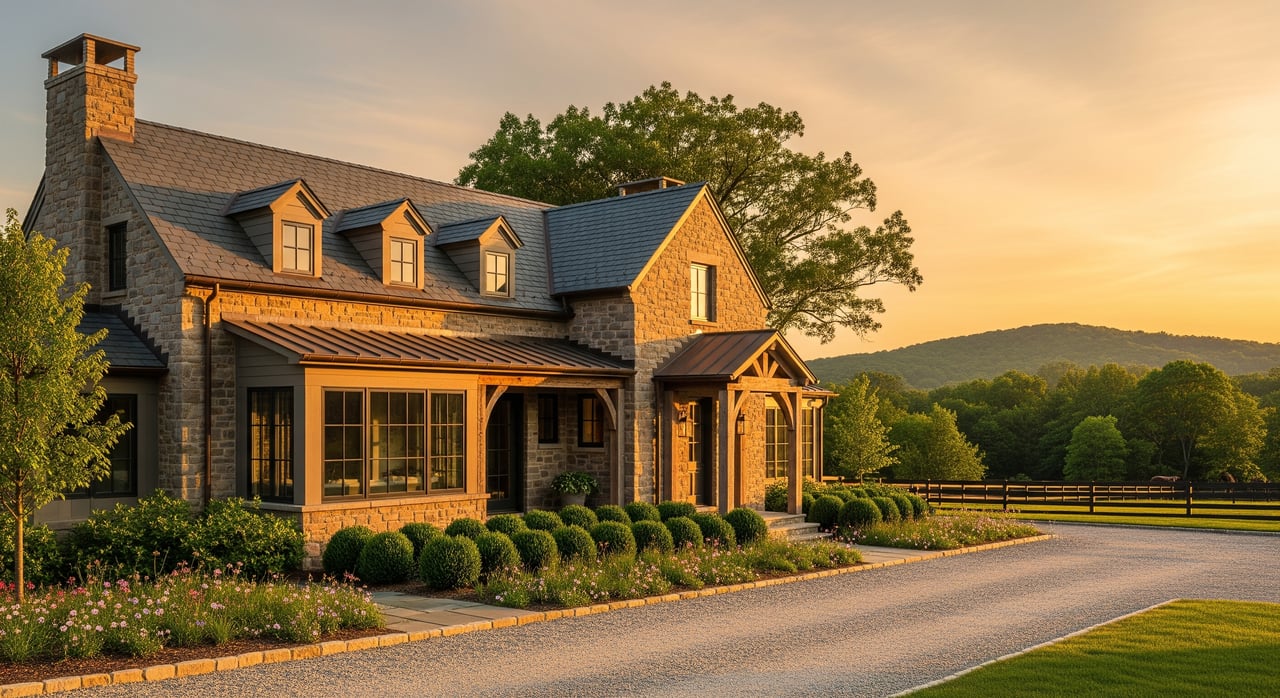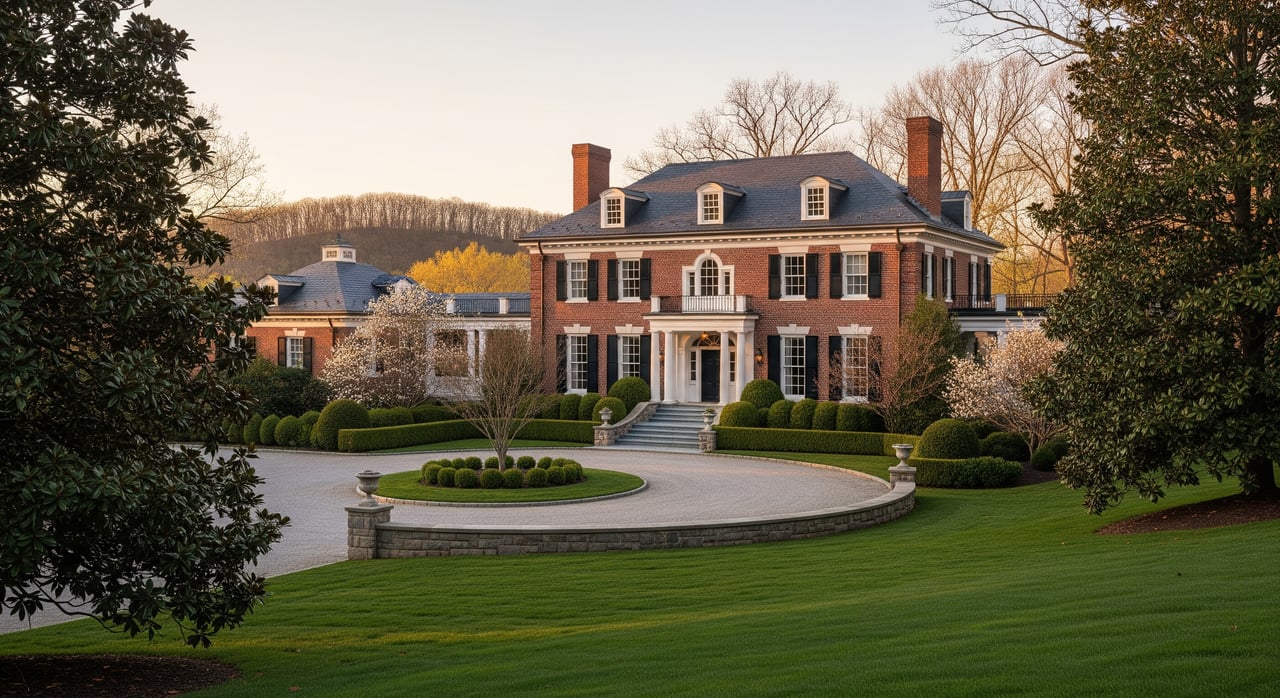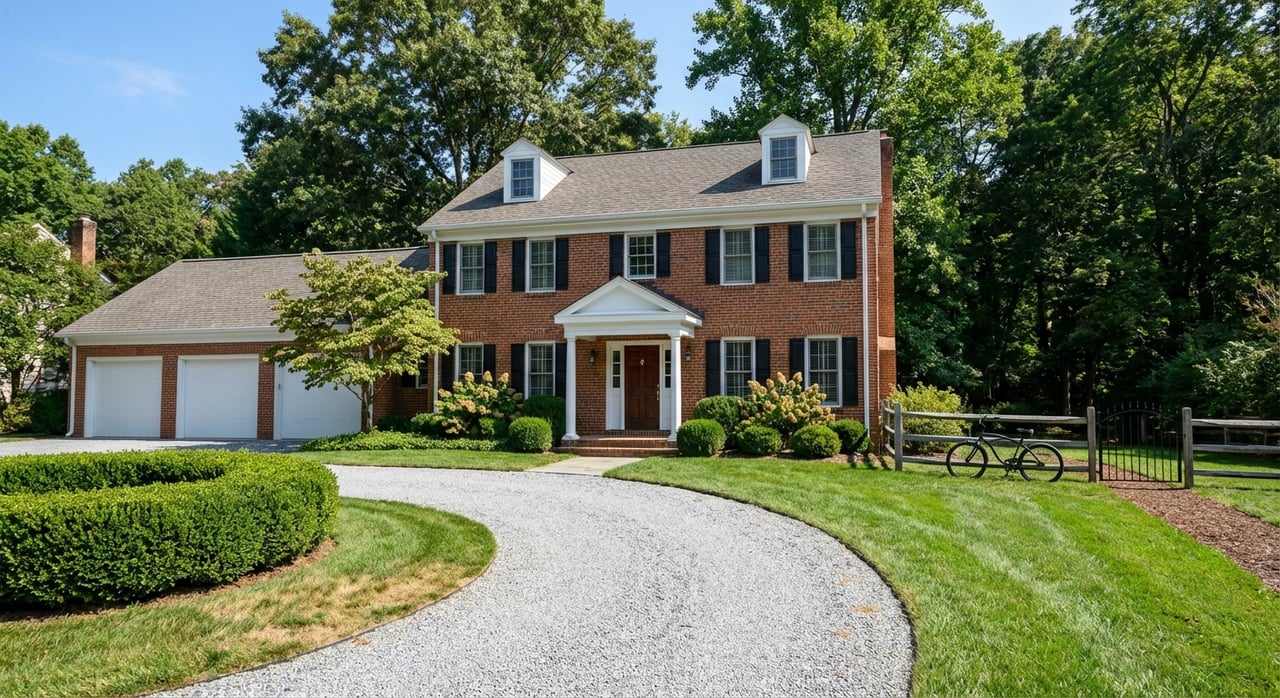
Wondering whether Clifton’s appeal is better found in a porch-front historic home or a newer property with a more modern layout? That is a common question for buyers who love Clifton’s character but want to make a practical decision for daily life and long-term upkeep. The good news is that each option offers clear advantages once you understand how Clifton’s housing stock, review rules, and surrounding development patterns work. Let’s dive in.
Why Clifton Feels So Different
Clifton is not just another Fairfax County address. It is a very small incorporated town in southwestern Fairfax County with around 200 residents, and its historic identity shapes the experience of living there.
The Clifton Historic District is known for its early village character. According to the Virginia Department of Historic Resources, much of the district developed between 1868 and 1910, with simple wood-frame homes, weatherboard siding, porches, and modest decorative details that create a cohesive small-scale streetscape.
Fairfax County planning documents reinforce that same idea. The town is described as a stable community with a distinct historic character, little anticipated additional development, and a long-standing policy of retaining its semirural feel.
Historic Clifton Home Styles
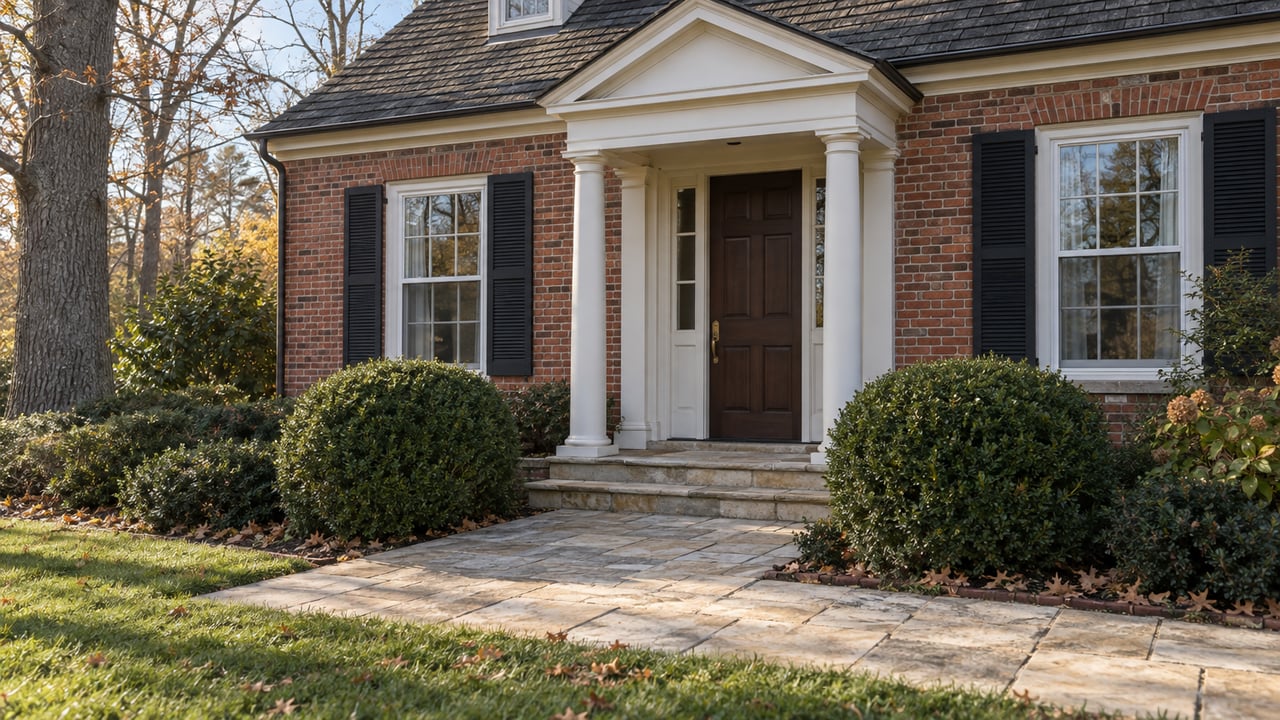
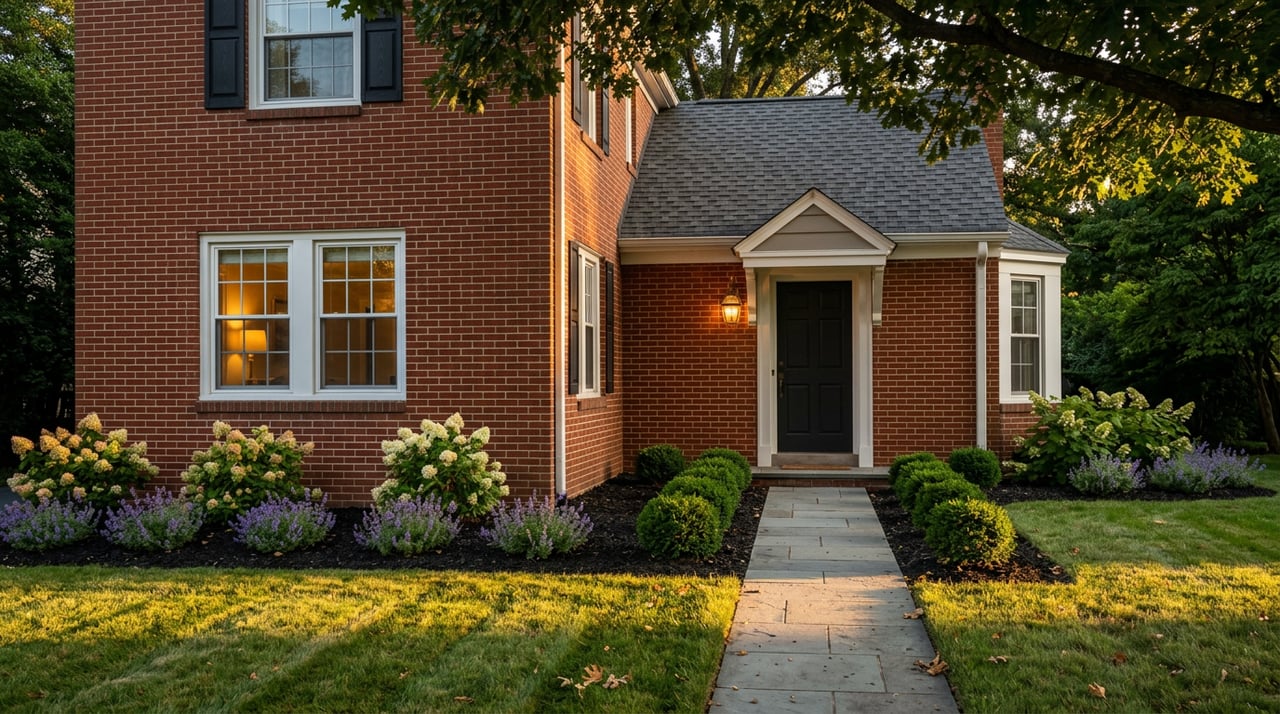
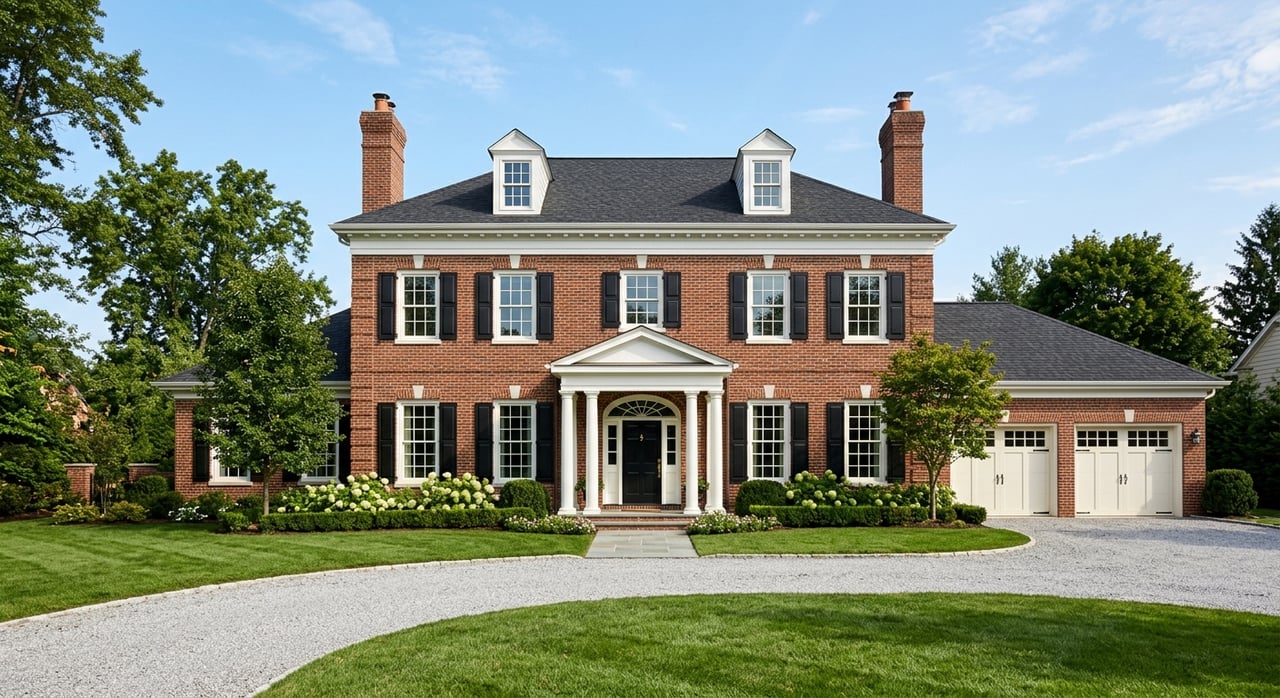
If you are touring homes in town, you will likely notice a consistent architectural rhythm. Many homes are one or two stories with straightforward forms, gable or hipped roofs, front porches, and practical detailing rather than large or highly customized facades.
That does not mean every home looks the same. The historic district also includes a few standout examples, including Second Empire, Craftsman, and neo-Gothic designs, which add visual variety without changing Clifton’s overall village feel.
Common Features You May See
- Wood-frame construction
- Weatherboard siding
- Gable or hipped roofs
- Front porches
- Modest ornament and simple forms
- Smaller-scale homesites and streetscapes
For many buyers, these details are the point. A historic Clifton home often offers architectural character that feels hard to replicate in newer construction.
What Historic Ownership Means Day to Day
Charm comes with a practical side. If a home is inside the Town of Clifton’s Historic Overlay District, major exterior repair or construction work requires review by the town’s Architectural Review Board, along with a certificate of appropriateness.
That review process matters more in daily ownership than a register listing by itself. The Virginia Department of Historic Resources notes that listing on the National Register or Virginia Landmarks Register does not automatically prevent alterations or demolition unless other protections, easements, or agreements apply.
In plain terms, if you are buying in historic Clifton, you should pay close attention to the local overlay and permitting process. Exterior changes, fences, and signs may need review, while internal work such as plumbing, electrical, drywall changes, and stabilizations is generally not inspected by the town, though town sign-off is still needed before a Fairfax County building permit can move forward.
Questions to Ask Before You Buy a Historic Home
- Is the property inside the Town of Clifton boundary?
- Is it within the Historic Overlay District?
- What exterior projects would require ARB approval?
- Have major systems already been replaced or updated?
- Were past renovations evaluated for lead-based paint or asbestos concerns?
- Are there plans for additions, utility work, or landscaping that could trigger more review?
These questions can help you move from emotional reaction to informed decision-making.
Older Home Maintenance to Expect
Older homes often require a more careful inspection process. If a home was built before 1978, lead-based paint may be a concern, and renovation work that disturbs painted surfaces can create hazardous dust.
Asbestos may also be found in some older materials, including insulation, flooring, roofing, siding, and pipe coverings. On top of that, many older homes have less insulation than homes built to newer standards, which can affect comfort and utility costs.
That does not mean an older home is the wrong choice. It means you should go in with open eyes, a solid inspection strategy, and a clear understanding of what has already been updated versus what may still need attention.
Another Clifton-Specific Consideration
For buyers thinking about additions or major site work, Fairfax County adds one more layer to consider. County planning guidance says historic buildings are often located near archaeological remains, so subsurface disturbance for utilities, outbuildings, road work, or other major changes may need adequate archaeological investigation.
If you dream of adding a detached garage, expanding a porch, or making major landscape changes, that is worth discussing early. It can affect both timing and project planning.
What Newer Clifton-Area Homes Offer
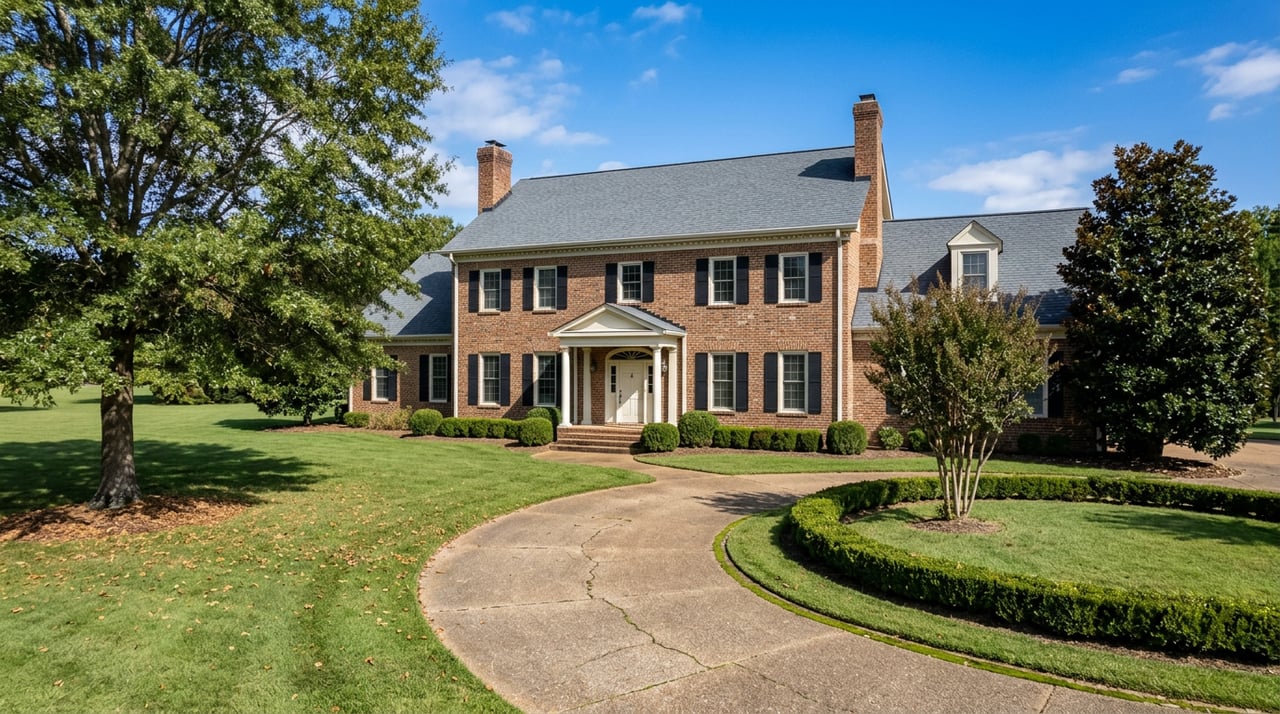
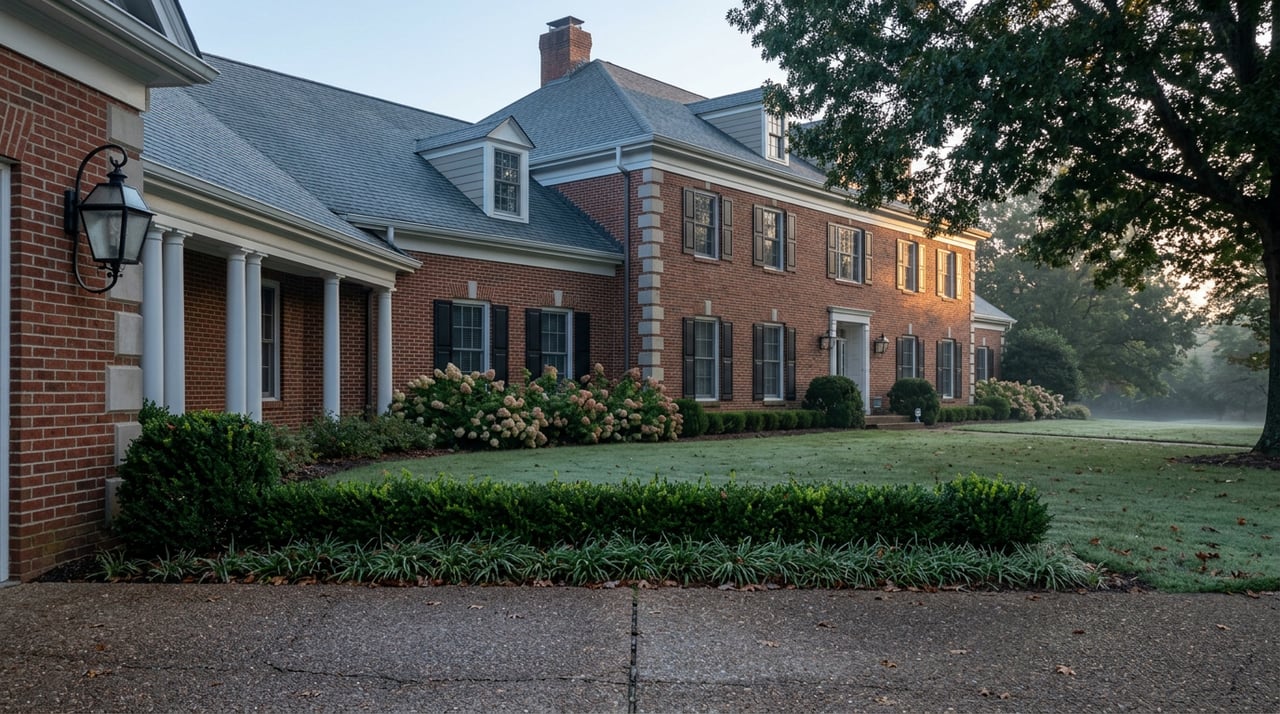
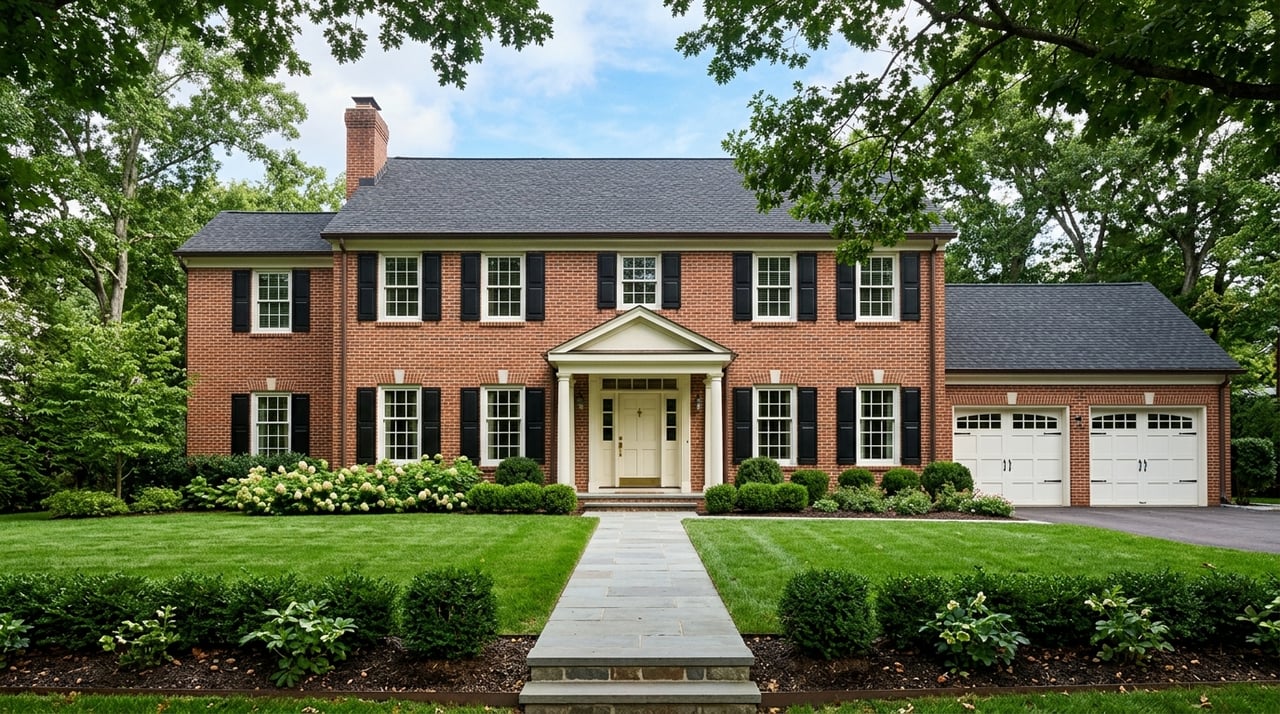
If you move outside the historic town core, the housing experience often changes. Fairfax County planning materials describe the surrounding area as very low-density residential development, including newer homes in five-acre-lot subdivisions alongside older rural houses.
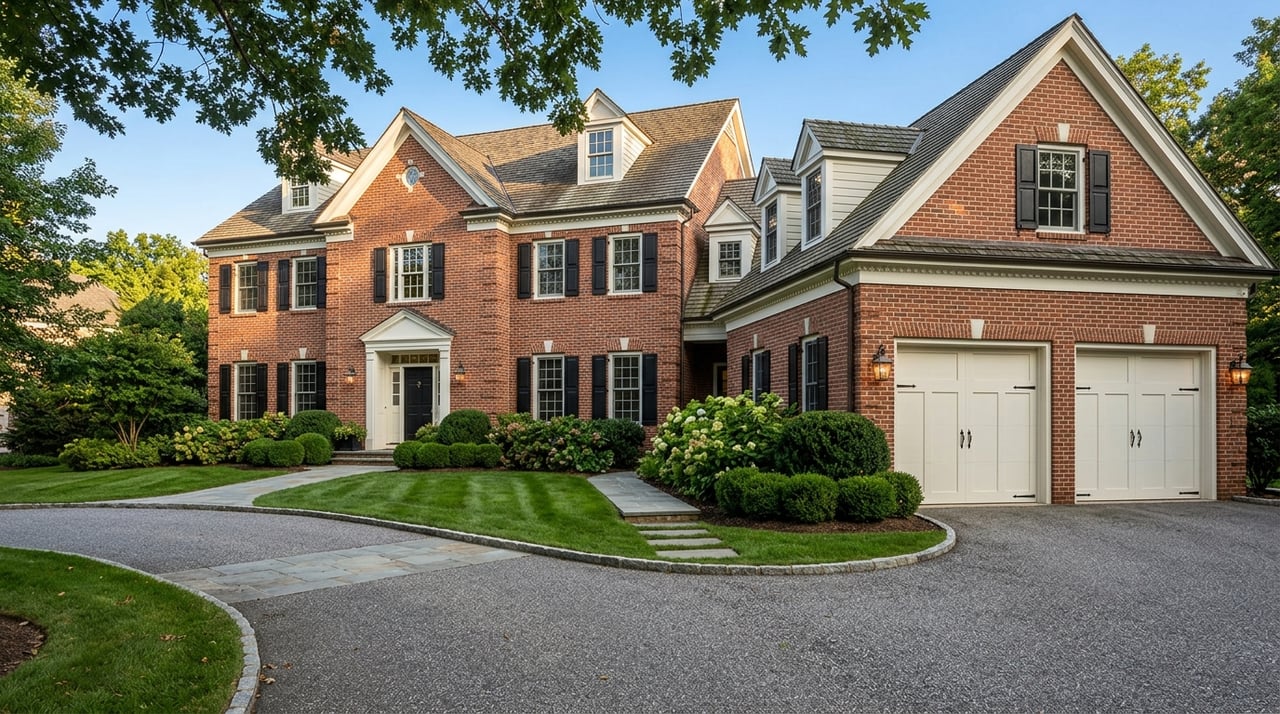
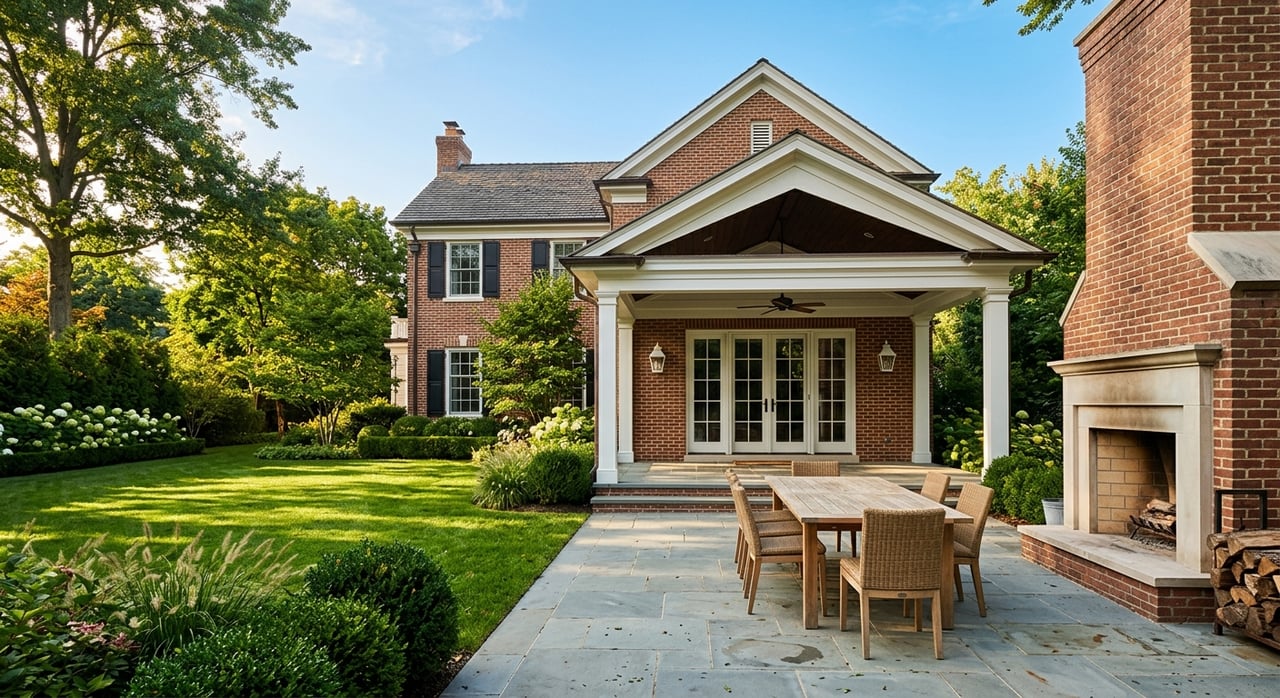
For buyers, that often means larger parcels, more open spacing, and a less tightly preserved village setting. It can feel more private and less constrained, especially if you want a home that supports a more contemporary lifestyle.
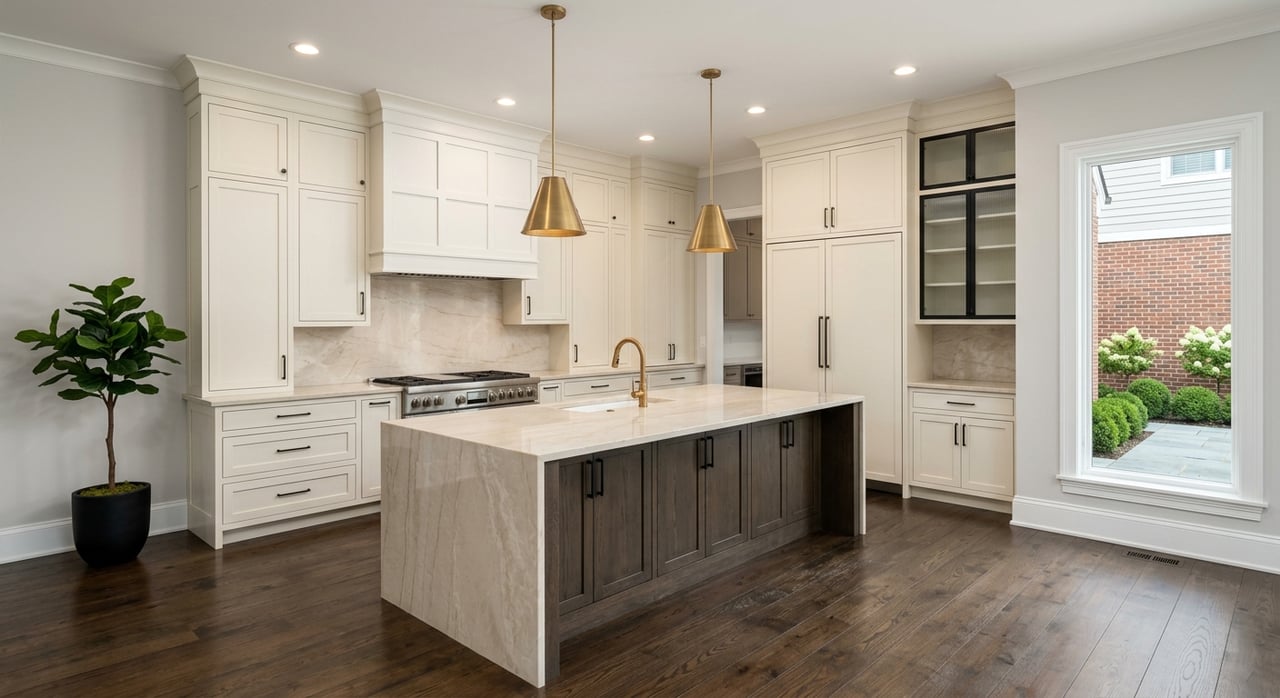
Newer homes also tend to appeal to buyers who want modern floor plans and fewer near-term maintenance surprises. In many cases, newer construction can mean delayed major replacement costs for systems like roofing or HVAC, more current energy performance, and a layout designed around today’s preferences.
Why Some Buyers Prefer Newer Homes
- More contemporary room layouts
- Lower near-term maintenance needs
- Potentially lower utility costs from newer materials and construction standards
- Less concern about older building materials
- Fewer exterior design constraints in some locations
- Larger lots outside the town core
That said, newer homes can come with tradeoffs. Depending on the property, buyers may face higher upfront costs, a less established streetscape, or a location that feels less village-like than in-town Clifton.
Historic Charm vs. Modern Ease
The right choice usually comes down to how you want to live. If you value architectural character, front-porch appeal, and the experience of owning a home in a compact, visually cohesive small town, historic Clifton may be the better fit.
If you prioritize a modern layout, more predictable maintenance, and fewer exterior review constraints, a newer home outside the town core may make more sense. Neither is universally better. It is about which tradeoffs feel easiest for you to live with.
| Priority | Historic In-Town Home | Newer Surrounding Home |
|---|---|---|
| Character | Strong historic identity | More contemporary feel |
| Exterior changes | More likely to need review | Often fewer constraints, depending on location |
| Maintenance | May require more updates and due diligence | Often more predictable near-term upkeep |
| Layout | May reflect older floor plans | More likely to offer modern layouts |
| Setting | Village-scale and visually cohesive | Larger lots and more open spacing |
Confirm Review Rules Before Writing an Offer
One of the most important steps is confirming exactly where a property sits. A home may be inside the Town of Clifton, outside the town but still subject to another historic overlay, or outside historic review altogether.
That distinction matters if you have plans for renovations, additions, fencing, or exterior design changes. Before you write an offer, make sure you understand the approval path tied to that specific address.
How to Decide With Confidence
A smart Clifton home search starts with your priorities, not just your wish list. Think about how much value you place on period character, how comfortable you are with older-home upkeep, and whether you want flexibility for future exterior changes.
It also helps to think a few years ahead. If you expect to renovate, expand, or simply want lower maintenance early in ownership, a newer home may offer a smoother path. If you want a home with presence, history, and a distinct sense of place, historic Clifton can be hard to match.
The best outcome usually comes from comparing specific homes through the lens of lifestyle, upkeep, and review requirements, not just price per square foot. That is where local guidance can make a real difference.
If you are weighing historic charm against modern ease in Clifton, the right advice can save you time and help you focus on the homes that truly fit your goals. The Amanda Jones Team brings deep Northern Virginia market knowledge and practical guidance to help you evaluate Clifton homes with confidence.
FAQs
What makes historic Clifton homes different from other Fairfax County homes?
- Historic Clifton homes are typically wood-frame houses with weatherboard siding, simple rooflines, front porches, and modest detailing, all within a small-scale village setting shaped largely between 1868 and 1910.
What approvals may be required for exterior changes to a Clifton historic home?
- For homes within the Town of Clifton’s Historic Overlay District, major exterior repairs or construction work generally require Architectural Review Board review and a certificate of appropriateness.
What maintenance issues should buyers consider with older Clifton homes?
- Buyers should closely review potential lead-based paint, asbestos in older materials, insulation levels, and the age or condition of major home systems before moving forward.
What do newer homes near Clifton usually offer buyers?
- Newer Clifton-area homes often offer larger lots, more open spacing, modern layouts, and more predictable near-term maintenance compared with homes in the historic town core.
Why does the property location matter so much in Clifton home searches?
- A property’s exact location determines whether it is inside the Town of Clifton, subject to the town’s historic overlay rules, affected by another review layer, or outside historic review altogether.