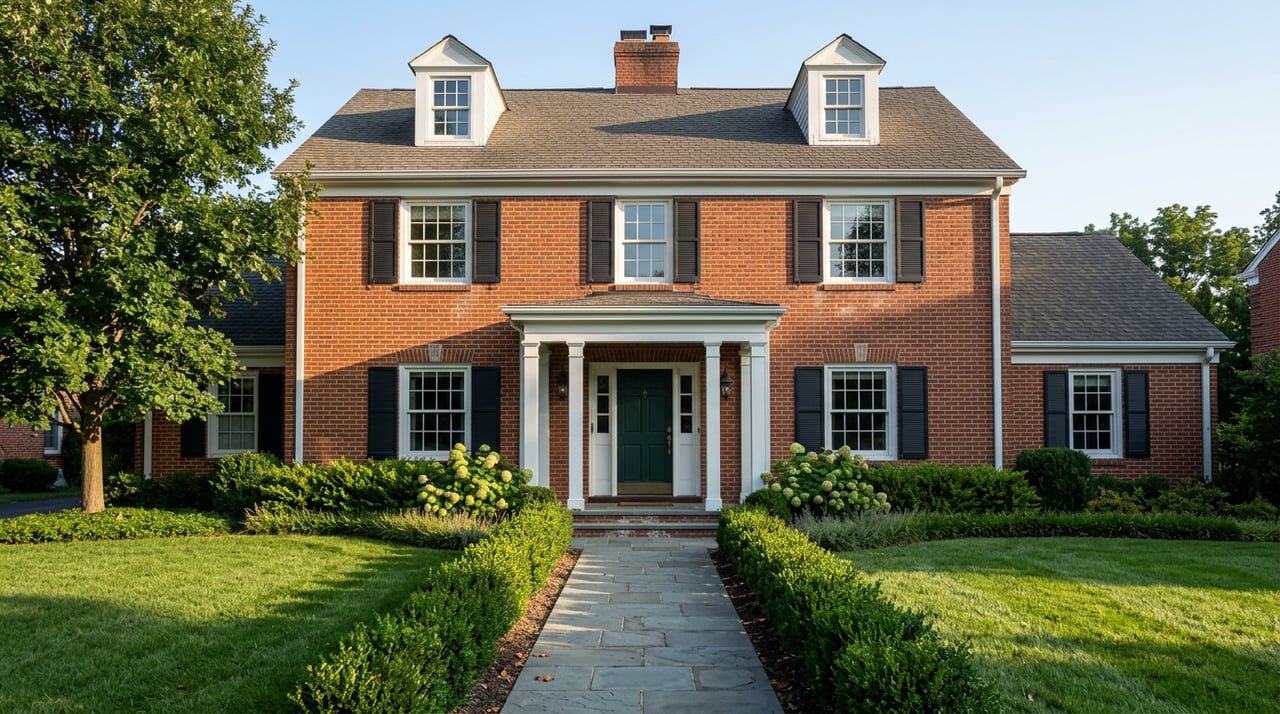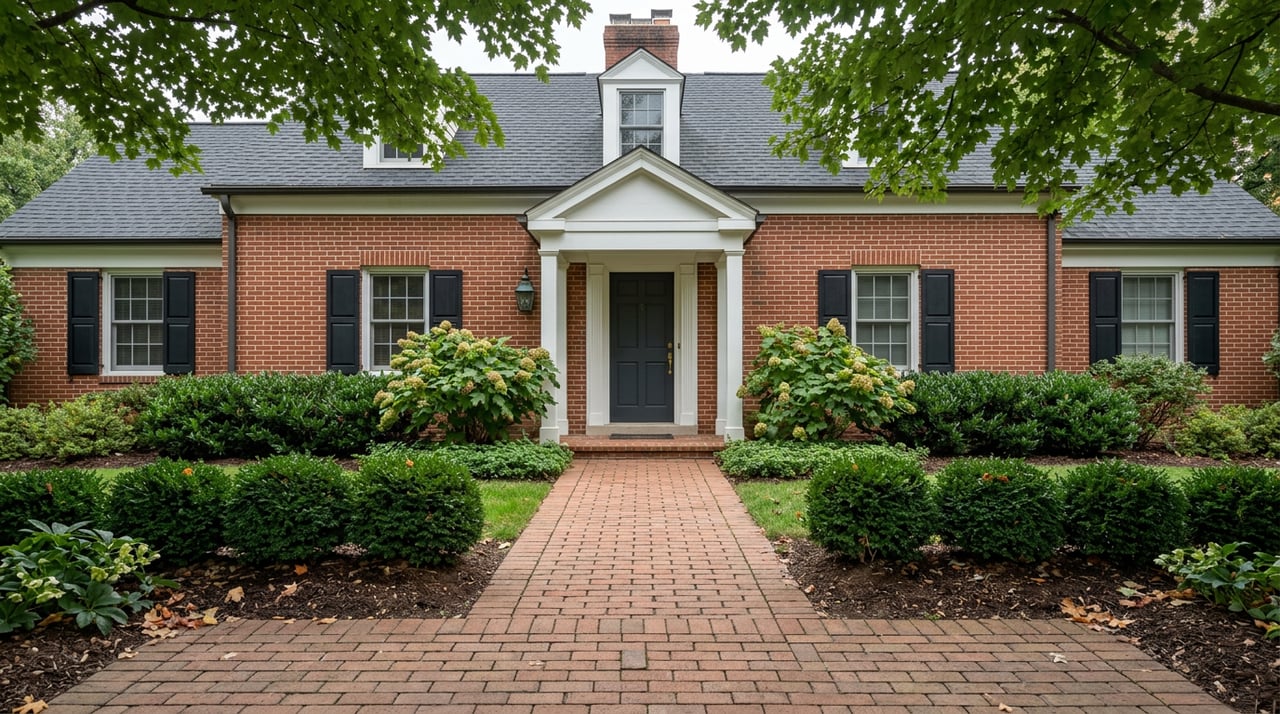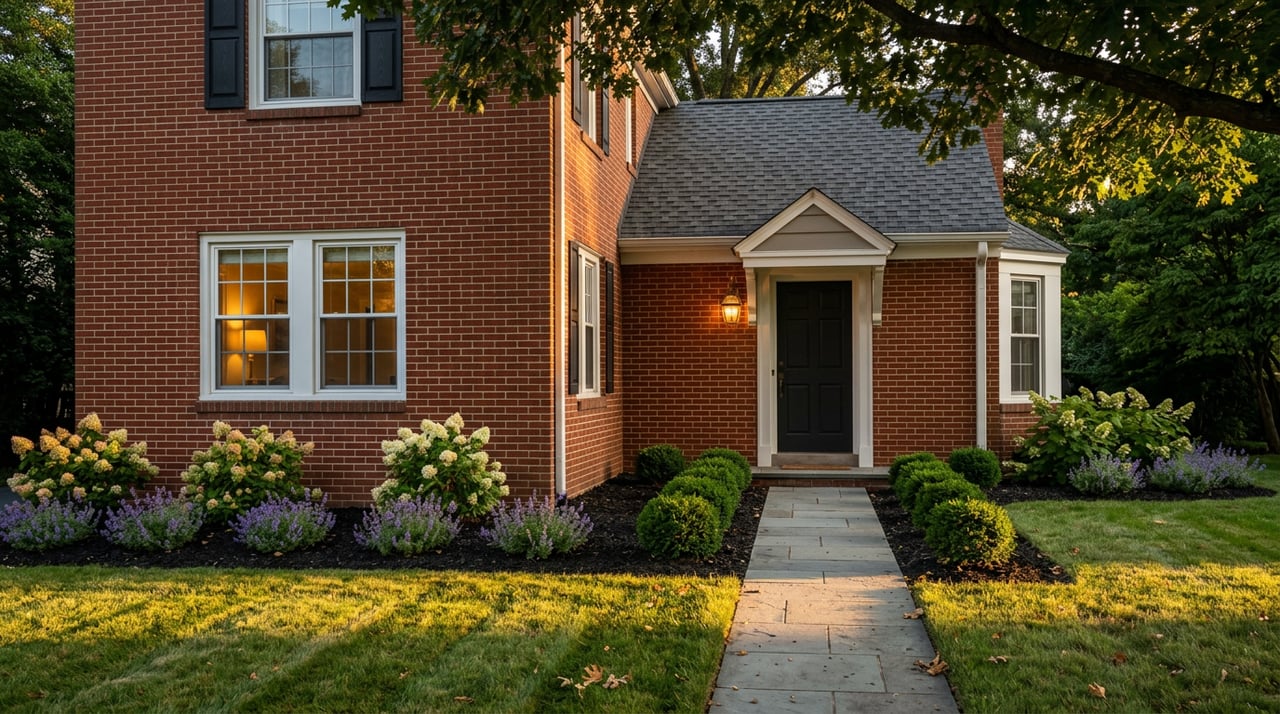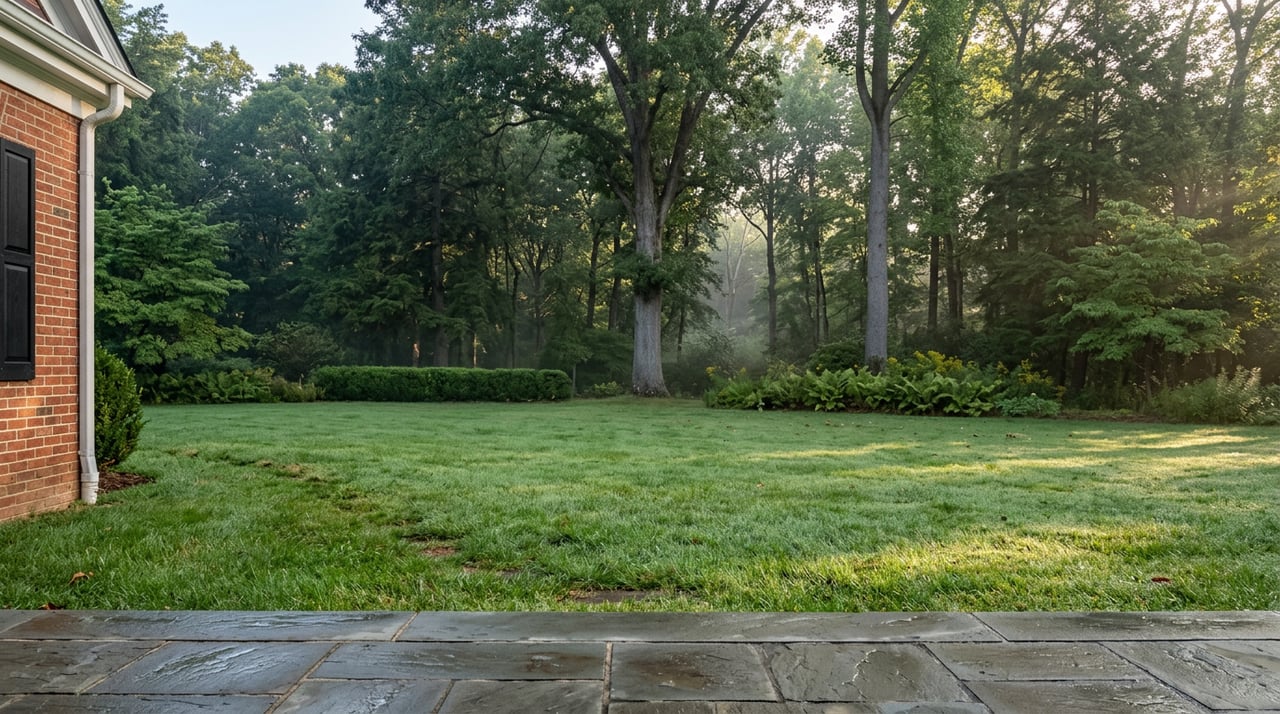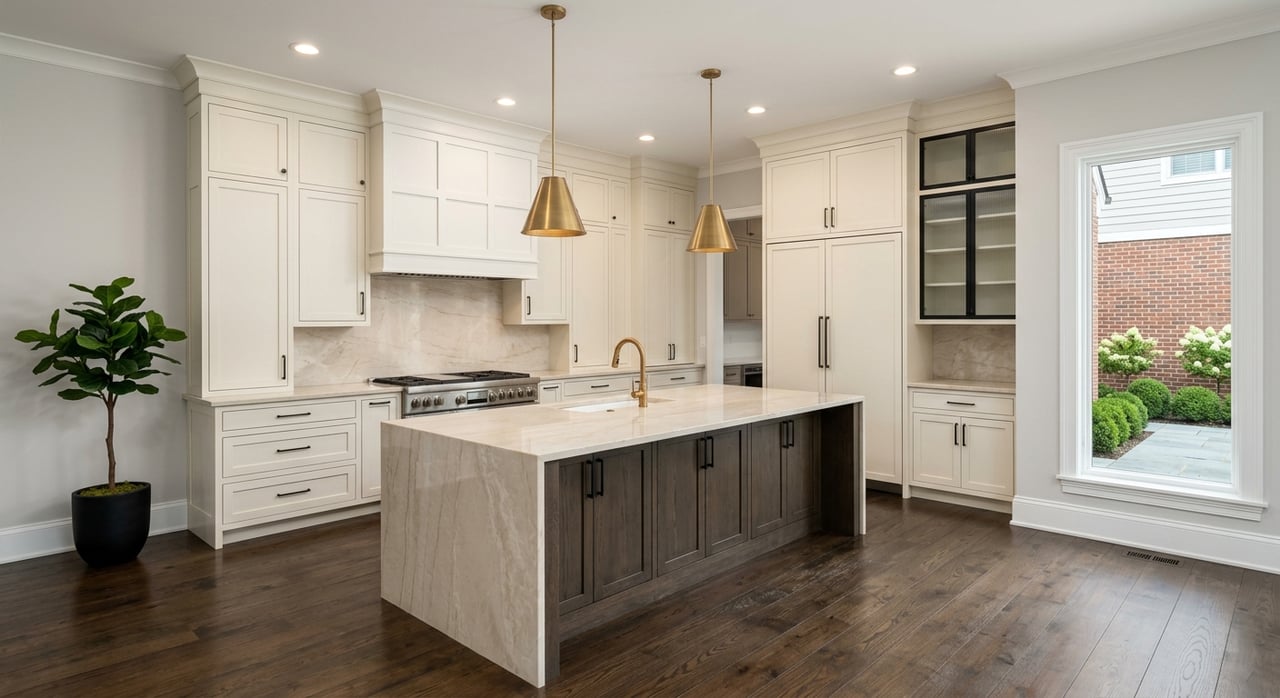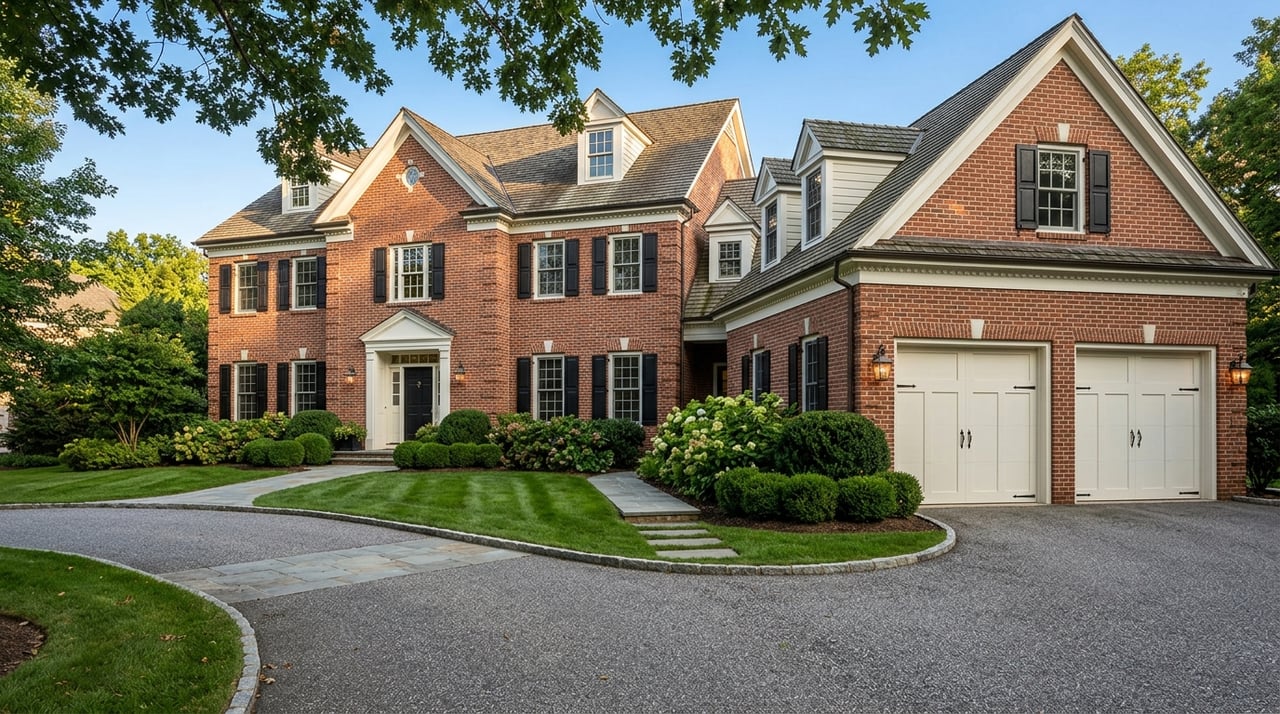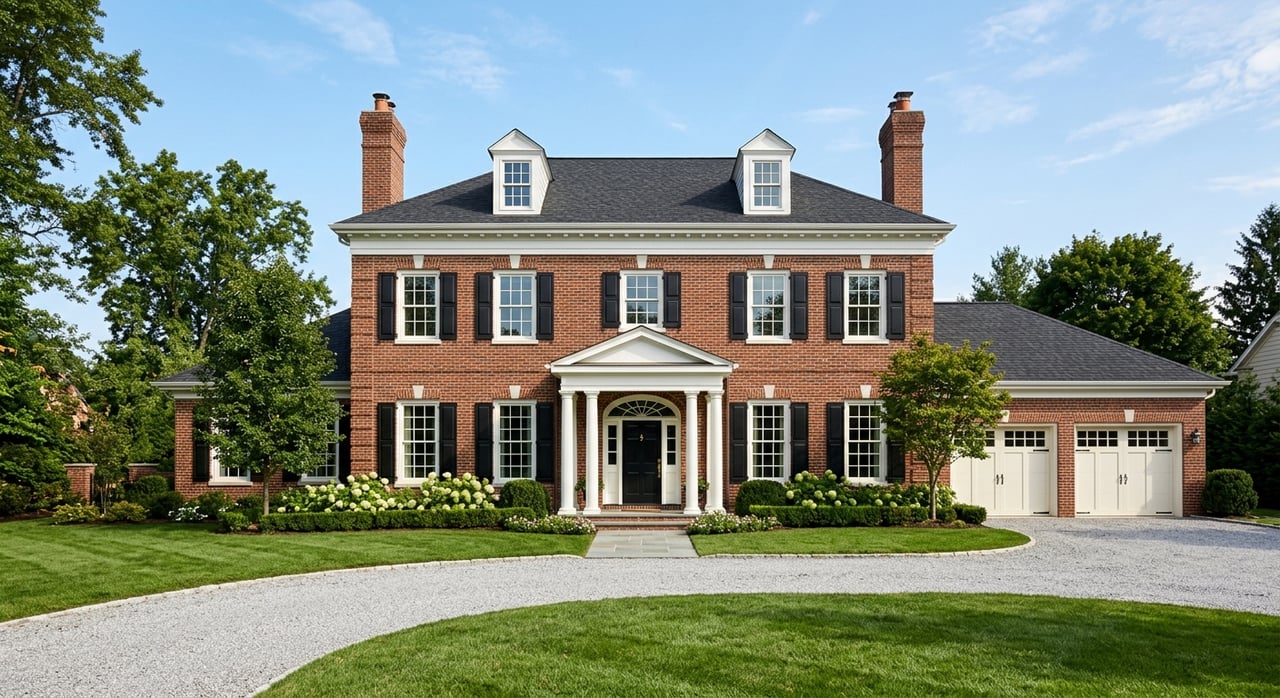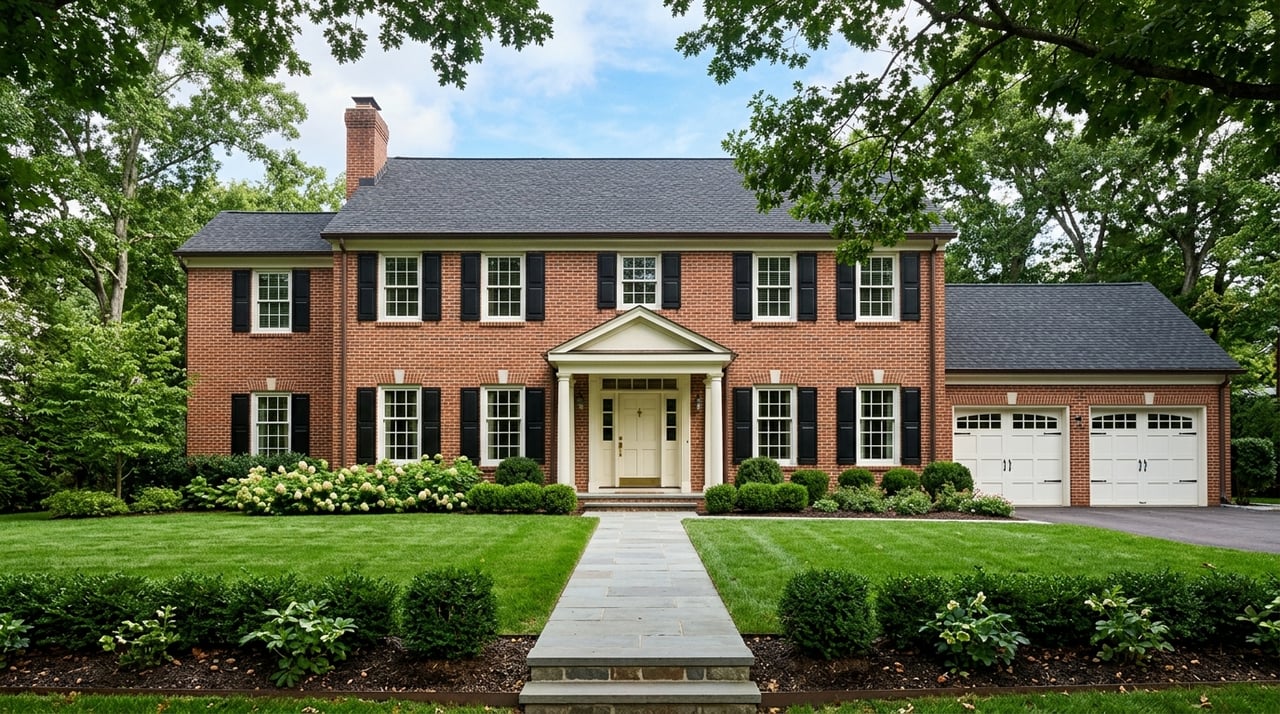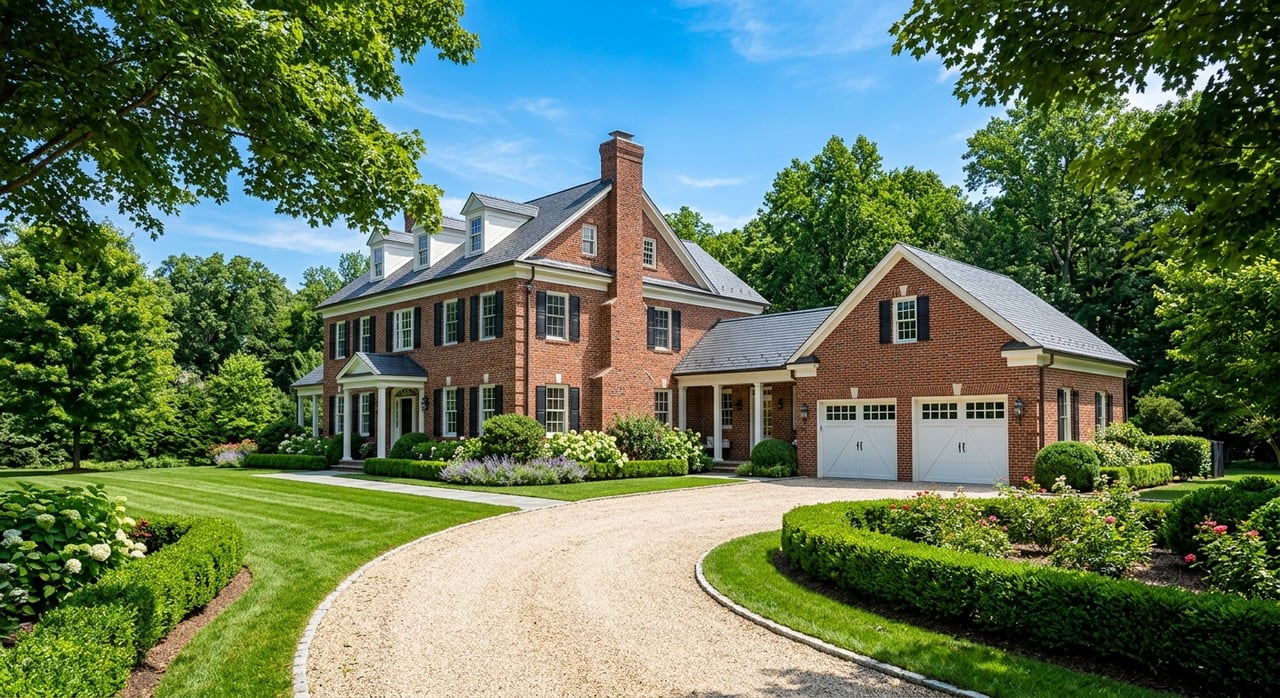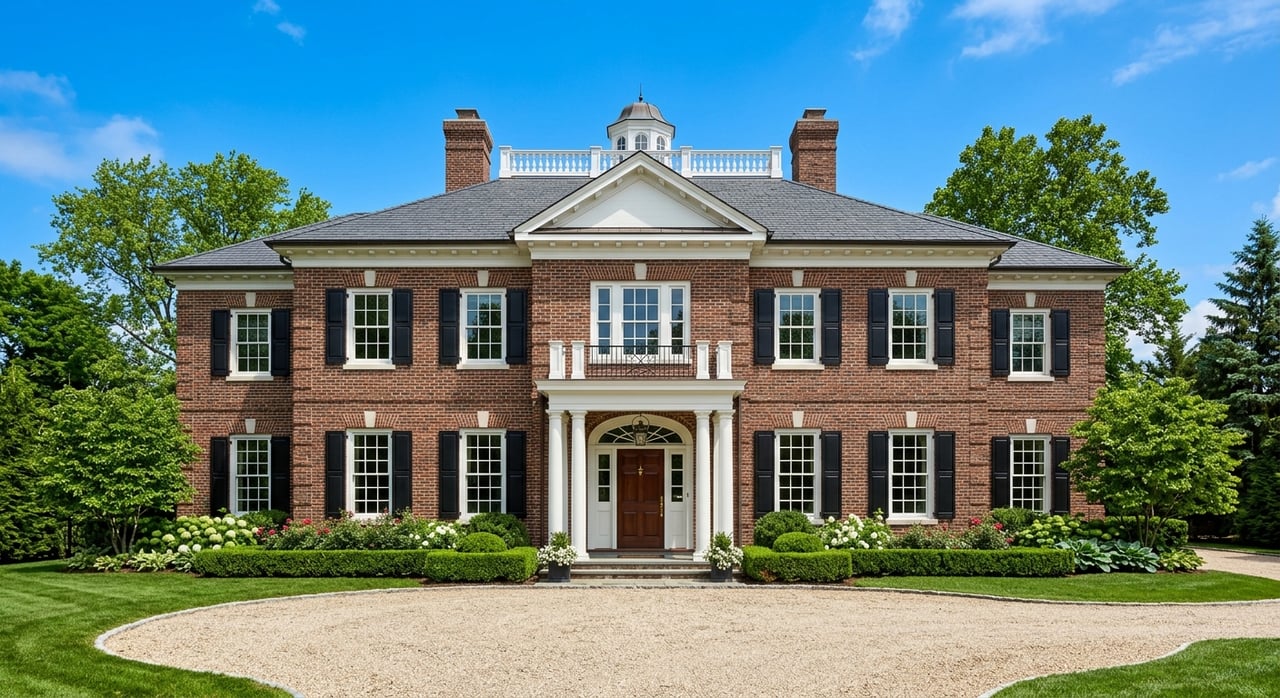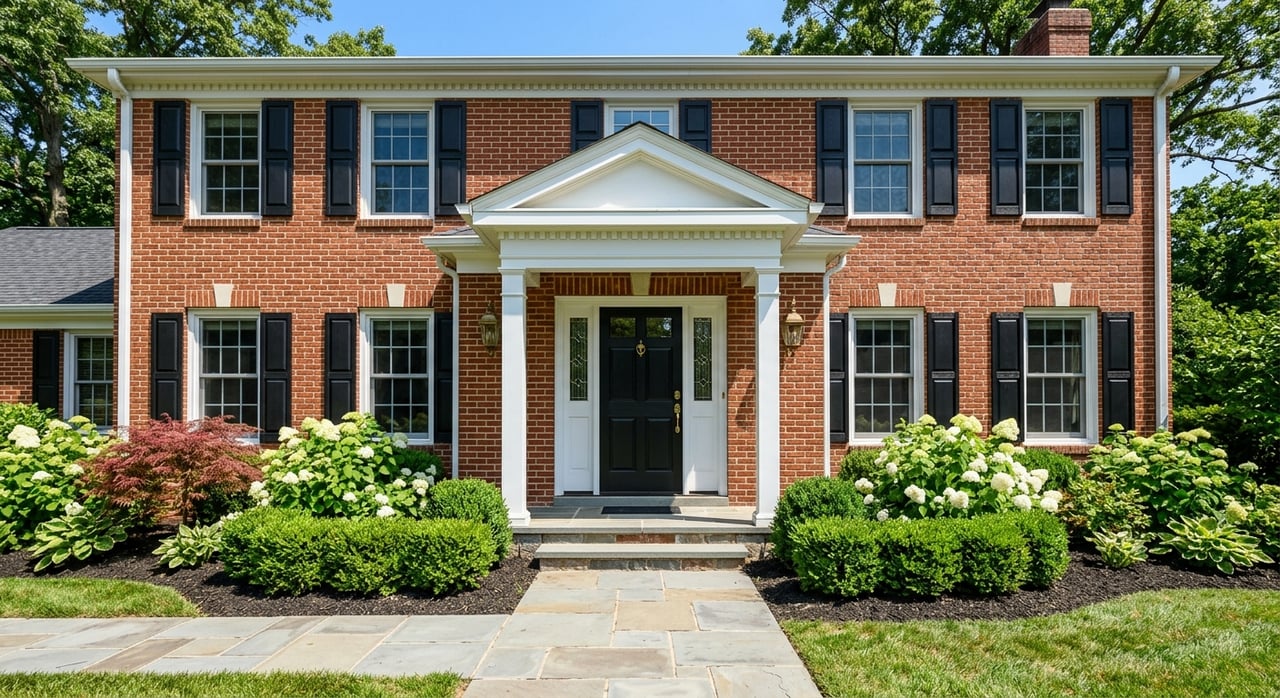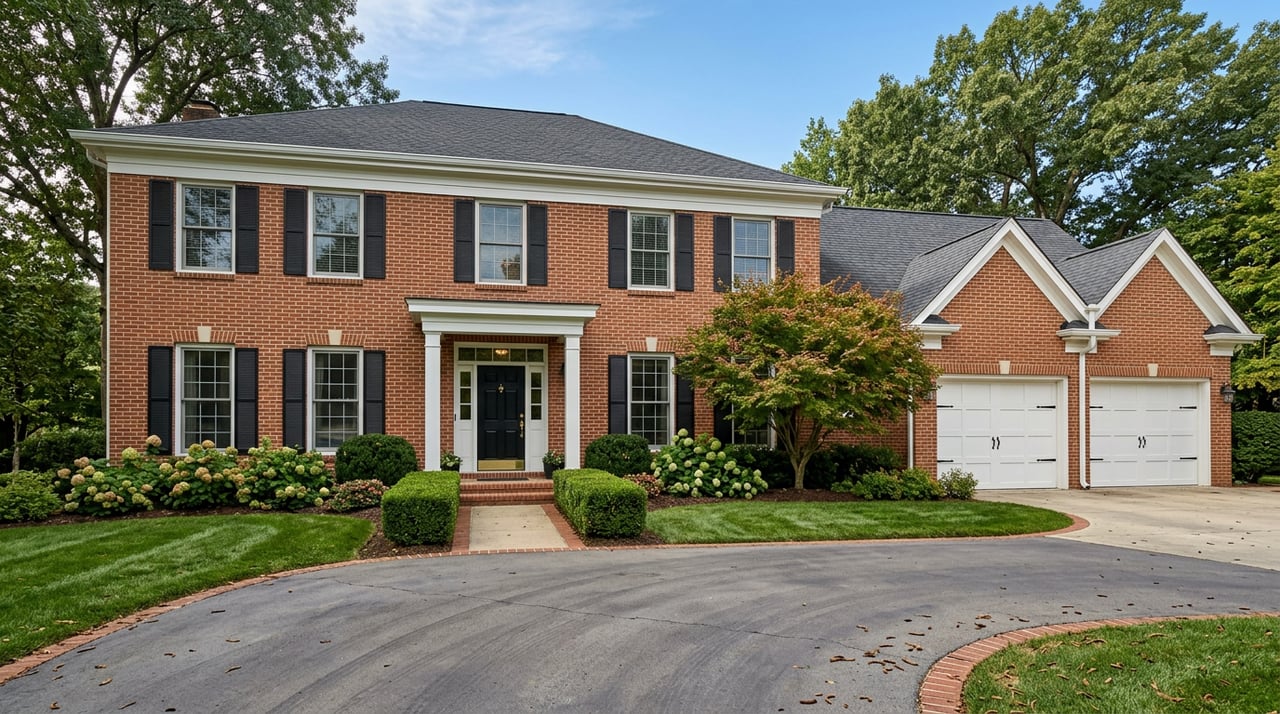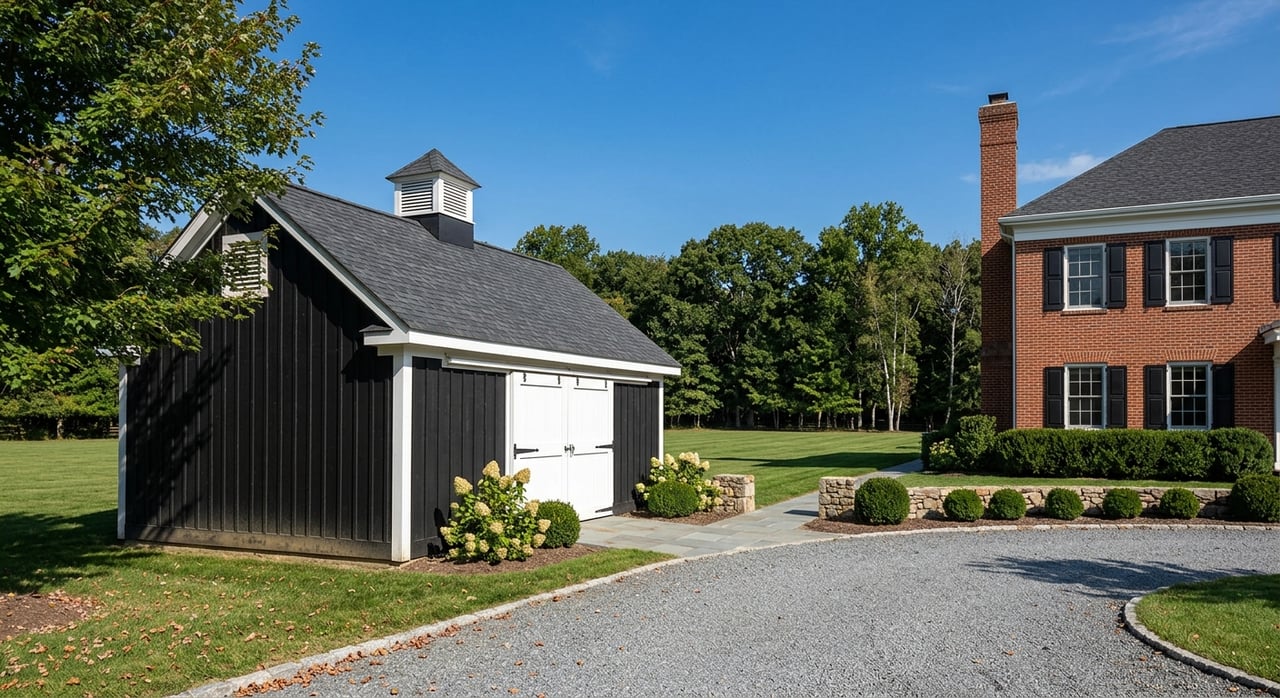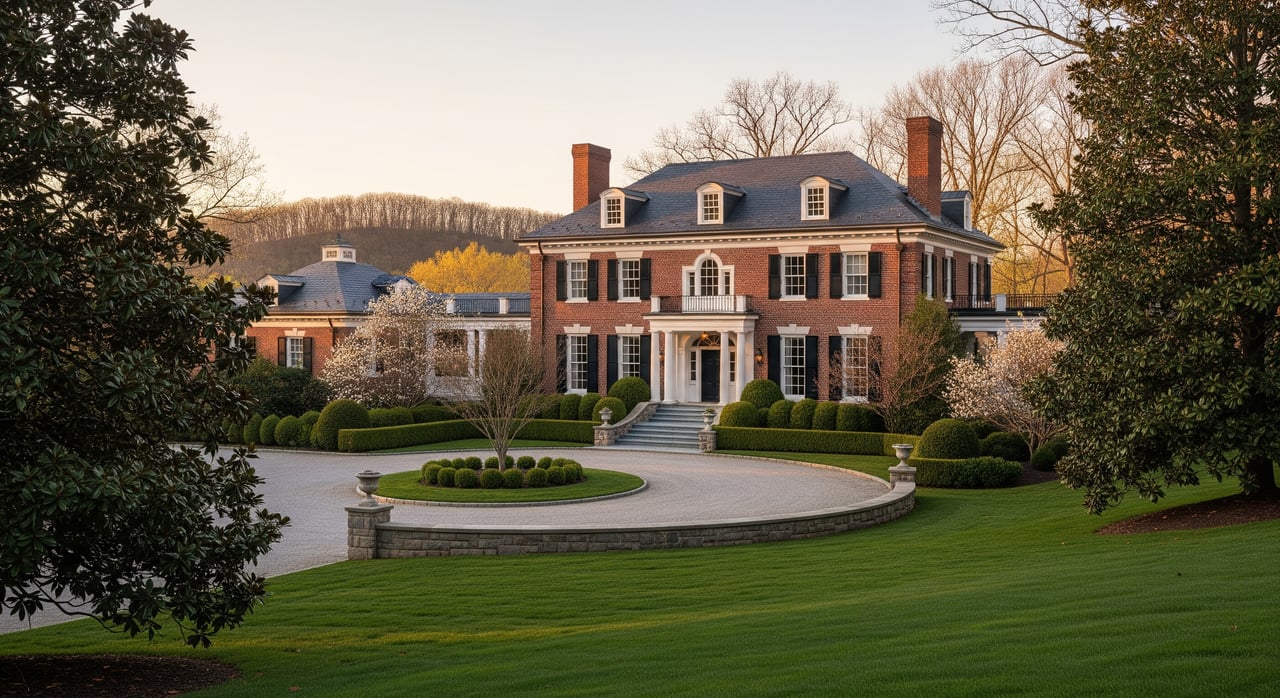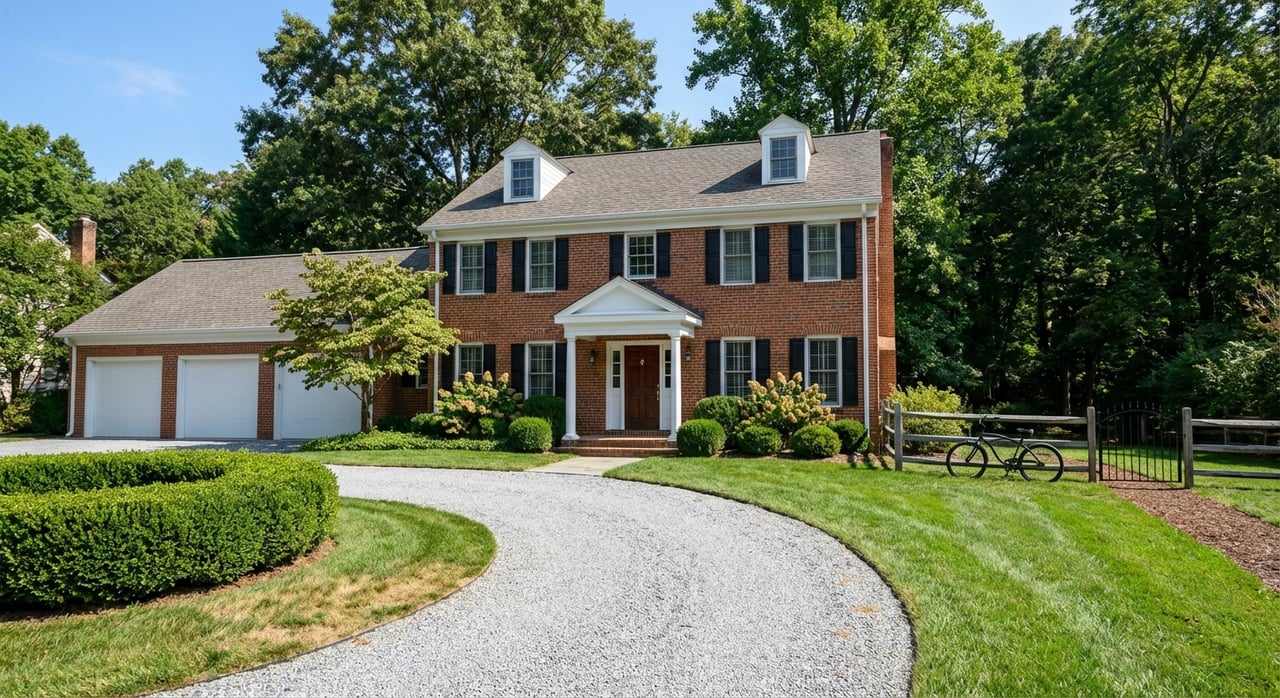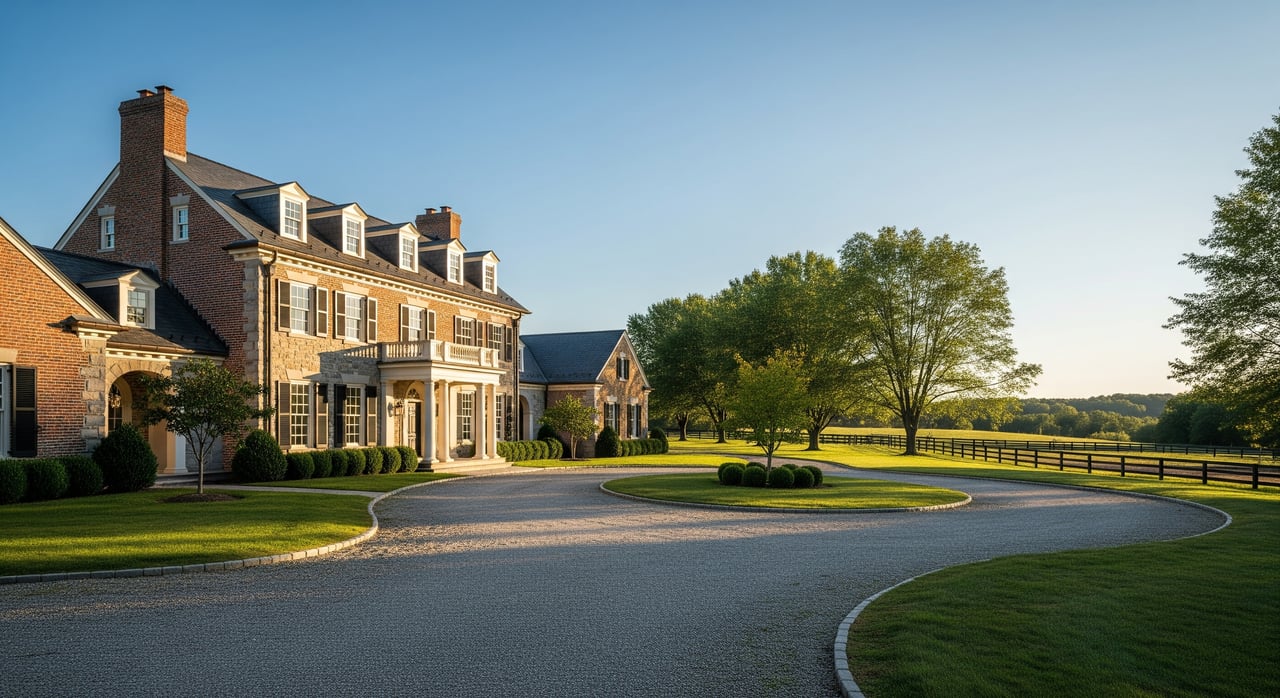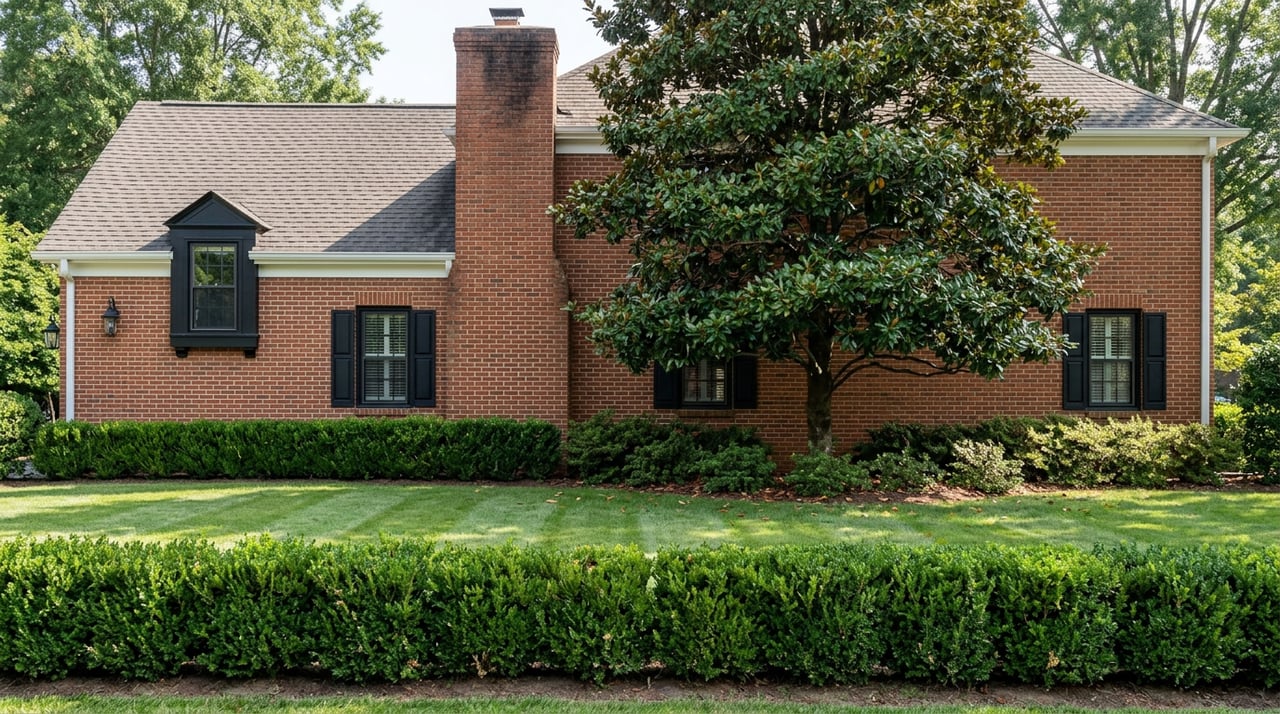
For most of Fairfax County, the question of who inspects a home's wastewater system before closing is background noise. Public sewer runs under the street, a county worker checks it once and moves on, and nobody negotiates over it. Clifton has never worked that way. Nearly the entire town, from the 1930s cottages tucked behind Main Street to the five-acre estate lots off Clifton Road, runs on private well and septic rather than county water and sewer. That single fact is why a technical change to Virginia law that took effect on July 1, 2025 matters more here than almost anywhere else in the county.
The change is House Bill 2671, signed by Governor Youngkin on March 20, 2025. Read the bill's own language and it looks modest: it defines who is allowed to call themselves an accredited septic system inspector and spells out the minimum things an inspection has to check. But that modest-sounding fix closes a gap that shaped how septic due diligence actually happened in Virginia for years, and closing it changes the leverage in a Clifton transaction more than most buyers or sellers realize.
What the Old Rule Actually Required
Virginia's standard sales contract, the Virginia REALTORS Form 600, has long included a clause obligating the seller to hand the buyer a certificate, dated within 30 days of settlement, stating there's no evidence the sewage system is malfunctioning or in need of maintenance. Buyers separately had the option, through the Home Inspection Contingency Addendum, to order their own septic inspection at their own expense and discretion.
Here's the gap: nothing in that paragraph defined who was qualified to write the certificate or what checking the system actually had to involve. In a market where contingencies get waived to win a competitive offer, that vagueness meant a certificate could come from something close to a walkover, a quick look at the yard rather than a real evaluation of the tank, pump chamber, and drain field. Virginia REALTORS' own guidance had already started warning agents that fewer licensed professionals were willing to sign a certificate without a real inspection, and that the cost of doing it properly was higher than most buyers and sellers expected.
What HB 2671 Actually Closes
HB 2671 doesn't rewrite that certificate paragraph. What it does is define, for the first time in state law, who counts as an authorized inspector, someone holding a Department of Professional and Occupational Regulation license as an onsite sewage system operator, installer, or soil evaluator, or carrying an equivalent national accreditation. It also spells out the minimum content of a real inspection: the inspector has to locate and evaluate the tank, the pump tank if one exists, and the dispersal field, and compare the system's designed capacity against the number of bedrooms the home is marketed with.
That last detail matters more than it sounds. A five-bedroom system serving a home now marketed as a six-bedroom estate is exactly the kind of mismatch a real inspection catches and a walkover doesn't.
The practical effect: a Clifton seller can still, in theory, strike the certificate paragraph from the contract by mutual agreement, just as before. But that freedom is worth less than it used to be. The bill's own definition of a covered inspection names lending institutions first among the parties who can trigger one, which lines up with how these deals actually work: most Clifton buyers are financing, and a mortgage underwriter asking for septic verification as a condition of the loan is common. Once that request comes from the lender rather than the buyer, it routes through the same state-defined standard regardless of what the sales contract says. The loophole that let an informal walkover satisfy a hot-market deal is largely gone, not because the law forced every seller into it, but because the parties who were already asking for verification, especially lenders, are now required to get a real one.
Why This Lands Harder in Clifton Than in a Public-Sewer Subdivision
Picture the same law applied to a townhouse in a subdivision on county water and sewer. It's irrelevant. There's no septic system to inspect. Now picture it applied to Clifton, where the housing stock spans a historic village with homes from the 1800s and early 1900s, estate-area construction from the 1980s and 1990s, and new custom builds on acreage lots, and where nearly all of it sits on private well and septic rather than public utilities. Some periphery communities, including portions of Little Rocky Run, do connect to county water, but that's the exception inside Clifton's footprint, not the rule.
Age matters here in a way it wouldn't for a system installed under current code. An older system on a historic village lot that has quietly worked for decades under casual walkover certificates may not have been evaluated the way HB 2671 now requires. Replacement costs for a failing system, documented elsewhere in Virginia, run anywhere from roughly $8,000 for a straightforward gravity-fed repair to $40,000 or more for a low-pressure or drip irrigation system on difficult soils. That's not a number to build into every Clifton offer, but it's the number that makes a seller's decision to inspect early, rather than let a buyer's lender surface a problem mid-contract, a real financial calculation and not just a courtesy.
Before and After, in Practice
| Before July 1, 2025 | After July 1, 2025 | |
|---|---|---|
| Who can inspect | No state-defined minimum; certificates sometimes issued after a quick walkover | Must hold a DPOR license as an onsite sewage system operator, installer, or soil evaluator, or equivalent accreditation |
| What must be checked | Contract paragraph required only a certificate stating no evidence of malfunction | Inspector must locate and evaluate the tank, pump tank, and dispersal field, and compare system size to marketed bedroom count |
| Typical scope in a competitive listing | Contingency often waived; certificate sometimes light on documentation | Lender-triggered inspections now carry a defined standard even when a buyer's own contingency is waived |
| Typical cost | Varied widely, sometimes bundled at low cost | $300 to $550, trending toward the higher end in Northern Virginia |
Who Pays, and Why Getting Ahead of It Matters
HB 2671 doesn't say who covers the inspection cost. That's left entirely to negotiation, which in a Clifton transaction usually means whoever has less urgency wins the point. A seller who orders the inspection before listing, rather than waiting for a buyer's lender to request one mid-contract, gets two things: the ability to fix a minor issue on their own timeline instead of a buyer's, and a certified result they can put directly into the marketing materials. A documented, current inspection reduces the anxiety a buyer's agent otherwise builds into their offer, and it removes a stalling point that could otherwise cost two to four weeks of back-and-forth during a period when most Clifton buyers are also juggling financing contingencies on a purchase that, as of 2026, typically runs $900,000 to $1.8 million.
A vacant listing complicates this further. Fairfax County's own guidance and Virginia REALTORS' commentary both note that a system serving an unoccupied house can't be evaluated under a normal household load, which means a vacant estate sale, a teardown lot, or a property mid-transition between owners often needs a more thorough investigation than a walkover would ever catch, precisely the kind of home where an informal certificate used to be the path of least resistance.
What This Means If You're Planning an Addition
Septic capacity, not lot size or zoning alone, is often the real ceiling on what a Clifton property can become. R-C zoning across most of the town supports acreage lots and, in many cases, equestrian use, but a system designed and permitted for four bedrooms doesn't automatically support a fifth bedroom, a pool house, or an accessory dwelling. Some Clifton and neighboring Fairfax Station parcels also carry conservation easements or open-space restrictions tied to earlier planning decisions, which is worth pulling from county records before assuming a lot's raw acreage translates into buildable capacity. Anyone evaluating a Clifton property with expansion in mind should treat the septic permit, not the tax map, as the first document to check.
A Few Questions Worth Answering Directly
Does HB 2671 apply if I'm refinancing rather than selling? Yes. The bill's definition of a covered inspection explicitly includes refinancing alongside sale and transfer of title as triggering conditions.
If a Clifton home fails its inspection, does the deal automatically fall apart? No. A failed inspection typically opens a negotiation over repair credits, price adjustment, or a repair timeline rather than ending the contract outright, though the cost range for a real fix gives both sides real numbers to negotiate against.
I'm buying raw land in Clifton with an old approved septic perc from a previous owner. Am I covered? Not automatically. Onsite sewage system permits in Fairfax County are issued to a specific owner and don't transfer with the sale of land, so a new owner typically has to file for their own approval, and if the prior perc wasn't finalized, that process can take a couple of months.
How often does a Clifton septic system need pumping, separate from any sale? Fairfax County code requires conventional systems to be pumped at least once every five years, while alternative onsite systems face annual inspection and sampling every five years, regardless of whether the home is on the market.
Clifton's real estate rulebook has always run a little differently from the rest of Fairfax County, and this is the latest example. Whether you're weighing a listing, closing in on a purchase, or trying to figure out what a property's septic system will actually let you build, the timing of that inspection is no longer a footnote you can leave until the contract period. Amanda Jones has walked Clifton buyers and sellers through exactly this kind of local detail for years. Contact us to start your move.