How many organized home tours does a town of roughly two hundred residents actually need?
If you've spent any time reading about Clifton, Virginia, you already know about the one in December. The Clifton Horse Society leads a costumed parade through town, homeowners open their front doors to strangers holding paper maps, and the evening ends with cider and carols around the tree in Ayre Square. It's the kind of detail that shows up in every "charming small town near DC" roundup, usually in the same sentence as the picket fences and the century-old caboose. What almost none of those write-ups mention is that the December tour isn't the only one. The Clifton Community Woman's Club runs a second home tour every spring, and it has almost nothing in common with the one in December except that both involve walking into other people's houses.
That's not a footnote. It's the more interesting fact about how this particular one-square-mile town keeps its civic calendar running.
The One Everyone Already Knows About
The Candlelight Homes Tour happens each December, and the mechanics have stayed consistent for at least two decades of local coverage. It opens with a horse parade organized by the Clifton Horse Society, horses in costume, judged, moving down Main Street starting mid-afternoon. A few hours later the home tour itself begins, running into early evening, with a handful of private residences opened to the public for that window only.
A 2004 report in The Connection describes the tour's church and community activities. Three of Clifton's historic churches take part too, and not as static stops. Each hosts a different choir on a rotating half-hour schedule during the tour window, so a visitor working the map has to decide which building to be standing in ten minutes and which choir they'll catch. Clifton Primitive Baptist Church, founded in 1871 on land donated by William Harris, a formerly enslaved man, and recognized as the oldest African American church in Fairfax County, has hosted senior and children's choirs from area congregations. Clifton Baptist Church, finished in 1912 after starting out in a smaller building in the 1870s, brings in its own children's choir. Clifton Presbyterian Church, dating to the early 1870s, has hosted the Robinson Secondary School choir. Meanwhile the Clifton Lions Club stations volunteers at the old Southern Railway caboose downtown, greeting visitors and sharing town history, and the evening closes with the Christmas tree lighting in Ayre Square.
One longtime tour chair described the effect this way in a Patch report, saying the town looks like it's "strolling through a Norman Rockwell painting" once the decorations go up. That's not marketing language. It's a volunteer describing a night she's helped organize for years, one where the payoff is watching a town of two hundred people fill its own streets.
Raffle prizes have historically come from the town's own businesses rather than corporate sponsors, dinners at local restaurants, a night at a Clifton bed and breakfast, gift certificates from Main Street shops. It's a fundraiser scaled to match the size of the town raising the money.
The One Almost Nobody Outside Town Has Heard Of
The spring version is a different animal entirely, run by a different organization for a different purpose.
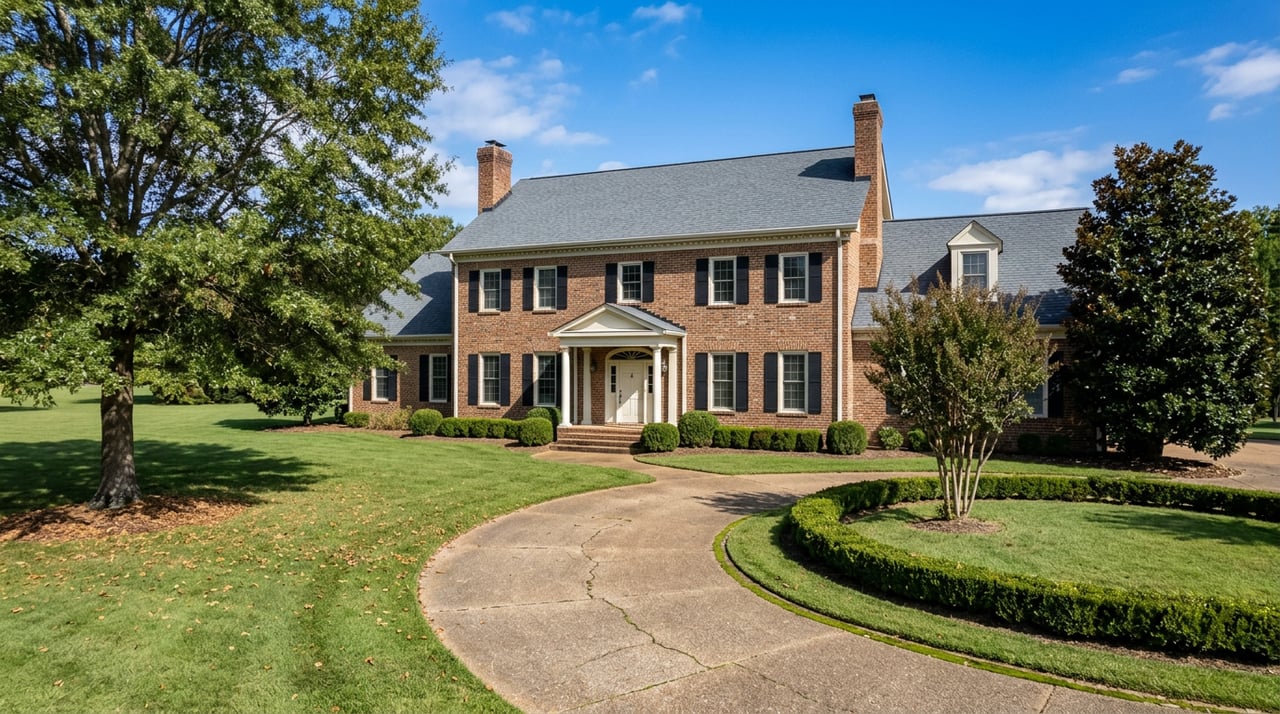
The Clifton Community Woman's Club Homes Tour takes place during the day, typically a weekday in May, and a 2005 report in The Connection describes its benefit format. Alongside the handful of houses on the route, organizers add an art show featuring local artists, a boutique, a book sale, and a silent auction. One past tour featured roughly twenty artists showing nearly seventy-five pieces, most for sale. The homes themselves have ranged from a Colonial on Daingerfield Way in neighboring Fairfax Station, with a soaring foyer, to a Clifton architect's arts-and-crafts design on the town's own Spruce Valley Lane, built with reclaimed warehouse beams and an indoor pool pavilion.
The money raised doesn't stay vague. One past tour funded three scholarships at George Mason University and one at Northern Virginia Community College, plus direct support for organizations including Northern Virginia Therapeutic Riding, the Fairfax Association on Aging, Virginia Special Olympics, Bethany House Women's Shelter, Capital Hospice, the Fairfax Symphony's education program, Main Street Child Development Center, and the Ronald McDonald House. That's a fundraiser with a ledger, run in daylight, with an admission structure built around ticket sales rather than a free evening stroll.
Here's the comparison stripped down:
| Candlelight Homes Tour | Woman's Club Homes Tour | |
|---|---|---|
| Season | December | Spring, typically May |
| Organizer | Town of Clifton, with the Horse Society and Lions Club | Clifton Community Woman's Club |
| Format | Free evening tour, horse parade, church choirs | Daytime tour, art show, boutique, silent auction |
| Fundraising | Small raffle, with local-business prizes | Ticket sales and auction; proceeds support scholarships and regional charities |
| Extras | Tree lighting in Ayre Square | Art sale, book sale, auction |
Why a Town This Small Runs Two, Not One
A town with a year-round population in the low hundreds does not have an unlimited volunteer base. Running one large-scale fundraiser production a year, with committee planning, homeowner recruitment, and logistics, is already a lot to ask of a small pool of neighbors. Running two would be unsustainable if both were doing the same job.
They're not. The December tour is built for morale and tradition. It's free to attend, funded by a small raffle, and its entire purpose is getting the town's own residents out into the cold to look at their neighbors' houses and hear their neighbors' kids sing at church. The spring tour is built to move money toward named causes, with ticket sales, an auction, and a scholarship fund on the other end. One is a community ritual. The other is a nonprofit fundraiser that happens to use houses as its draw instead of a gala.
Splitting the calendar this way means neither club is competing with the other for the same volunteers in the same season, and neither event has to do double duty. The National Register listing for the Clifton Historic District counts 62 contributing buildings, most raised between 1880 and 1910. That's a small enough inventory of historic houses that no single tour could realistically rotate through all of them every year. Two tours, six months apart, means twice the households get asked to participate over time, and twice the chance that a given house appears on a route at all.
The Houses Aren't Staged. That's the Point.
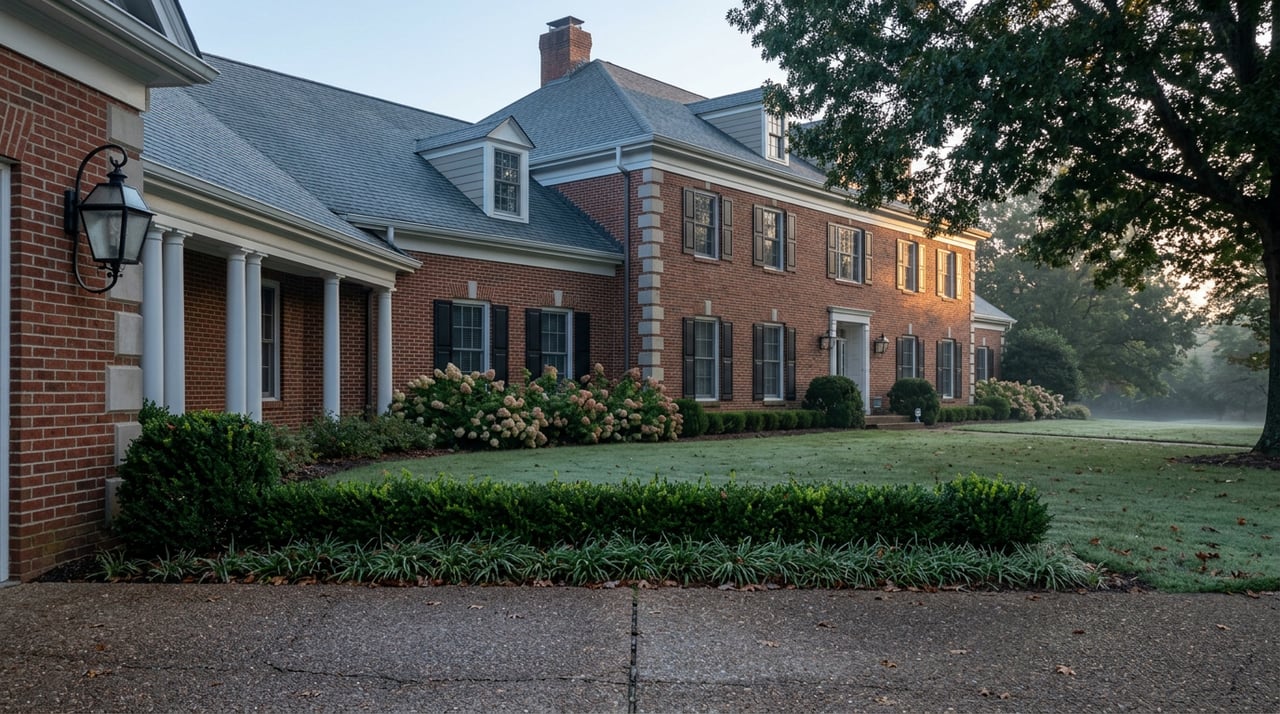
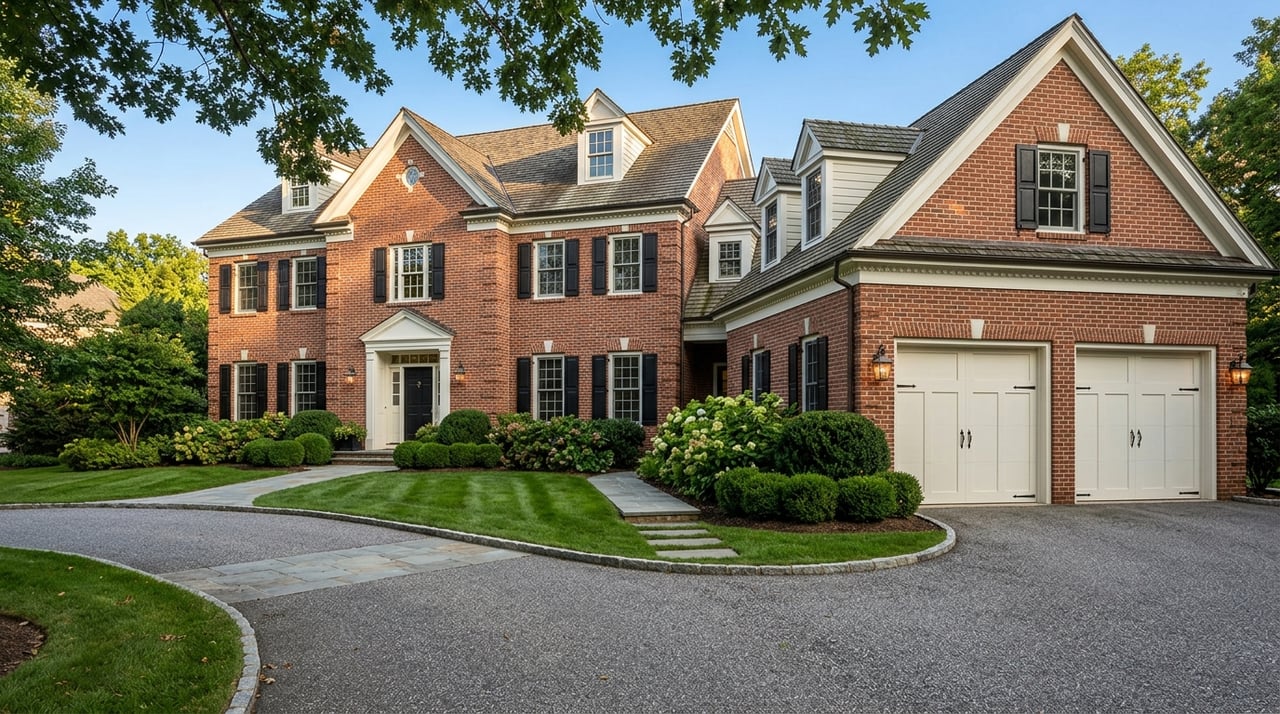
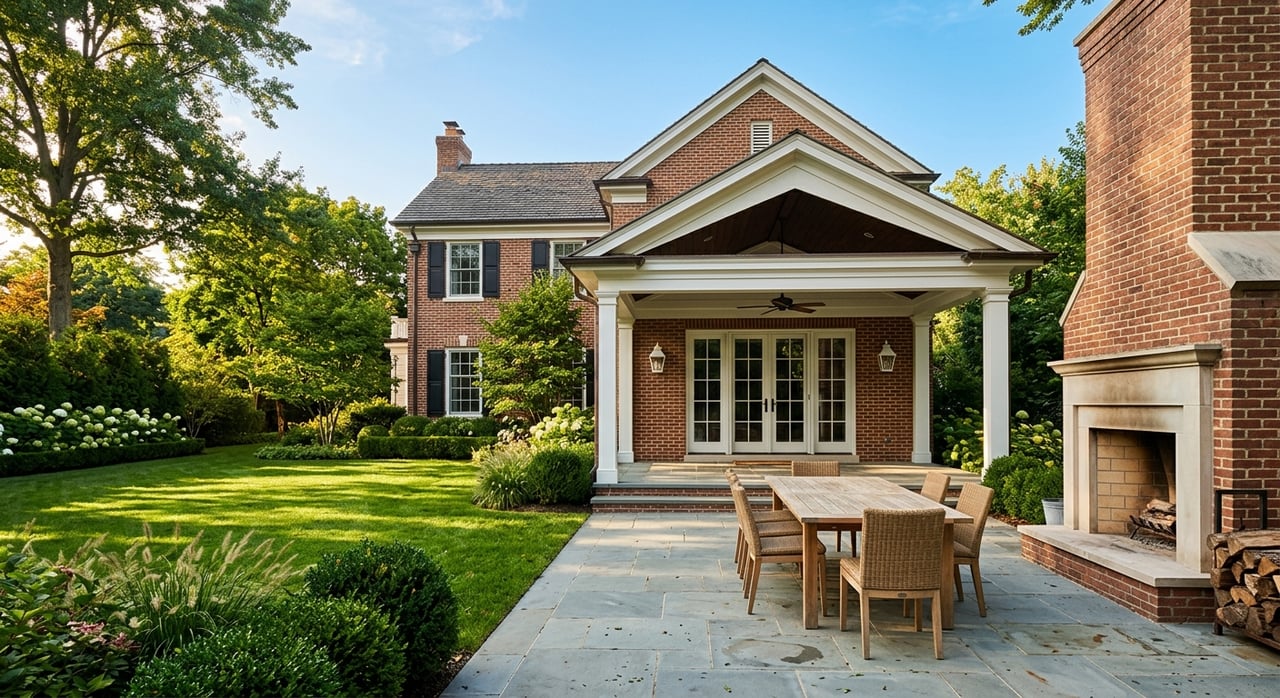
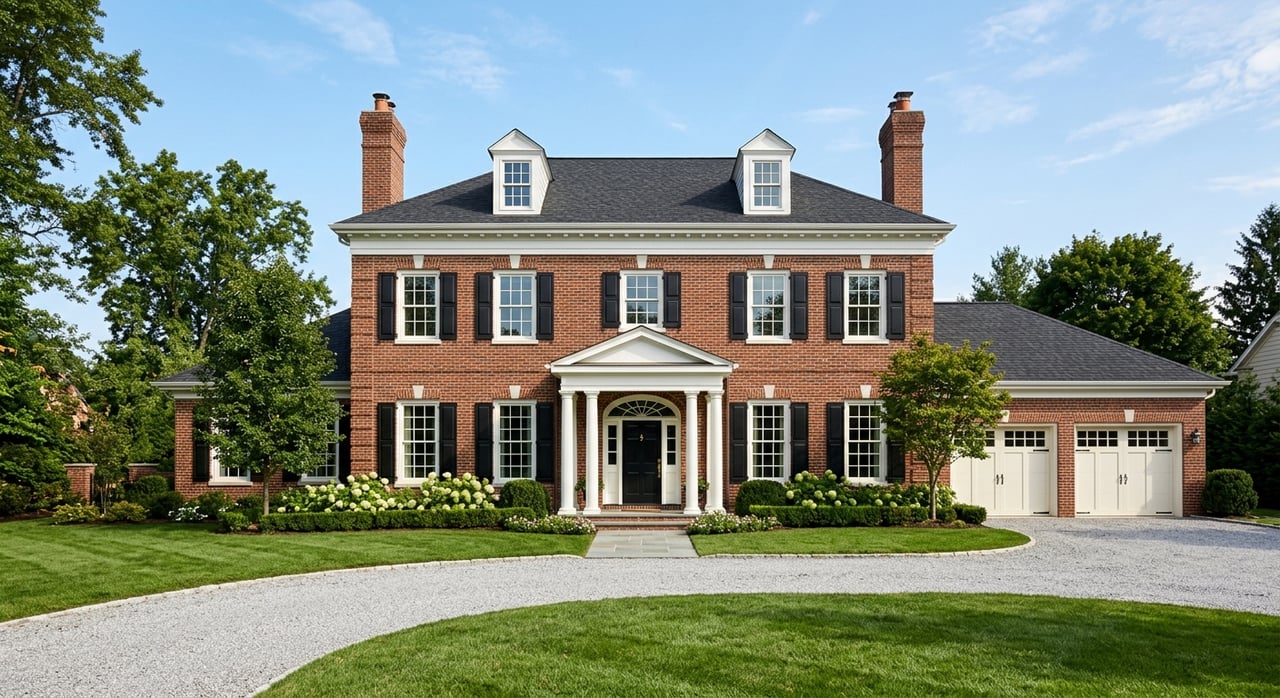
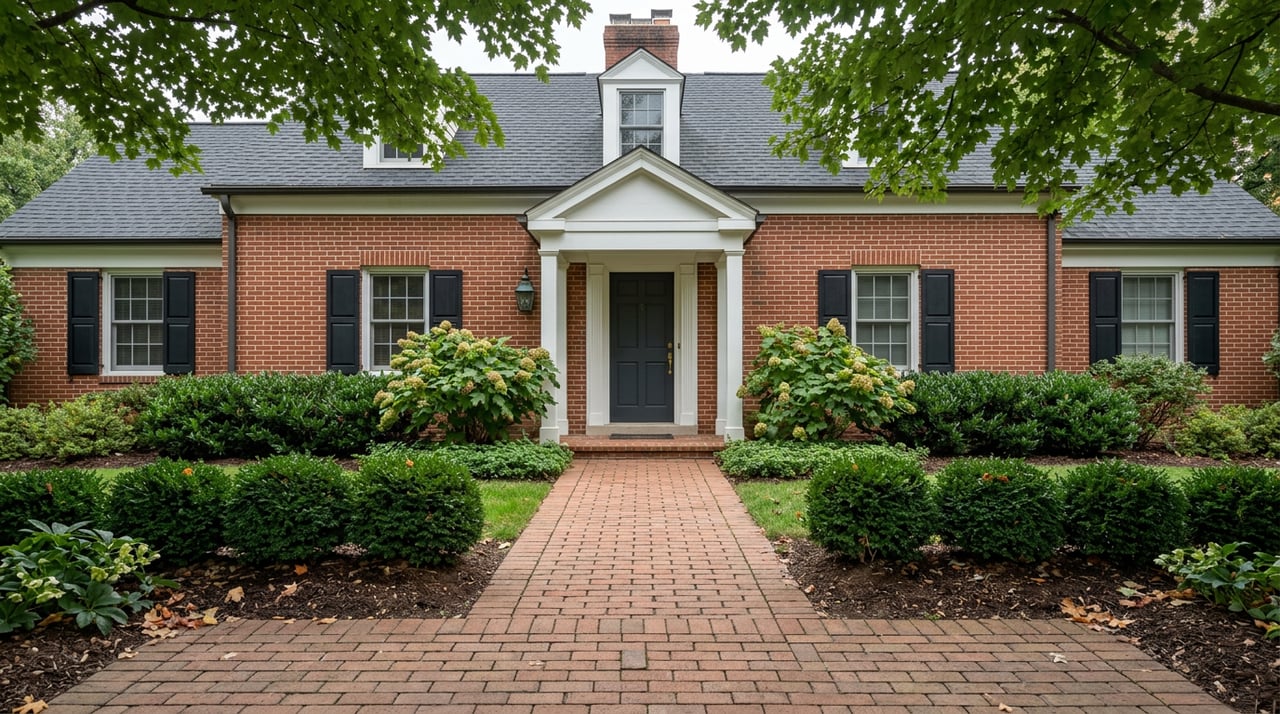
Neither tour uses model homes or vacant properties dressed up for the occasion. The families are real and the houses are lived in. One past Candlelight tour included the Quigg House, built in 1874 with a mansard roof and a three-story open staircase once considered the finest house in town. Another stop was the M.M. Payne House, built in 1884 by a Clifton lumber merchant, its fireplace marble reportedly salvaged from Washington's Willard Hotel, decorated for the holidays with the family's own heirloom ornaments. On the spring side, one tour featured a Spruce Valley Lane home designed by a Clifton architect, decorated by its owners with antique Japanese and Korean pottery collected over years, not staged for a single afternoon.
That's the detail that separates these events from a generic "historic homes tour" you'd find in any preserved district. The people opening their doors live there the other 363 days of the year. The tours work because the town is small enough that everyone involved, from the choir directors to the families handing out cider, is doing this for people they'll see again next week.
If you're the kind of person who reads about a town this closely before ever setting foot in it, that's usually a sign you're thinking about more than a single visit. When that's the case, the Amanda Jones Team knows Clifton's Main Street, its historic district, and the neighborhoods around it well enough to walk you through what living here actually looks like beyond the tour season. Contact us to start your move.