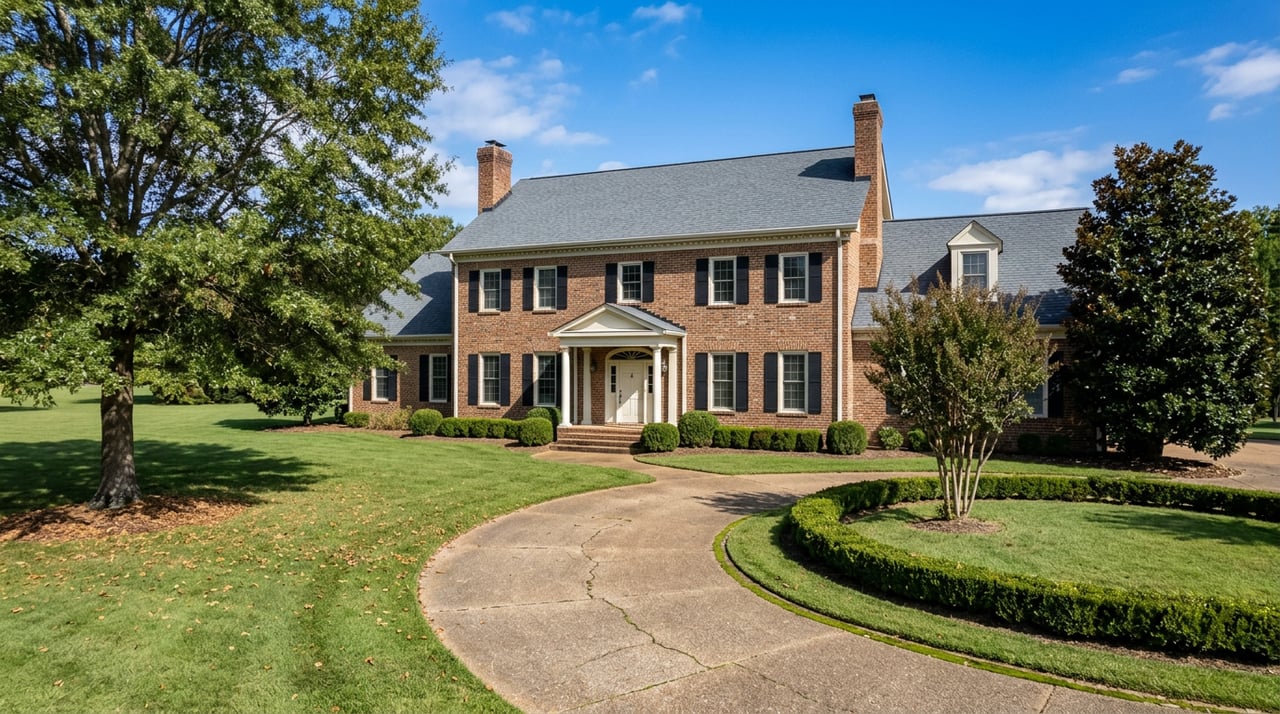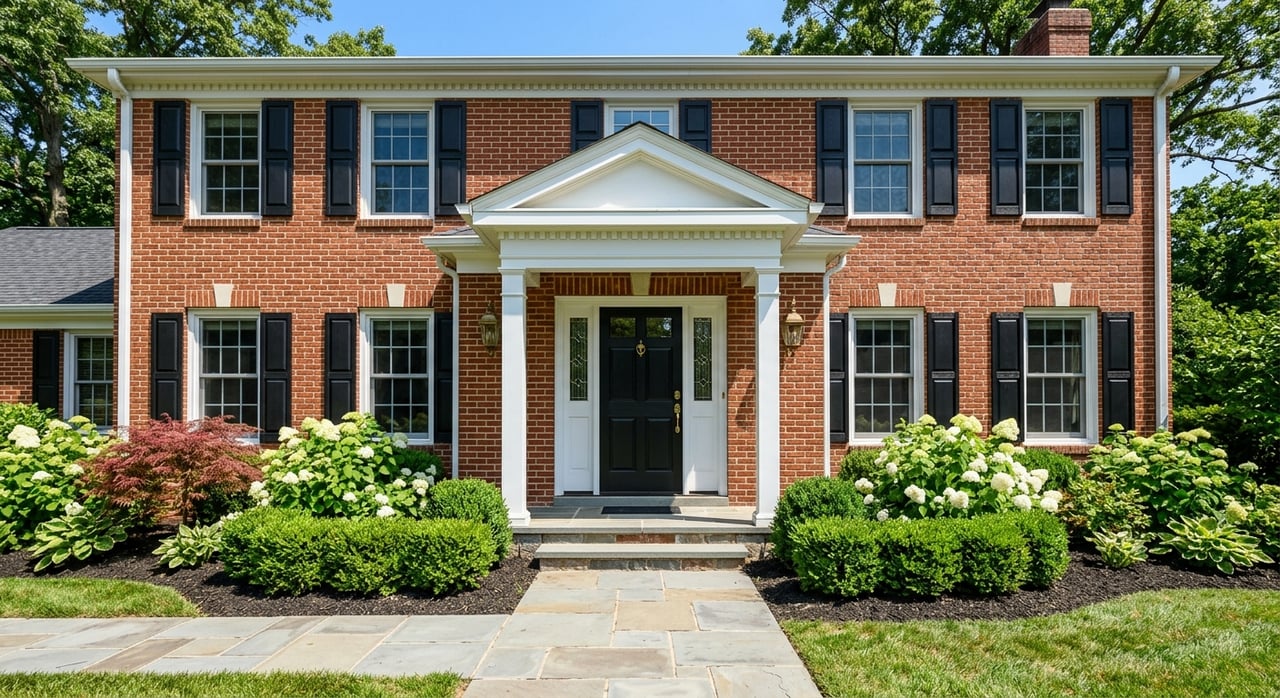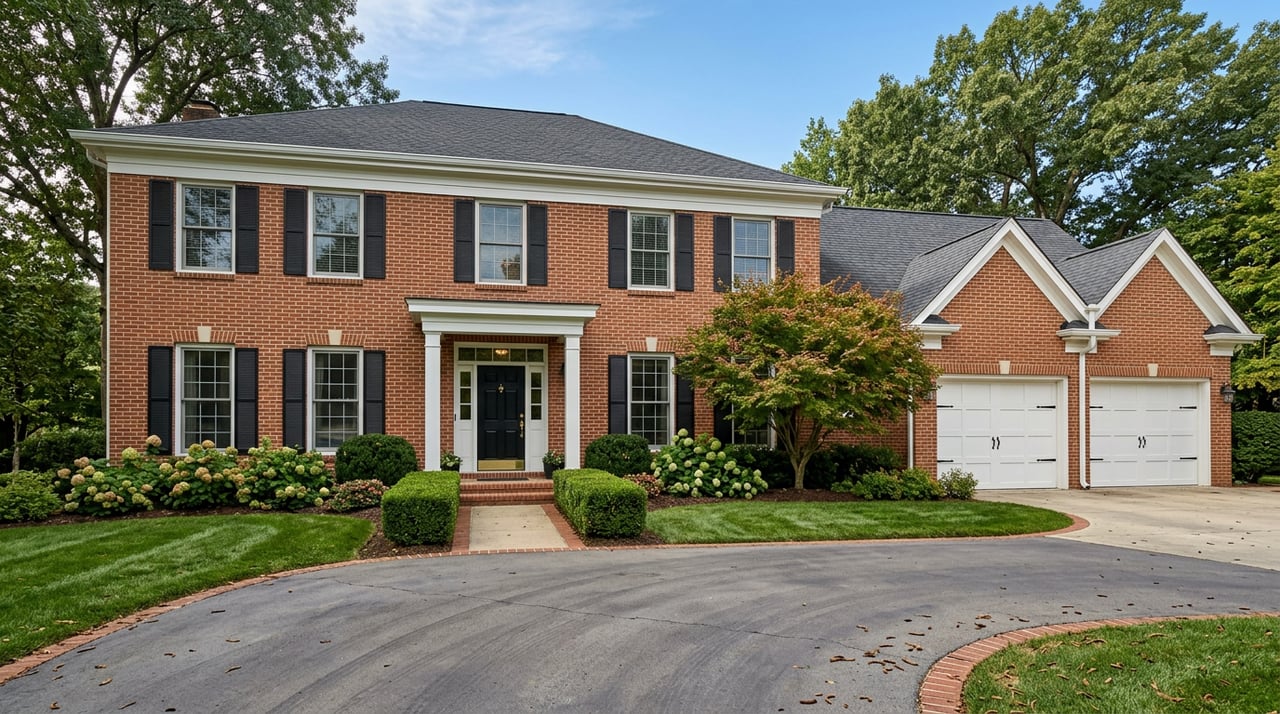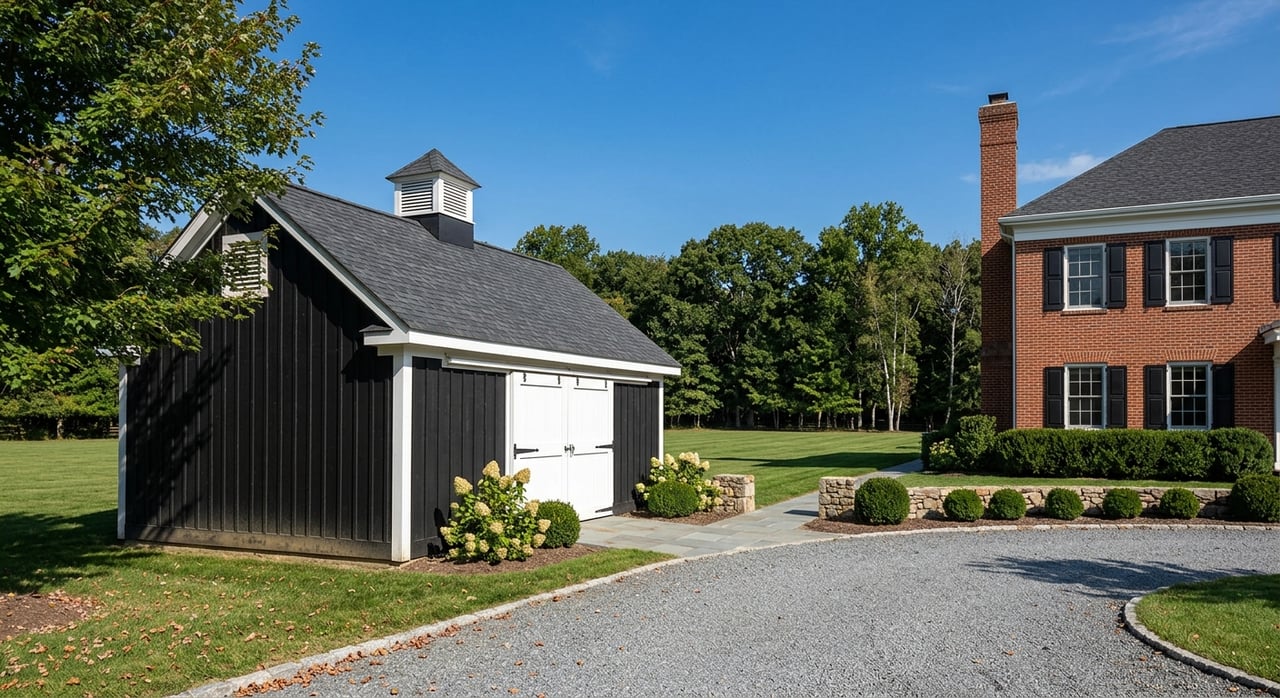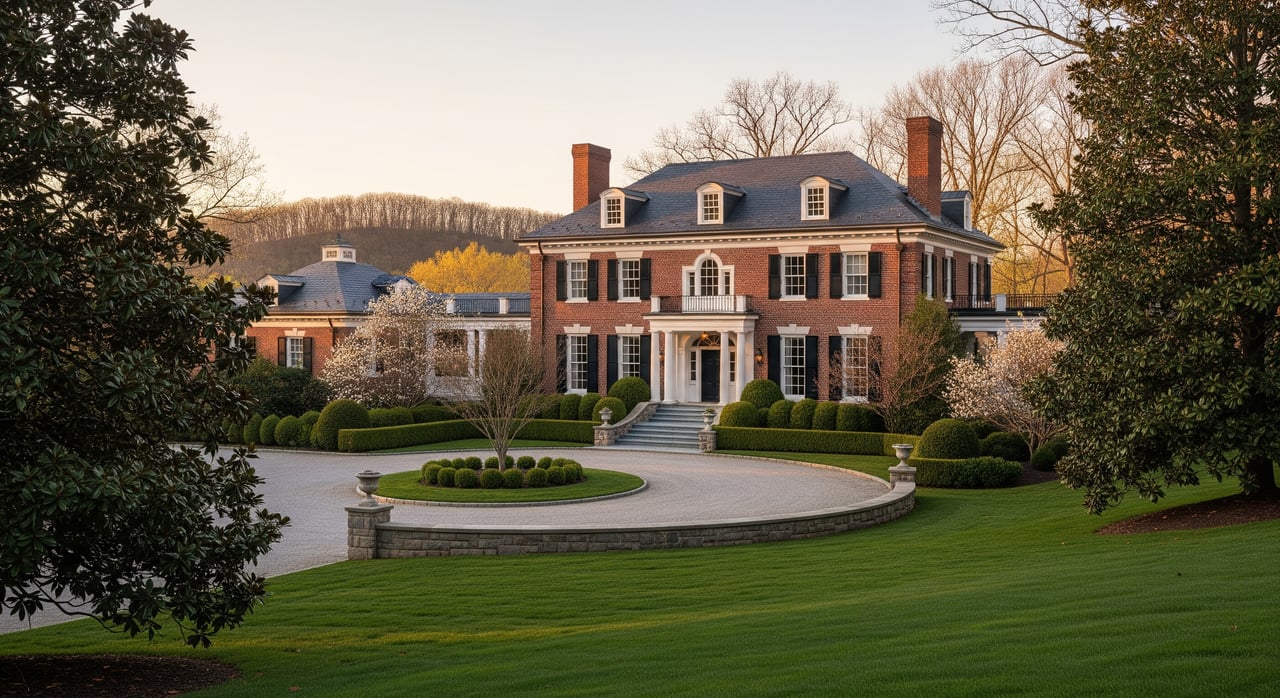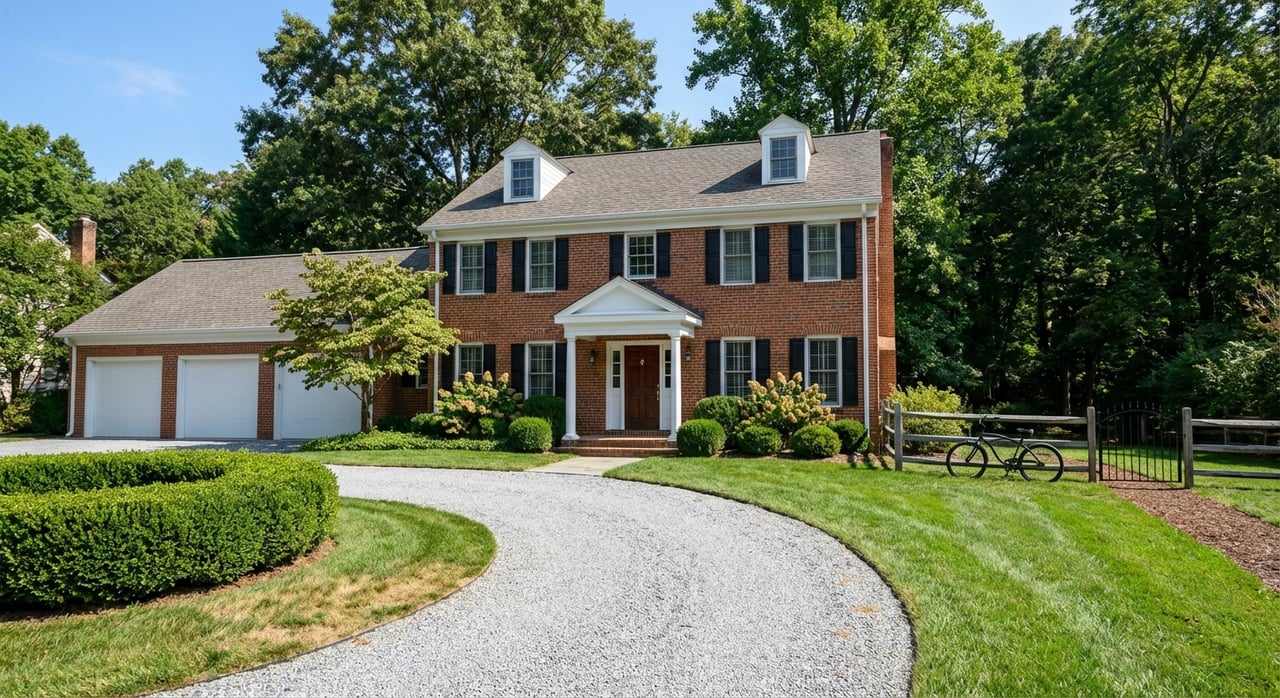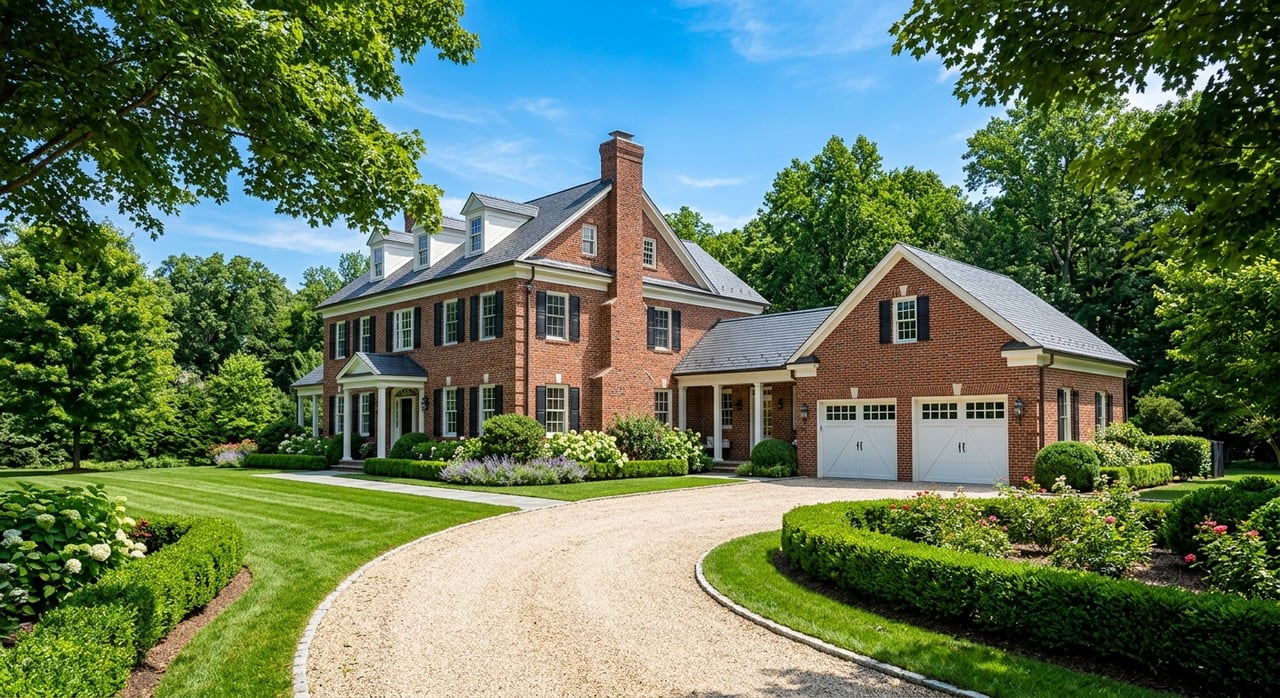
Buying in Clifton can feel different from buying in many other parts of Fairfax County. On some properties, the questions that matter most are not just price, condition, or timing. They are about septic systems, private wells, and road access. If you are considering a home here, understanding these issues early can help you avoid delays, unexpected costs, and closing-day surprises. Let’s dive in.
Why Clifton buyers need extra due diligence
Clifton is a small incorporated town in Fairfax County, and the town notes that it is a historic district with greater land-use restrictions than some other parts of the county. Within town limits, a new home must be adequate for a septic field and a water well. Public sewer is available only to existing buildings that meet Fairfax County administrative guidelines.
That local setup makes utility and access questions especially important when you are looking at larger-lot properties. A home can be beautiful and still come with system details that need careful review. In Clifton, these are not minor details to sort out later. They should be part of your buying strategy from the start.
Septic systems in Clifton
Seller disclosure is limited
In Virginia, the Residential Property Disclosure Statement says sellers make no representation about wastewater systems or related maintenance responsibilities. That means you should not assume the seller has confirmed the system’s current condition, capacity, or repair history for you.
For buyers, the takeaway is simple. You need your own septic due diligence before settlement. Waiting until the last minute can leave little time to review records, schedule inspections, or address repairs.
What septic records can tell you
According to the Virginia Department of Health, septic records can include useful details such as tank size, drainfield size, design capacity, repair history, inspection reports, operation permits, as-built documents, maintenance reports, waivers, and easements. Those records can help you understand how the system was approved and how it has been maintained over time.
Fairfax County Health Department administers onsite sewage disposal systems and publishes parcel-based permitted septic record layers linked through PLUS. That makes county records a smart first stop before you spend money on inspections.
Septic inspections are not automatic
A septic inspection is not required just because a property is changing hands. Still, the Virginia Department of Health says lenders or localities may require one, and inspections should be completed early enough to allow repairs before closing.
This matters because significant septic repairs can take weeks. If you wait until the end of your contract period, you may run into timing problems that are hard to solve.
Maintenance rules matter
Fairfax County requires routine pumping at least once every five years for onsite sewage systems that do not need a VPDES permit. Alternative systems have stricter requirements, including annual inspections and sampling every five years.
Those rules can affect your future ownership costs and maintenance calendar. When you review a property, ask for pump-out history and any operation or maintenance records so you know what you may be taking on.
Watch for waivers and easements
If a septic waiver exists because of a failing system, the Virginia Department of Health says that waiver generally does not transfer to a new owner. Buyers should also check deed records and local records for conditional permits, waivers, or recorded easements.
This is a key point in Clifton, where lot constraints and older properties can make system history especially important. A recorded easement or permit condition can affect how you use the property later.
Private wells in Clifton
Well water safety is the owner’s responsibility
If a home has a private well, Fairfax County says the well owner is responsible for water safety. The county recommends annual testing for bacteriological and chemical contaminants, plus additional testing if the taste, smell, or appearance changes, or if surrounding land use changes.
That means you should approach a private well as an active part of homeownership, not a background feature. Knowing the testing history can help you understand how the well has been monitored.
Well inspections are worth ordering early
The Virginia Department of Health says neither a well inspection nor water-quality testing is required for a transfer, although lenders or localities may require them. If you order a stand-alone inspection, VDH recommends using a licensed water well service provider.
Just like septic work, well questions can affect your timeline. Ordering evaluations early gives you time to review the results and decide how to move forward before contingencies expire.
County records help, but older files may be incomplete
Fairfax County offers a For Sale Evaluation for wells that includes a bacteriological sample. The county also has parcel-based permitted well records linked in PLUS, and its existing-well evaluation is based on county records, owner statements, and a visual inspection.
Still, VDH notes that older well records, especially before 1990, can be incomplete. That is why current homeowner records and well logs matter. If the property is older, ask for every available document rather than relying on one source.
Private roads, pipestems, and access
Not every road is publicly maintained
In Fairfax County, most public streets are maintained by VDOT, but many private streets are maintained by businesses, HOAs, residents, or other private parties. Sidewalks along private roads are generally the responsibility of the owner or HOA. Pipestem driveway signs are the property owners’ responsibility.
For you as a buyer, the main issue is not just whether the road looks fine today. It is who is responsible for maintenance, repairs, and day-to-day upkeep after you close.
How to confirm road responsibility
Fairfax County says that if a road has a route number, it is generally maintained by VDOT. Residents can also contact VDOT or the county maintenance division to help determine whether a road is public or private.
That answer should be confirmed before you remove contingencies. On older private roads and pipestem driveways, maintenance responsibility may not be obvious from the listing or from a casual drive-by.
Review the documents that assign costs
If the road is private, ask who pays for snow removal, grading, road repairs, and routine maintenance. Then review HOA materials or recorded documents that spell out those obligations.
This step matters because shared access can sound simple until a repair bill arrives. Clear documentation helps you understand both your rights and your costs.
A smart buyer workflow in Clifton
1. Start with county and seller records
Before you schedule inspections, review Fairfax County’s septic and well permit records and ask the seller for the septic permit, operation permit, pump-out history, well log, and any easements or waivers. This gives you a baseline picture of what exists on the property.
It can also help you spot missing information early. If the records raise questions, you still have time to investigate.
2. Order inspections early
The Virginia Department of Health recommends completing septic inspections several weeks before closing whenever possible. That timeline is especially helpful if repairs or follow-up evaluations are needed.
If the property has a private well, early testing and inspection can be just as important. You want enough time to review results without rushing major decisions.
3. Confirm road status before contingencies end
Use county or VDOT resources to determine whether the road is public or private. If private maintenance applies, review any HOA documents or recorded maintenance agreements right away.
This protects you from learning too late that the access road comes with shared obligations or unclear repair responsibilities.
4. Check town approval requirements
If the parcel is inside the Town of Clifton, verify whether future changes may require town use permits, Architectural Review Board approval, or a Fairfax County building permit. That is especially important if you are already thinking about additions, exterior changes, or other improvements.
A property that works for you today should also fit your plans for tomorrow. Early confirmation can save time and frustration later.
What buyers should ask before making an offer
If you are serious about a home in Clifton, these are good questions to raise early:
- Is the home served by septic, a private well, or both?
- Are septic permit records, maintenance records, and pump-out history available?
- Is there an operation permit or any record of repairs, waivers, or easements?
- Are well logs, testing history, or county well records available?
- Is the access road public or private?
- If the road is private, who pays for repairs, snow removal, and routine maintenance?
- If the home is in the Town of Clifton, could future changes require additional local approvals?
These questions do not replace inspections, but they can help you write a more informed offer. In a market like Clifton, informed buyers are usually better positioned to negotiate and plan.
Why local guidance matters
In Clifton, septic, well, and private-road issues are not side topics. They are central parts of the buying process. The records and approvals may involve Fairfax County Health Department, VDH, VDOT, and sometimes the Town of Clifton.
That is one reason local guidance matters so much here. When your search includes properties with private systems or shared access, having a knowledgeable point person can help keep the record checks, inspection timing, and next steps organized in the right order.
If you are exploring homes in Clifton and want practical guidance from the start, the Amanda Jones Team can help you navigate the details with a clear, local-first approach.
FAQs
What should buyers check first about septic systems in Clifton?
- Start with Fairfax County septic permit records and ask the seller for permits, pump-out history, operation permits, and any records of repairs, waivers, or easements.
Are septic inspections required for a home purchase in Clifton?
- No. The Virginia Department of Health says septic inspections are not required for a property transfer, but lenders or localities may require them, and early inspections are strongly recommended.
What should buyers know about private well testing in Clifton?
- Fairfax County says private well owners are responsible for water safety and should test annually for bacteriological and chemical contaminants, with additional testing if conditions change.
How can buyers tell if a Clifton road is public or private?
- Fairfax County says a road with a route number is generally maintained by VDOT, and buyers can also confirm road status through VDOT or the county maintenance division.
Why do private roads matter when buying a home in Clifton?
- Private roads may come with shared costs for snow removal, repairs, and maintenance, so buyers should review HOA materials or recorded documents before removing contingencies.
What extra step matters for homes inside the Town of Clifton?
- Buyers should verify whether future changes may require town use permits, Architectural Review Board approval, or a Fairfax County building permit.