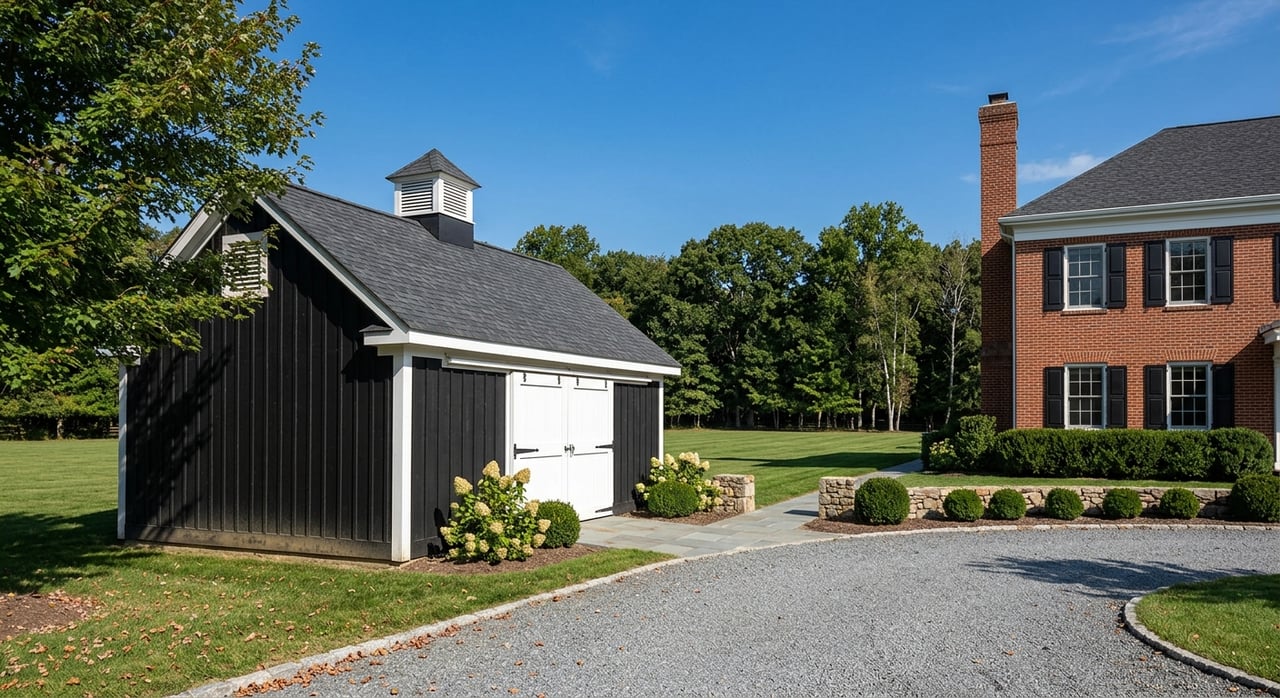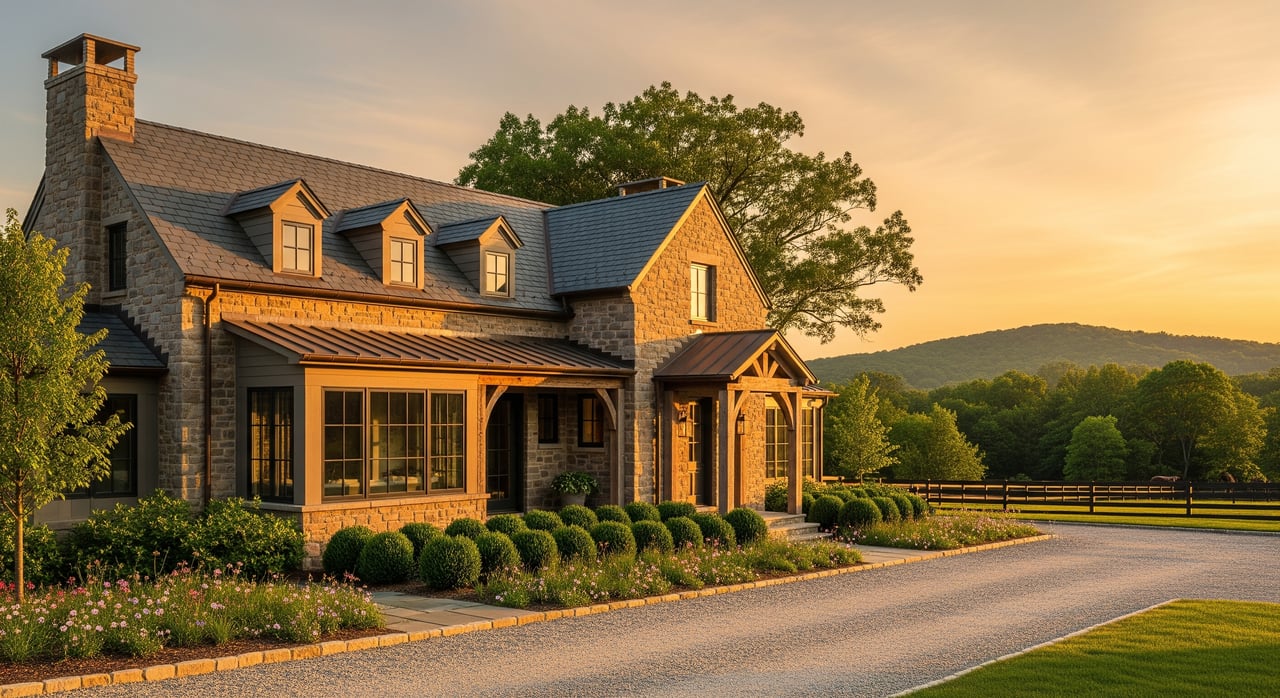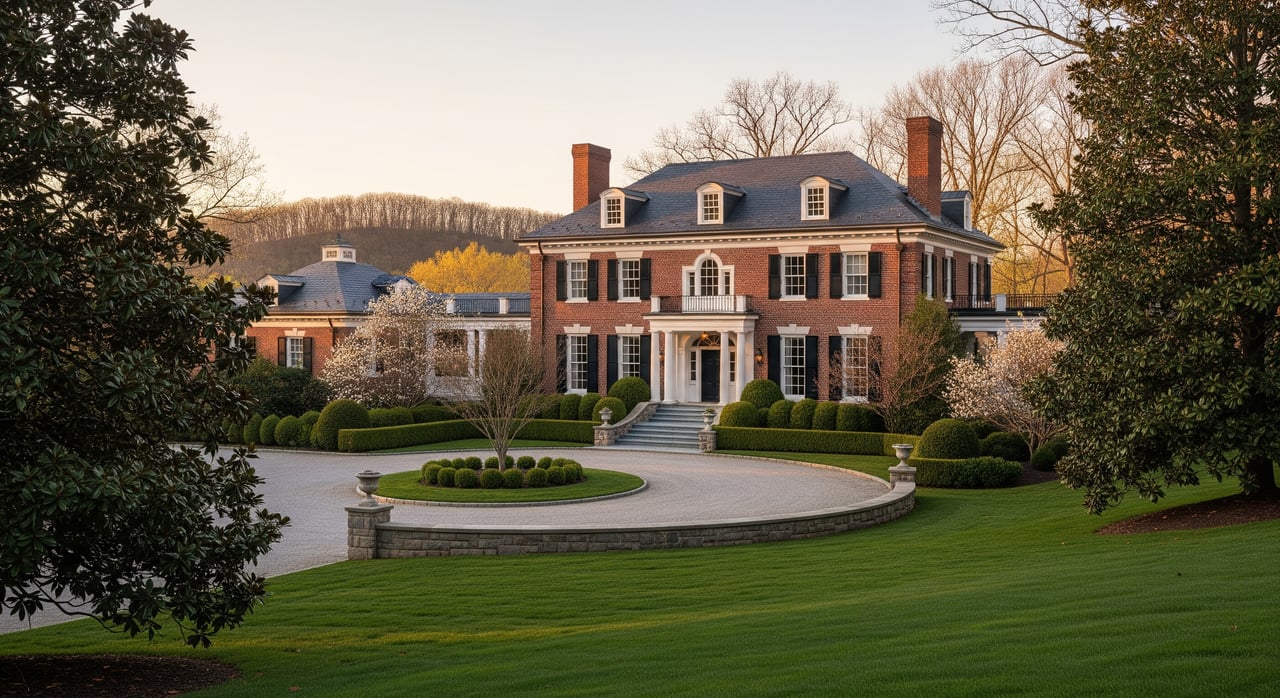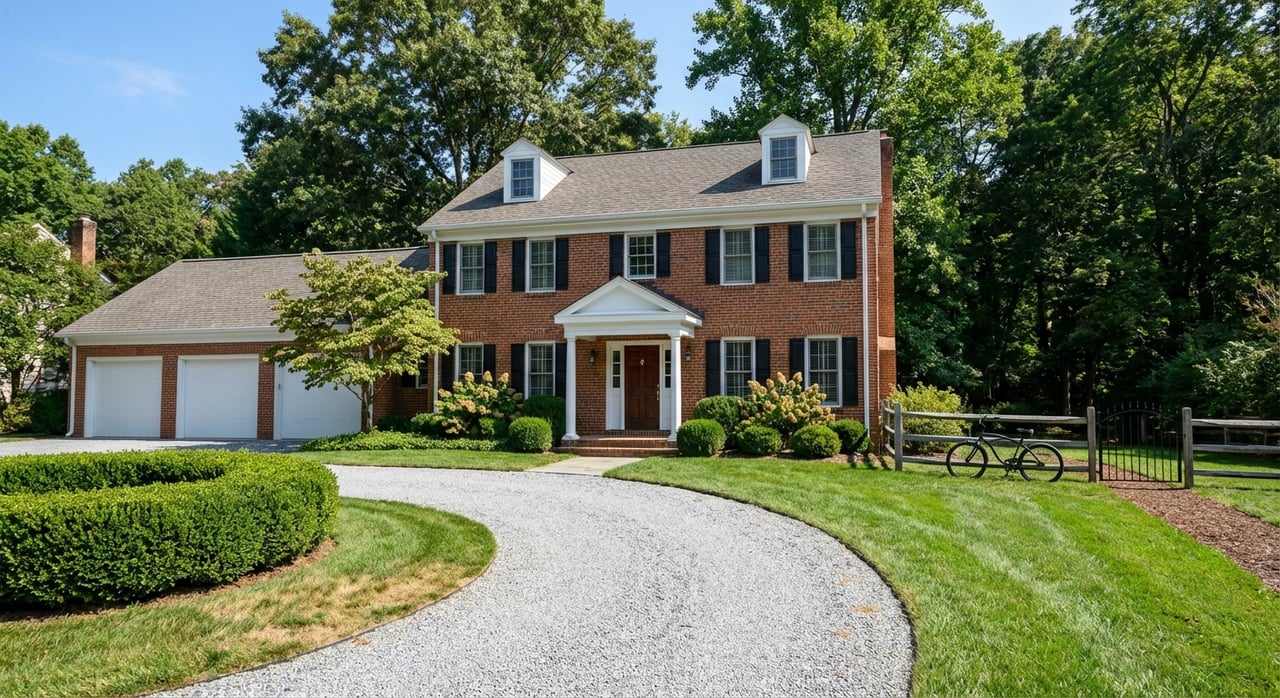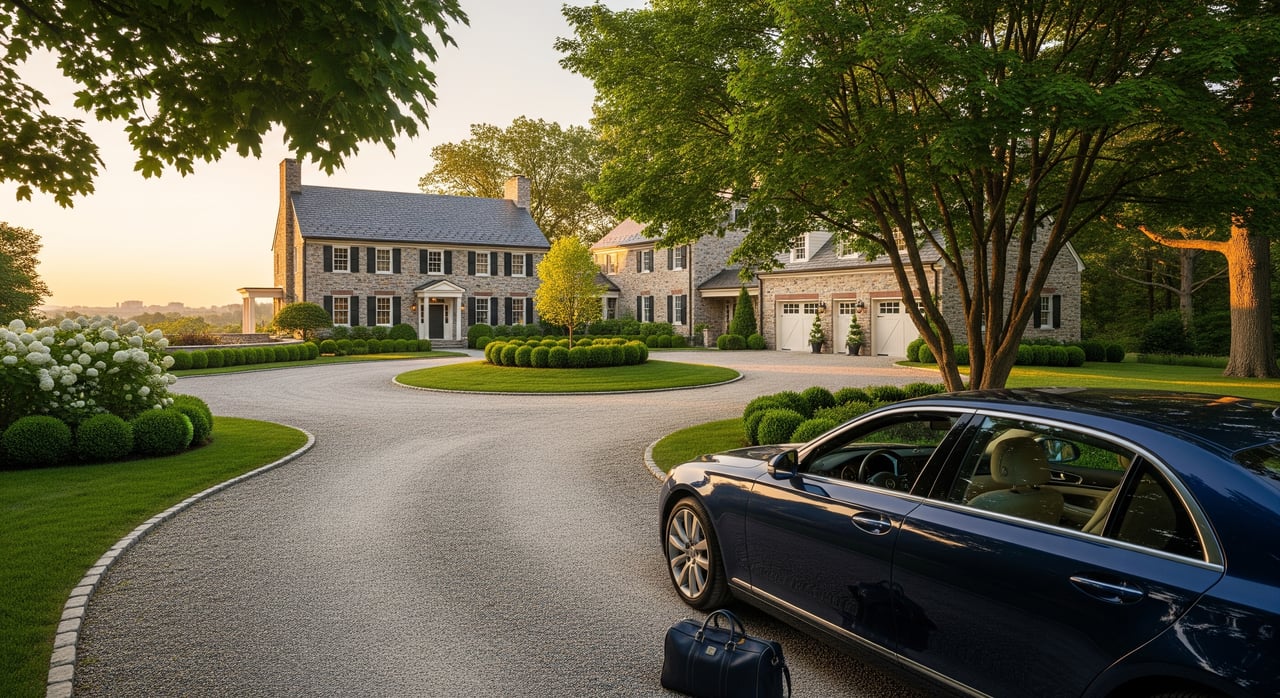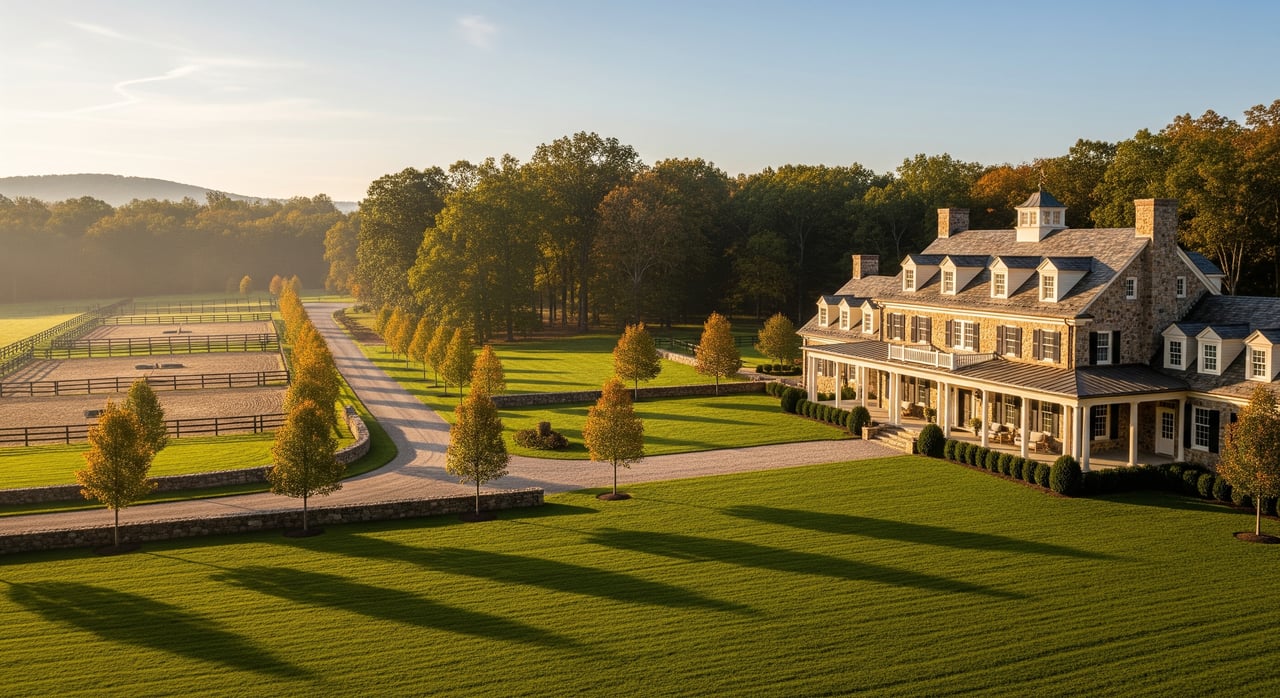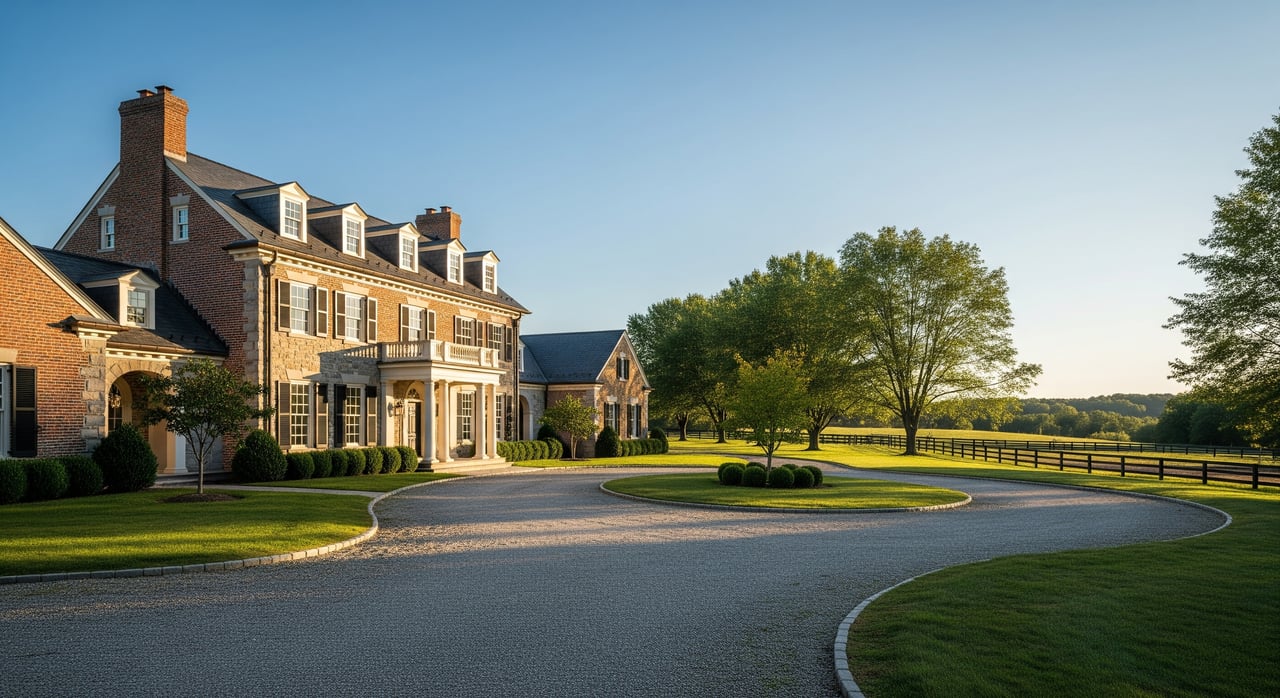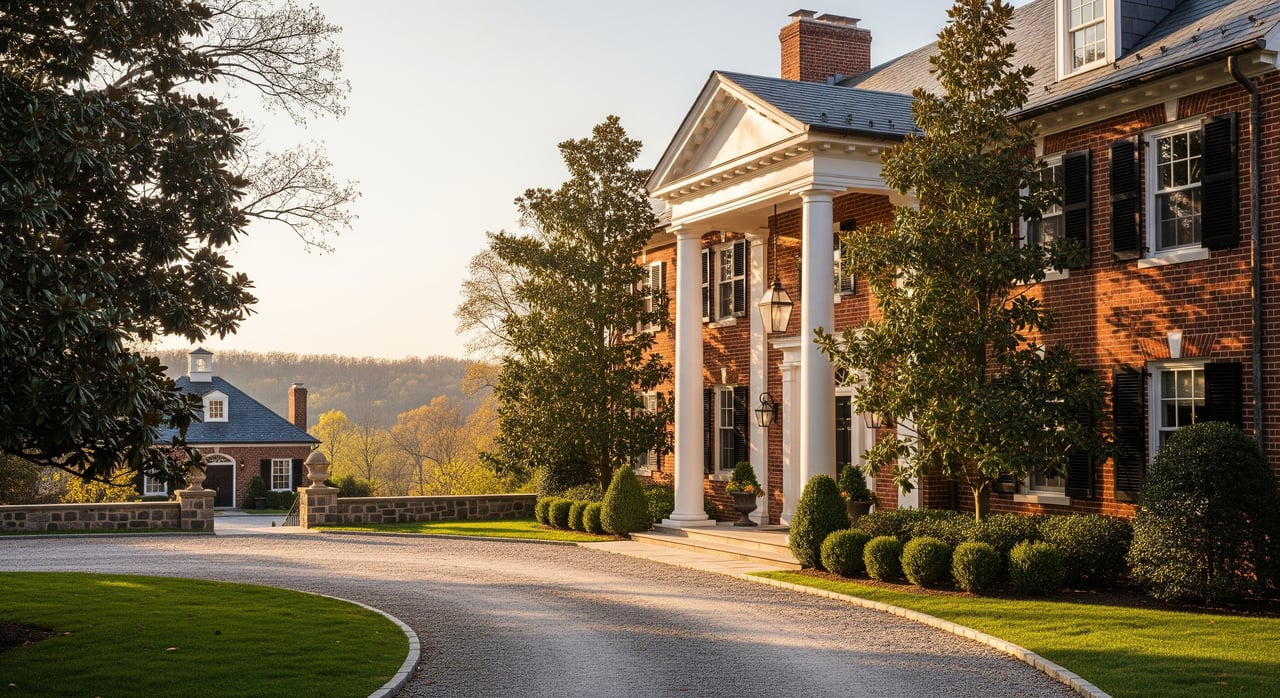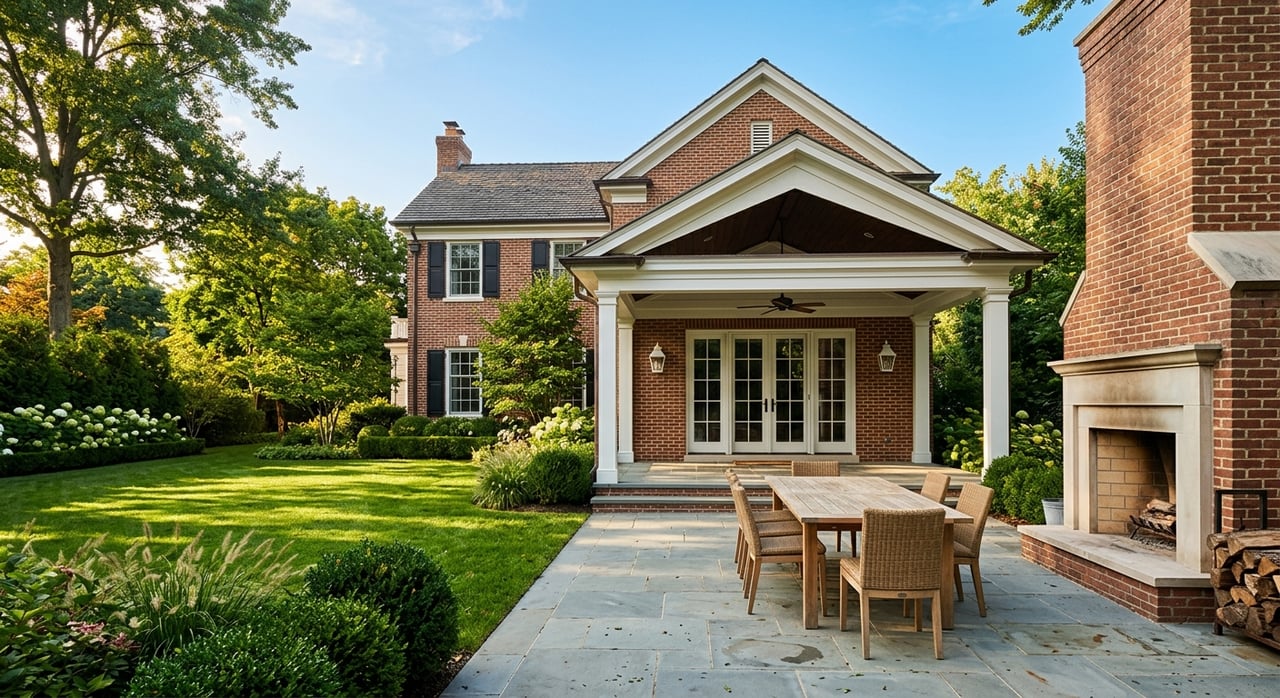
Looking at homes in Clifton or thinking about how to improve the one you already own? In a town known for its small scale, wooded setting, and semirural historic character, outdoor living is not just a bonus feature. It is often part of how a home feels and functions every day. If you want to understand what makes patios, porches, and yards especially valuable in Clifton, this guide will help you think through comfort, usability, and local planning considerations. Let’s dive in.
Why Outdoor Living Matters in Clifton
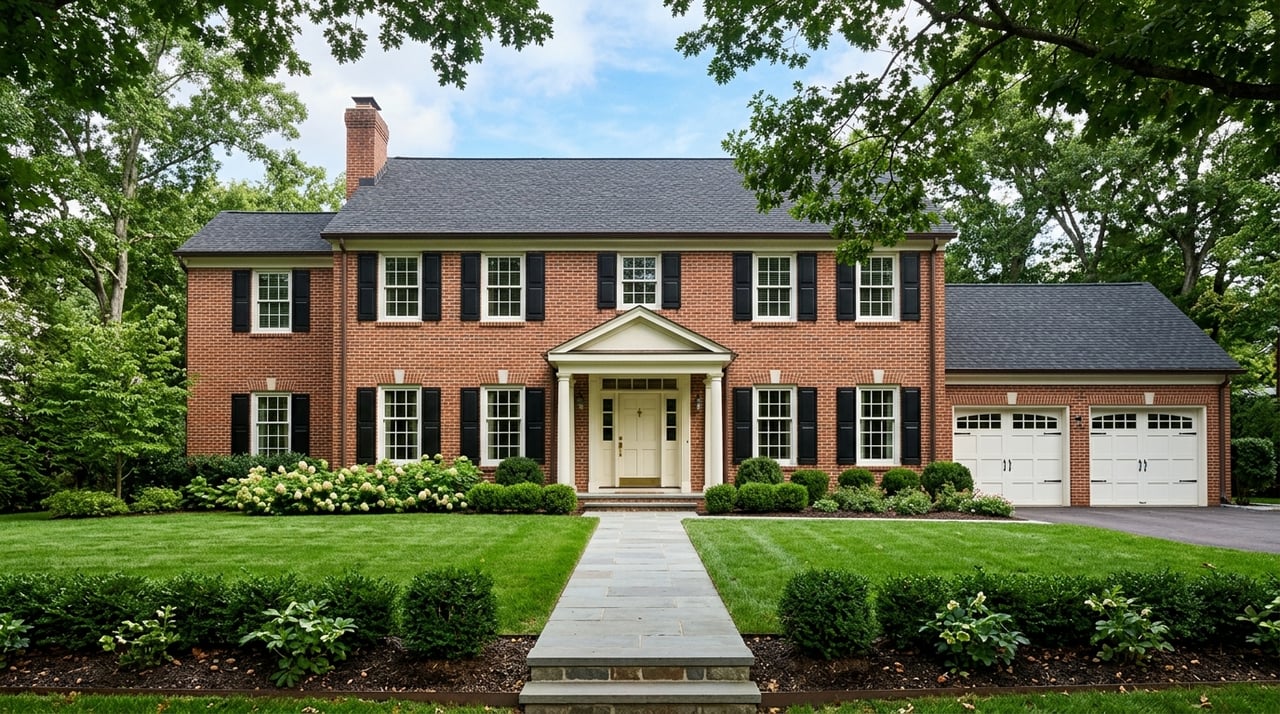
Clifton is a very small town in Fairfax County with about 200 residents and only a quarter square mile of land area. Fairfax County planning describes it as a small older historic community of single-family homes with little anticipated additional development and a policy to retain its semirural historic character.
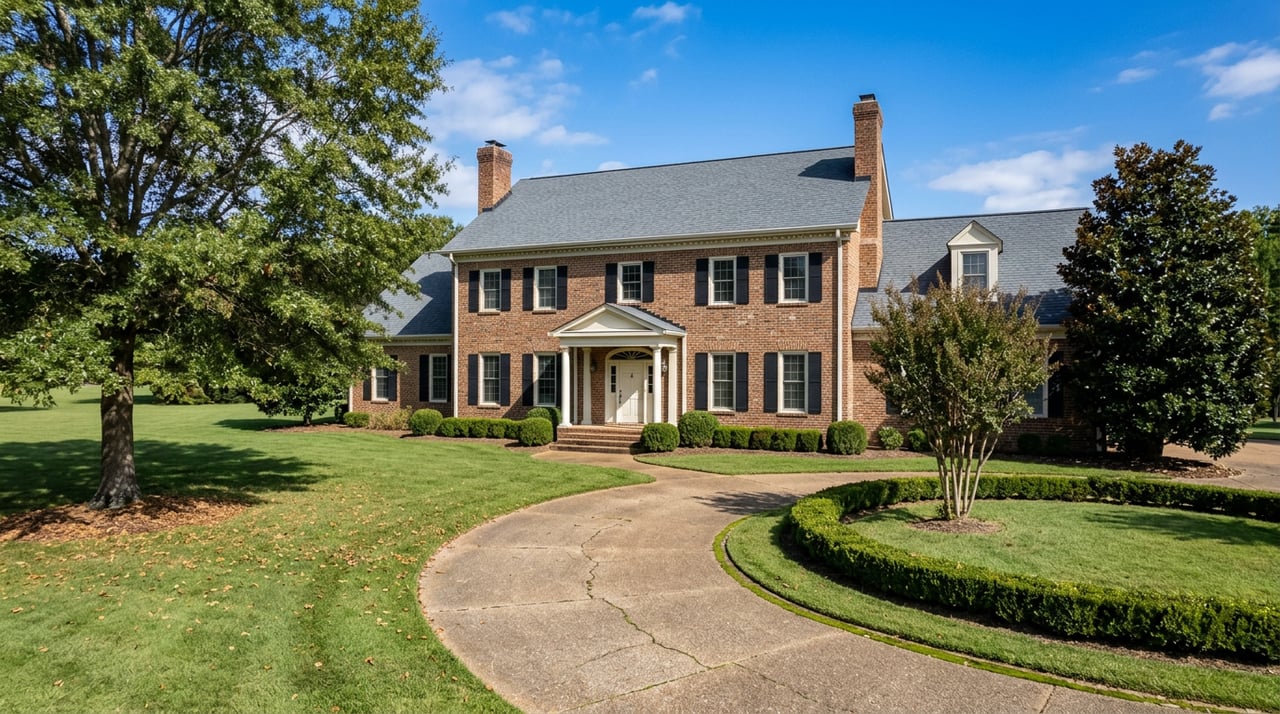
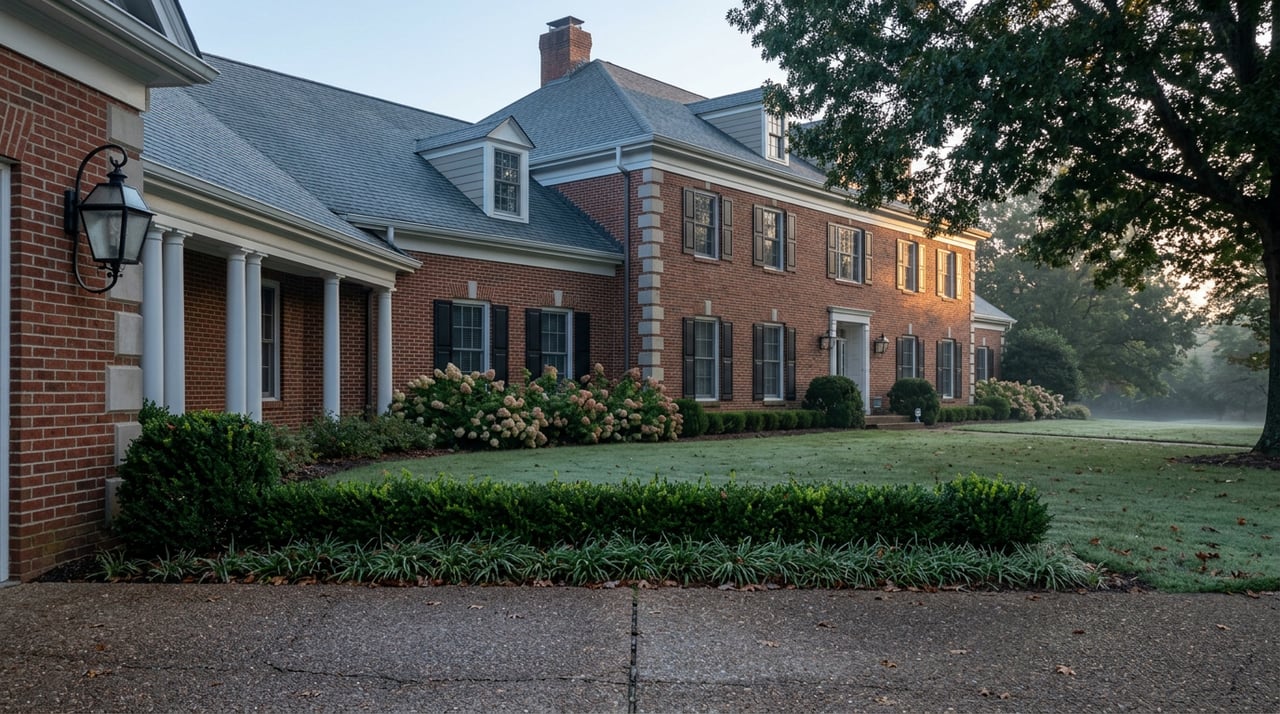
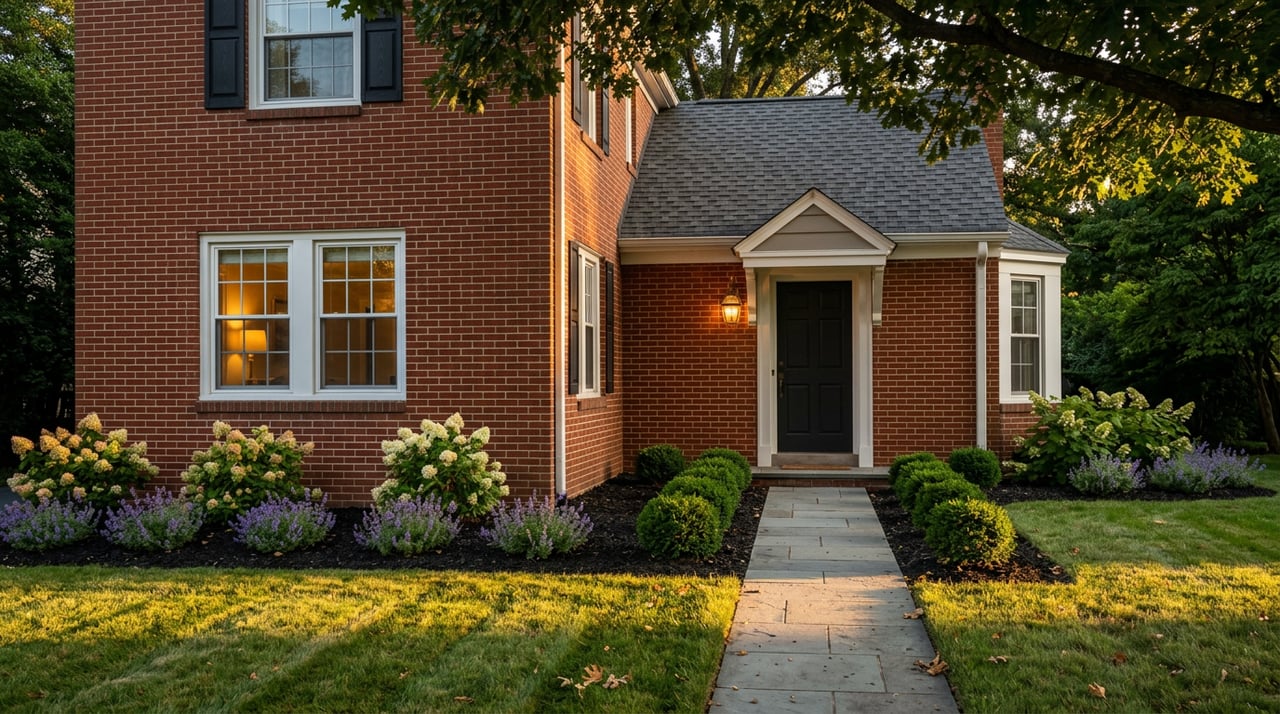
That context shapes how people experience homes here. In Clifton, buyers often look beyond interior square footage and pay close attention to privacy, shade, usable yard space, and how the lot connects to the home. Outdoor areas tend to feel less like extras and more like part of the property’s everyday living space.
The wooded character of the area also adds to that appeal. A shaded porch, a quiet patio, or a flexible backyard can help you enjoy the setting in a way that feels natural to Clifton.
Clifton Weather Shapes Outdoor Use
Outdoor living in Clifton works best when it matches the local climate. NOAA normals for nearby Washington Dulles show an annual mean temperature of 55.7°F, annual precipitation of 43.24 inches, and annual snowfall of 21.0 inches.
Summer can be warm, with July averaging a high of 87.6°F and a low of 66.8°F. Winter can be cold, with January averaging a high of 42.6°F and a low of 25.2°F. That mix makes flexibility important if you want to use outdoor space across more of the year.
In practical terms, features that offer shade, rain coverage, or a bit of seasonal comfort tend to make the biggest difference. Covered porches, screened porches, and patios with room for cool-weather gathering can help extend use through spring, summer, and fall.
Porches That Fit Clifton Homes
Covered Porches Add Everyday Comfort
A covered porch can make outdoor space more useful on both hot and rainy days. In Clifton, that matters because the best outdoor areas often support daily routines, from morning coffee to casual evening downtime.
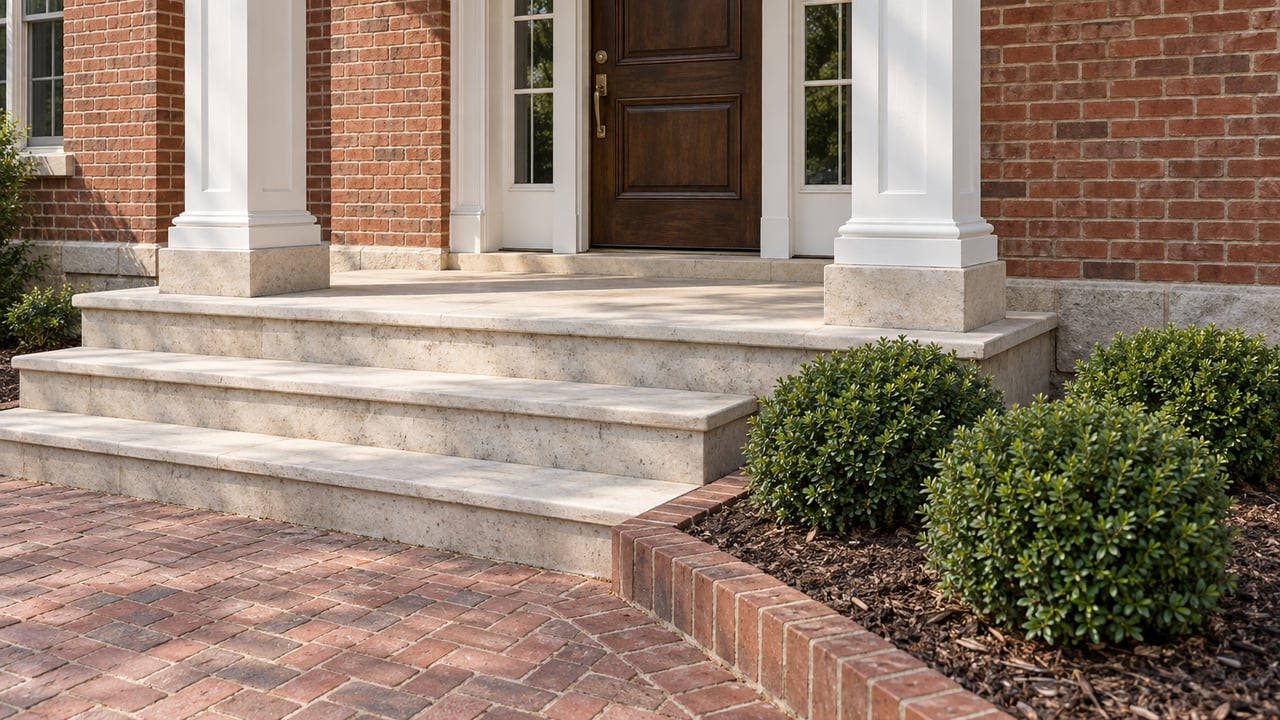
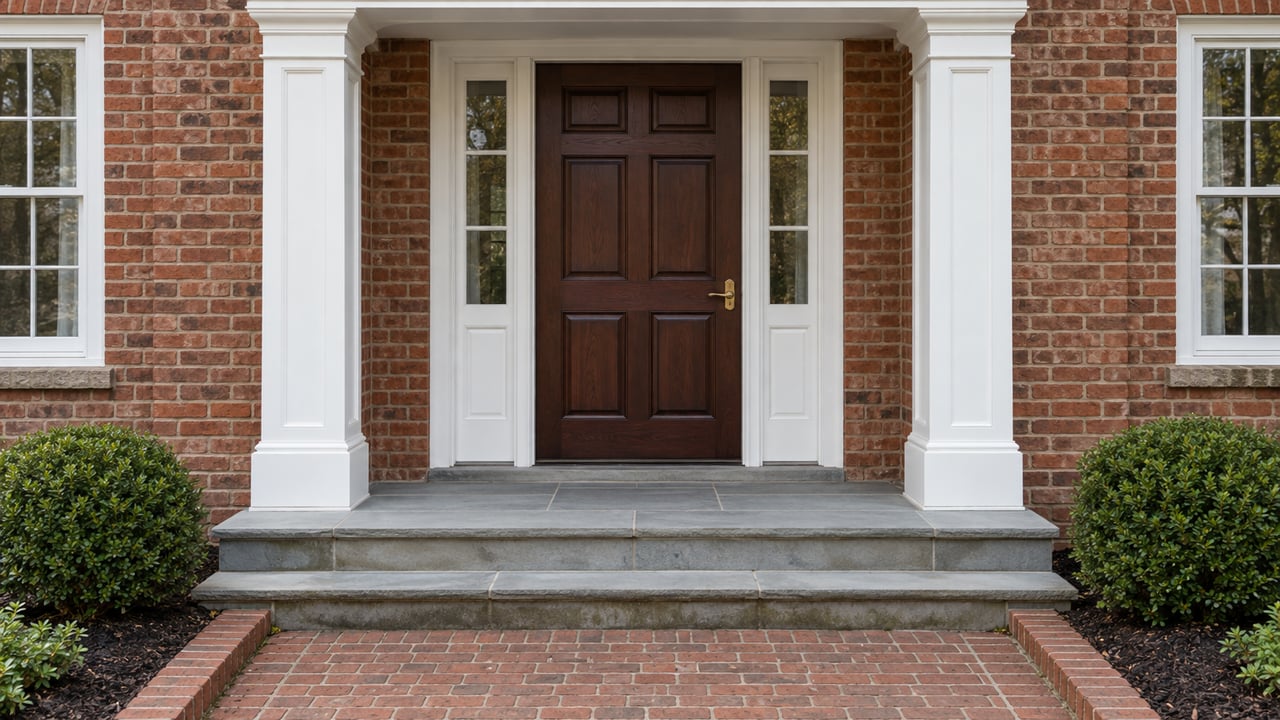
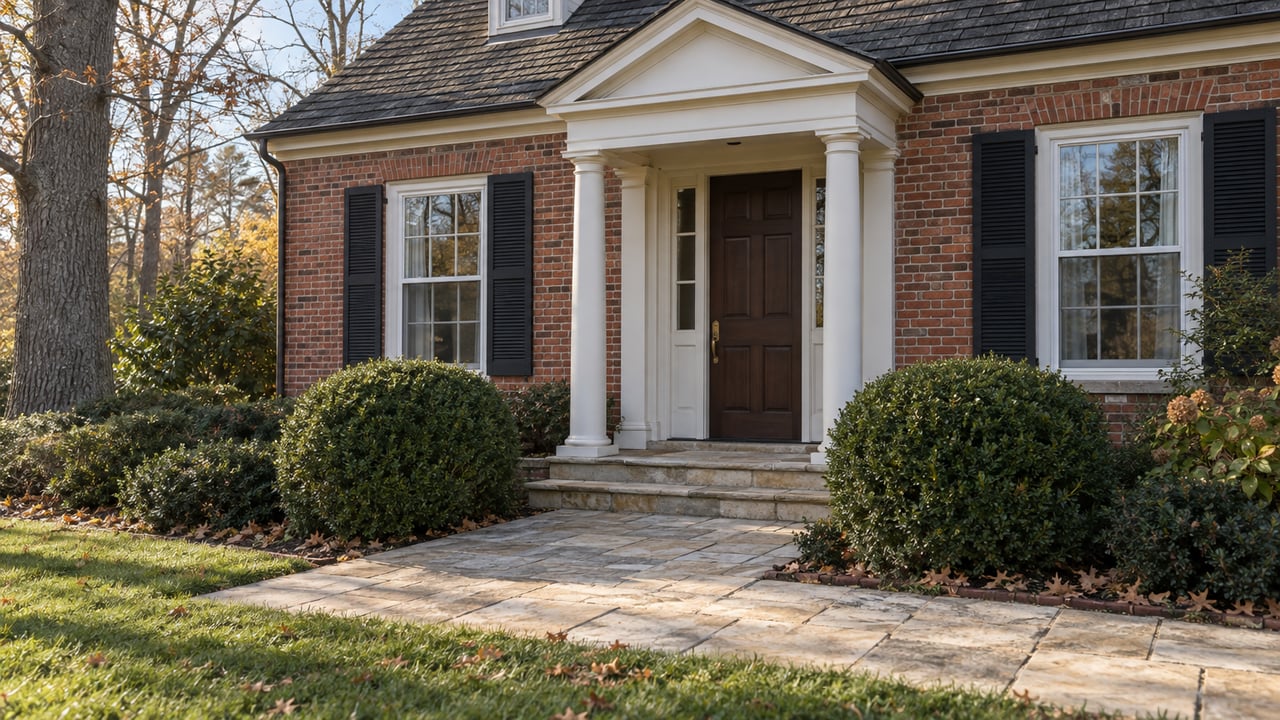
Covered porches also fit the character of many homes in and around Clifton. They offer a simple transition between indoor and outdoor living while helping you enjoy the yard without full exposure to the weather.
Screened Porches Stretch the Season
A screened porch can be especially appealing if you want airflow and yard views with a little more protection. Given Clifton’s warm summers and regular precipitation, this kind of space can feel like an outdoor room instead of a purely seasonal feature.
It is also worth knowing that Fairfax County lists screen porches, sunrooms, and front porches or stoops among projects that can require building permits. If you are planning an upgrade, it is smart to treat it as a real construction project from the start.
Patios That Work Hard
Patios can be one of the most versatile outdoor features in Clifton. They can create a defined place for dining, relaxing, or entertaining without overwhelming a lot’s natural setting.
For many homeowners, the best patio is not the biggest one. It is the one that fits the yard well, works with tree cover and drainage, and leaves enough open space for the rest of the property to stay functional.
Think About Layout, Not Just Size
A patio works best when it supports how you actually live. You might want space for a dining table, a seating area, or a grill zone that feels separate from the main gathering area.
In Clifton, this often means letting the lot guide the design. A patio that respects existing grade, mature trees, and the natural feel of the property will usually feel more at home than one that dominates the yard.
Check Permit and Site Rules Early
Fairfax County treats on-grade paver and concrete patios as permit-relevant work in many cases. On lots located in resource protection areas near streams or wetlands, a patio may require an exception process and public hearing.
That is an important detail in the Clifton area, where site design may be part of the larger approval conversation. Before making plans, it helps to understand whether the property has added environmental or land-use constraints.
Decks and Elevated Spaces
A deck can be a strong option when the lot layout calls for an elevated outdoor area or when you want a more direct extension from the main living level. On some properties, it may create better flow than a ground-level patio.
Fairfax County regulates decks through setback requirements, and some decks may be allowed to extend into setbacks depending on height and features. In Clifton itself, exterior work also faces town review, so the location, design, and relationship to the lot can matter.
This is one reason outdoor planning in Clifton should be thoughtful from the beginning. A deck may be a great fit, but it should be evaluated in the context of the property and local review requirements.
Yards as Usable Living Space
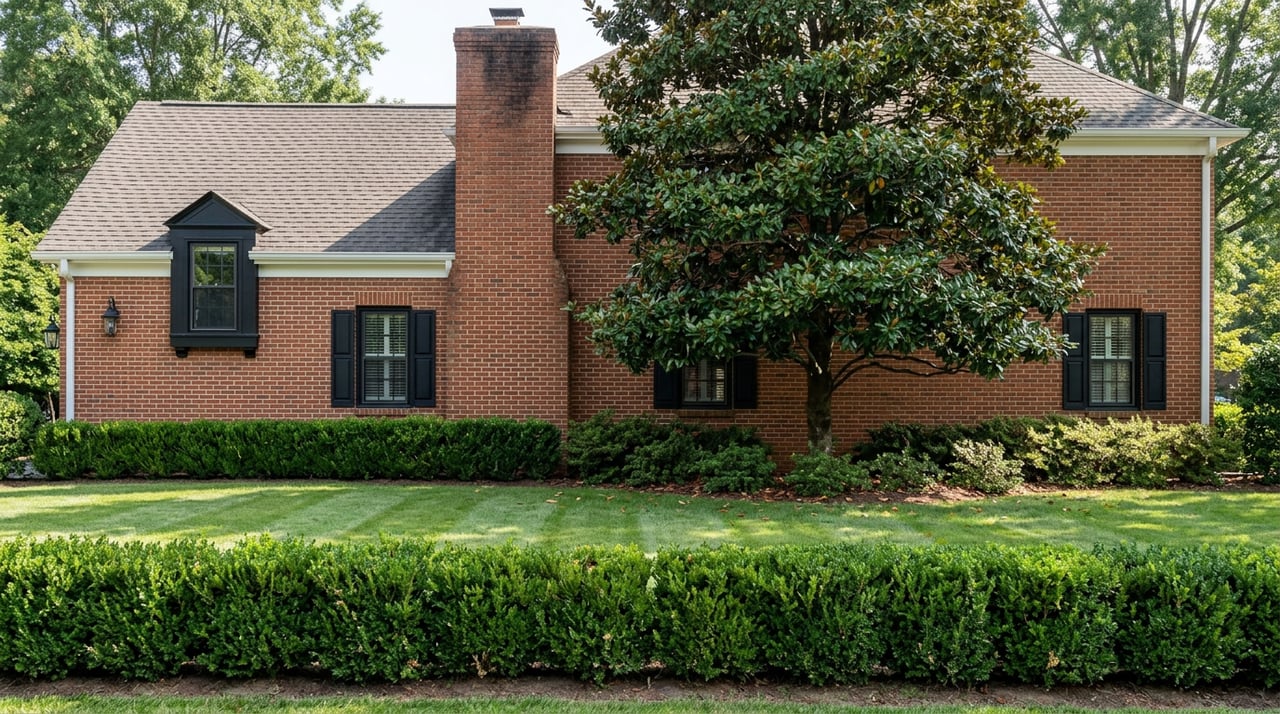
In Clifton, a good yard is not only about square footage. The most appealing yards are often the ones that feel usable, comfortable, and in scale with the home.
Because Clifton is centered on single-family homes and a historic village character, many buyers respond well to yards that serve more than one purpose. That could mean a mix of open lawn, shaded seating, garden space, or a tucked-away area for pets or play.
Features That Add Flexibility
Useful yards often include a few well-defined zones instead of one large undefined space. Depending on the lot, that could include:
- A tree-shaded sitting area
- A garden bed or planting area
- Open lawn for recreation
- A patio or deck for gatherings
- Space for pets to move comfortably
This kind of flexibility can make a yard feel more valuable day to day. It also tends to fit Clifton’s practical, private, and landscape-sensitive character.
Fire Pit Use in Clifton-Area Homes
Fire features can help extend outdoor living into cooler evenings. In a place where spring and fall can be ideal for outdoor time, that extra comfort can make a noticeable difference.
Fairfax County allows recreational fires without a permit if they are 3 feet or less in diameter and 2 feet or less in height, kept at least 25 feet from structures or combustible material, and attended until extinguished with fire-suppression means available.
Portable fire pits, chimineas, and similar devices must be operated at least 15 feet from structures or combustible material. They also cannot be stored on balconies or decks.
Those rules matter if you are comparing homes with existing outdoor setups or thinking about adding one later. A fire feature can be a nice lifestyle addition, but it needs to be used in the right location.
Clifton Rules You Should Know
One of the biggest differences in Clifton is that exterior improvements may involve both town and county review. If a property is inside the Town of Clifton boundaries, exterior changes generally need a certificate of appropriateness from the town’s Architectural Review Board.
Additions can also require a town use permit plus a Fairfax County building permit. The town’s guidance is clear that Clifton has greater land-use restrictions than some other parts of Fairfax County, and construction should not begin until required town and county approvals are in place.
Fences, Sheds, and Accessory Structures
Outdoor living plans often include more than patios and porches. You may also be thinking about fences, sheds, or other detached structures.
Fairfax County separately regulates those features. In general, front-yard fences are limited to 4 feet on most residential lots, while side- and rear-yard fences are generally allowed up to 7 feet. Detached accessory structures over 256 square feet require a building permit.
Resource Protection Areas Can Affect Design
Some Clifton-area lots may fall within a resource protection area. In those cases, patios, sheds, and other accessory structures can require additional review and sometimes a public hearing.
That does not mean improvements are impossible. It means site planning should happen carefully, with the property’s environmental and regulatory context in mind.
What Buyers and Sellers Should Notice
If you are buying in Clifton, look at outdoor living the same way you look at the kitchen or primary bath. Pay attention to how the outdoor space actually functions, how much privacy it offers, where the shade falls, and whether the lot feels easy to use.
If you are selling, outdoor spaces deserve real attention in both preparation and marketing. A clean porch, well-defined patio, and tidy, usable yard can help buyers understand how the property lives beyond the walls of the home.
In Clifton, that story matters. Outdoor space often plays a real role in how buyers judge comfort, setting, and overall value.
Whether you are buying, selling, or planning your next move in Clifton, the right guidance can help you evaluate both the lifestyle appeal and the practical details of a property. The Amanda Jones Team brings local market insight and hands-on support to help you make confident real estate decisions.
FAQs
What makes outdoor living especially important in Clifton homes?
- Clifton’s small size, single-family housing pattern, wooded setting, and semirural historic character make privacy, shade, and usable yard space important parts of how a home feels and functions.
Do patios and porches in Clifton require permits?
- They can. Fairfax County lists projects such as screen porches, sunrooms, front porches or stoops, and many patio installations as permit-relevant work.
Do Town of Clifton properties have extra review for exterior changes?
- Yes. If a home is inside the Town of Clifton boundaries, exterior changes generally require a certificate of appropriateness from the town’s Architectural Review Board, and some projects may also need a town use permit and county permits.
Are fire pits allowed at homes in Clifton?
- Yes, if they follow Fairfax County rules. Recreational fires must meet size, distance, attendance, and fire-suppression requirements, and portable fire pits must be operated at least 15 feet from structures or combustible material.
What should buyers look for in a Clifton yard?
- Focus on usability, privacy, shade, and layout. A yard that supports seating, recreation, gardening, or pet space often adds more practical value than size alone.
Can a Clifton-area lot have extra environmental restrictions?
- Yes. Some lots may be in a resource protection area, where patios, sheds, and other accessory structures can require added review and, in some cases, a public hearing.