Thinking about selling your Fairfax County home and wondering when to list for the best results? You’re not alone. Timing can influence your final price, days on market, and how smoothly your sale comes together. In this guide, you’ll learn the most active selling windows in Northern Virginia, how Clifton’s large-lot properties change the equation, and how to plan a 60–120 day runway that sets you up to win. Let’s dive in.
Best months to sell in Fairfax County
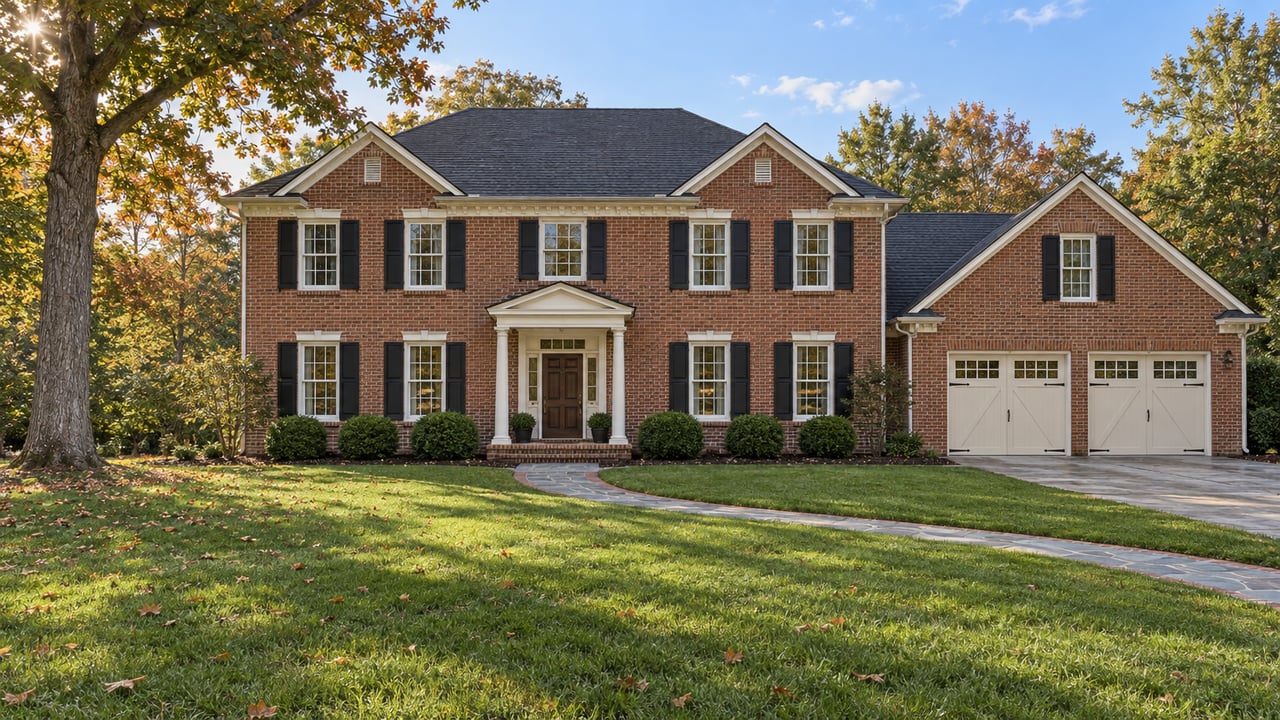
Spring is the prime selling season in Northern Virginia. Listing activity, showings, and contracts typically surge from late March through May and into early June. This window often brings the largest buyer pool and stronger list-to-sale price ratios compared to other times of the year.
Why spring works so well:
- More buyers are actively searching.
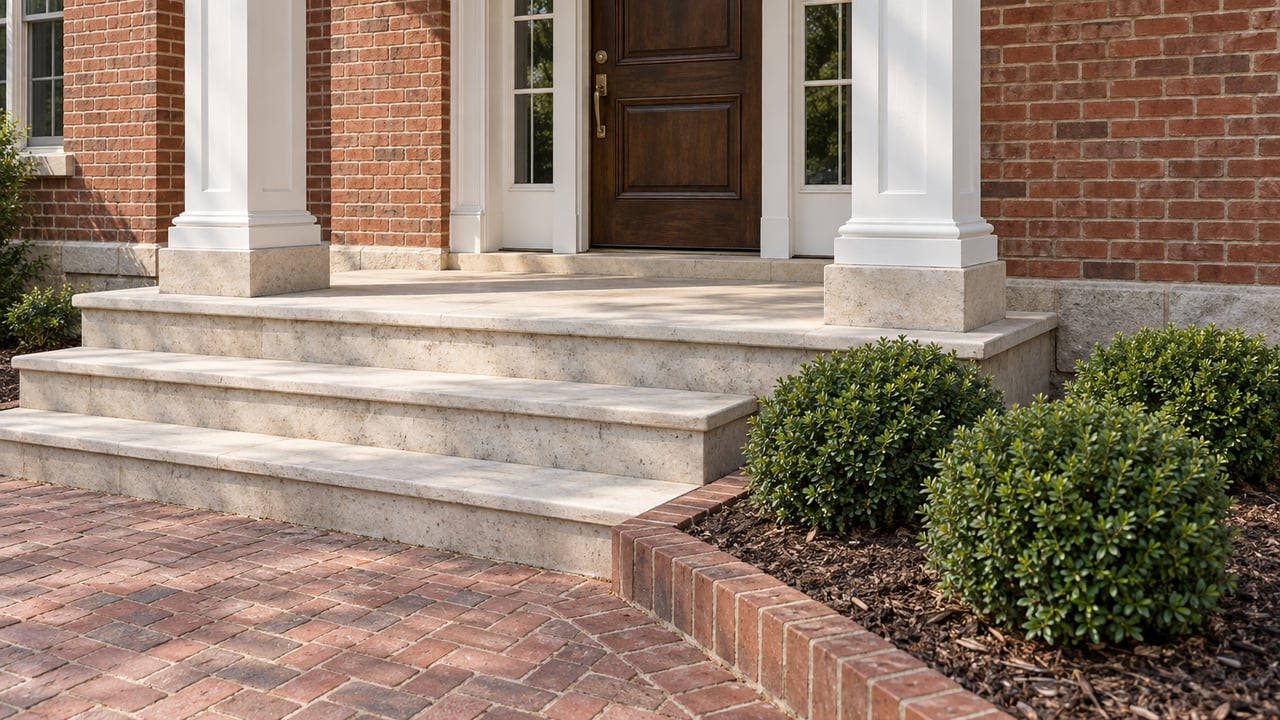
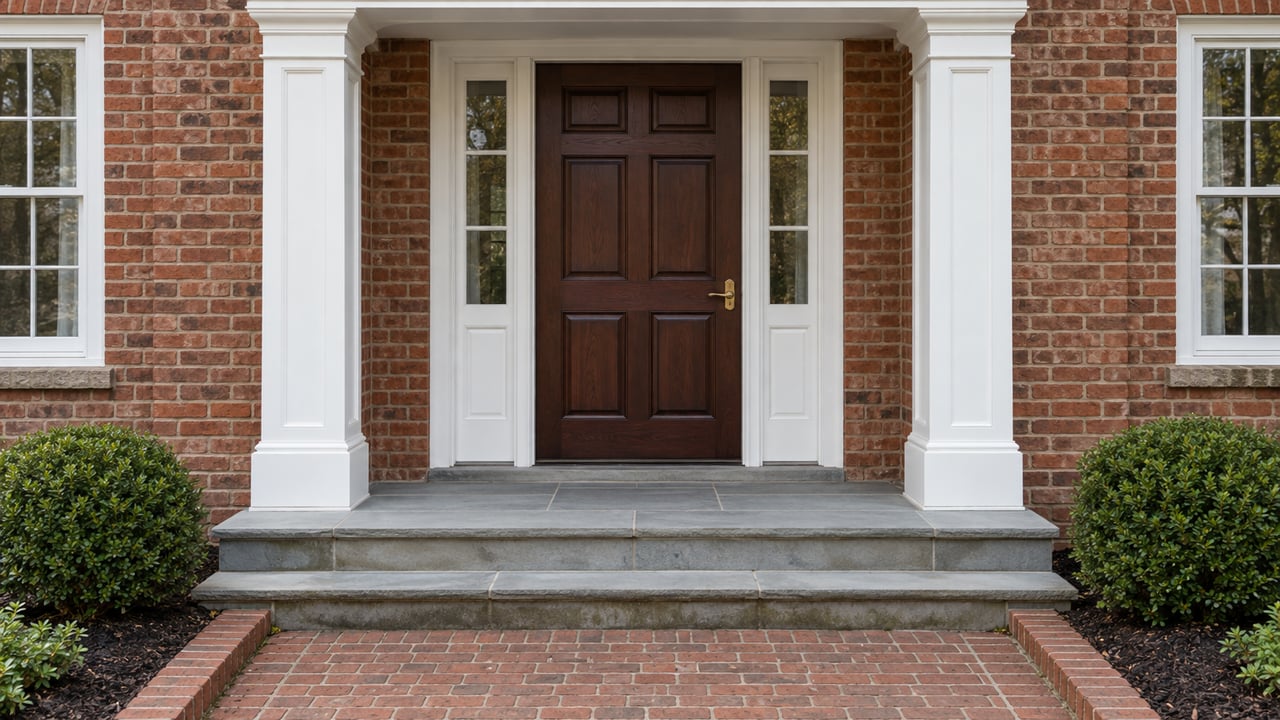
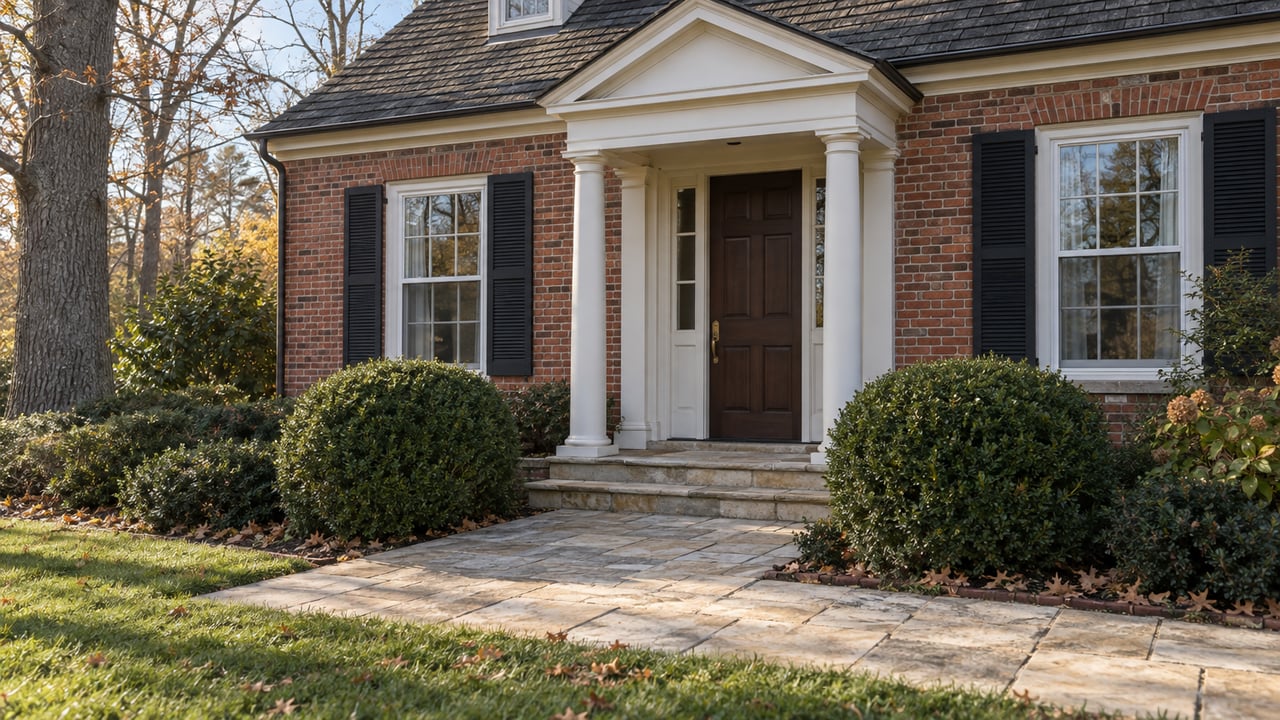
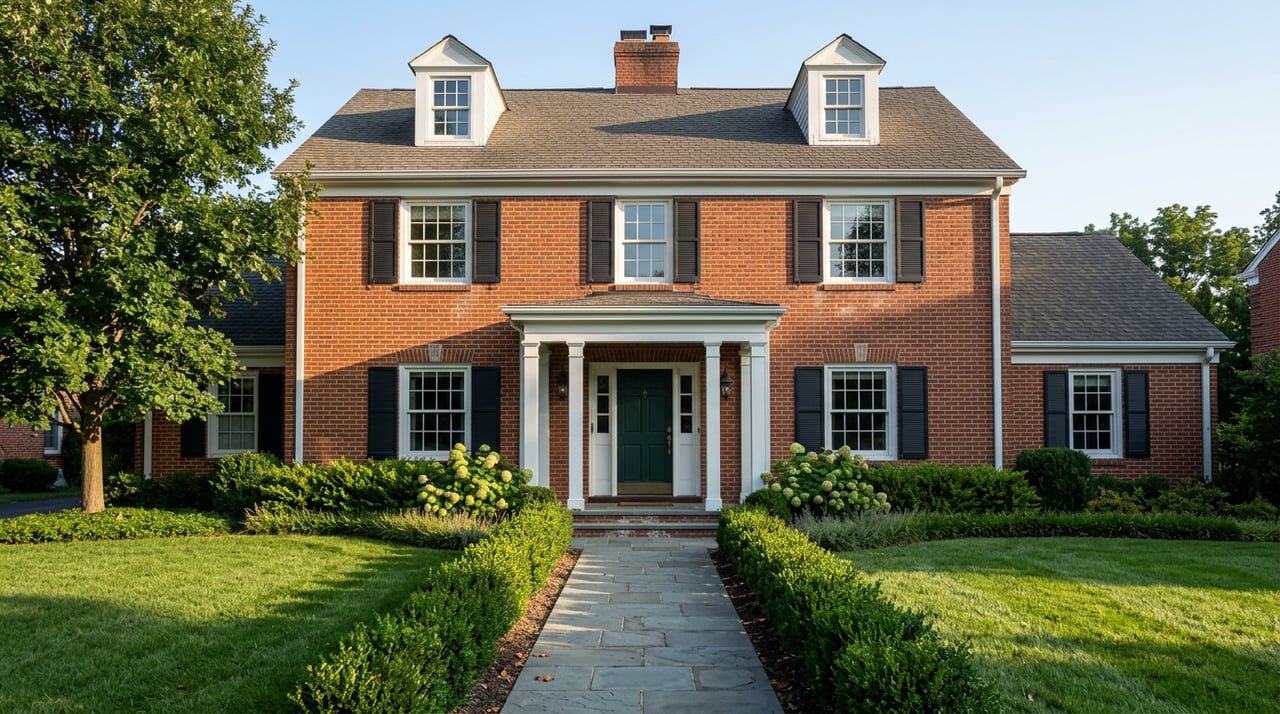
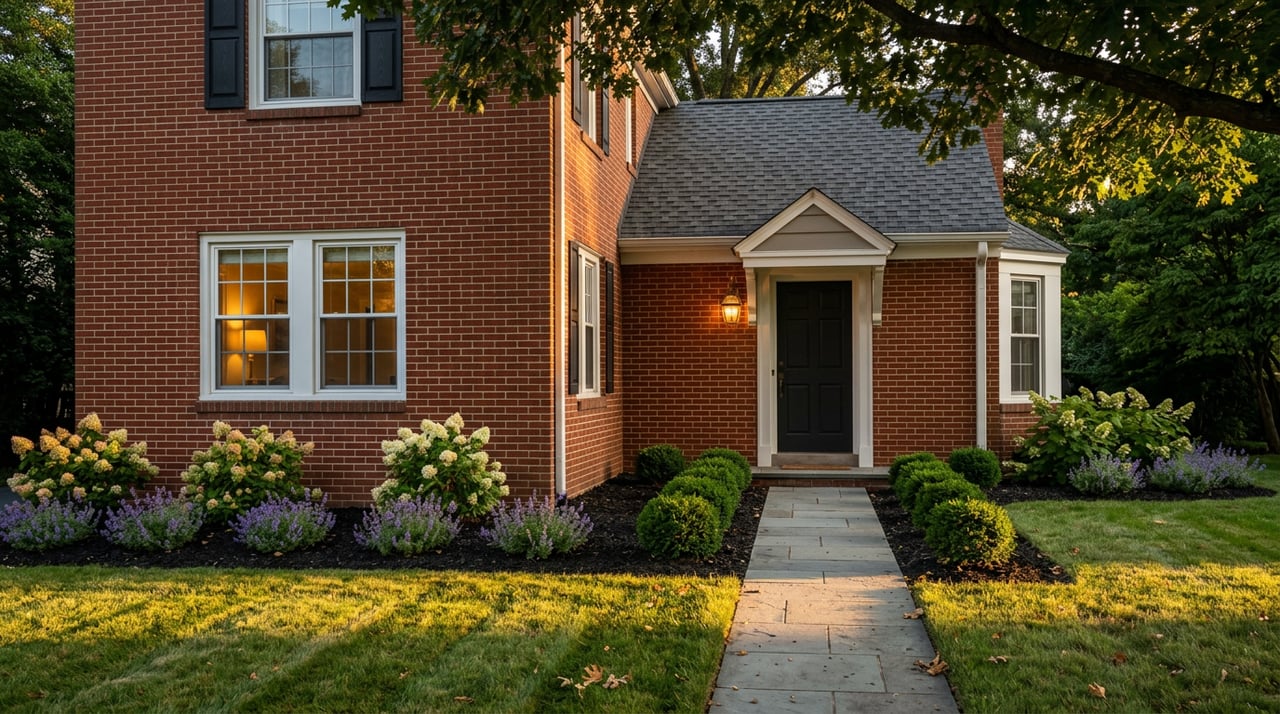
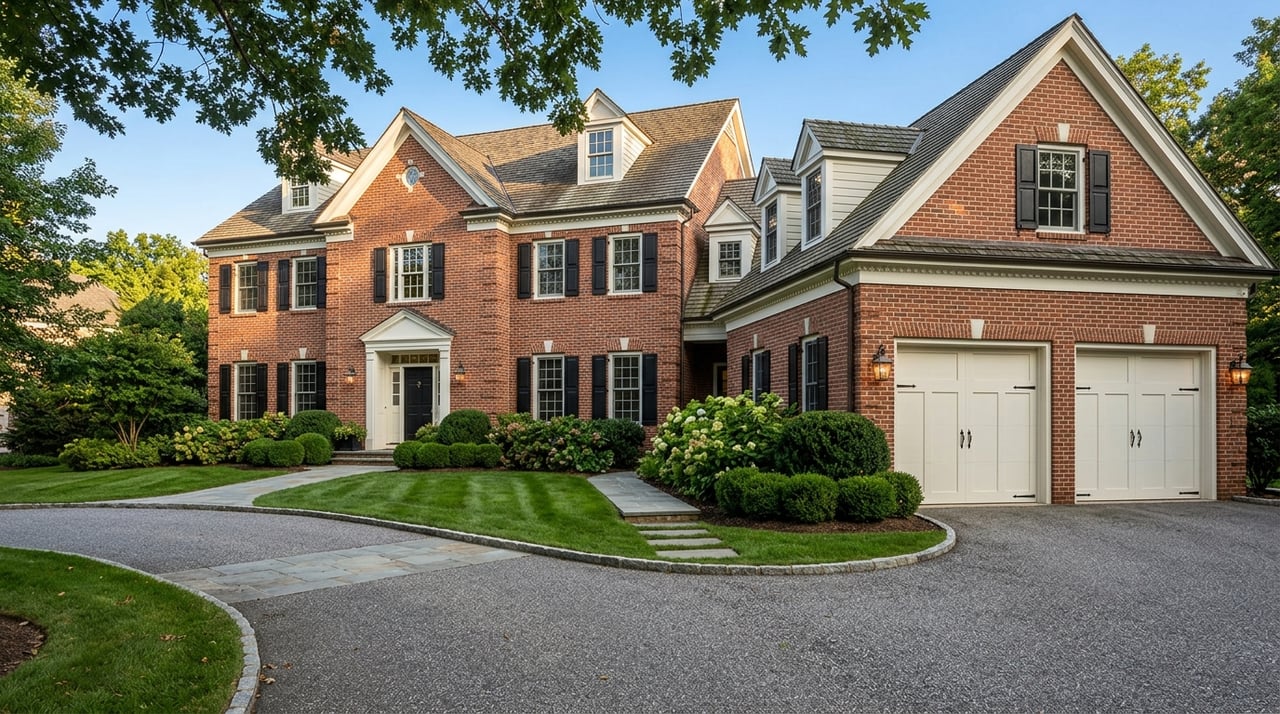
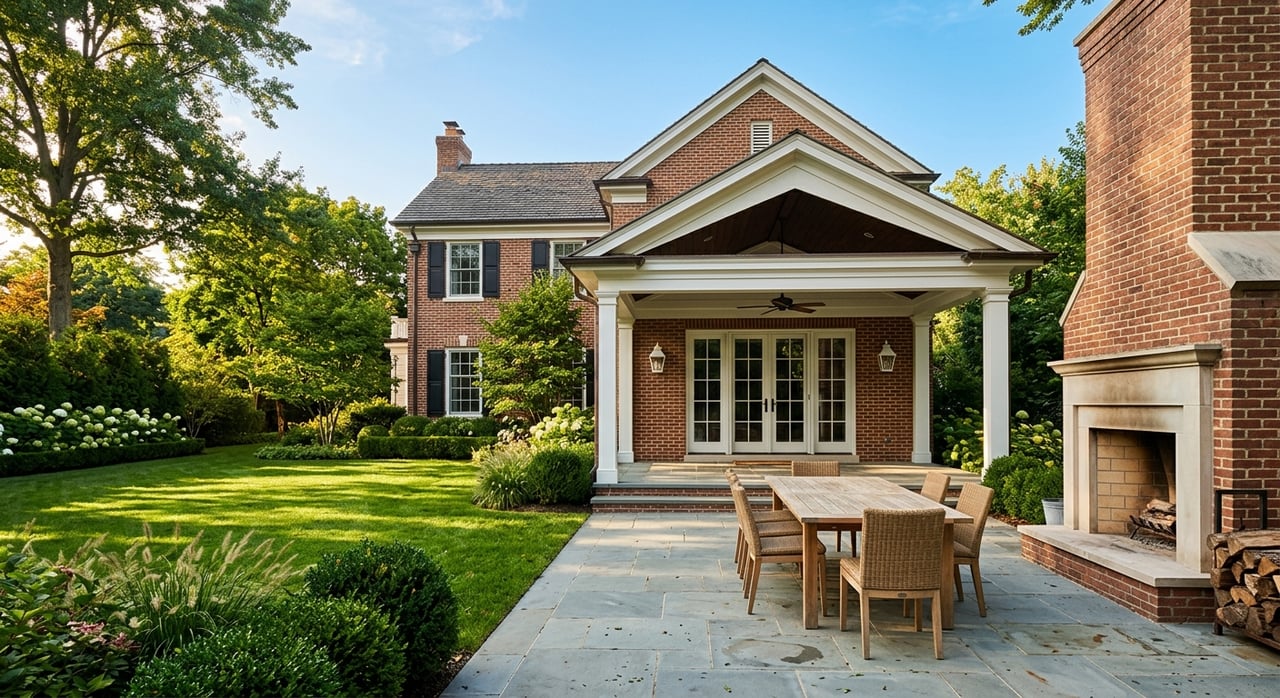
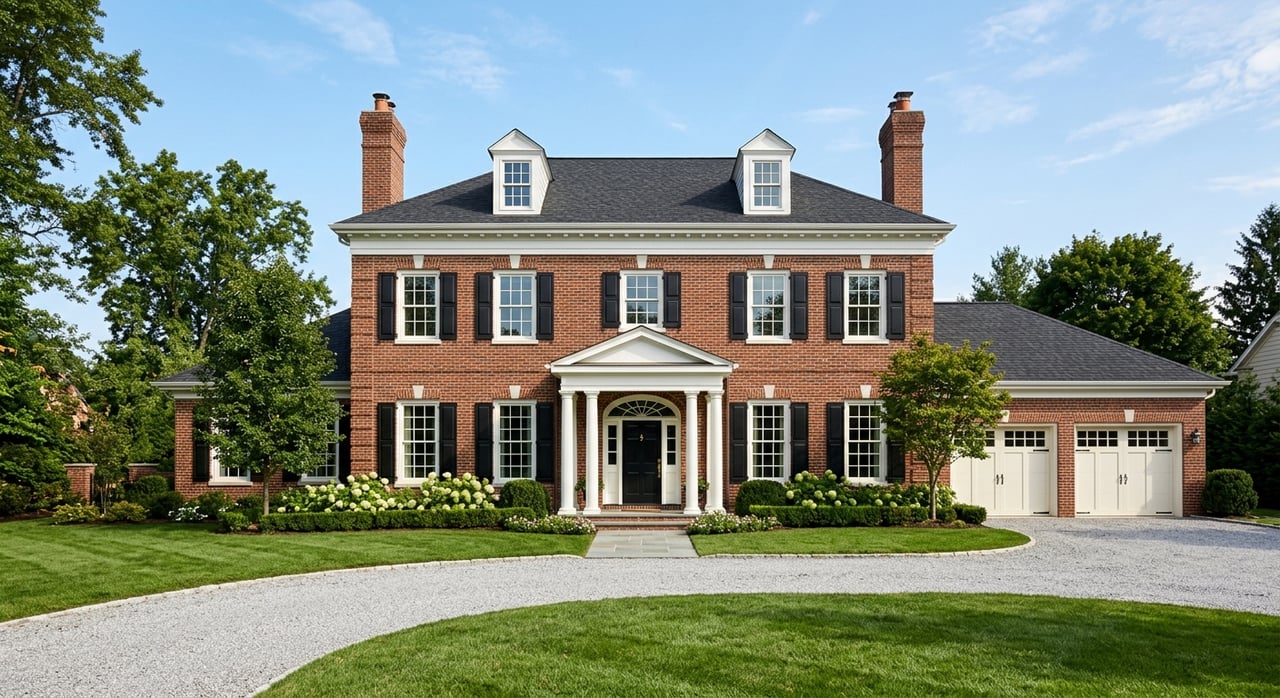
- Curb appeal improves as landscaping and outdoor spaces come to life.
- Many buyers target summer closings that align with school schedules and moving timelines.
If you want to maximize attention and your odds of multiple offers in balanced or low-inventory conditions, late March to early June is the strongest bet in most years.
Secondary windows and off-season
There are two additional timing windows that can work for Fairfax County sellers, depending on your goals and preparation.
- Late August to mid-September. Buyer activity often picks back up as families return from summer and want to settle before cooler months. Inventory can be lean, which helps well-priced homes stand out. Weather is still good for showings and exterior photos.
- January to February. This is the tactical off-season. Fewer listings means less competition, and motivated buyers are still in the market. Pricing must be realistic since the buyer pool is smaller. With the right prep, you can secure a solid contract.
Keep an eye on mortgage rates. Shifts in rates can quickly expand or contract the buyer pool. Rate declines tend to boost activity, while rate rises can cool demand. Local employment strength in the D.C. metro also supports steady housing demand over time.
Clifton timing nuances for acreage
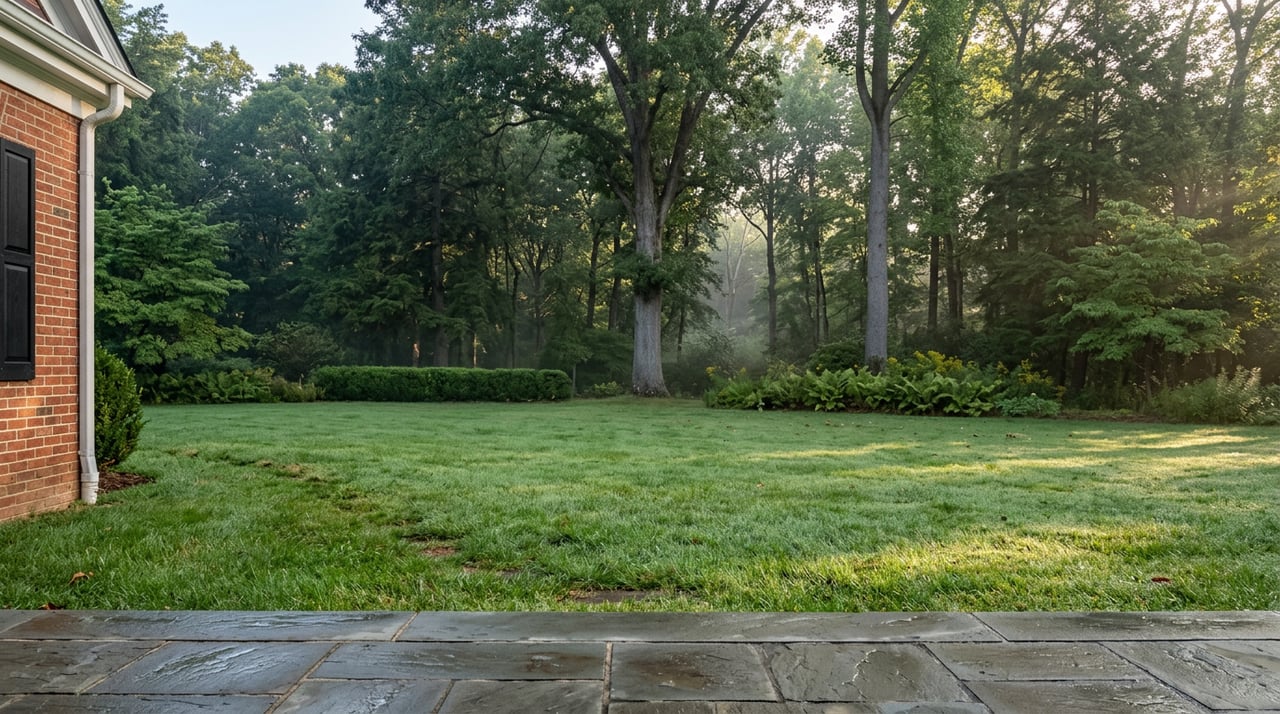
Clifton’s large-lot and semi-rural homes draw a more specialized buyer pool. These buyers often want privacy, wooded acreage, and sometimes equestrian or hobby-farm potential. That makes timing and presentation especially important.
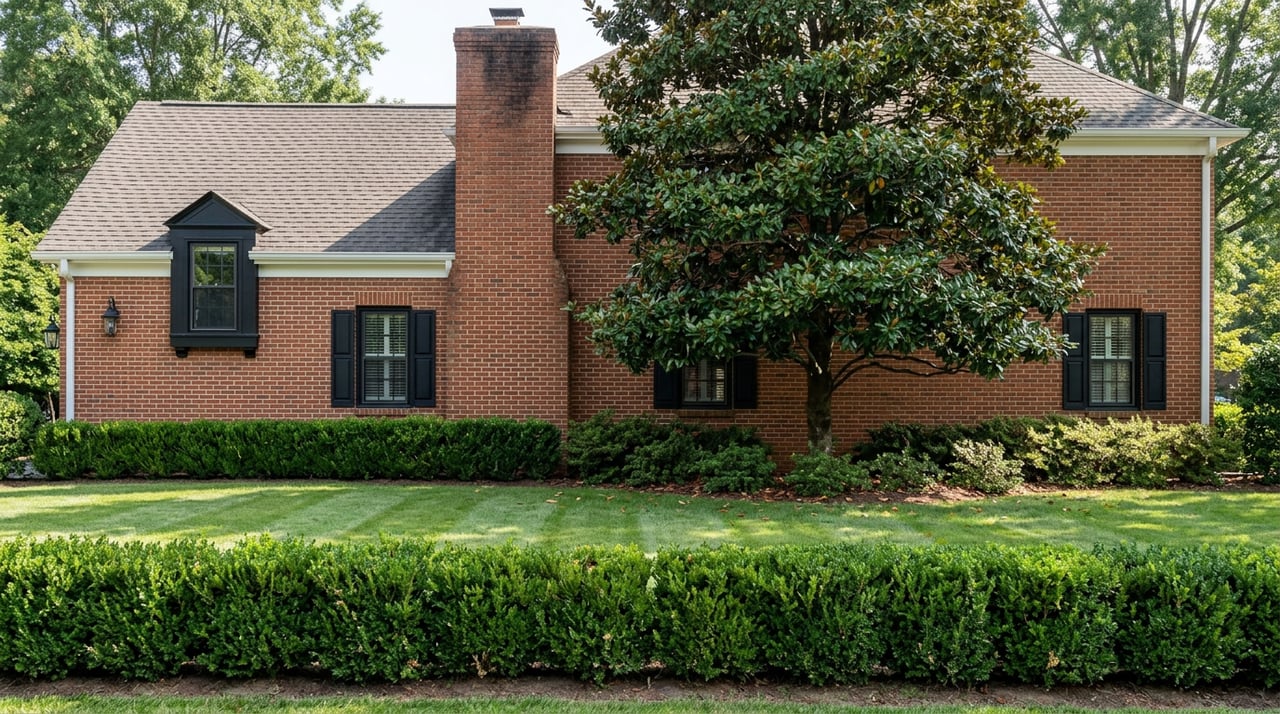
- Leaf-on months (late spring through summer). Lush lawns and full canopies enhance curb appeal and privacy, which many acreage buyers value. Late April through June is excellent for showing trails, pastures, gardens, and outdoor living.
- Leaf-off months (late fall through winter). Without foliage, buyers can better see lot lines, topography, drainage, fencing, and outbuildings. If your property’s unique features shine in clearer sightlines, winter photography can help. The tradeoff is reduced greenery and overall visual warmth.
Clifton sellers should also plan for well and septic documentation, boundary clarity, and any permits or records for outbuildings. These items can take time to assemble, so start early.
Plan backward from your ideal closing
If your goal is to close by late July, aim to list in early April. That timeline fits the typical arc of showings, contract, and a 30–45 day closing. Listing in May can still work, but you will want a tighter preparation schedule and a market-ready home.
If you need more than 30 days for major repairs or to obtain septic, well, or permit records, consider delaying your list date. Going live before you are ready can create contract delays or force price reductions.
60–120 day pre-listing checklist
Use this four-part timeline to prepare for a spring launch. Adjust the dates if you are targeting late summer or winter.
91–120 days before listing
- Gather key documents: deed, survey (if available), HOA or CCRs, septic and well records, recent utility bills, permits for improvements.
- Schedule major contractor work with long lead times: roof, HVAC, septic repairs, structural or major electrical/plumbing.
- Start any needed permits and inspections with Fairfax County as early as possible.
- Clifton tip: Order a boundary survey if lot lines are unclear or if acreage disputes are possible.
61–90 days before listing
- Complete large repairs and close out permits. Keep proof of completion.
- Book pre-listing inspections if desired: roof, HVAC, pest/termite, septic, and well water test. These can reduce surprises and speed negotiations.
- Plan staging: select paint touchups, rental furniture if needed, and a decluttering plan.
- Improve curb appeal and access: driveway repairs, grading touchups, trimming, and hazard tree removal. For large lots, clear and mark access routes so buyers can experience usable acreage.
31–60 days before listing
- Deep clean and declutter. Finish minor repairs like caulk, grout, bulbs, and handrails.
- Finalize staging and book landscapers for fresh mulch and pruning if listing in spring.
- Schedule professional photography. For acreage, add drone photography. Book a week before listing to capture seasonal blooms and optimal light.
- Draft marketing materials: property feature list, floor plan, and a clear overview of systems and utilities. Include septic and well information for Clifton-lot buyers who expect it.
0–30 days before listing
- Final walkthrough to confirm staging and functionality. Keep utilities on for showings and inspections.
- Assemble receipts and maintenance records for recent work.
- Set a pricing strategy using current comps and market conditions. Confirm showing schedules and open-house plans.
- Clifton tip: Confirm safe, clearly marked access for visitors. Follow local signage rules on country roads and ensure easy navigation to the property.
Pricing and marketing by season
Pricing should reflect the size of the buyer pool and current inventory.
- Spring. You can price more confidently when buyer activity peaks. Strong marketing that highlights landscaping, outdoor spaces, and commuter access can attract multiple offers in the right conditions.
- Summer. Spotlight shade, mature trees, and outdoor amenities such as pools and decks. Show well in heat with well-maintained HVAC and inviting outdoor seating.
- Fall. Use foliage, fresh leaf cleanup, and cozy curb appeal to your advantage. Balanced pricing and crisp photography help you stand out as activity tapers.
- Winter. Emphasize warm, well-lit interiors and consider virtual tours. If you choose winter to showcase lot lines and views on acreage, pair clear exterior images with inviting interior staging.
For Clifton, be ready for buyers who will conduct thorough due diligence. Expect questions about septic and well performance, boundary surveys, outbuilding permits, and any easements or floodplain designations. Having documentation ready often shortens negotiations.
When to wait before listing
Delay listing if you need time to handle major repairs, open permits, or essential documentation. In Clifton, that can include septic or well testing, permit research for accessory buildings, and clarifying easements. Addressing these items before you go live helps prevent contract delays and price concessions later.
If your sale is tied to buying a replacement home, coordinate timing carefully. Consider contract contingencies, rent-backs, or short-term options so you are not rushed into a purchase or forced to accept unfavorable terms.
What to expect from interest rates and jobs
Mortgage rates directly affect purchasing power. If rates fall, demand often rises quickly. If rates rise, some buyers pause or adjust budgets. The D.C. metro’s employment base, including federal and professional sectors, supports relatively steady demand compared to many non-metro areas. Your pricing and timing should align with the current rate environment and local inventory at the moment you list.
Quick takeaways for Clifton sellers
- The strongest listing window is late March to early June.
- A late August to mid-September window can also deliver strong results with less competition.
- For acreage, leaf-on months boost curb appeal, while leaf-off months can reveal topography and boundaries. Choose what best showcases your property.
- Start well and septic testing, boundary confirmation, and permit research early. These items can take weeks.
- Plan for a 60–120 day runway to handle repairs, staging, and marketing without rushing.
Ready to talk through your timing and a custom prep plan for your home? Connect with the Amanda Jones Team for local guidance, staging and marketing support, and a confident path from list to close.
FAQs
What is the best month to sell a home in Fairfax County?
- Late March through May typically offers the largest buyer pool and stronger pricing outcomes compared to other seasons, assuming normal market conditions.
When should I list to close by late July in Fairfax County?
- Aim for an early April listing to allow time for showings, contract, inspections, and a 30–45 day closing without rushing.
Is winter a bad time to sell in Fairfax County?
- Not necessarily. January and February can work due to lower competition, but pricing must be realistic because the buyer pool is smaller.
How does selling a Clifton acreage property differ from other Fairfax homes?
- Clifton’s buyer pool is more specialized and may require more due diligence on wells, septic systems, boundaries, outbuildings, and easements. Preparation and documentation are key.
Should I complete a pre-listing inspection for my Fairfax County home?
- Often yes. Pre-listing inspections can reduce surprises, speed negotiations, and give you a clear to-do list to address before going live.
What documents do Clifton buyers usually expect to see?
- Recent septic and well reports, a boundary survey if available, permits for outbuildings and improvements, and disclosure of any easements or relevant land designations.