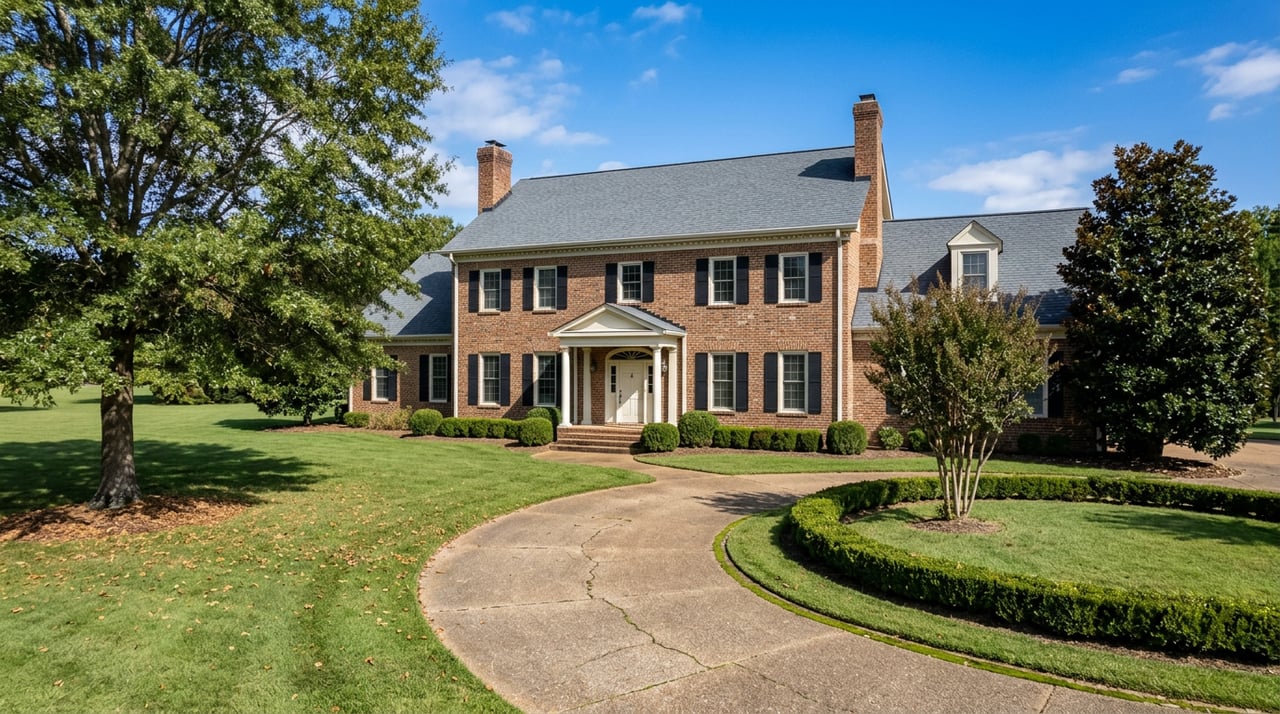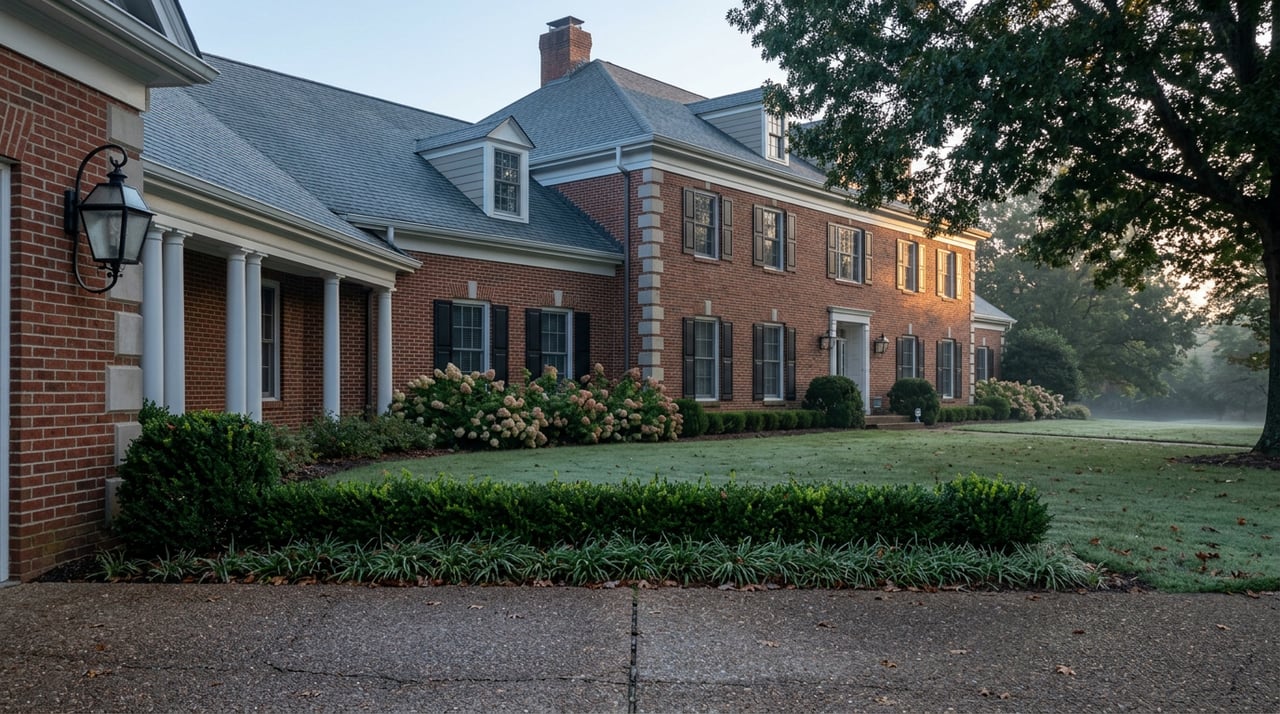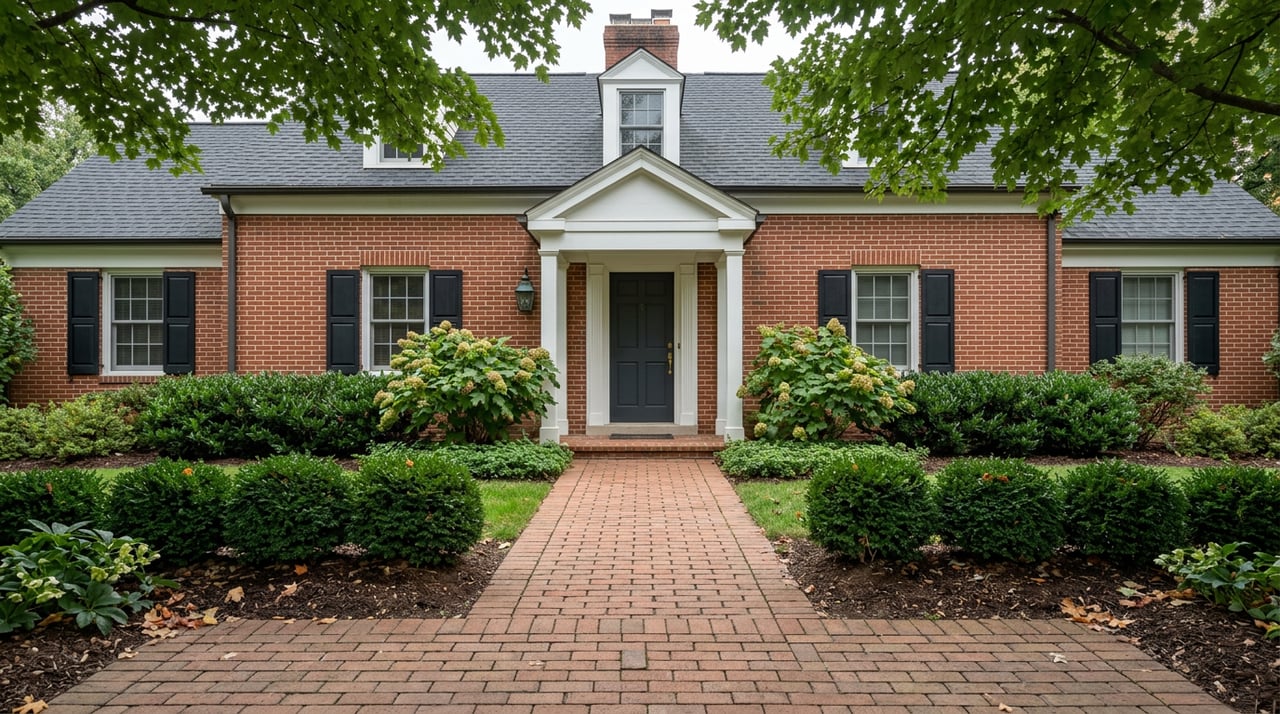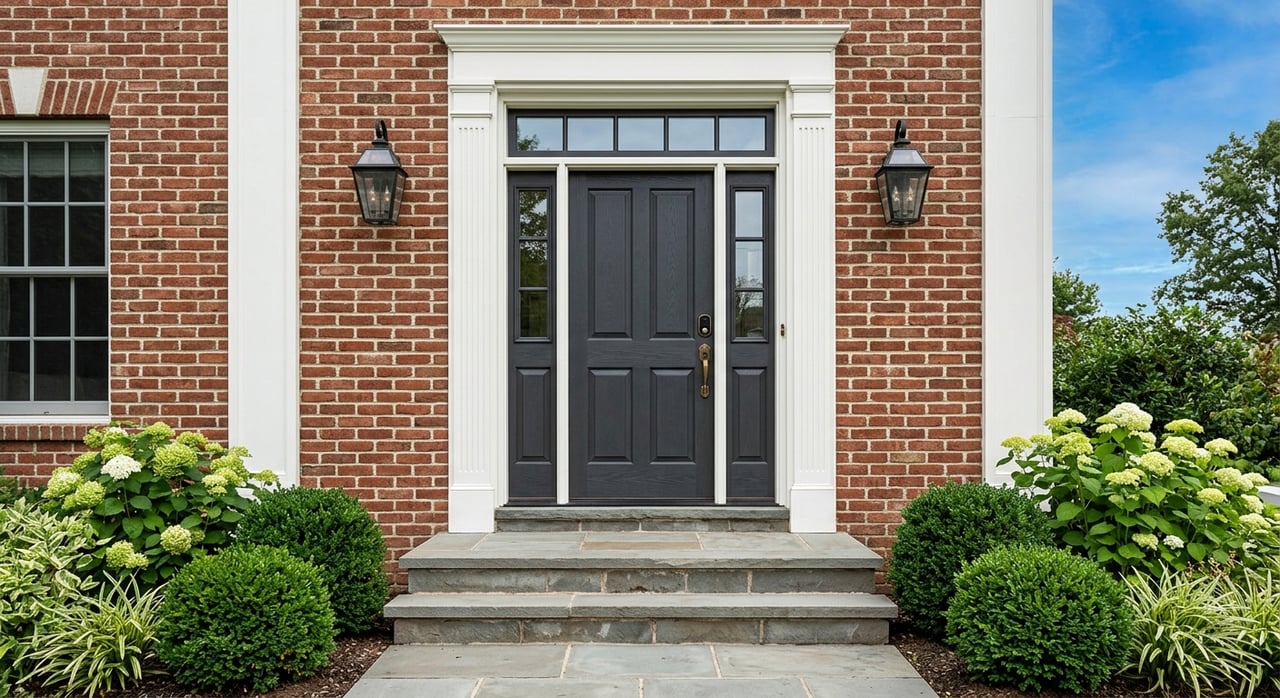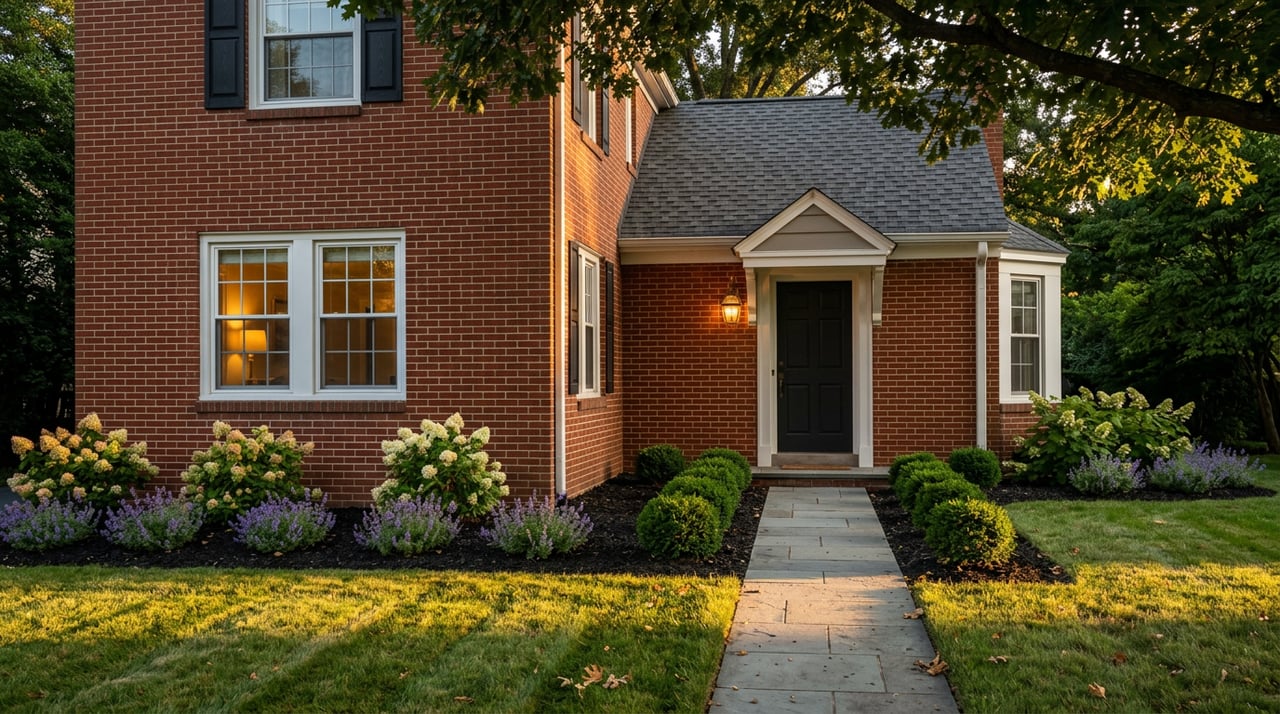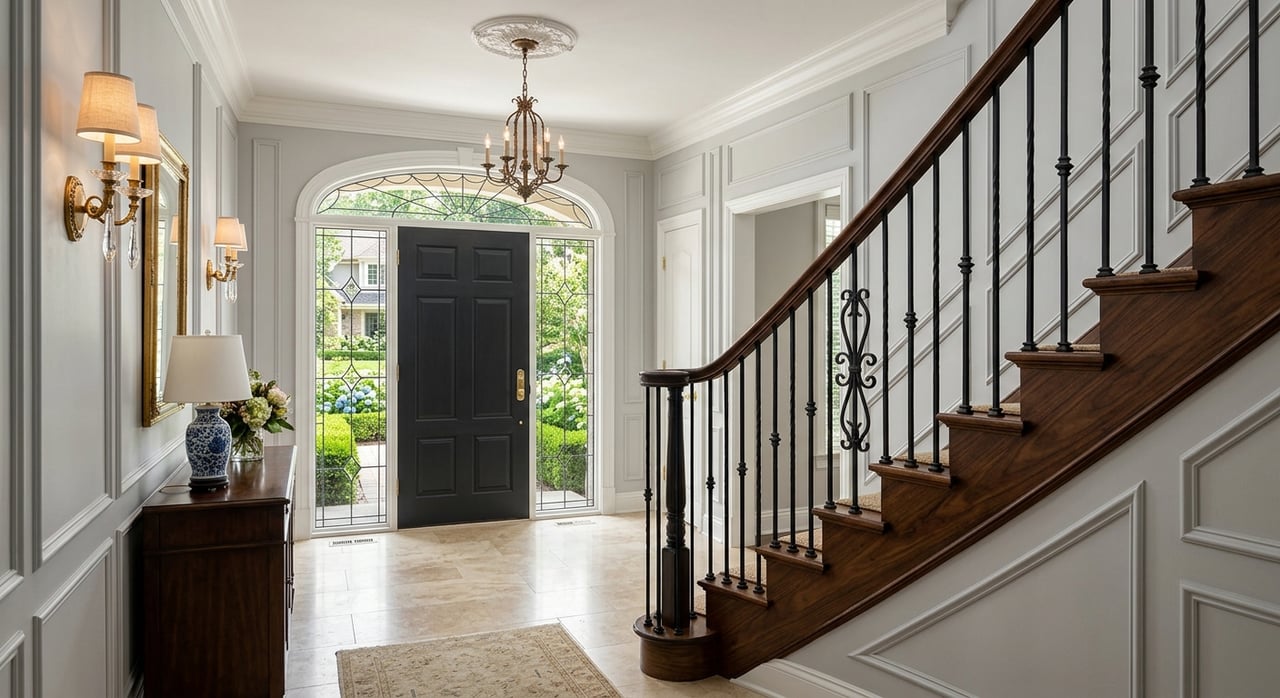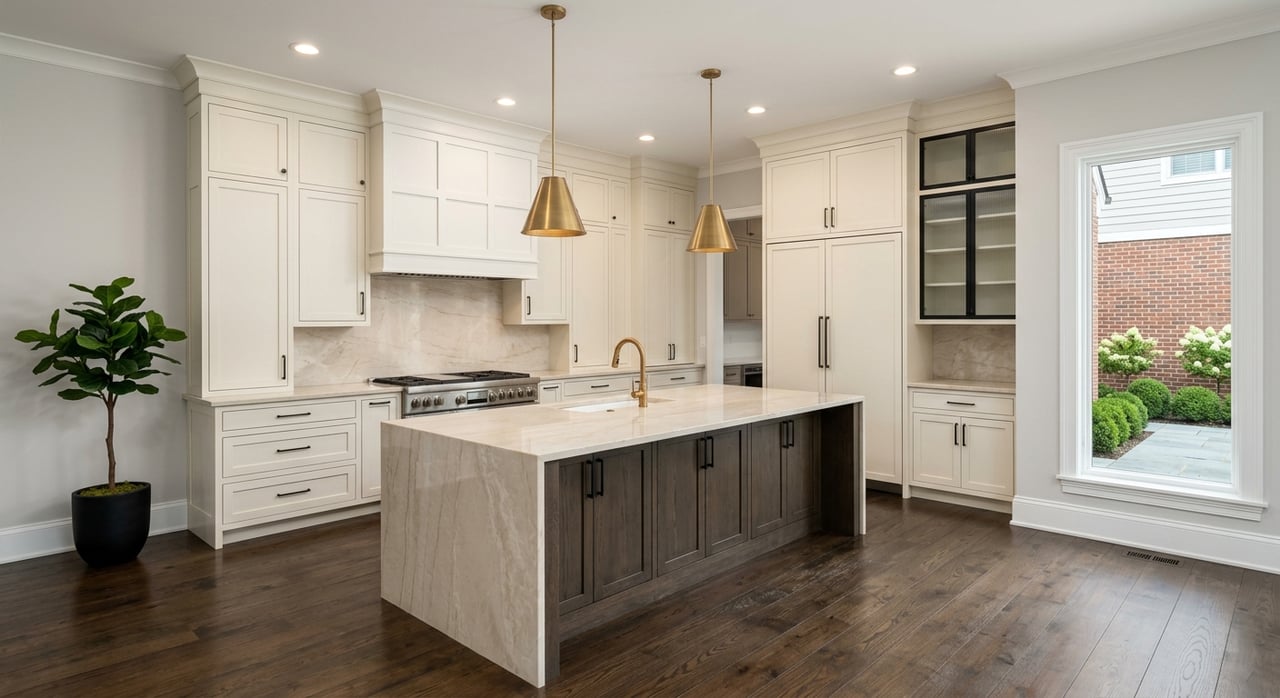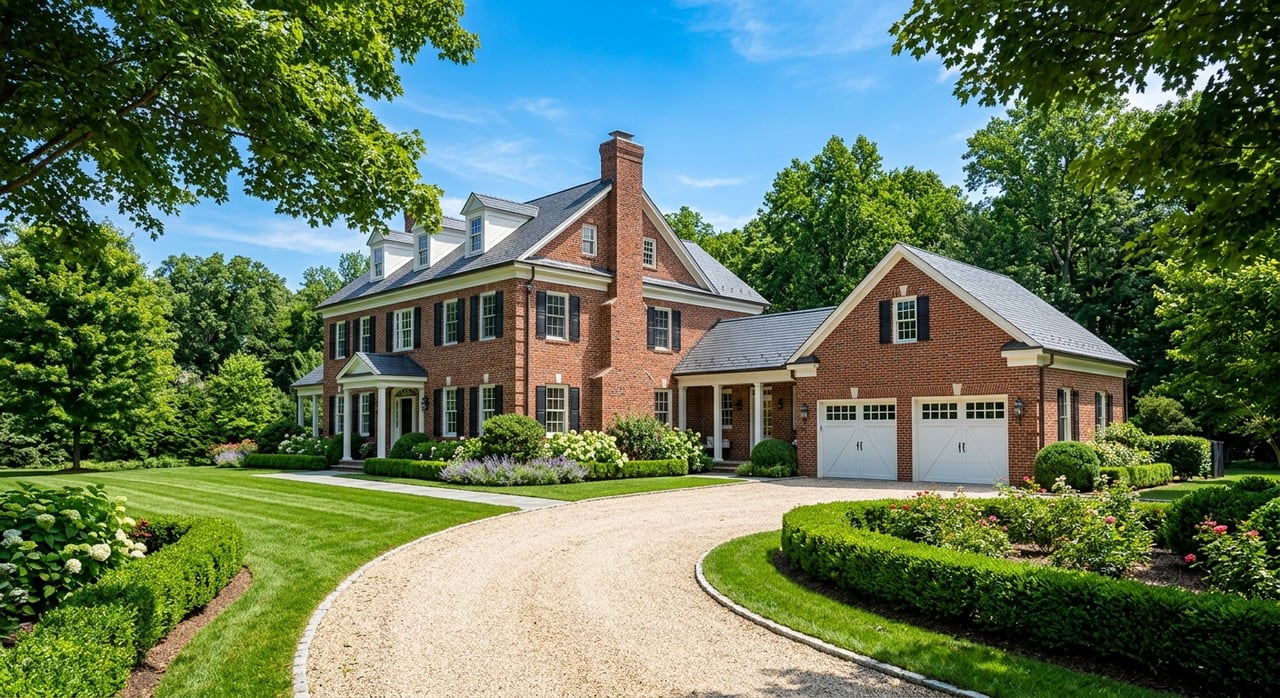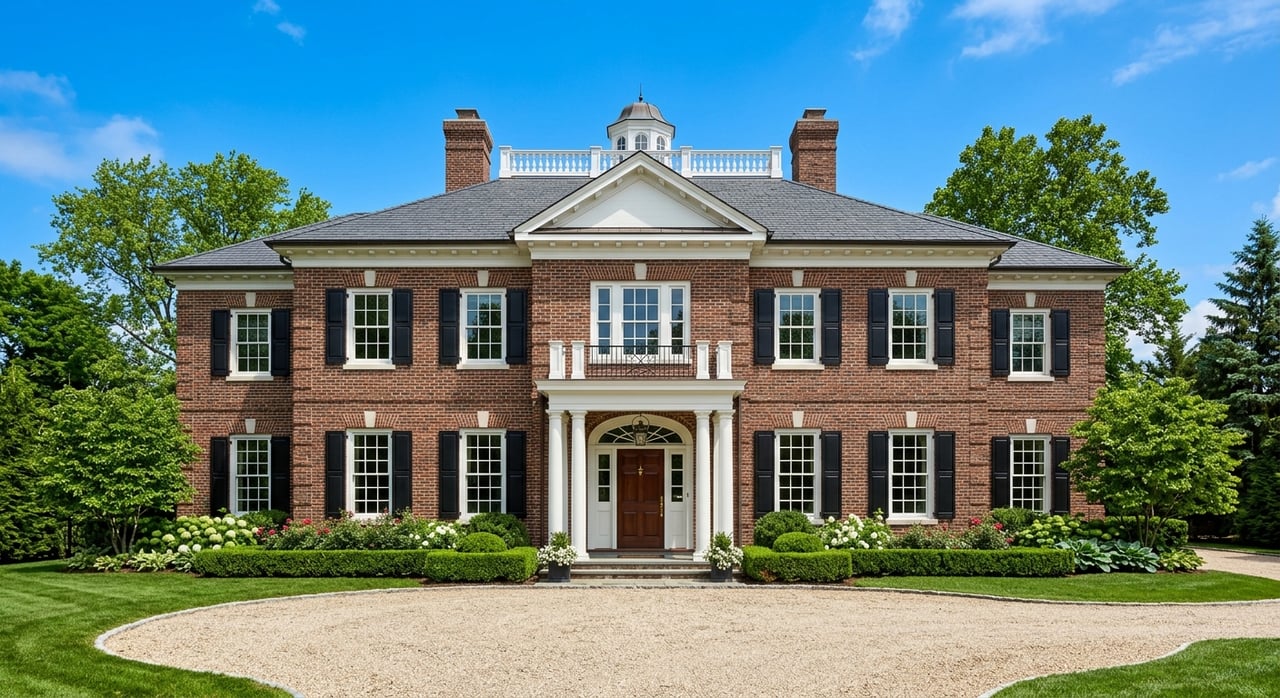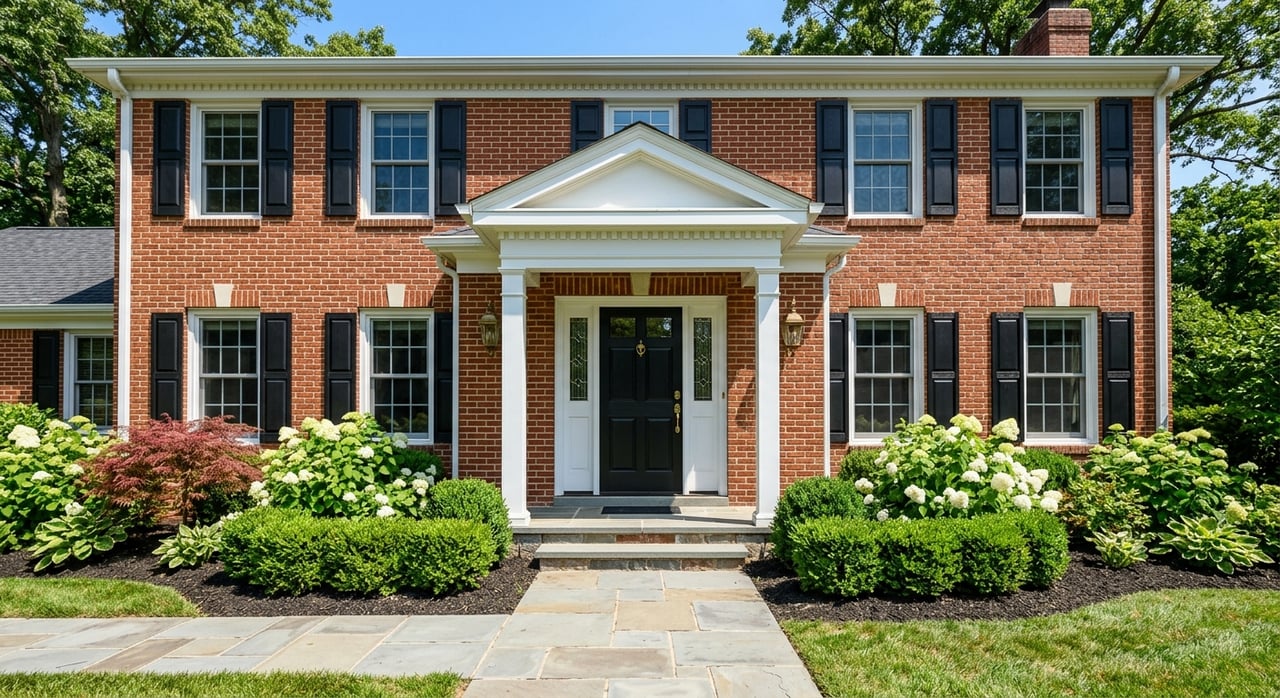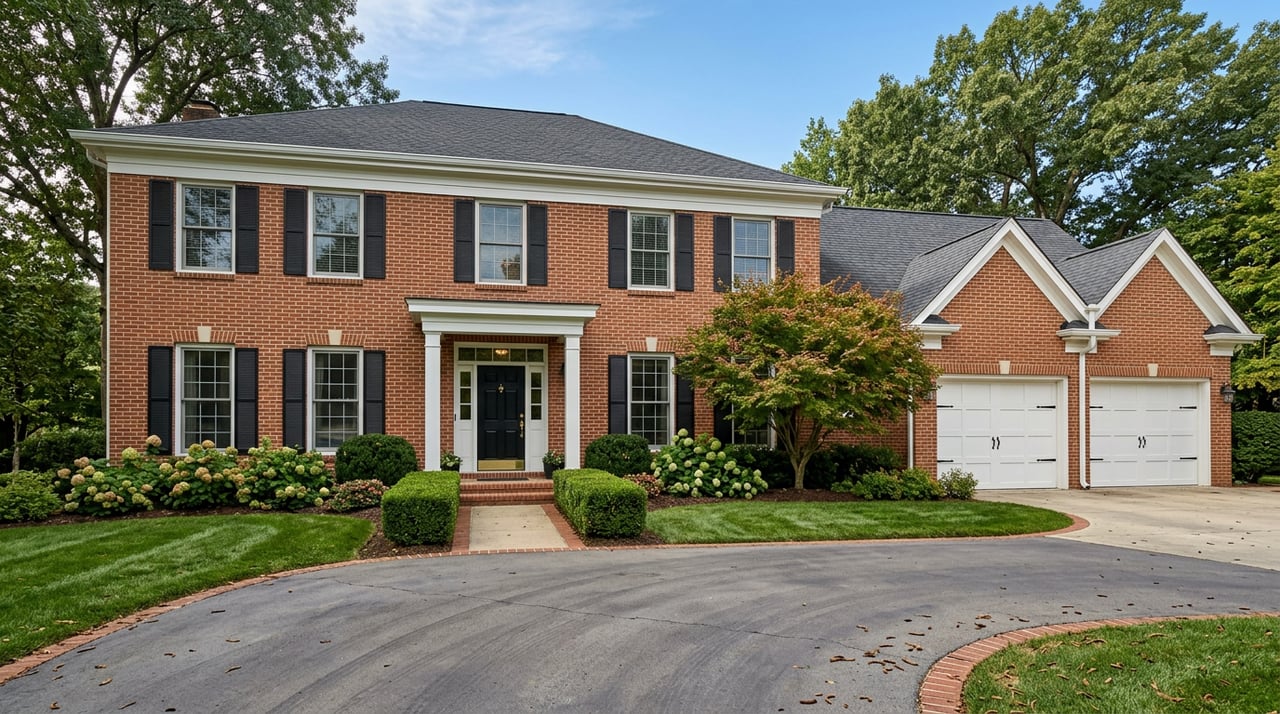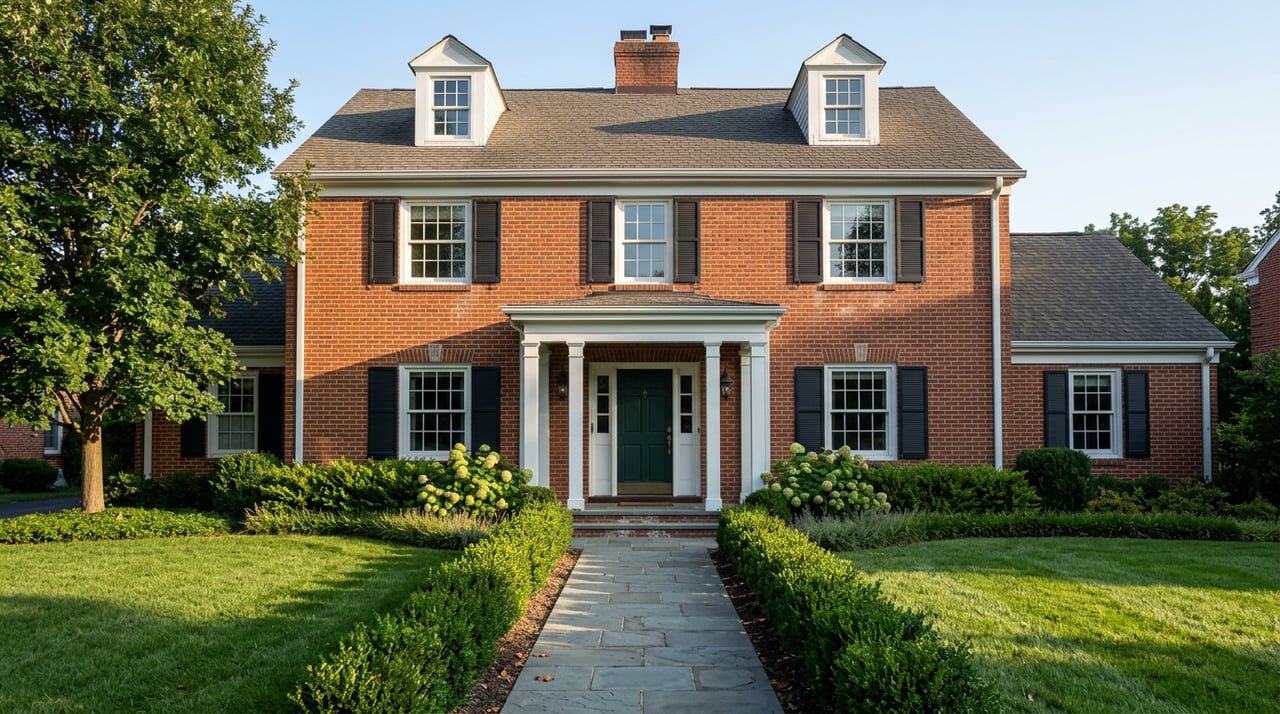
What happens when a homeowner inside the Town of Clifton tries to pull a Fairfax County building permit the same way every other county resident does, through the county's online system, with a set of drawings and a credit card? The application gets kicked back. Not because the drawings are wrong. Because the address itself carries a flag that most buyers never learn about until they're already holding blueprints and a contractor's invoice.
That flag is the real story behind Clifton real estate, more than the brick facades or the caboose at Devereux Station. Two properties can share the same zip code, the same "Clifton, VA" heading on a listing sheet, and answer to entirely different governments the moment someone wants to change a window.
Two Cliftons, One Zip Code
The incorporated Town of Clifton is tiny by design. The 2020 census counted 243 residents across 93 housing units on a quarter square mile of land, a population density of roughly 972 people per square mile packed into a footprint most subdivisions would consider one long block. Clifton is one of only three incorporated towns left in Fairfax County, alongside Vienna and Herndon, and it has carried that charter since 1902.
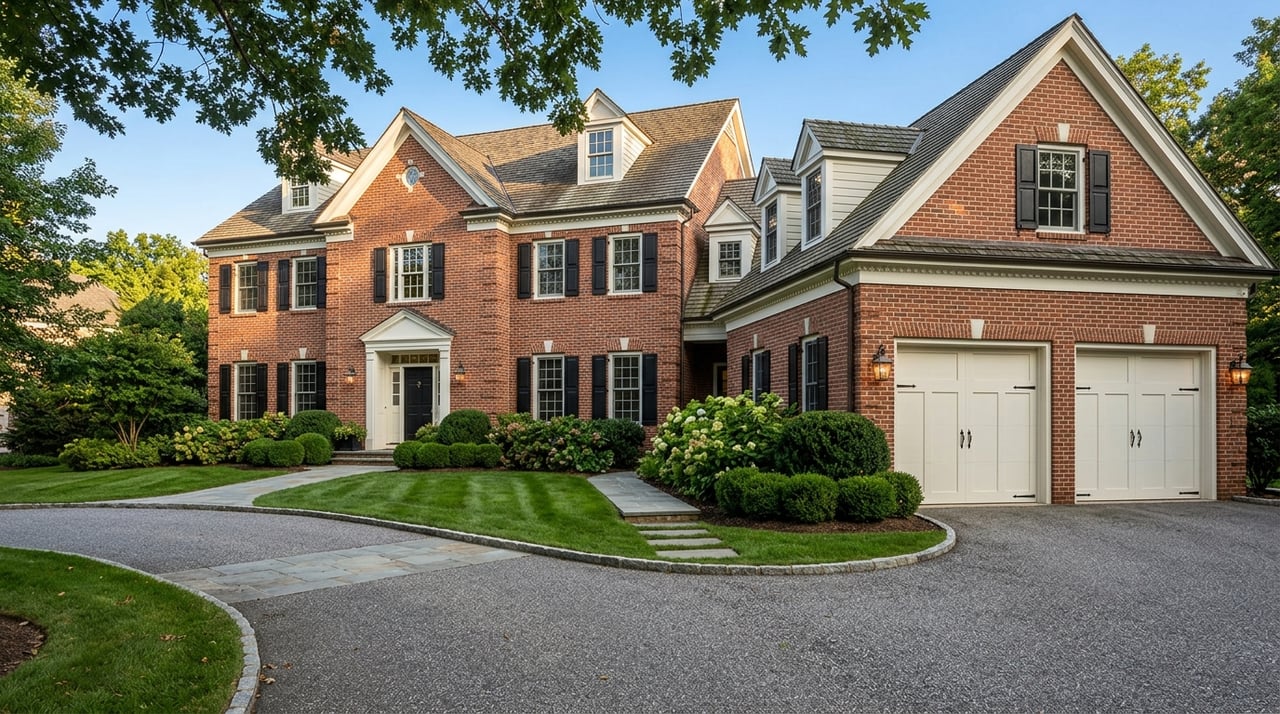
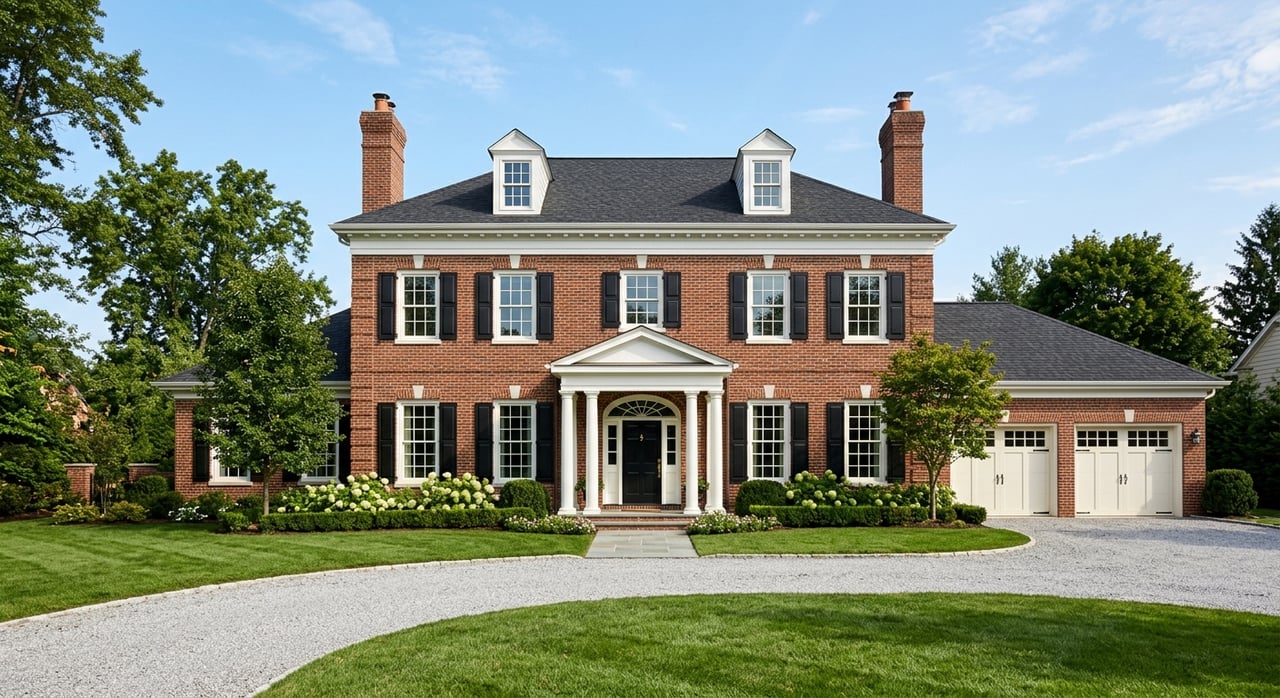
What makes the Town different from the Clifton area around it isn't the age of the houses, though some date back to 1871. It's the paperwork attached to the parcel. The U.S. Department of the Interior designated the Town a National Historic District in 1985, and that designation created a local Historic Overlay District with its own Architectural Review Board. You're back to standard Fairfax County zoning and whatever a homeowners association might require.
The only way to know which Clifton you're buying into is to check the parcel record itself. Fairfax County's real estate site lists a "District" field for every property, and if it reads "Springfield Town of Clifton," the address carries the extra oversight no matter how the listing photos frame the house.
The Three Approvals, In Order
Buyers who assume a historic district means one design review board are underestimating the process by two steps. According to the Town's own guidance, projects that require Town review inside Clifton's limits require three separate approvals, completed in a specific sequence:
- A use permit from the Town Planning Commission and Town Council
- A Certificate of Appropriateness from the Architectural Review Board
- A building permit from Fairfax County
The order matters because the last step won't happen without the first two. Fairfax County's building department will not accept an application for a property inside the Town without the Town's paperwork attached, signed by the mayor of Clifton. A homeowner who calls the county first, the instinct almost everyone has, loses time discovering that the county application doesn't even open until the Town signs off.
The sequence doesn't end at groundbreaking either. Once construction wraps, the applicant returns to the Planning Commission, the ARB, and the Town Council a second time to demonstrate the conditions of the preliminary use permit were met, so a final use permit can close the file. Buying a historic Clifton house isn't a single approval before renovation. It's two rounds of Town sign-off bracketing one county permit in the middle.
| Inside Town Limits | Outside Town Limits | |
|---|---|---|
| Building permit issuer | Fairfax County, but only after Town sign-off | |
| Design review | Architectural Review Board, Certificate of Appropriateness required for exterior work unless exempt | |
| Typical exterior approval window | One to two months for a complete ARB application, on top of use permit and county timelines | County permit timeline only |
| Common siding material | Real wood clapboard and true trim profiles tend to clear review | Vinyl is common |
The Clock, Not the Committee
The part of this process that catches people off guard isn't the aesthetics. It's the calendar. The Architectural Review Board meets once a month, the last Thursday, at 7:30 p.m. This isn't a theoretical rule. The board's April 2026 agenda listed a live application for a property on Clifton Heights Lane, one item on a docket that runs at the pace of a single monthly meeting, not a rolling review desk.
For a buyer trying to close on a house and start a kitchen expansion before winter, that one-month cadence, stacked on top of the use permit and county steps ahead of it, can turn a project that would take six weeks in most of Fairfax County into one that takes most of a season.
What Actually Gets Rejected
The good news buried in this process is that the ARB isn't trying to say no. Architectural review boards nationally approve about 99 percent of the applications they see, according to Preservation Virginia, and Clifton's board functions less like a gatekeeper and more like a materials referee. Real wood clapboard, period-correct porch brackets, and true trim profiles are the kind of choices that tend to clear without friction, because they match what the district was designated to protect. Vinyl siding, by contrast, is a decision the board makes for you inside Town limits, whereas outside the line it's simply what most homes already have.
Not everything triggers a review in the first place. Storm windows and front step repairs, for instance, don't need ARB sign-off unless they happen to require a Fairfax County building permit on their own. That distinction, buried in the Town's own FAQ, is easy to miss and easy to get wrong if a buyer assumes every visible change needs a hearing.
What This Means If You're Comparing Clifton Addresses
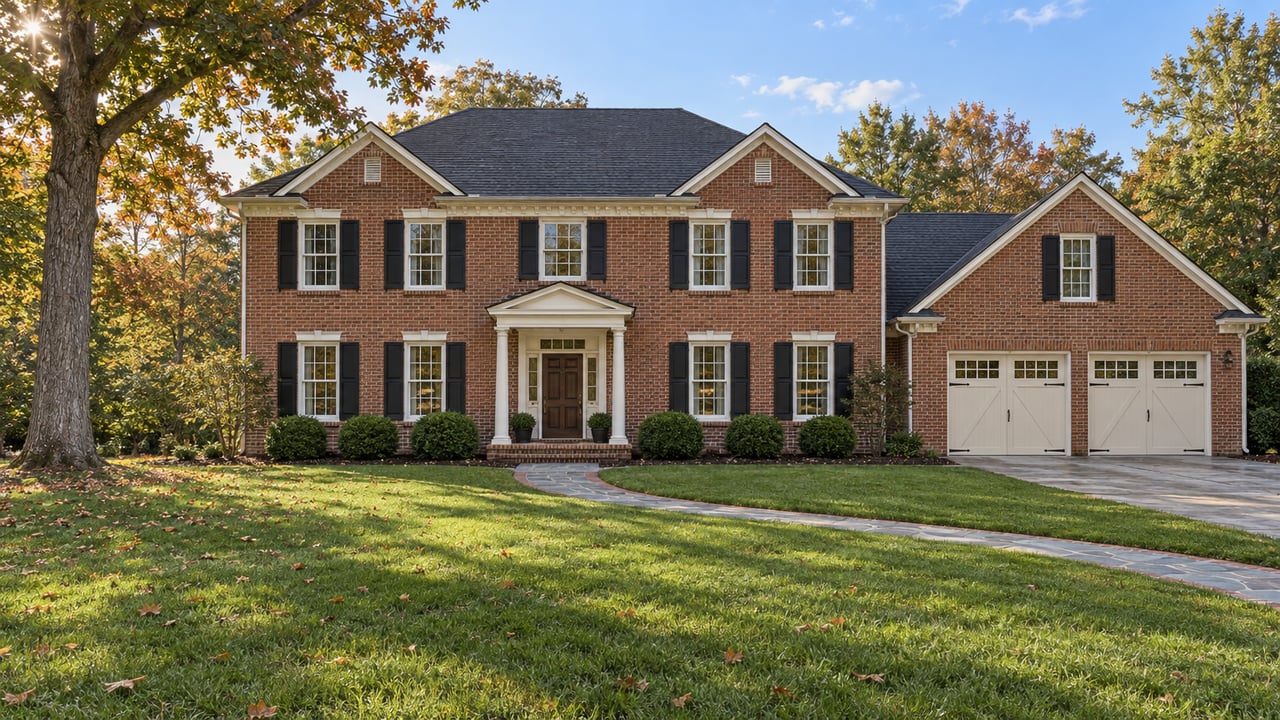
The real lesson for anyone shopping the Clifton market isn't about historic charm at all. It's about which government approves your front door. A five-acre property just outside the Town line and a Main Street cottage inside it can list for similar money and photograph almost identically, but one comes with a single Fairfax County permit and the other comes with a mayor's signature, a monthly board meeting, and a two-part use permit sandwiching the whole thing.
Before writing an offer on anything inside Clifton's historic core, it's worth pulling the parcel's district designation and asking what kind of project you're actually planning. A buyer who wants to update systems behind the walls faces a much lighter lift than one who wants to add a dormer or swap the siding. Knowing the difference before closing, rather than after, is the difference between a renovation that runs on schedule and one that waits on next month's agenda.
Quick Questions
Does every exterior change to a Clifton home need ARB approval? No. Minor items like storm windows or step repairs are exempt unless they separately trigger a Fairfax County building permit requirement.
Can I still build new construction inside the Town? Yes, on a vacant lot, provided it meets the Town's zoning size requirements and the site can support an adequate septic field and private well.
What if the house I want sits just outside the Town line? Whatever restrictions apply to that specific parcel still matter.
Buying inside a place this small means the address does more work than the square footage. If you're weighing a historic Clifton cottage against a newer build just past the Town line, the Amanda Jones Team can walk through what each parcel actually requires before you fall for a house that comes with three signatures instead of one. Contact Us to Start Your Move.
This article is general information, not legal, tax or financial advice. Consult a qualified professional about your situation.